Patron saint of cancer
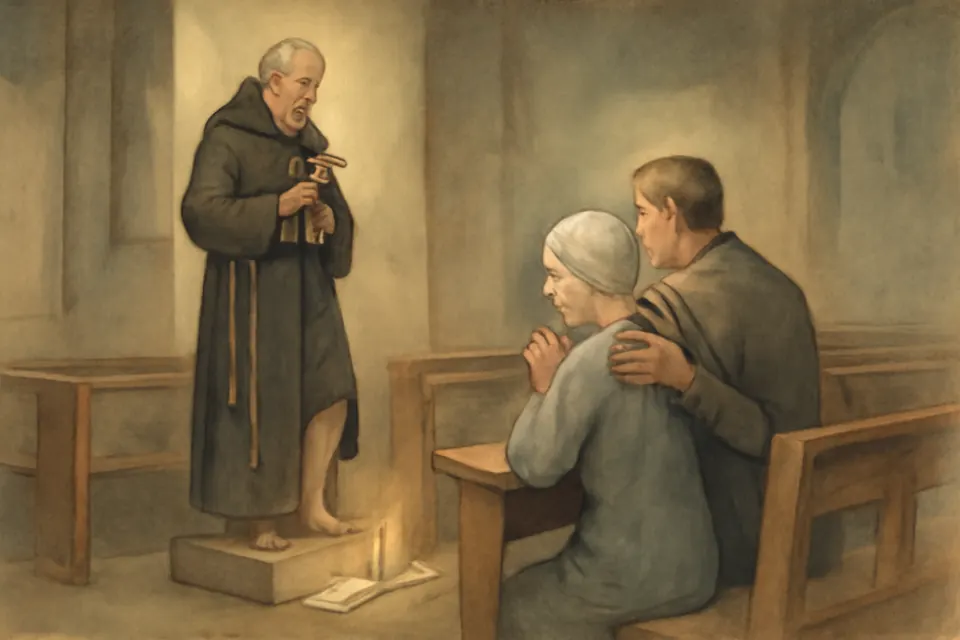
The patron saint of cancer is St. Peregrine Laziosi, an Italian friar whose cancerous leg, tradition says, was healed the night before it was to be amputated. Women with breast cancer also turn to St. Agatha, and Orthodox Christians to St. Nektarios of Aegina. If you have just heard a hard diagnosis, these saints know the road you are on.
Patron saints of cancer patients
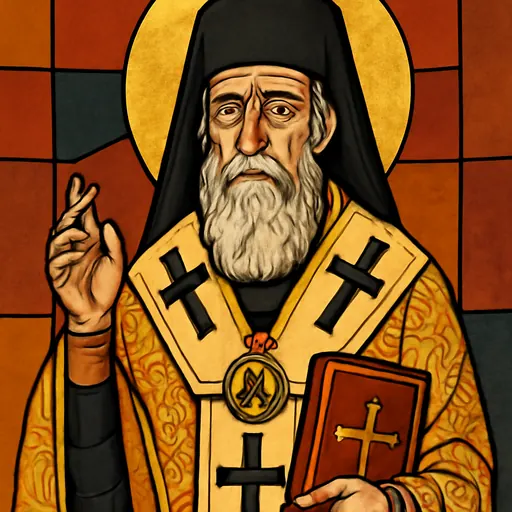 St. Nektarios of Aegina
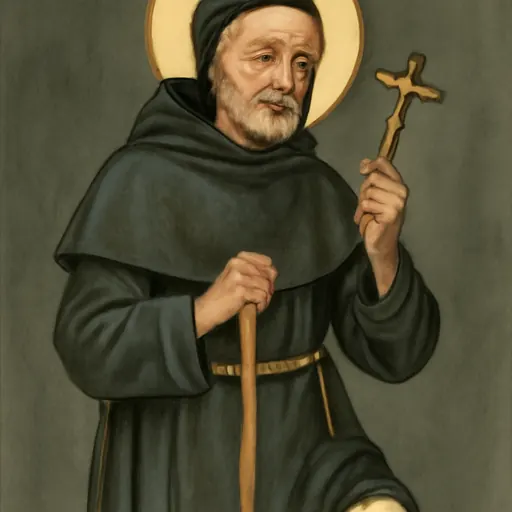 St. Peregrine Laziosi
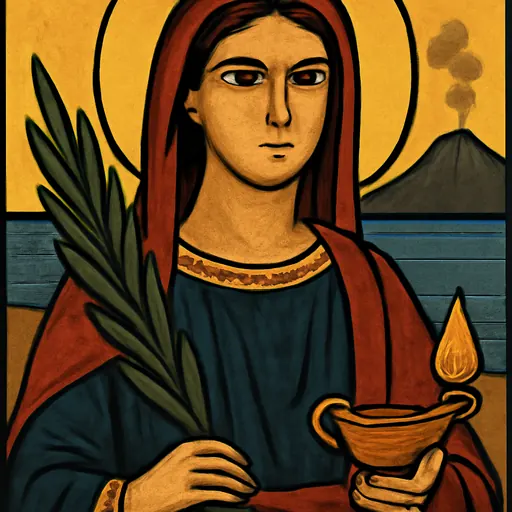 St. Agatha of Sicily
A cancer diagnosis changes everything at once: the calendar fills with appointments, the words get strange, and the nights get long. Christians have never faced that alone. Below are the saints the Church's faithful have turned to in cancer for centuries, what is known about each of them, and how to ask their prayers. We pray alongside treatment, never instead of it, and the saints themselves would tell us so.
St. Peregrine, the patron saint of cancer
St. Peregrine Laziosi was born around 1265 to a noble family in Forlì, in the Romagna region of northern Italy. As a young man he joined a crowd that drove the Servite preacher Philip Benizi out of town, and in the version most often told today he struck Philip in the face. Philip prayed for his attackers, and that forgiveness changed Peregrine's life. He joined the Servants of Mary, the Servites, and spent most of his long life in his hometown, praying, preaching and serving the poor. Out of penance he was said to avoid sitting down whenever he could.
Years of standing took their toll. When Peregrine was about sixty, around 1325, the veins in his right leg broke down into an open ulcer, which the Servites describe as cancer. It spread, smelled terribly and would not heal, and the friary's physician decided the leg had to come off.
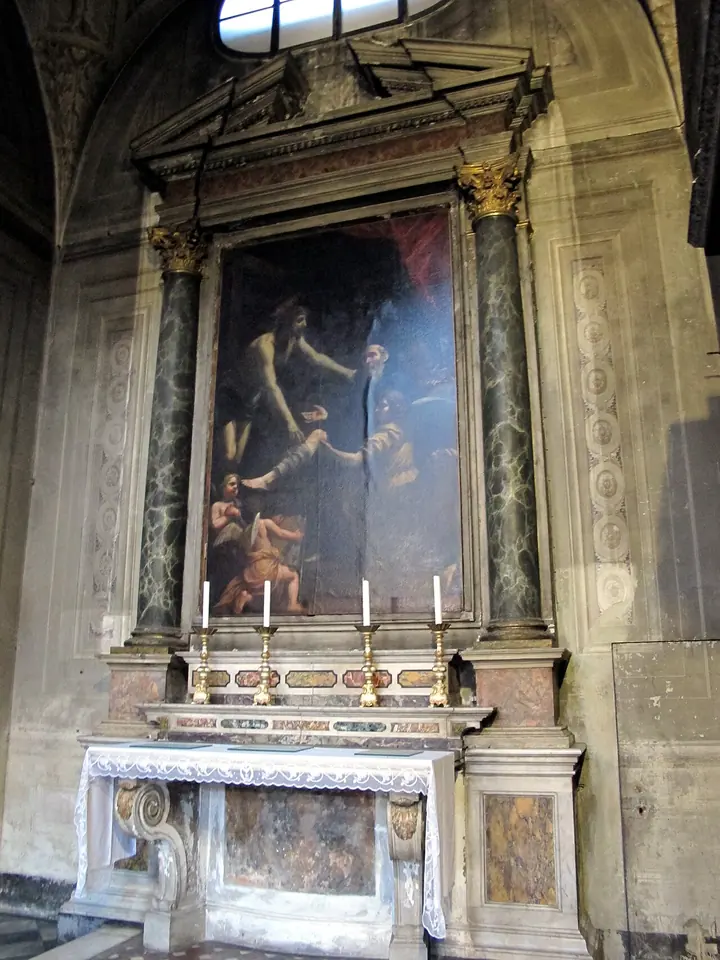
The night before the operation, Peregrine dragged himself to the large crucifix in the chapter room and prayed. As he grew drowsy he seemed to see Jesus come down from the cross and touch his leg. In the morning the physician found no sign of the disease, not even a wound, and was so shaken that he told the whole town. Peregrine lived about twenty more years and died in 1345, aged around eighty.
That healing is traditional: it is told in his early Life and has been the heart of his cult ever since, but no independent medical record survives, and no one today can say whether the wound was a cancer, a severe venous ulcer or something else. Cures through his intercession were examined in the process that led to his canonization by Pope Benedict XIII in 1726, and those cures are reported. His feast is May 1, and many Servite churches keep it on May 4.
Why he is the patron of people with cancer
The Servite friars in the United States say news of his cure "spread rapidly round the western Church." The Servites have always presented his illness as cancer, and The Grotto in Portland, a Servite shrine, calls him the saint "of people with cancer, AIDS, or other life-threatening diseases." The National Shrine of St. Peregrine is at Our Lady of Sorrows Basilica on Chicago's West Side, where a Mass for the Sick, with a blessing using his relic, is celebrated each month.
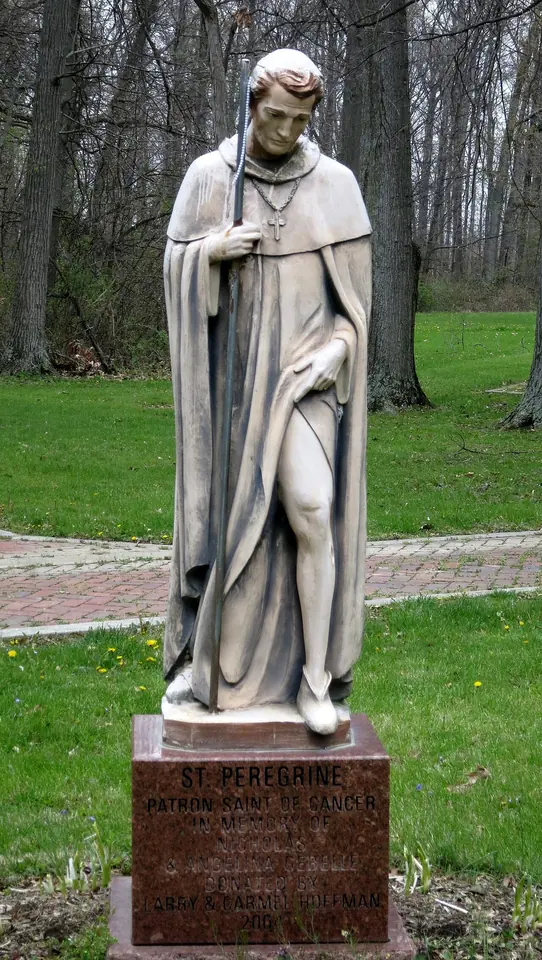
The Servites draw a quiet lesson from where the healing happened: not in a sickbed or a shrine but at the foot of the cross. They present Peregrine as a companion for the sick whether or not a cure comes. In The Grotto's words, the lesson of his life "is not that God worked a miracle, but that a faithful, trustful servant placed himself, unconditionally, in the hands of our Lord."
St. Agatha, patron of breast cancer patients
St. Agatha was a young Christian woman of Catania, Sicily, who died a martyr around 251 under the emperor Decius. Her legend says she refused the governor Quintianus, who had her tortured and ordered her breasts cut off. That night in prison, the legend continues, St. Peter appeared and healed her wounds. She died soon after. The details of her passion are traditional; her cult at Catania is ancient, and she is named in the Roman Canon of the Mass.

Because of what she suffered and the healing she received, women facing breast cancer have taken her as their patron. The cathedral of Catania publishes several prayers to her in Italian, including one for women who have had breast surgery. In paintings she carries two small breasts on a dish, as St. Lucy carries her eyes; it is a sign of what she survived, not a realistic image. Her feast is February 5.
St. Nektarios of Aegina
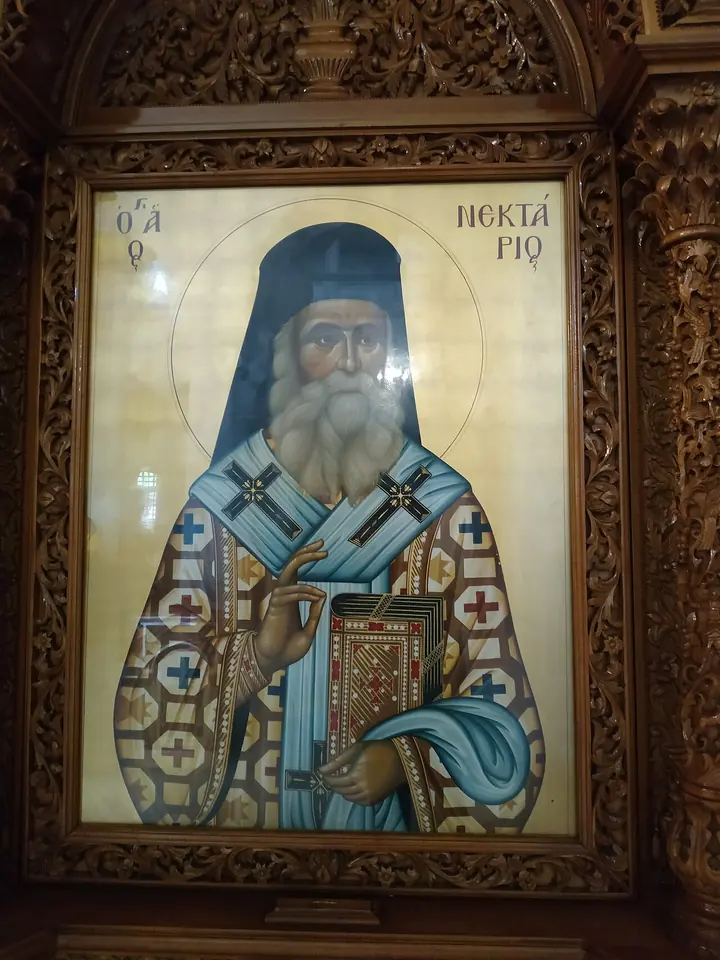
St. Nektarios was a Greek Orthodox bishop, Metropolitan of Pentapolis, who was removed from his post in Egypt on false rumors and spent his last years in a convent he founded on the island of Aegina. He died in 1920 after two months of an illness Orthodox sources describe as cancer. The Orthodox Church in America writes that he has worked thousands of miracles, "especially for those suffering from cancer." These healings are reported. His feast is November 9.
How to pray to St. Peregrine
There is no prayer by St. Peregrine himself. The prayers in use today come from the Servite friars who keep his shrines, and you can read them in full on St. Peregrine's page. The first of their prayers for the sick asks that the person we name "will be strengthened in body and spirit and cured of their illness by Jesus Christ through your intercession."
Many people pray one of these prayers as a novena, for nine days in a row, before a scan, a surgery or a new round of treatment, and add an Our Father, a Hail Mary and a Glory Be. The National Shrine in Chicago accepts prayer petitions online and by mail. Ask your parish, too, about the Anointing of the Sick, which the Church gives to anyone facing a serious illness, not only to the dying.
Let us ask St. Peregrine to pray for everyone who is waiting for results tonight, everyone in treatment, and everyone who loves them. More saints of the sick are on our patron saint of healing page and our patron saints page.
Frequently asked questions
Who is the patron saint of cancer?
St. Peregrine Laziosi (about 1265–1345), a friar of the Servants of Mary from Forlì, Italy. Tradition says Christ healed a cancerous wound on his leg the night before it was to be amputated. He was canonized in 1726, and his feast is May 1 (May 4 in many Servite churches).
Who is the patron saint of breast cancer?
St. Agatha, a young martyr of Catania in Sicily who died around 251. Her legend says her breasts were cut off under torture and that St. Peter healed her in prison. The cathedral of Catania publishes a prayer to her for women who have had breast surgery. Her feast is February 5.
Is there a St. Peregrine novena?
Yes. A novena is a prayer said on nine days in a row. Many of the faithful pray one of the Servite prayers to St. Peregrine for nine days, often before a scan, a surgery or a round of treatment, adding an Our Father, a Hail Mary and a Glory Be.
Where is the shrine of St. Peregrine?
His body rests in the Basilica of San Pellegrino in Forlì, Italy. The National Shrine of St. Peregrine in the United States is at Our Lady of Sorrows Basilica in Chicago, where the Servite friars celebrate a monthly Mass for the sick with a blessing using his relic.
Who is St. Nektarios, and why do people with cancer pray to him?
St. Nektarios of Aegina was a Greek Orthodox bishop who died in 1920 after an illness Orthodox sources describe as cancer. Reports of healings, especially of cancer, grew so fast after his death that he became the saint Greek Orthodox Christians turn to first for serious illness. His feast is November 9.
Was St. Peregrine's healing a real miracle?
The healing of his leg is told in his early Life and has been at the center of his cult ever since, so on this site it is labeled traditional; there is no independent medical record from the time. Cures through his intercession were examined in the process that led to his canonization, and those are reported.
Sources
- Friar Servants of Mary, USA Province: St. Peregrine, History
- Friar Servants of Mary, USA Province: St. Peregrine, Devotions
- Roman Martyrology 2004, May 1 (GCatholic)
- Catholic Encyclopedia (1907): St. Agatha
- Basilica Cattedrale S. Agata, Catania: Preghiere
- Orthodox Church in America: Saint Nectarius Kephalas, Metropolitan of Pentapolis