Candlemas
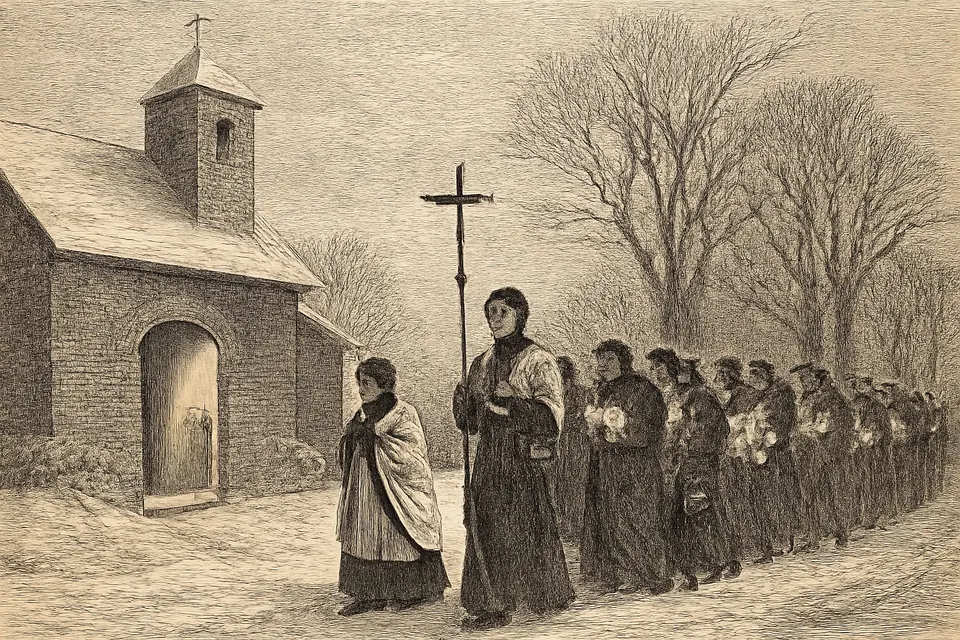
Candlemas is the Christian feast of February 2, forty days after Christmas, which remembers Mary and Joseph presenting the infant Jesus in the Temple, where the old man Simeon called him "a light to the revelation of the Gentiles." Catholics now call it the Presentation of the Lord. Churches bless candles and carry them in procession, which gave the feast its English name.
What is Candlemas?
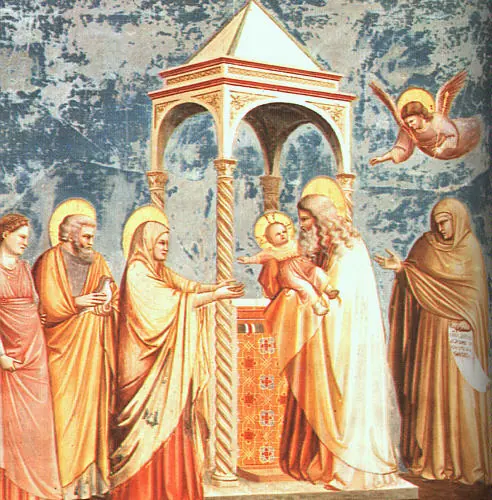
Candlemas is the feast of February 2, the day the Church remembers Mary and Joseph bringing the infant Jesus to the Temple in Jerusalem, forty days after his birth. There an old man named Simeon took the child in his arms and called him "a light to the revelation of the Gentiles." Because of those words, churches bless candles on this day and carry them lit in procession. The English name means simply "Candle Mass."
The feast goes by several names, and each points to a different part of the story:
- The Presentation of the Lord, the Catholic name since the 1969 calendar, because Jesus was presented to God as a firstborn son.
- The Purification of the Blessed Virgin Mary, the older Western name, because Mary kept the Law's rite of purification after childbirth.
- The Meeting of the Lord (Hypapante in Greek), the Eastern name, for Christ's meeting with Simeon and Anna, the old covenant greeting the new.
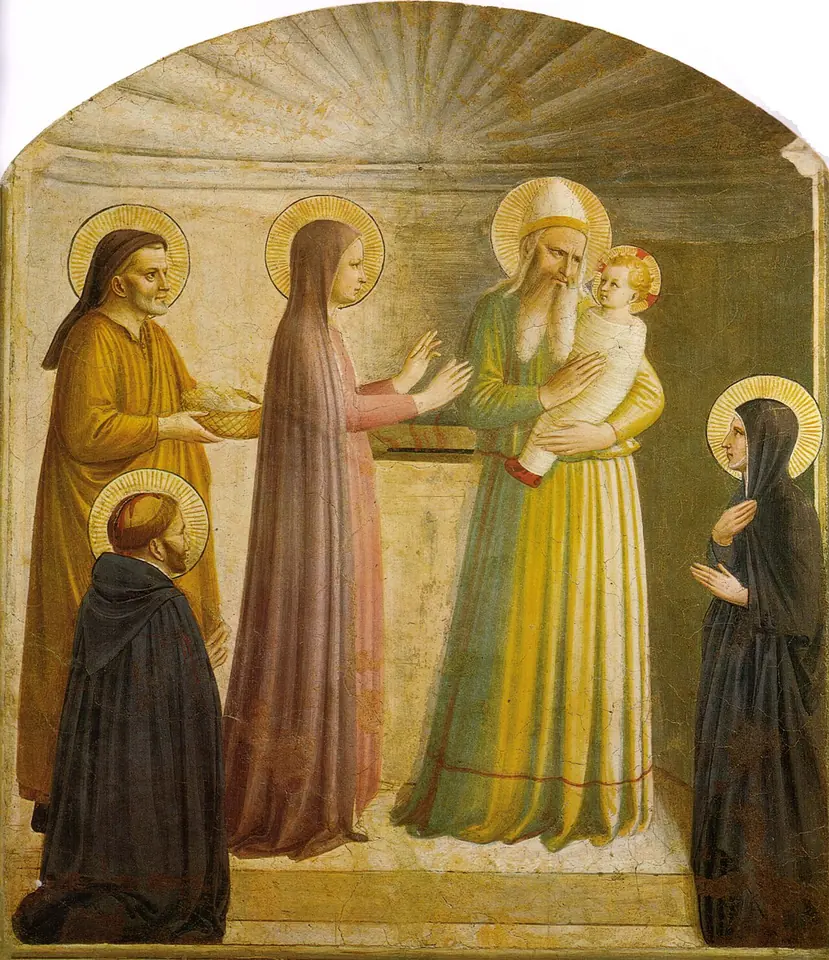

Candlemas is the last feast connected with Christmas. In many Catholic homes the Nativity scene stays up until February 2, and in the Philippines and Puerto Rico the day closes the Christmas season.
When is Candlemas 2027?
Candlemas is always February 2. In 2027 it falls on a Tuesday; in 2028, on a Wednesday. The date is fixed by counting forty days from Christmas, the period the Law of Moses set before a mother came to the Temple after the birth of a son.
In the Catholic Church the Presentation is a feast of the Lord, so when February 2 falls on a Sunday it replaces the Sunday Mass. Eastern churches celebrate the Meeting on the same day; those that keep the old Julian calendar observe it on what is February 15 in the civil calendar. The Armenian Church, which keeps Christmas on January 6, still celebrates the Presentation on February 14, forty days later. You can find the saints around it on our feast days page.
The Gospel of Candlemas: Luke 2:22–40
The story is told only in the Gospel of Luke. Here are its central verses in the Douay-Rheims translation:
And after the days of her purification, according to the law of Moses, were accomplished, they carried him to Jerusalem, to present him to the Lord: As it is written in the law of the Lord: Every male opening the womb shall be called holy to the Lord: And to offer a sacrifice, according as it is written in the law of the Lord, a pair of turtledoves, or two young pigeons.
Simeon, Luke says, "was just and devout, waiting for the consolation of Israel," and the Holy Spirit had promised him he would not die before he saw the Messiah. When he took the child in his arms, he prayed the canticle the Church still sings every night at Compline, known by its first Latin words, the Nunc dimittis:
Now thou dost dismiss thy servant, O Lord, according to thy word in peace;
Because my eyes have seen thy salvation,
Which thou hast prepared before the face of all peoples:
A light to the revelation of the Gentiles, and the glory of thy people Israel.
Then he turned to Mary with a harder word:
Behold this child is set for the fall, and for the resurrection of many in Israel, and for a sign which shall be contradicted; And thy own soul a sword shall pierce, that, out of many hearts, thoughts may be revealed.
That prophecy is the first of the Seven Sorrows of Our Lady of Sorrows. The aged prophetess Anna, a widow of eighty-four "who departed not from the temple, by fastings and prayers serving night and day," came up at the same hour and "spoke of him to all that looked for the redemption of Israel." The family then went home to Nazareth, where "the child grew, and waxed strong, full of wisdom."
The offering of two birds instead of a lamb, which the Law allowed for families who could not afford a lamb (Leviticus 12:8), is a quiet sign that St. Joseph and Mary were poor.

The history of Candlemas
Jerusalem in the 4th century
The earliest description of the feast comes from Egeria, a woman pilgrim, probably from Spain or Gaul, who visited Jerusalem in the 380s and wrote home to her "reverend sisters." In the 1919 English translation by M. L. McClure and C. L. Feltoe:
The fortieth day after the Epiphany is undoubtedly celebrated here with the very highest honour, for on that day there is a procession, in which all take part, in the Anastasis, and all things are done in their order with the greatest joy, just as at Easter.
All the priests and then the bishop preached on the Gospel of the Presentation, "treating of the words which they spake when they saw the Lord." At that time Jerusalem celebrated the birth of Christ on January 6, so the fortieth day fell on February 14. The feast had no name of its own yet.
From the East to Rome
Once churches adopted December 25 for Christmas, the fortieth day moved to February 2. The Catholic Encyclopedia says the emperor Justinian ordered it kept throughout the empire in 542, in thanksgiving for the end of a great plague in Constantinople. In Rome it appears in the 7th century under the title "Purification of the Blessed Virgin Mary," and Pope Sergius I (687–701) added a procession.
A popular claim says the feast was invented to replace the Roman Lupercalia, a pagan February festival. The Catholic Encyclopedia rejects that: the feast "was certainly not introduced by Pope Gelasius to suppress the excesses of the Lupercalia," and the blessing of candles "has nothing in common with the procession of the Lupercalia." The blessing of candles itself didn't come into common use until the 11th century.

The blessing of candles and the procession
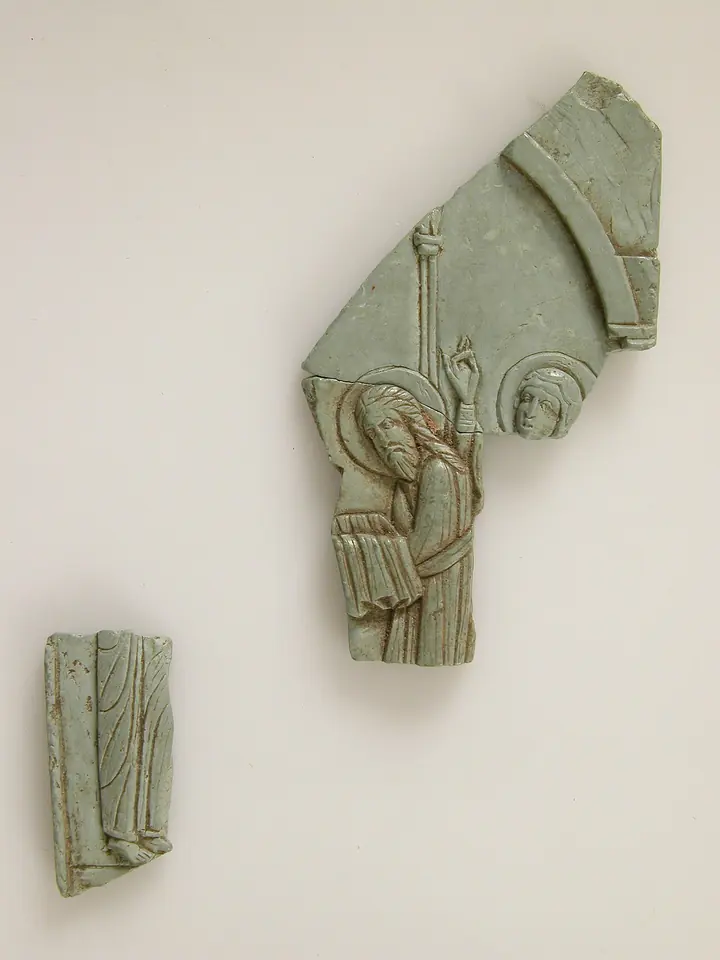
Candlemas is the day the Church blesses the candles it will use through the year. In the traditional Roman rite described by the Catholic Encyclopedia, the priest blessed beeswax candles with five prayers, sprinkled and incensed them and handed them out while the choir sang Simeon's canticle, repeating after every verse the antiphon Lumen ad revelationem gentium, "a light to the revelation of the Gentiles." Everyone then walked in procession with lighted candles, a picture of Christ, the Light of the World, entering his Temple.
During the procession the choir sang Adorna thalamum tuum, Sion, "Adorn your bridal chamber, O Zion." It was composed by St. John of Damascus, one of the few chants the Roman Church took over, words and music, from the Greeks.
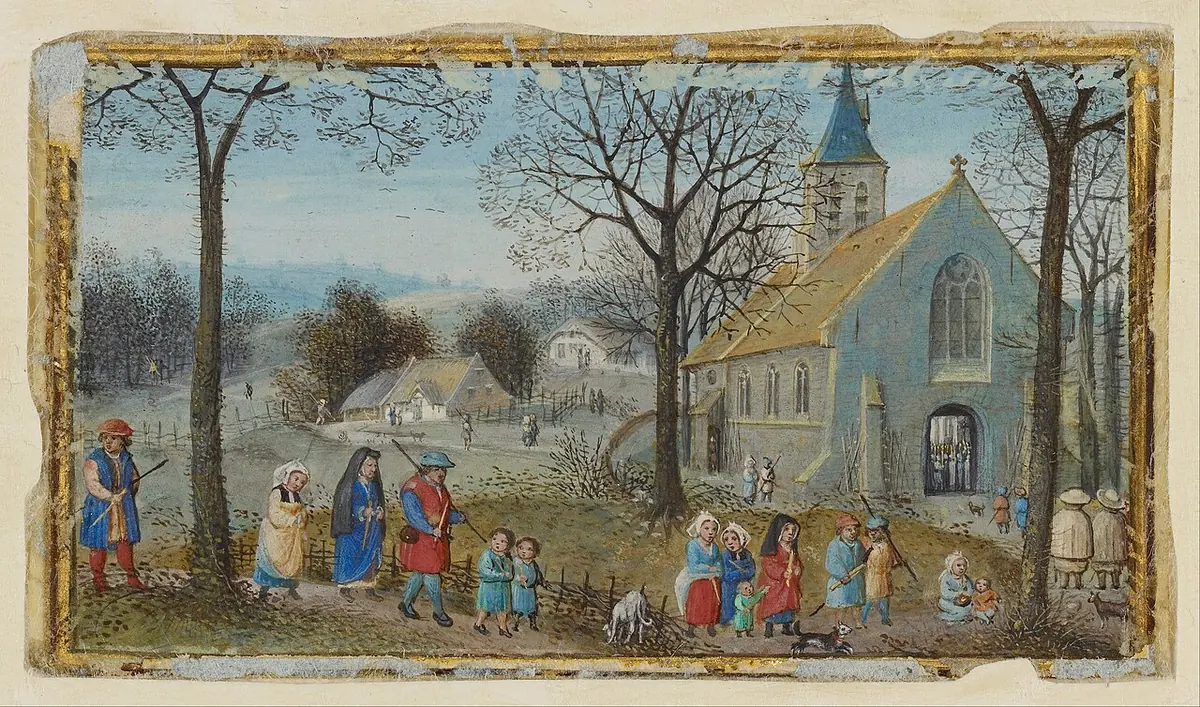

Today's Roman Missal keeps the same outline. The people gather, often outside the church or at the door, holding unlit candles. The candles are lit and blessed, and everyone processes into the church for Mass, as Mary and Joseph carried Jesus into the Temple. Where a full procession isn't possible, the Missal allows a simpler solemn entrance.

The World Day for Consecrated Life
Since 1997 the Catholic Church has kept February 2 as the World Day for Consecrated Life, a day of prayer for monks, nuns, religious sisters and brothers, and others who have taken vows. John Paul II instituted it and explained the choice of date in his first message: the Presentation is "an eloquent icon of the total offering of one's life" by those called to poverty, chastity and obedience. Religious communities mark the day with Mass, and some renew their vows, often with candles in hand.
Candlemas customs around the world
Candles at home
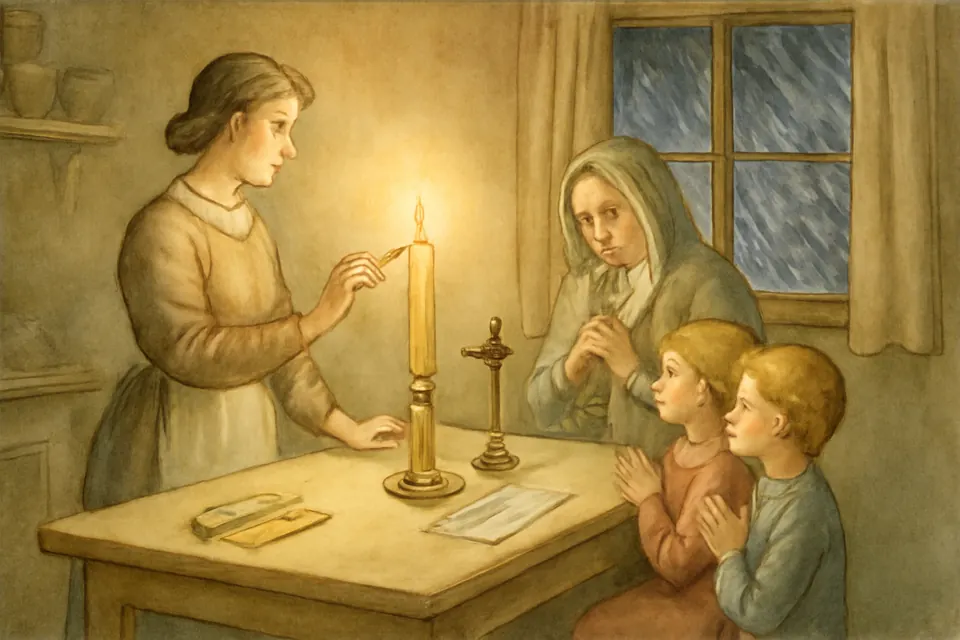
Catholics have long taken blessed candles home from the Candlemas Mass. Families light them during prayer, at the bedside of the sick and dying, and during storms. On February 3, the feast of St. Blaise, priests often use the candles blessed the day before, crossed and tied with a ribbon, for the blessing of throats.
Weather lore and Groundhog Day
Candlemas fell at the midpoint of winter, and Europeans watched its weather closely. Chambers' Book of Days (1864) says there was "a universal superstition throughout Christendom, that good weather on this day indicates a long continuance of winter." It quotes a Scottish rhyme that begins:
If Candlemass day be dry and fair,
The half o' winter's to come and mair
Chambers also records a German proverb: "The badger peeps out of his hole on Candlemass day, and when he finds snow, walks abroad; but if he sees the sun shining, he draws back into his hole." German settlers in Pennsylvania transferred the role to the groundhog. The Punxsutawney Groundhog Club says its tradition "stems from similar beliefs associated with Candlemas Day," and dates the first official trek to Gobbler's Knob to 1887. These are folk customs with no religious meaning, though they grew up around a church feast.


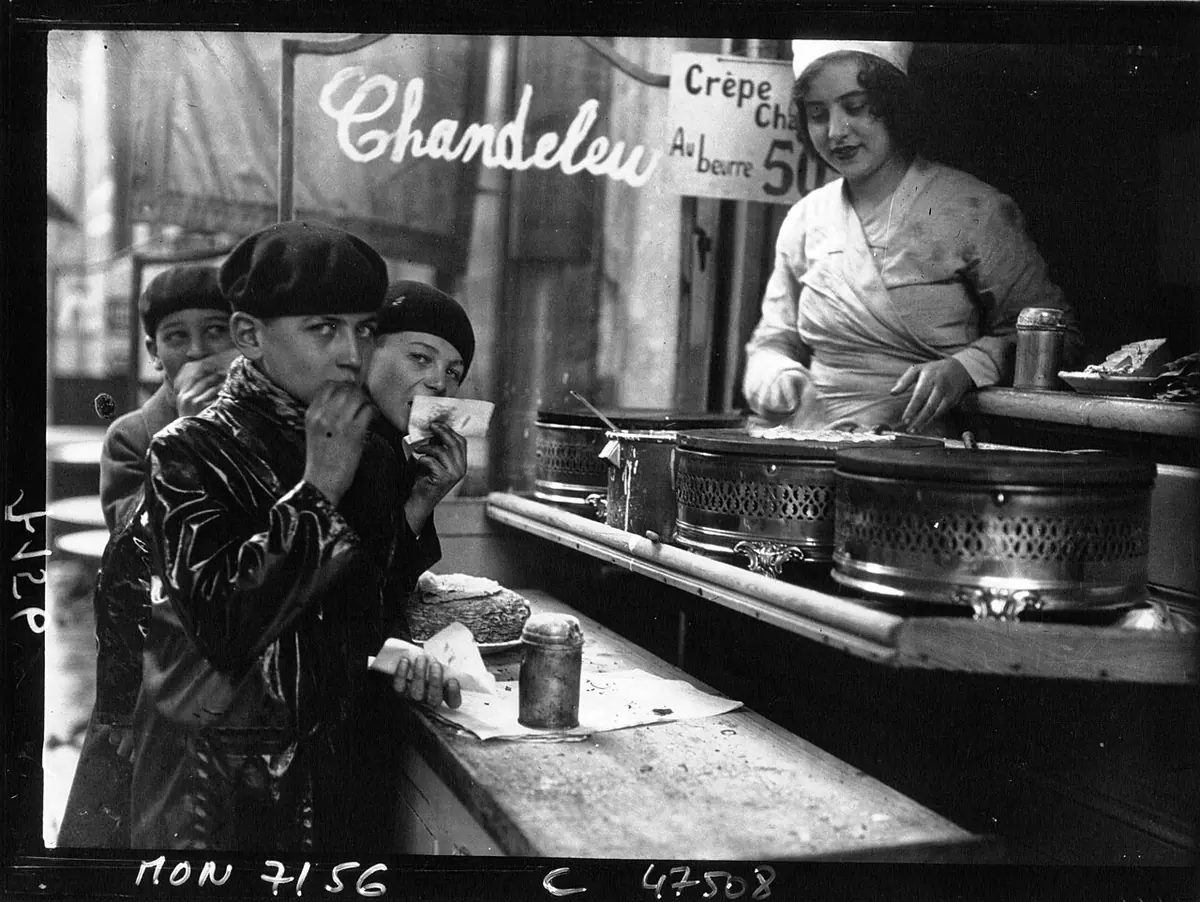
Crêpes in France
In France, Belgium and French-speaking Switzerland, Candlemas is La Chandeleur, and it means crêpes. Families make stacks of them for supper. A favorite superstition says to flip a crêpe with a coin in your other hand; land it in the pan and you'll have money all year. The round, golden crêpes are often said to look like the returning sun.

Tamales in Mexico
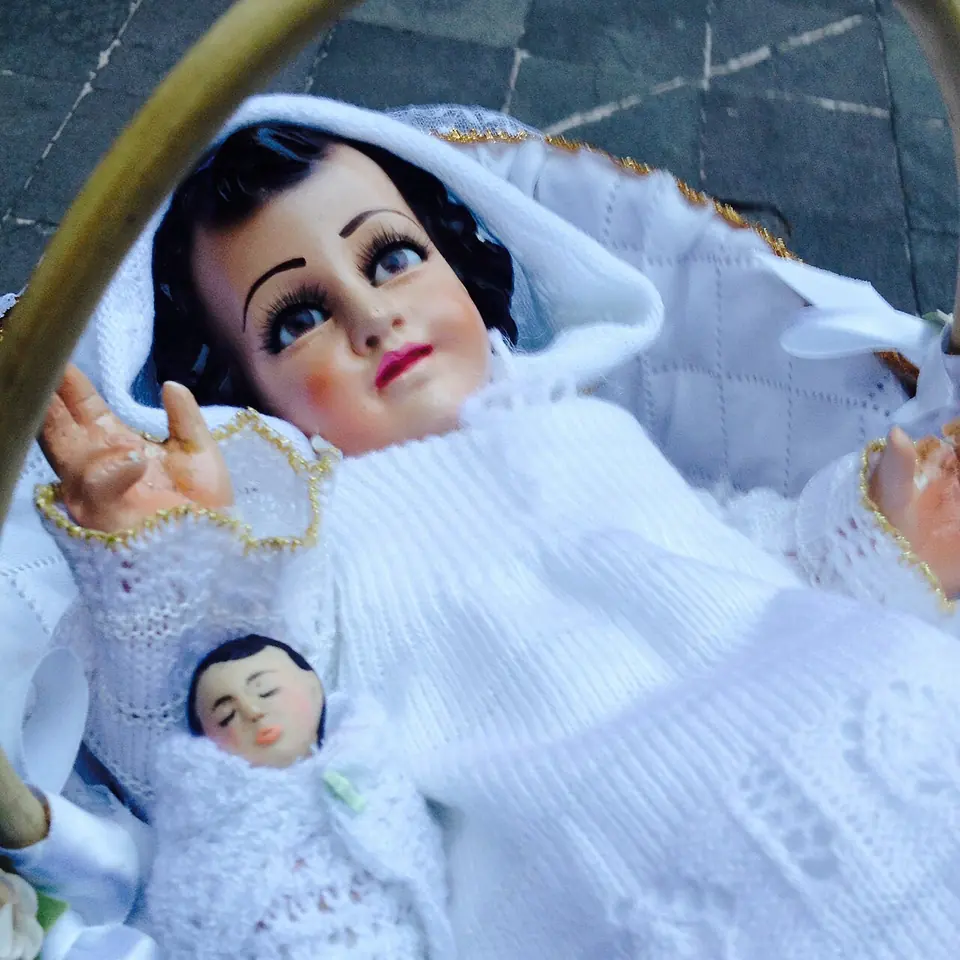
In Mexico and in many Mexican-American parishes, February 2 is Día de la Candelaria. The custom starts on Epiphany, January 6, when families share a rosca de reyes, a ring-shaped sweet bread with a tiny figure of the baby Jesus baked inside. America Magazine explains that whoever finds the figure in their slice "is responsible for making the tamales on Feb. 2." On Candlemas, families dress their statue of the Christ Child, the Niño Dios, in new clothes, carry it to Mass to be blessed, and then sit down to tamales and hot champurrado.

Our Lady of Candelaria
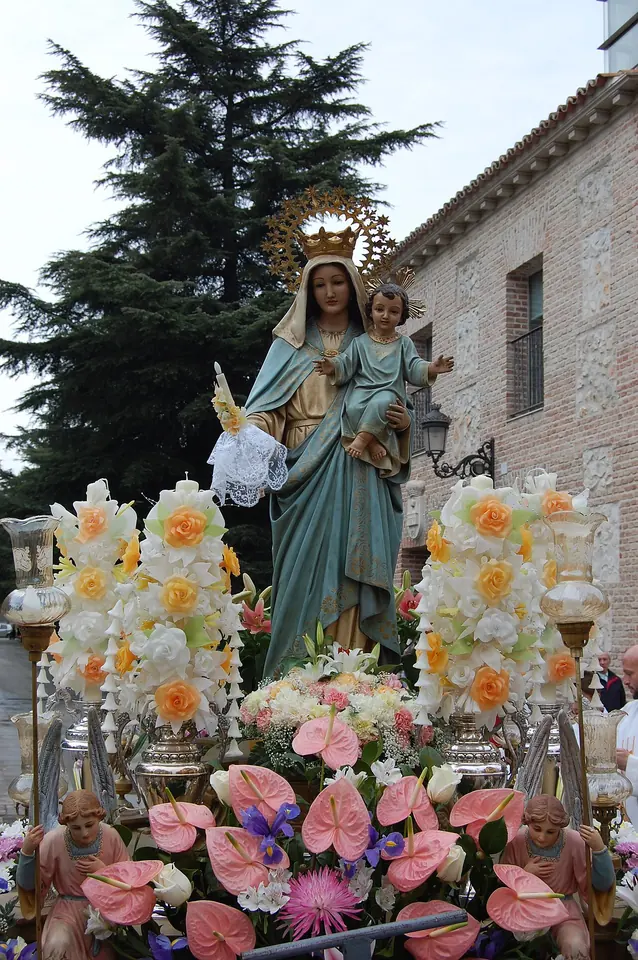
In Spain, the Canary Islands and much of Latin America, Candlemas is also the feast of the Virgin of Candelaria, "Our Lady of the Candles," shown holding the Christ Child and a candle. Towns carry her statue in procession through the streets. She is the patron of the Canary Islands, where her basilica stands at Candelaria on Tenerife.

Saints connected with Candlemas
- St. Simeon, the "God-receiver," whose canticle gives the feast its candles. The Eastern churches honor him with the prophetess Anna on February 3.
- The Blessed Virgin Mary, who presented her son and heard Simeon's prophecy of the sword.
- St. Joseph, who brought the poor family's offering of two birds.
- St. Blaise, whose February 3 blessing of throats uses the Candlemas candles.
- St. Brigid, whose feast on February 1 opens the same week in Ireland.
- St. John of Damascus, who wrote the procession antiphon Adorna thalamum.
Prayers for Candlemas
The prayer of the day is Simeon's own, the Nunc dimittis printed above. Catholics also pray the fourth Joyful Mystery of the Rosary, the Presentation, on this day. The Catholic Culture site publishes the full Mass texts and blessing of candles for the feast.
Frequently asked questions
What is Candlemas?
Candlemas is the feast of February 2 that celebrates the presentation of the infant Jesus in the Temple in Jerusalem, told in Luke 2:22–40. It is also called the Presentation of the Lord, the Purification of the Blessed Virgin Mary and, in the East, the Meeting of the Lord. The name comes from the blessing of candles on that day, because Simeon called Jesus "a light to the revelation of the Gentiles."
When is Candlemas 2027?
Candlemas falls on Tuesday, February 2, 2027. It is always February 2, forty days after Christmas. When February 2 falls on a Sunday, the Catholic feast takes the place of the Sunday. Orthodox churches that follow the Julian calendar keep it on February 15.
Why is it called the Presentation of the Lord?
Under the Law of Moses a firstborn son was consecrated to God and a mother offered a sacrifice for her purification forty days after the birth of a boy. Luke says Mary and Joseph brought Jesus to the Temple "to present him to the Lord." Until 1969 the Roman calendar called the feast the Purification of the Blessed Virgin Mary; Paul VI wrote in 1974 that it had been "given back its ancient name, the Presentation of the Lord."
What do you do with Candlemas candles?
Catholics take blessed candles home and light them during prayer, in storms and times of danger, at the bedside of the sick and dying, and on feast days. Parishes use them at the altar through the year, and the day after Candlemas many priests use blessed candles for the blessing of throats on St. Blaise's day.
Is Groundhog Day related to Candlemas?
Yes. Old European weather lore said a sunny Candlemas meant more winter. Chambers' Book of Days (1864) records a German saying that the badger peeps out of his hole on Candlemas and goes back in if he sees the sun. German settlers brought the idea to Pennsylvania, and the Punxsutawney Groundhog Club, whose first trek to Gobbler's Knob was in 1887, traces its tradition to Candlemas beliefs.
Why do the French eat crêpes on Candlemas?
In France, Belgium and French-speaking Switzerland, February 2 (La Chandeleur) is the day for crêpes. Their round, golden shape is often said to recall the returning sun. A popular custom is to flip the first crêpe with a coin held in the other hand for luck in the coming year. These are folk customs, not Church rites.
Why do Mexicans eat tamales on Día de la Candelaria?
On January 6, families share a rosca de reyes, a ring-shaped bread with a tiny figure of the baby Jesus baked inside. Whoever finds the figure hosts a tamale supper on February 2. Families also dress their statue of the Christ Child, the Niño Dios, in new clothes and bring it to church to be blessed.
Sources
- Catholic Encyclopedia (1908): Candlemas
- Luke, chapter 2 (Douay-Rheims Bible)
- The Pilgrimage of Etheria, translated by M. L. McClure and C. L. Feltoe, 1919 (CCEL)
- Paul VI, Marialis Cultus (1974), on the feast's ancient name
- John Paul II, Message for the First World Day for Consecrated Life (1997)
- Chambers, The Book of Days (1864): February 2, Candlemass
- Punxsutawney Groundhog Club: History and Past Predictions
- America Magazine: What is Candlemas, and who is making the tamales this year? (2019)
- French Library: La Chandeleur, more than an excuse to eat crêpes?
- Catholic Culture: Feast of the Presentation of the Lord