St. Marianne Cope

St. Marianne Cope (1838 to 1918) was a German-born American Franciscan sister from Syracuse, New York, who founded hospitals and in 1883 led six sisters to Hawaii to care for people with leprosy (Hansen's disease). She spent her last thirty years at Kalaupapa on Molokai, where she nursed St. Damien before his death. She was canonized in 2012, and her feast is January 23.
Who was St. Marianne Cope?
Marianne Cope was a Franciscan sister who ran hospitals in upstate New York and then gave the last thirty-five years of her life to people with leprosy in Hawaii. When she sailed for Honolulu in 1883 she expected to stay a few months. She never went back. She worked first in Honolulu and on Maui, and from 1888 at Kalaupapa, the isolated settlement on Molokai where the Kingdom of Hawaii exiled people with the disease now called Hansen's disease. She died there in 1918.
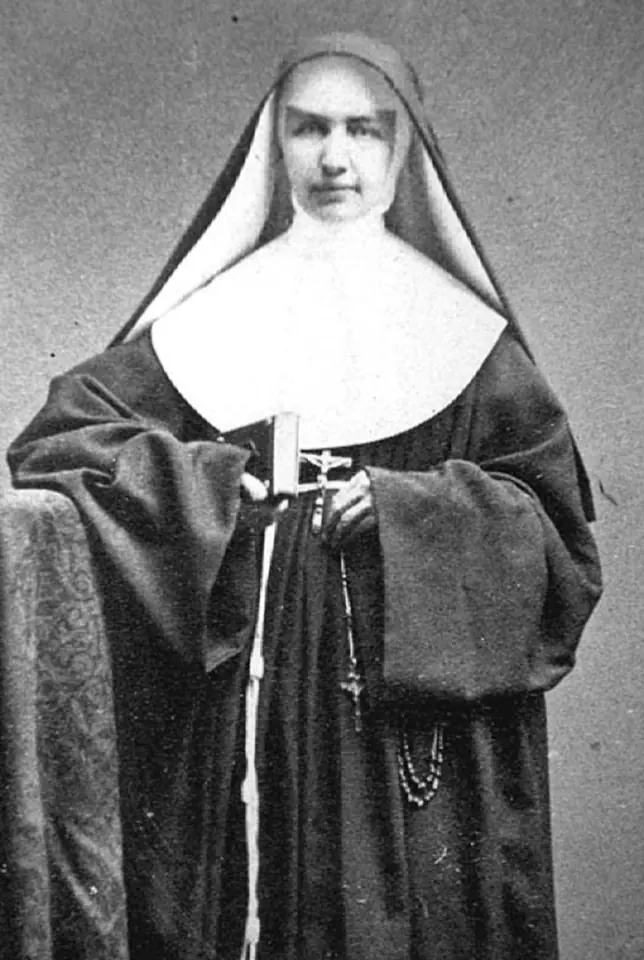

At her canonization in 2012, Pope Benedict XVI called her "a shining and energetic example of the best of the tradition of Catholic nursing sisters and of the spirit of her beloved Saint Francis."
From Heppenheim to Syracuse
She was born Barbara Koob on January 23, 1838, in Heppenheim in Hesse, Germany. The next year her family emigrated to Utica, New York, where the name became Cope. As the oldest child, she left school and went to work in a factory when her father became too ill to support the family. In 1862, after his death, she entered the Sisters of the Third Order Regular of St. Francis in Syracuse and took the name Marianne.
She taught in schools for German immigrants, then turned to nursing. The Saint Marianne Cope Shrine and Museum says she helped open two of the first Catholic hospitals in central New York, St. Elizabeth's in Utica and St. Joseph's in Syracuse. For St. Joseph's, she and a few sisters bought a former saloon and turned it into a hospital that took patients "regardless of race, ethnicity, religion, or economic means," with rules on patients' rights and cleanliness that were new for the time.
Hawaii and Molokai
The call to Hawaii
By 1883 Mother Marianne was superior general of her congregation. A plea came from Hawaii for sisters to nurse people with leprosy. Pope Benedict said she "willingly embraced a call to care for the lepers of Hawaii after many others had refused." She went herself with six sisters, and they reached Honolulu in November 1883.
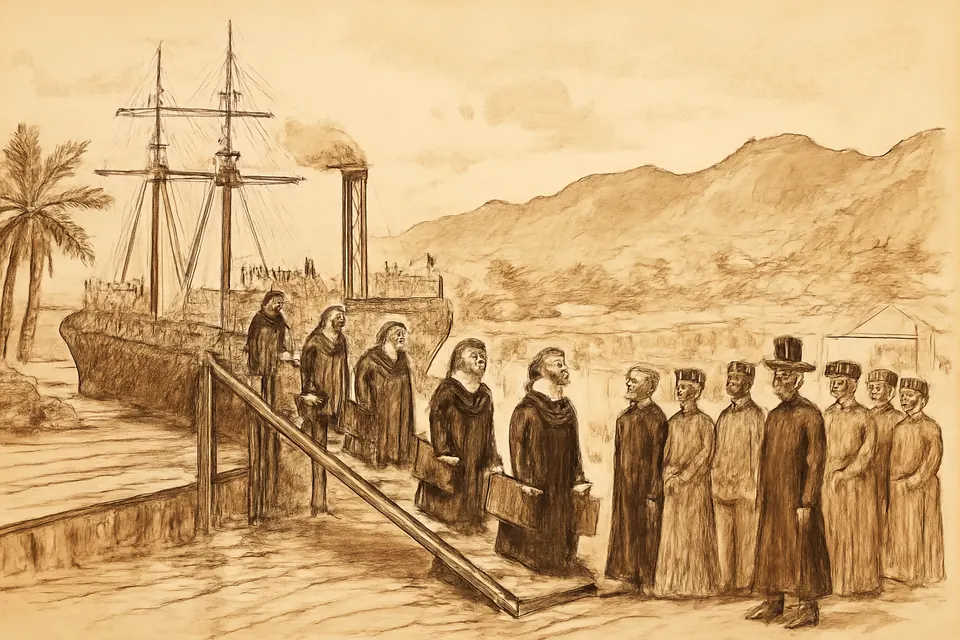
The sisters took over the Kakaako Branch Hospital in Honolulu, where patients were held before being sent to Molokai. Mother Marianne also opened Malulani Hospital, the first general hospital on Maui, and the Kapiolani Home for the healthy daughters of patients, named for Queen Kapiolani.


Kalaupapa and Father Damien
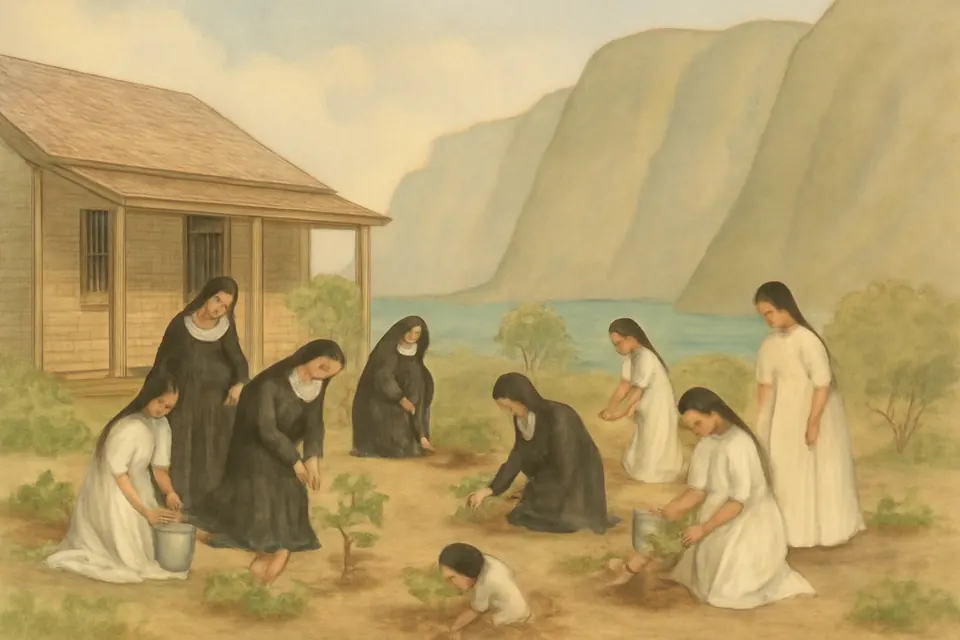
In 1888 she accepted the hardest assignment: a home for women and girls at Kalaupapa itself. The shrine's novena preserves her answer: "We will cheerfully accept the work." She moved there with other sisters in November 1888 and ran the Bishop Home for women and girls. She made the place as much a home as a hospital, with gardens, music, sewing and games.
At Kalaupapa she met again St. Damien of Molokai, the Belgian priest who had served the settlement since 1873 and now had leprosy himself. Earlier, when Damien was shunned in Honolulu, she had welcomed him. She nursed him in his last months, and after he died on April 15, 1889, she also took charge of the home for boys he had founded until a permanent replacement came.


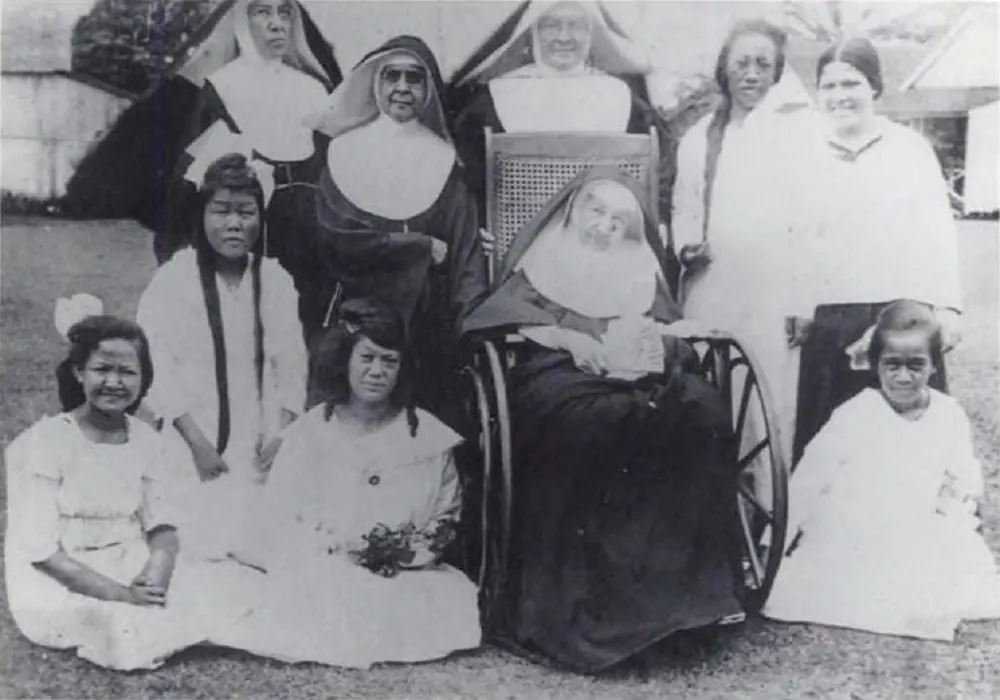
She lived at Kalaupapa for thirty years. She never caught the disease. The shrine in Syracuse points to her innovations in infection control and hospital cleanliness, learned in her years running hospitals in New York. She died on August 9, 1918, at the age of 80, and was buried on the grounds of the Bishop Home.

The miracles of St. Marianne Cope
Two miracles were approved by the Church after investigation by the Congregation for the Causes of Saints, both in Syracuse.
- Kate Mahoney (1993): a 14-year-old girl gravely ill with multiple organ failure after treatment for cancer recovered after prayers for Mother Marianne's intercession. This was the miracle for her beatification by Pope Benedict XVI on May 14, 2005.
- Sharon Smith (2005): a Syracuse-area woman hospitalized for nearly a year with pancreatitis, which had eaten through part of her digestive tract. Catholic News Service reported that a sister pinned a bag of soil from Mother Marianne's grave at Kalaupapa to her hospital gown while friends prayed to her. Smith recovered fully. Pope Benedict approved the miracle in December 2011.
She was canonized in St. Peter's Square on October 21, 2012, the same day as St. Kateri Tekakwitha.
Symbols of St. Marianne Cope in art
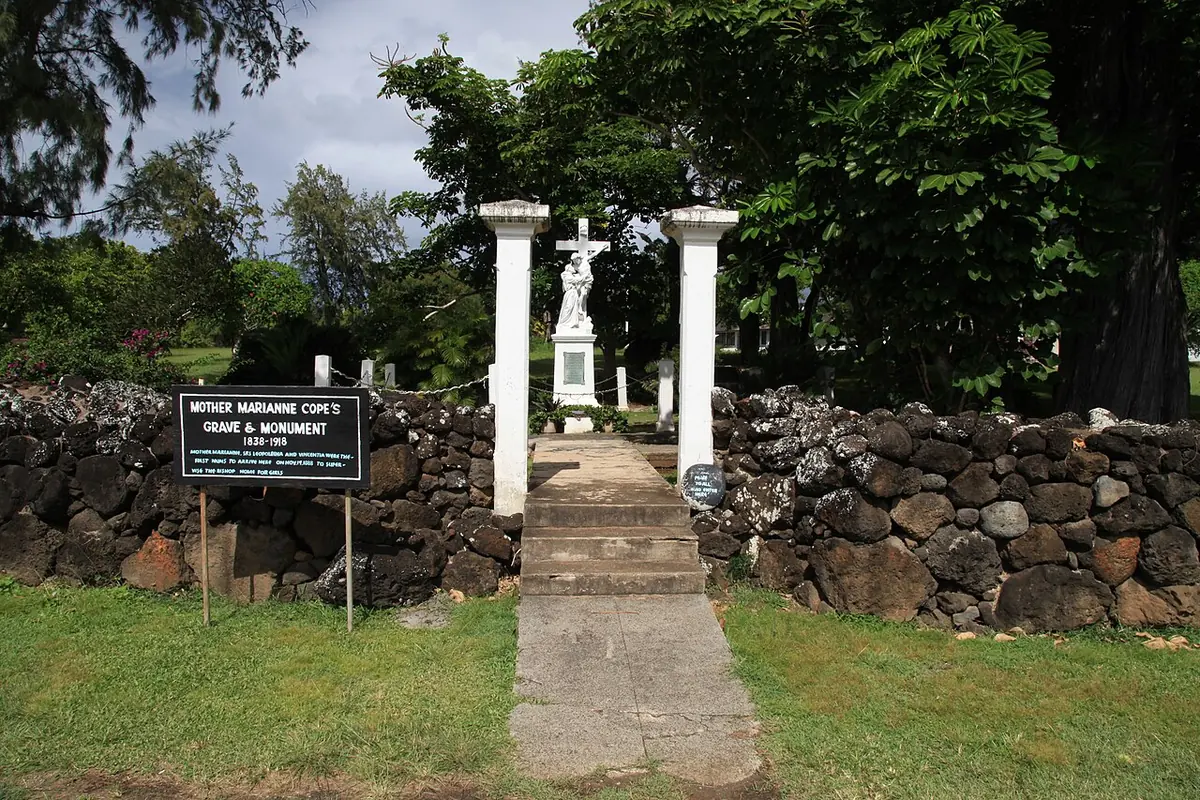
Because she lived in the age of photography, most images of her are based on real photographs. She appears in the black habit and stiff white wimple of the Syracuse Franciscans, often with a rosary and crucifix at her side. A bronze statue of her stands in Honolulu, and her grave monument at Kalaupapa is a white statue between two pillars.

Where St. Marianne is honored
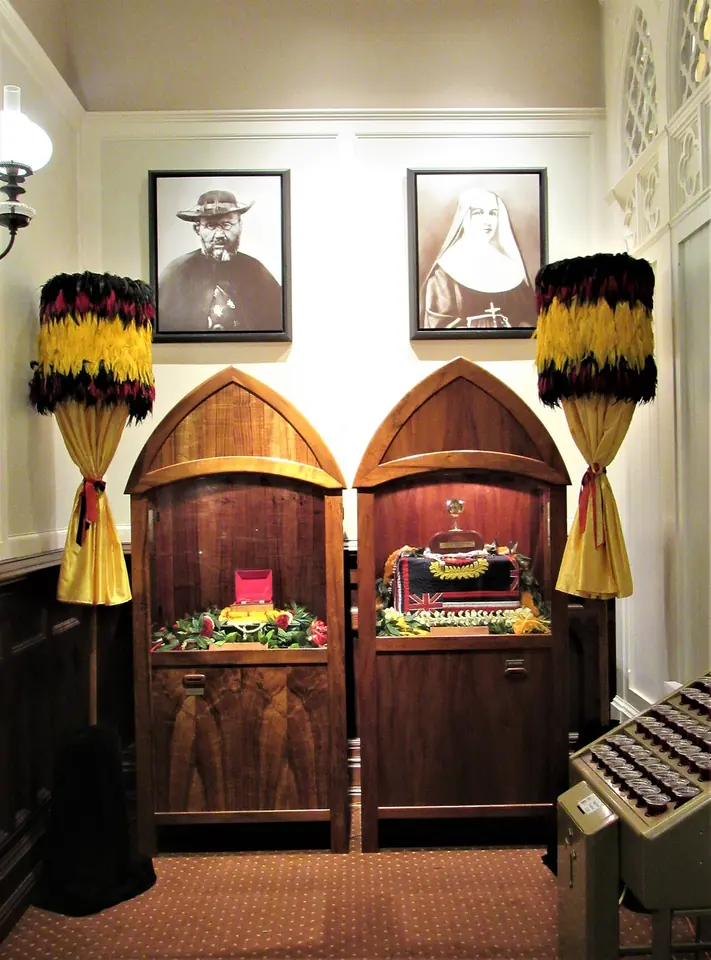
Her remains were taken from Kalaupapa to the Syracuse motherhouse in 2005. On July 31, 2014, they were brought back to Hawaii and enshrined in the Cathedral Basilica of Our Lady of Peace in Honolulu, the church where she first worshiped on arriving in 1883. The Hawaii Catholic Herald reported nearly 700 people at the ceremony. A first-class relic stays in Syracuse at the Saint Marianne Cope Shrine and Museum, which opened in 2014 beside St. Joseph's Hospital.

Kalaupapa is now a national historical park, where access is restricted, and her first grave and monument remain there. Her feast is kept on January 23. See our feast days calendar.


Prayer to St. Marianne Cope
The Saint Marianne Cope Shrine and Museum publishes a novena and this prayer for her intercession:
Lord Jesus, you who gave us your commandment of love of God and neighbor, and identified yourself in a special way with the most needy of your people, hear our prayer.
Faithful to your teaching, St. Marianne Cope loved and served her neighbor, especially the most desolate outcast, giving herself generously and heroically for those afflicted by leprosy. She alleviated their physical and spiritual sufferings, thus helping them to accept their afflictions with patience.
Her care and concern for others manifested the great love you have for us. Through her merits and intercession, grant us the favor which we confidently ask of you so that the people of God, following the inspiration of her life and apostolate, may practice charity towards all according to your word and example. Amen.
The same novena quotes her own words: "I do not think of reward. I am working for God and do so cheerfully."
Frequently asked questions
What miracles led to St. Marianne Cope's canonization?
Two healings in Syracuse approved by the Church. In 1993 Kate Mahoney, a 14-year-old with multiple organ failure, recovered after prayers to Mother Marianne; this miracle led to her beatification in 2005. In 2005 Sharon Smith, near death from pancreatitis, recovered completely after friends and sisters asked Marianne's intercession; this was the miracle for her canonization in 2012.
Did Marianne Cope ever catch leprosy?
No. Despite thirty years of close contact with patients at Kalaupapa, she never developed Hansen's disease. The Saint Marianne Cope Shrine and Museum credits her careful practices of infection control and cleanliness.
Where is St. Marianne Cope buried?
She was first buried at Kalaupapa. In 2005 her remains were taken to her congregation's motherhouse in Syracuse, and on July 31, 2014, they were enshrined in the Cathedral Basilica of Our Lady of Peace in Honolulu. A first-class relic remains at the Saint Marianne Cope Shrine and Museum in Syracuse.
When is St. Marianne Cope's feast day?
January 23, the day she was born in 1838. Her congregation and the dioceses of Honolulu and Syracuse keep it.
Sources
- Benedict XVI, Homily at the Canonization Mass, 21 October 2012
- Saint Marianne Cope Shrine and Museum: Her Life and Legacy
- Saint Marianne Cope Shrine and Museum: Her Prayer and Novena
- Saint Marianne Cope Shrine and Museum: About the Museum
- National Catholic Reporter: Church says N.Y. woman is source of Blessed Marianne Cope's miracle (2011)
- CatholicPhilly (CNS): People need to believe in miracles, says woman cured of infection (2012)
- WAER: Syracuse remembers St. Marianne Cope on the 10th anniversary of her canonization (2022)
- Hawaii Catholic Herald: The 'mana' of St. Marianne: Saint's remains welcomed home (2014)
- Sisters of Saint Francis of the Neumann Communities