Pope St. Paul VI
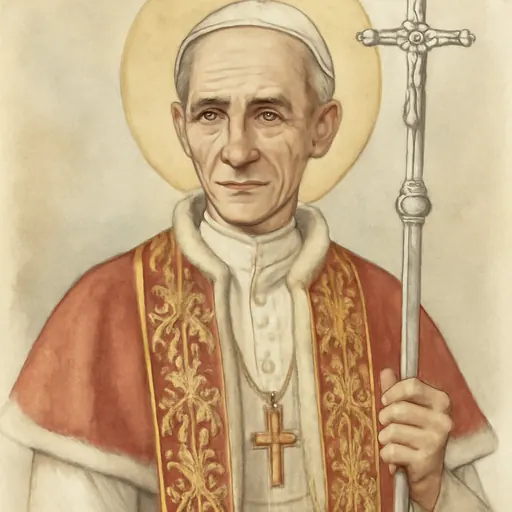
St. Paul VI (1897–1978), born Giovanni Battista Montini near Brescia, was a Vatican diplomat and archbishop of Milan who was elected pope in 1963. He carried the Second Vatican Council to its close, became the first pope in modern times to travel the world, and wrote Humanae vitae. He was canonized in 2018, and his feast day is May 29.
Who was St. Paul VI?
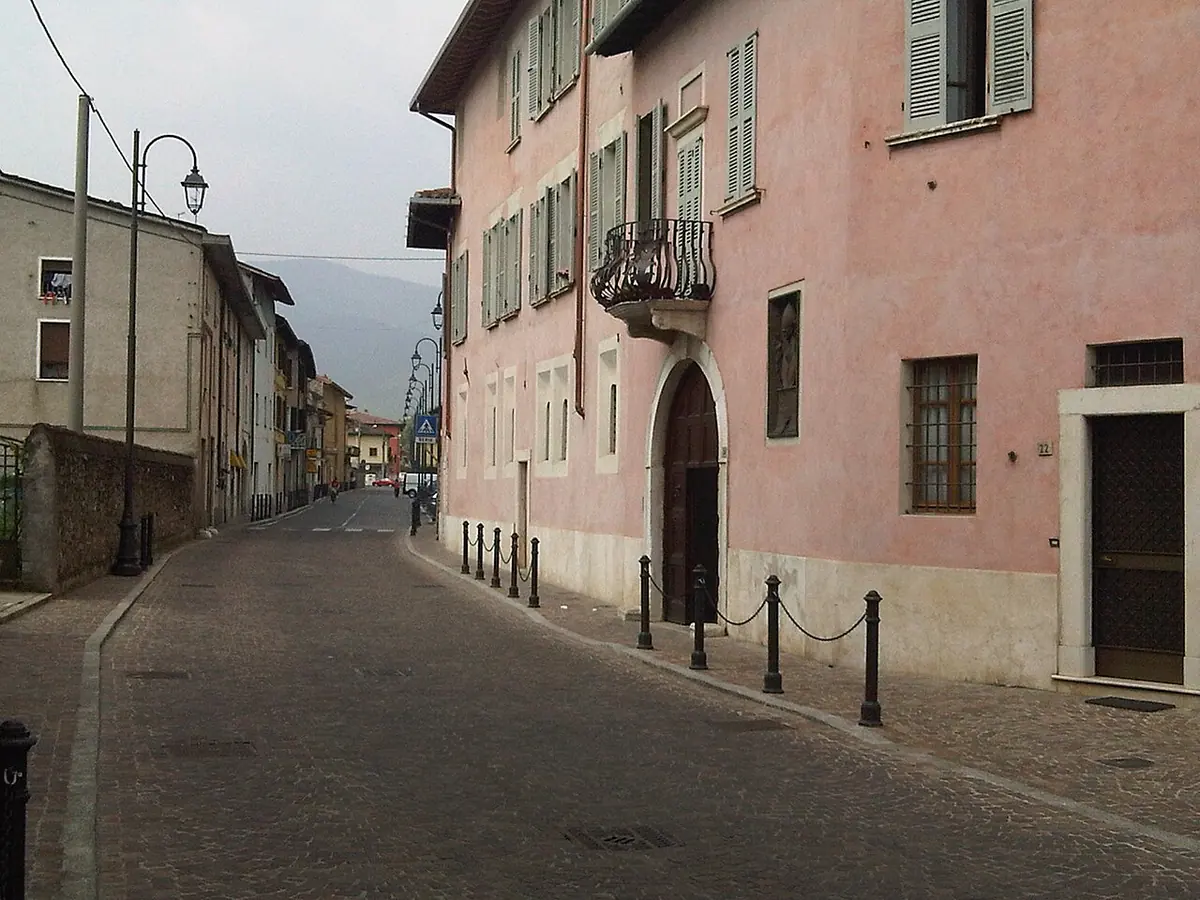
Giovanni Battista Montini was born in 1897 in Concesio, near Brescia in northern Italy, the second child of Giorgio Montini and Giuditta Alghisi. He spent most of his career as a Vatican diplomat and official, then eight years as archbishop of Milan. Elected pope on June 21, 1963, after the death of St. John XXIII, he took the name Paul and led the Church for fifteen years of upheaval, until his death in 1978.
Pope Francis, canonizing him in 2018, called him the "wise helmsman" of the Second Vatican Council and "a prophet of a Church turned outwards." The official biography of the Dicastery for the Causes of Saints describes a reserved man, humble and gentle, whose public severity hid an intense life of prayer.


The life of St. Paul VI
A frail boy from Brescia
Montini's health was poor, and he followed his seminary courses as a day student. He was ordained a priest on May 29, 1920, and sent to Rome for further study. In 1923 he spent four months at the papal nunciature in Warsaw before the cold climate sent him home. From 1924 he worked in the Vatican Secretariat of State, and for years he was also chaplain to FUCI, the federation of Catholic university students, until he was forced out in 1933.

In the Secretariat of State
In 1937 Pius XI made him Substitute of the Secretariat of State, one of the most senior posts in the Curia. During the Second World War he ran the Vatican Information Office, which searched for prisoners of war and missing civilians, and, the Vatican says, he worked to help refugees and Jews in Rome.
Archbishop of Milan
In November 1954 Pius XII named him archbishop of Milan, the see of St. Ambrose and St. Charles Borromeo. He faced a fast-growing industrial city, mass immigration from the south and the pull of Marxism among workers. He organized a great city-wide mission in 1957 and built 123 new churches for the new neighborhoods. John XXIII made him a cardinal in December 1958.

Pope of the Council
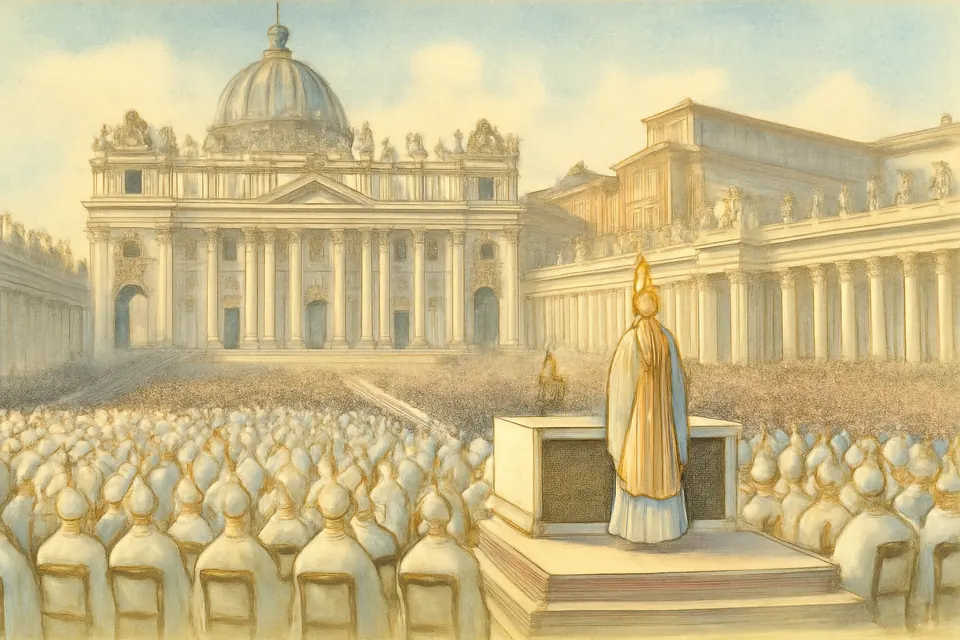
Elected on June 21, 1963, he chose the name Paul, as he wrote in a private note, out of admiration for the apostle who carried the Gospel to the whole world of his time. He reopened the Council that John XXIII had begun and guided its three remaining sessions to their close in 1965. Then came the harder work of putting it into practice, including the reform of the liturgy and of the Roman Curia.
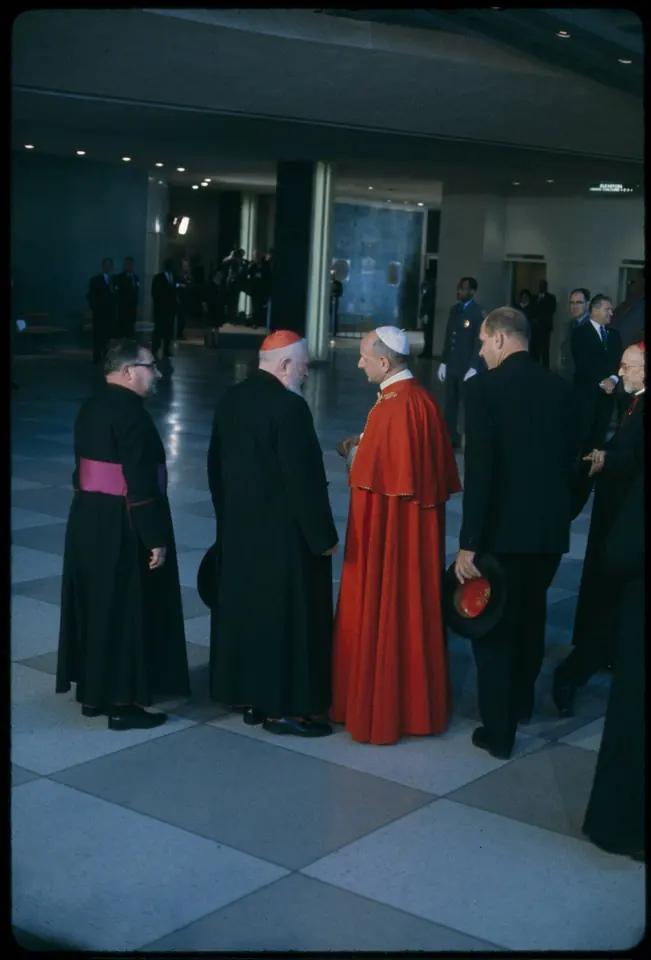
He was the first pope of modern times to travel widely: to the Holy Land in 1964, where he met the Ecumenical Patriarch Athenagoras, to the United Nations in New York, and to Portugal, Turkey, Colombia, Uganda, Asia and Oceania. In Manila, on November 27, 1970, he survived an attack and was slightly wounded. He also founded the World Day of Peace, celebrated each January 1.

His writings include Ecclesiam suam (1964), on dialogue; Populorum progressio (1967), on the development of peoples; Humanae vitae (1968), on married love and birth regulation, which reaffirmed the Church's teaching against contraception and met both strong dissent and strong support; and Evangelii nuntiandi (1975), on evangelization. In his 1975 exhortation on Christian joy, Gaudete in Domino, he wrote: "It is indeed in the midst of their distress that our fellow men need to know joy, to hear its song."
He died at Castel Gandolfo on the evening of August 6, 1978, after a brief illness. The Dicastery's biography says he died while praying the Our Father.


The miracles of St. Paul VI
Both of his miracles concern unborn children, and both are approved:
- For his beatification: the healing of an unborn child in the United States in 2001, in a high-risk pregnancy. The Vatican's medical board found it scientifically inexplicable in December 2013, and Pope Francis approved the decree in May 2014. He beatified Paul VI on October 19, 2014.
- For his canonization: another high-risk pregnancy, expected to end badly, which ended with the birth of a healthy girl on Christmas Day 2014. The diocesan inquiry took place in Verona in 2017, the medical board agreed unanimously that October, and the cardinals and bishops confirmed it in February 2018.
Pope Francis canonized him on October 14, 2018, in St. Peter's Square, together with Archbishop Óscar Romero and five others.
Patronage
Paul VI has no widely recognized patronage yet. His home town of Concesio honors him as its patron, and institutions named for him, including schools and the Paul VI Audience Hall in the Vatican, keep his memory. See our patron saints page for others.
Symbols of St. Paul VI in art
As a pope of the photographic age, Paul VI is known mostly from photographs, like those on this page. Painted and devotional images show a slender, thin-faced pope with a high forehead, in white or in a red cape, often holding the tall silver pastoral staff topped with a crucifix that he carried. Some images add the documents of the Council or a dove for the World Day of Peace. This encyclopedia does not use realistic AI portraits of modern saints, so the portrait on this page is a watercolor holy card.
Feast day and tomb
His memorial is May 29, the anniversary of his ordination, added to the General Roman Calendar as an optional memorial in 2019 (see our feast days page).
His grave in the Vatican Grottoes under St. Peter's is a plain slab set in the floor.


Prayer to St. Paul VI
This encyclopedia has not found a widely used traditional prayer to St. Paul VI with a documented origin. Catholics celebrate the Mass of his memorial on May 29 and ask his intercession in their own words, especially for the Church, for peace and for mothers facing difficult pregnancies.
Frequently asked questions
What miracles led to St. Paul VI's canonization?
Both were high-risk pregnancies. For his beatification, the Church approved the healing of an unborn child in the United States in 2001, judged scientifically inexplicable by the Vatican's medical board in 2013. For his canonization, it approved the case of a baby girl born healthy on Christmas Day 2014 after a pregnancy doctors expected to end badly; the inquiry was held in Verona.
Why is St. Paul VI's feast day May 29?
May 29 is the anniversary of his ordination to the priesthood in 1920. He died on August 6, the feast of the Transfiguration, so the Church chose his ordination day for the memorial instead.
What was Humanae vitae?
Paul VI's 1968 encyclical on married love and the regulation of births. It reaffirmed the Catholic Church's teaching against artificial contraception. It drew strong disagreement from some Catholics and strong support from others, and it remains the best-known document of his pontificate.
Where is St. Paul VI buried?
In the Vatican Grottoes under St. Peter's Basilica, in a plain grave set in the floor rather than an ornate tomb.