St. Irenaeus of Lyon
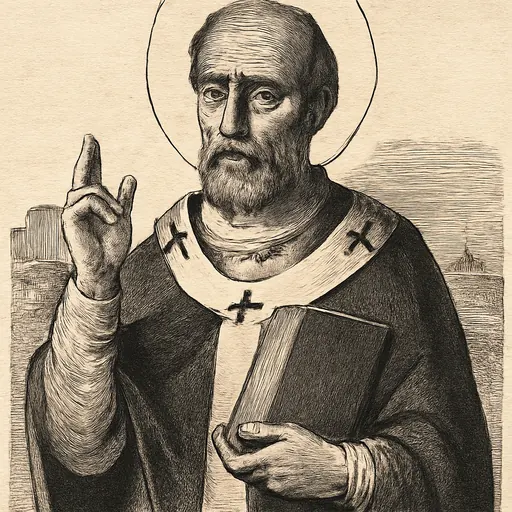
St. Irenaeus (about 130–202) was a Greek-speaking Christian from Asia Minor who heard St. Polycarp preach as a boy and became the second bishop of Lyon, in Roman Gaul. His five books Against Heresies defended the faith handed down from the apostles against the Gnostics, and in 2022 Pope Francis named him a Doctor of the Church with the title Doctor of Unity. His feast day is June 28.
Who was St. Irenaeus?
Irenaeus was a bishop of Lyon, in Roman Gaul, in the late 2nd century, and one of the most important Christian writers between the apostles and the Council of Nicaea. He grew up in Asia Minor, where as a boy he listened to St. Polycarp, the aged bishop of Smyrna who had known the apostle John. He then went west, served the church of Lyon through a fierce persecution, and became its bishop.
His great work, Against Heresies, took apart the Gnostic systems that were drawing Christians away in his day and set out what the Church had received from the apostles. Pope Benedict XVI called him "the first great Church theologian who created systematic theology." In 2022 Pope Francis declared him a Doctor of the Church with the title Doctor unitatis, Doctor of Unity.
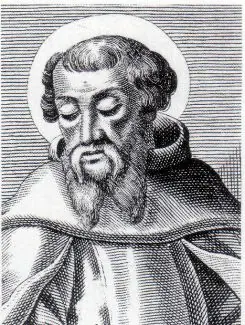

We know little about his life, and the Catholic Encyclopedia admits that the information is "scarce, and in some measure inexact." What we have comes from his own writings, from Eusebius of Caesarea's Church History (written in the early 4th century) and from the traditions of the church of Lyon. Quotations from Against Heresies below are from the translation by Alexander Roberts and William Rambaut in the Ante-Nicene Fathers (1885).
The life of St. Irenaeus
A boy at Polycarp's feet
Irenaeus was born in Asia Minor, probably at Smyrna, now Izmir in Turkey. Benedict XVI dated his birth to about 135–140; other scholars put it as early as 115. His name means "peaceful" in Greek.
Years later, writing to a former friend named Florinus who had drifted toward Gnostic ideas, Irenaeus recalled what he had seen as a boy. Eusebius preserved the letter (Church History V.20, McGiffert's translation):
I remember the events of that time more clearly than those of recent years. For what boys learn, growing with their mind, becomes joined with it; so that I am able to describe the very place in which the blessed Polycarp sat as he discoursed, and his goings out and his comings in, and the manner of his life, and his physical appearance, and his discourses to the people, and the accounts which he gave of his intercourse with John and with the others who had seen the Lord.
Through Polycarp, Irenaeus stood just two links away from the apostle John. He used that connection again and again in his arguments.
A priest in Lyon
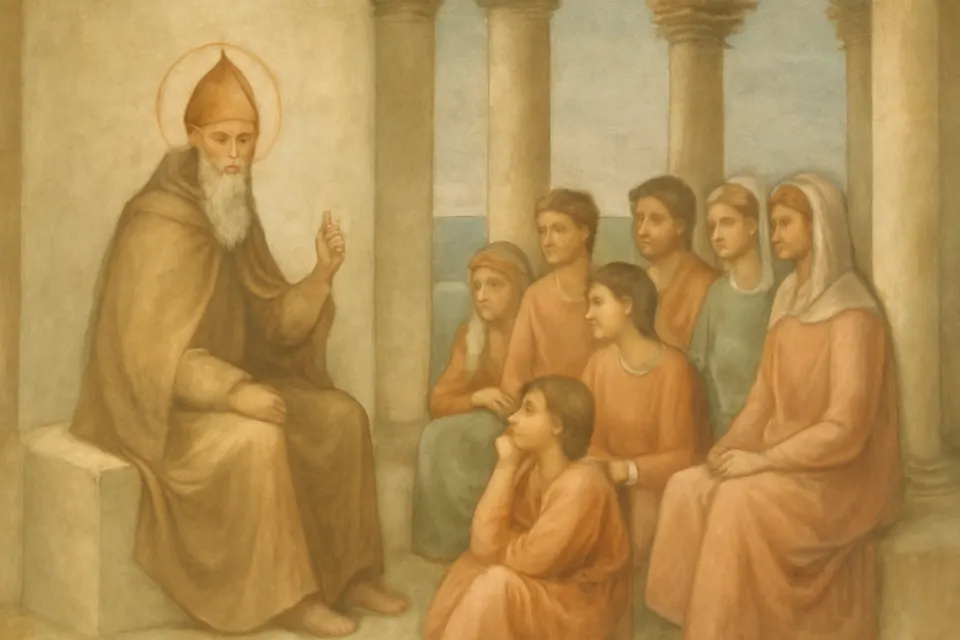
At some point Irenaeus moved to Lugdunum, the Roman capital of Gaul, now Lyon. Christians there were mostly Greek-speaking immigrants from Asia Minor, led by the elderly bishop Pothinus. Irenaeus was ordained a priest.
In 177 a violent persecution broke out in Lyon and nearby Vienne under the emperor Marcus Aurelius. Pothinus, then more than ninety, was beaten and died in prison two days later, and many others were tortured and killed in the amphitheater, among them the slave girl Blandina. While they were in prison, the confessors wrote to Pope Eleutherius in Rome about the Montanist controversy and sent the letter with Irenaeus. Eusebius copies their recommendation (V.4):
We have requested our brother and comrade Irenæus to carry this letter to you, and we ask you to hold him in esteem, as zealous for the covenant of Christ.

Bishop of Lyon
When he came back from Rome, Irenaeus was chosen to succeed Pothinus as bishop. Eusebius (V.5) says simply, "Pothinus having died with the other martyrs in Gaul at ninety years of age, Irenæus succeeded him in the episcopate of the church at Lyons." He led a small community that had just lost many of its members.

The peacemaker
Around 190, Pope Victor I threatened to cut off the churches of Asia Minor because they celebrated Easter on the 14th day of the Jewish month of Nisan rather than on a Sunday. Irenaeus kept the Sunday Easter himself, but he wrote to Victor and urged him not to break communion with whole churches over an old custom. Eusebius (V.24) puns on his name:
Thus Irenæus, who truly was well named, became a peacemaker in this matter, exhorting and negotiating in this way in behalf of the peace of the churches.
His death
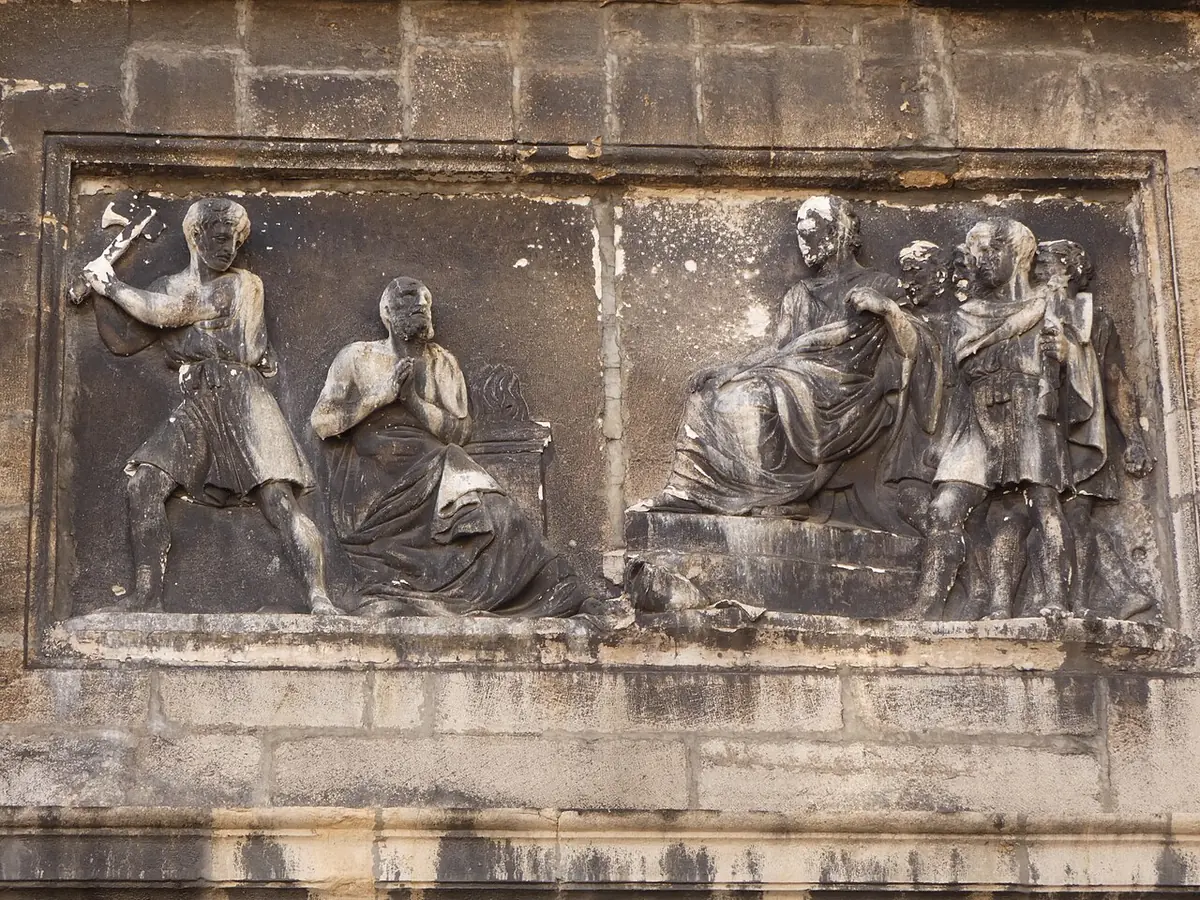
No reliable record tells how Irenaeus died. Benedict XVI dated the end of his ministry to around 202–203, "perhaps with martyrdom." The Catholic Encyclopedia found martyrdom "not very probable," despite later testimony. Lyon's tradition honors him as a martyr, and a relief on the facade of the Church of Saint-Just shows him kneeling before the sword.

Against Heresies and the faith of the apostles
Eusebius gives the full title of his main work as Refutation and Overthrow of the Knowledge Falsely So-called, usually shortened to Against Heresies (Adversus haereses). He wrote it in Greek, in five books, while Eleutherius was pope (about 175–189). Most of the Greek is lost, but the whole survives in an early Latin translation. His shorter Demonstration of the Apostolic Preaching was rediscovered in an Armenian manuscript only in 1904.
The Gnostic teachers he answered claimed secret knowledge passed on privately from Jesus. Irenaeus replied that the apostles had taught openly, and that their teaching could be found in the churches they founded, where bishops had succeeded one another in public view. He gave the Roman example, listing the bishops of Rome from Peter and Paul to Eleutherius (Book III, chapter 3):
For it is a matter of necessity that every Church should agree with this Church, on account of its preeminent authority [potiorem principalitatem].
The meaning of that sentence has been argued over by Catholics and Protestants for centuries. Irenaeus also defended the four Gospels, and only four, which is one of the earliest witnesses to the New Testament canon, and he quoted St. Ignatius of Antioch and St. Justin Martyr.


Two of his sayings are quoted more than any others. From Book IV, chapter 20:
For the glory of God is a living man; and the life of man consists in beholding God.
And from the preface to Book V, on the Incarnation, Christ "who did, through His transcendent love, become what we are, that He might bring us to be even what He is Himself."

Miracles and legends of St. Irenaeus
No miracles are attributed to Irenaeus in the early sources, and none has ever been formally investigated. His holiness has always been understood through his teaching and his care for his church.
- His martyrdom (traditional): honored in Lyon's tradition and in the liturgy, which calls him bishop and martyr, but not attested by any source close to his time.
Irenaeus himself wrote, in Book II of Against Heresies, that the gifts of the Spirit were still at work in the Church of his day. Eusebius quotes him (V.7): some Christians "drive out demons effectually and truly," others "heal the sick by the laying on of hands," and "even dead persons have been raised, and remained with us many years." Those are reported wonders in the Church at large, which Irenaeus vouched for, not miracles worked by him.
Why St. Irenaeus is the patron of Lyon and of Christian unity
Irenaeus is a patron of Lyon, where he was bishop and where his tomb was venerated for over a thousand years. He is also honored by theologians as one of the first to set out the Christian faith as a whole. Since 2022, Catholics invoke him as the Doctor of Unity: Pope Francis's decree says his name "expresses that peace which comes from the Lord and which reconciles, restoring unity," and prays that his teaching will encourage "the journey of all the Lord's disciples towards full communion." See more on our patron saints page.
Symbols of St. Irenaeus in art
Irenaeus has few fixed attributes, so he is usually recognized by name. Look for:
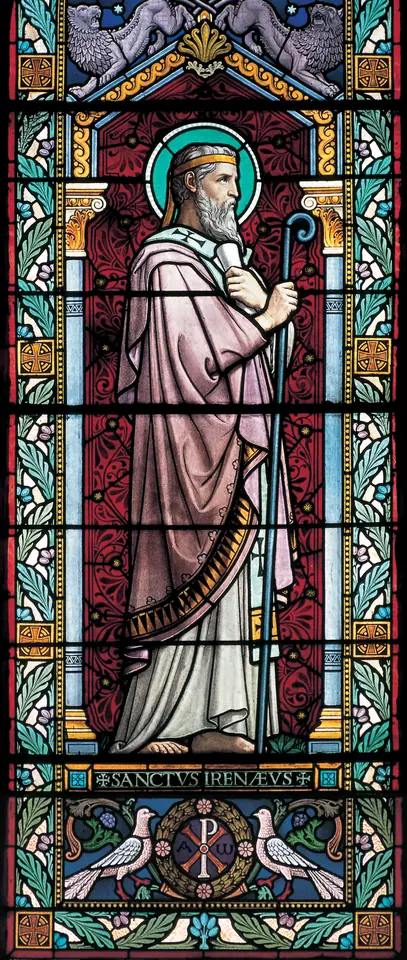
- A bishop's vestments, miter and crozier: in Western art, often an older bearded bishop.
- A book: Against Heresies.
- An omophorion with crosses: in Eastern icons, where he appears as a gray-bearded hierarch holding a Gospel book.
- A sword or a kneeling figure before a soldier: in images of his traditional martyrdom.


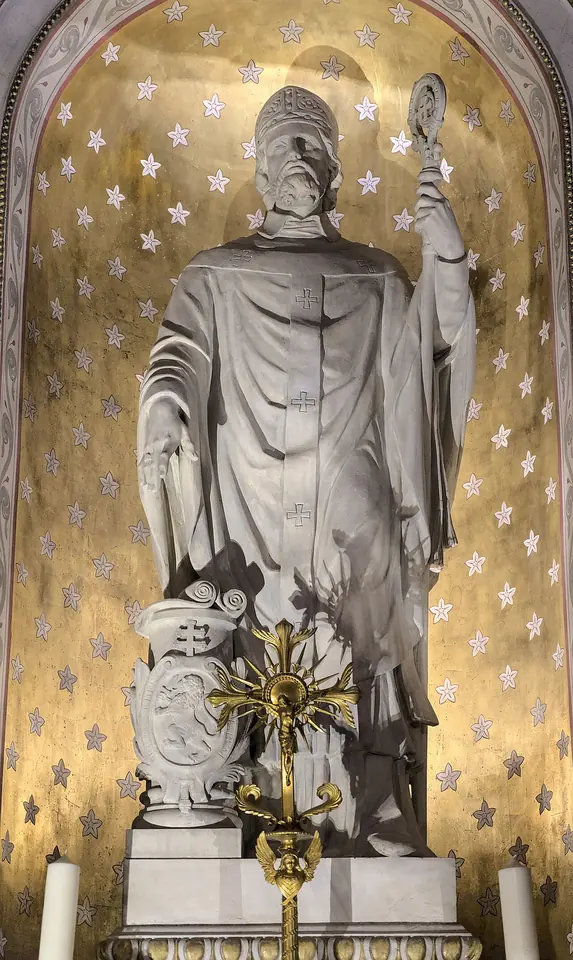
In Lyon, his figure turns up on church facades, windows and altars, from Bégule's window in his own church to the marble statue in the Church of Saint-Bruno-les-Chartreux.

Feast day and the Church of Saint-Irénée
The Catholic Church keeps his memorial on June 28, and the Greek Orthodox Church on August 23. Find his neighbors on the feast days page.
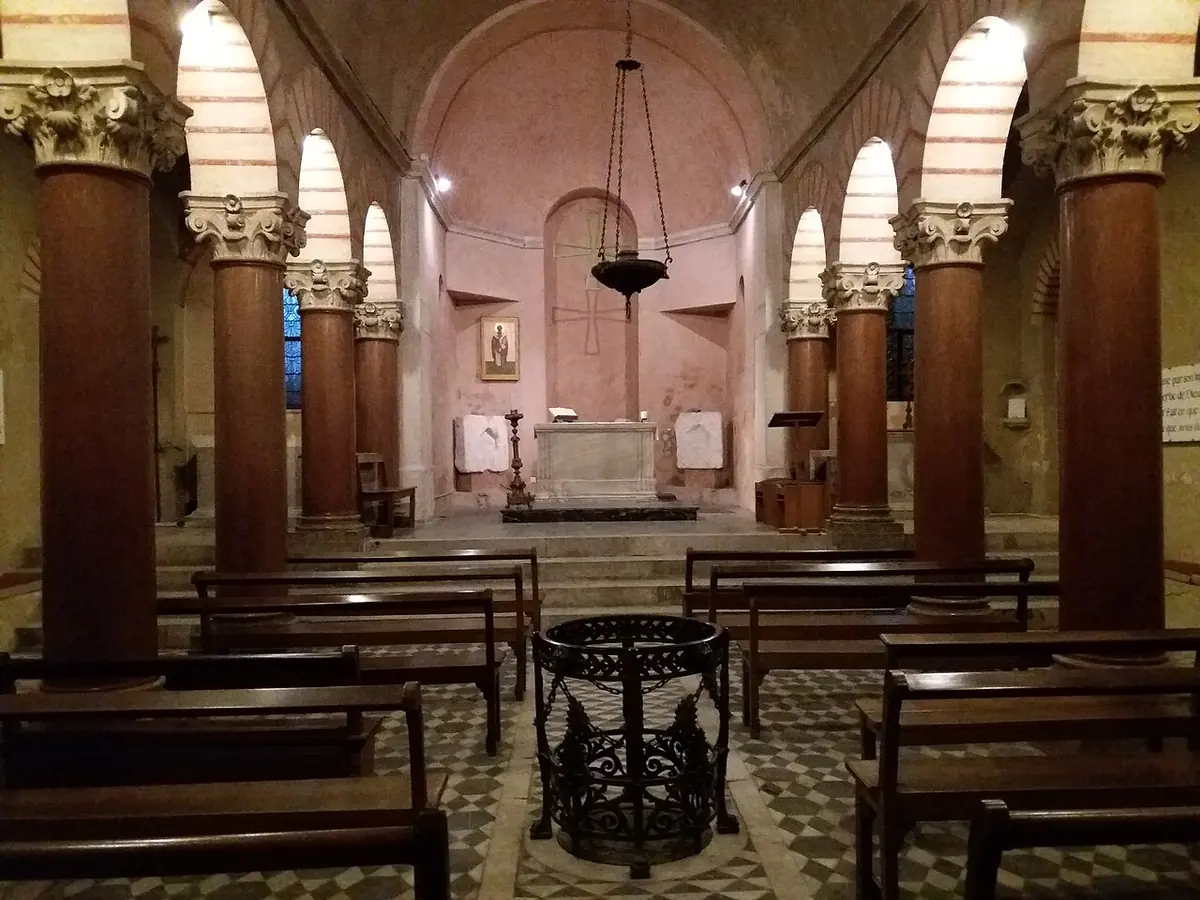
Tradition places his tomb in the crypt of what was first a basilica of St. John and is now the Church of Saint-Irénée, on the heights west of the Saône and the oldest church in Lyon, near the martyrs Epipodius and Alexander. The present crypt is mostly from the 9th century, with an arch surviving from the 5th- or 6th-century basilica. In 1562, during the Wars of Religion, Protestant troops seized Lyon, stole the relics and nearly destroyed the crypt.
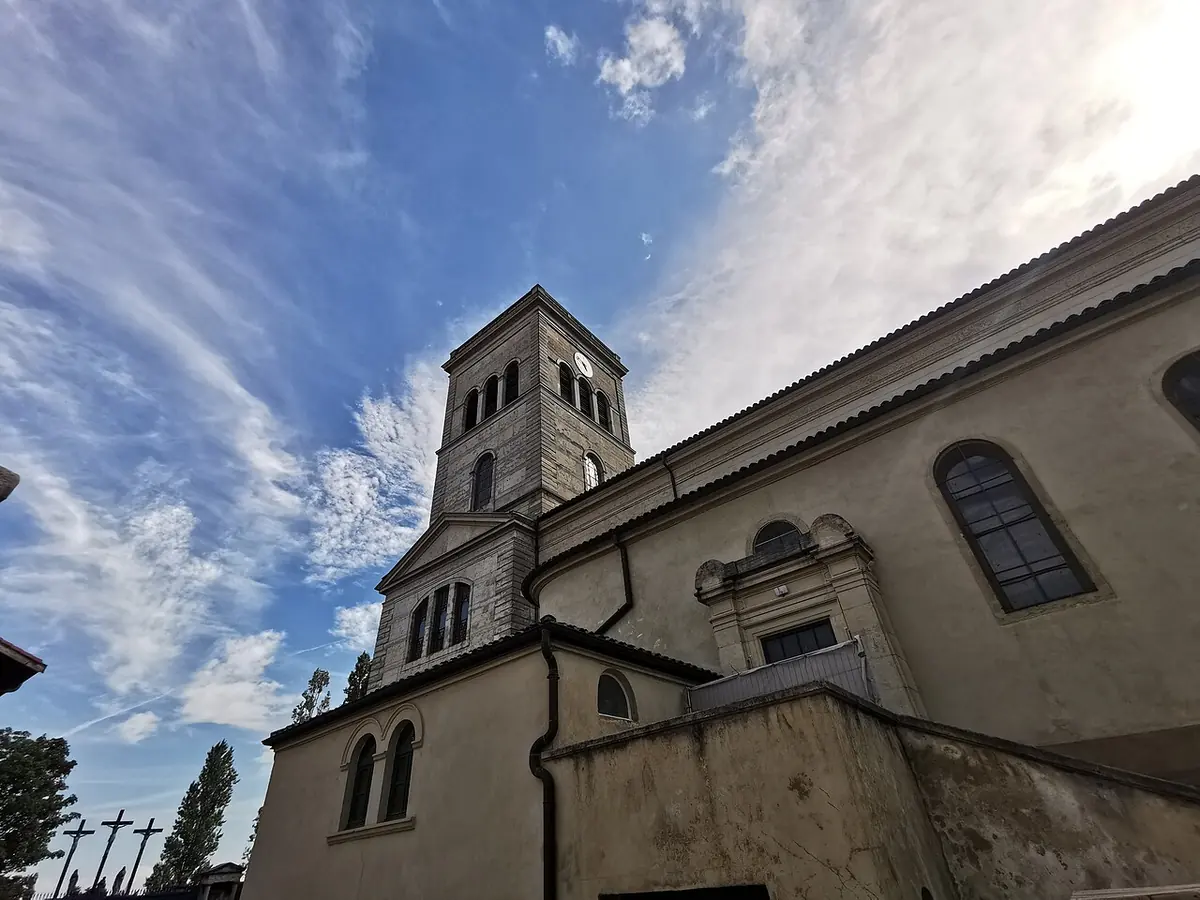

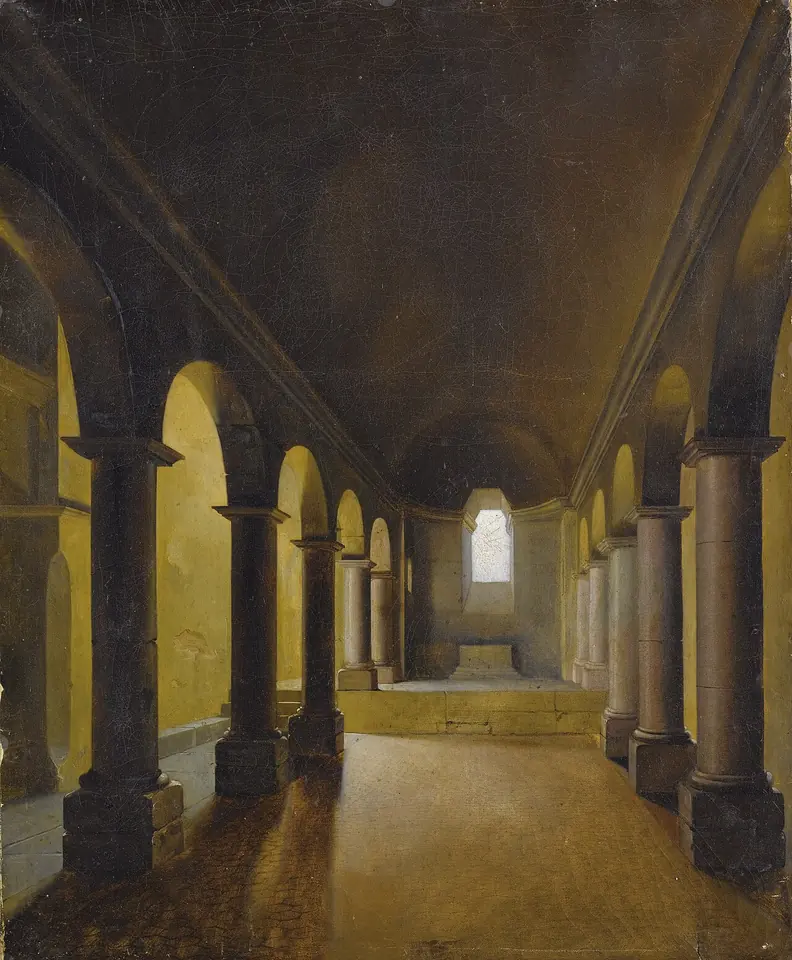

The crypt was later repaired, and archaeologists are still studying it.

Prayer to St. Irenaeus
The Collect of his memorial in the Roman Missal (English translation, 2011, as published by Catholic Culture):
O God, who called the Bishop Saint Irenaeus to confirm true doctrine and the peace of the Church, grant, we pray, through his intercession, that, being renewed in faith and charity, we may always be intent on fostering unity and concord. Through our Lord Jesus Christ, your Son, who lives and reigns with you in the unity of the Holy Spirit, God, for ever and ever.
Irenaeus also wrote a prayer of his own into Against Heresies (Book III, chapter 6), asking God to give understanding to everyone who read the book. In the Ante-Nicene Fathers translation as revised by New Advent:
Wherefore I do also call upon you, Lord God of Abraham, and God of Isaac, and God of Jacob and Israel, who is the Father of our Lord Jesus Christ, the God who, through the abundance of Your mercy, has had a favour towards us, that we should know You, who has made heaven and earth, who rule over all, who is the only and the true God, above whom there is none other God; grant, by our Lord Jesus Christ, the governing power of the Holy Spirit; give to every reader of this book to know You, that You are God alone, to be strengthened in You, and to avoid every heretical, and godless, and impious doctrine.
Catholics ask his intercession for the unity of Christians, for bishops and for theologians.
Frequently asked questions
What is St. Irenaeus known for?
For Against Heresies, a five-book refutation of the Gnostic teachers of the 2nd century, written around 180. In it he argued that the true faith is the one taught publicly by the apostles and handed down through the bishops of the churches they founded, and he gave one of the earliest lists of the bishops of Rome. Pope Benedict XVI called him the first great theologian of the Church.
Why is Irenaeus called the Doctor of Unity?
When Pope Francis declared him a Doctor of the Church on January 21, 2022, he gave him the title Doctor unitatis. The decree says Irenaeus "came from the East" and served as bishop in the West, so that "he was a spiritual and theological bridge between Eastern and Western Christians." His name comes from the Greek word for peace.
When is St. Irenaeus's feast day?
June 28 in the Catholic Church, where it is an obligatory memorial on the General Roman Calendar. The Greek Orthodox Church honors him on August 23.
Was St. Irenaeus a martyr?
Possibly, but it is not certain. Later tradition, and the liturgy of Lyon, honor him as a martyr. The Catholic Encyclopedia thought martyrdom "not very probable," and Pope Benedict XVI said only that his ministry ended around 202–203, "perhaps with martyrdom."
How was Irenaeus connected to St. Polycarp?
Irenaeus heard Polycarp, the bishop of Smyrna, preach when he was a boy. In a letter quoted by Eusebius he wrote that he could still describe "the very place in which the blessed Polycarp sat as he discoursed" and remembered Polycarp telling of his conversations with John and others who had seen the Lord.
Sources
- Catholic Encyclopedia (1910): St. Irenaeus
- Irenaeus, Against Heresies, translated by Alexander Roberts and William Rambaut (Ante-Nicene Fathers, Vol. 1, 1885), New Advent
- Against Heresies, Book III, chapter 3 (ANF)
- Against Heresies, Book IV, chapter 20 (ANF)
- Against Heresies, Book V, preface (ANF)
- Eusebius, Church History, Book V, translated by Arthur Cushman McGiffert (NPNF, Second Series, Vol. 1, 1890), New Advent
- Pope Benedict XVI, General Audience, 28 March 2007: Saint Irenaeus of Lyons
- Dicastery for Promoting Christian Unity: Saint Irenaeus of Lyon, Doctor unitatis (2022)
- Catholic Culture: Liturgical calendar for June 28 (Collect of St. Irenaeus)
- Against Heresies, Book III, chapter 6 (ANF)
- Aleteia (French): À la découverte de Saint-Irénée, plus vieille église de Lyon (2025)
- Roman Martyrology, June 28