Patron saint of students
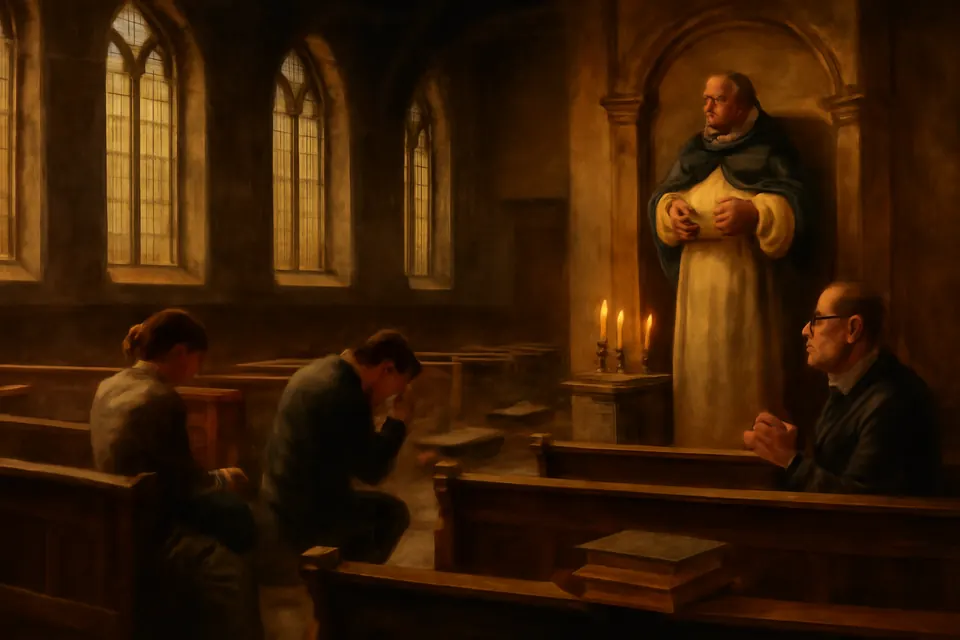
The patron saint of students is St. Thomas Aquinas, the Dominican teacher whom Pope Leo XIII named patron of all Catholic universities, colleges and schools in 1880. The patron saint of exams is St. Joseph of Cupertino, a struggling student who passed his own examinations against the odds. Students also pray to St. Isidore of Seville, St. Catherine of Alexandria and St. Albert the Great.
Patron saints of students, exams and schools
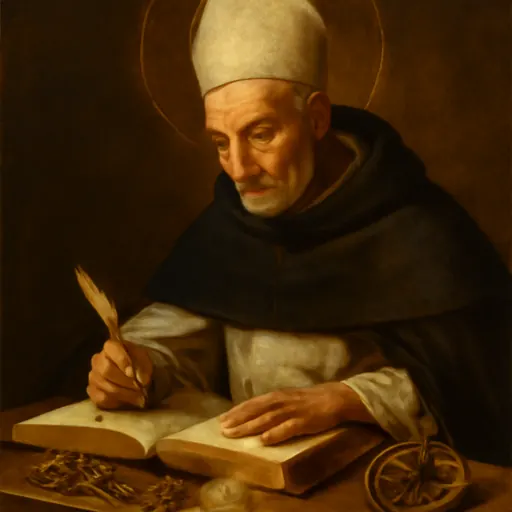 St. Albert the GreatFeast day November 15
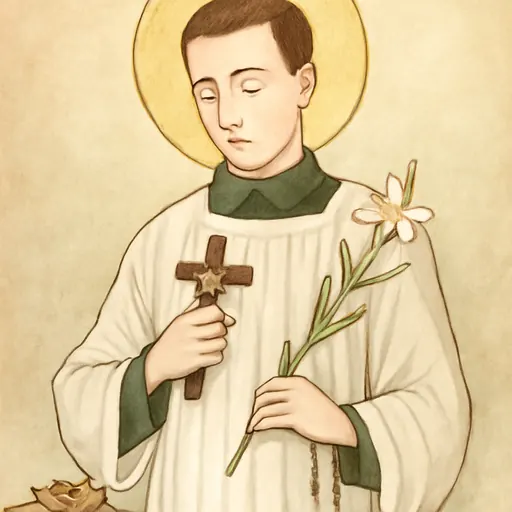 St. Aloysius GonzagaFeast day June 21
 St. Ambrose of MilanFeast day December 7
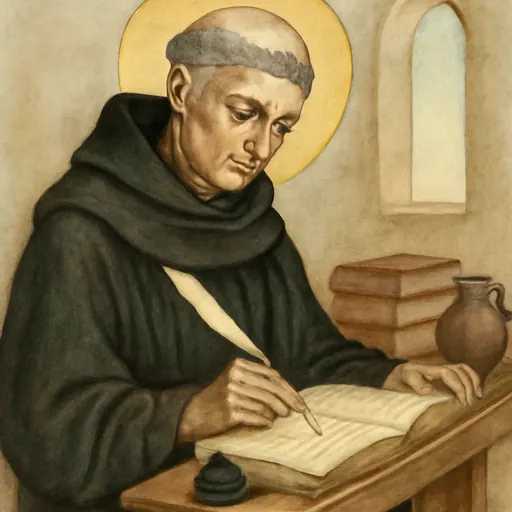 St. Bede the VenerableFeast day May 25
 St. Catherine of AlexandriaFeast day November 25
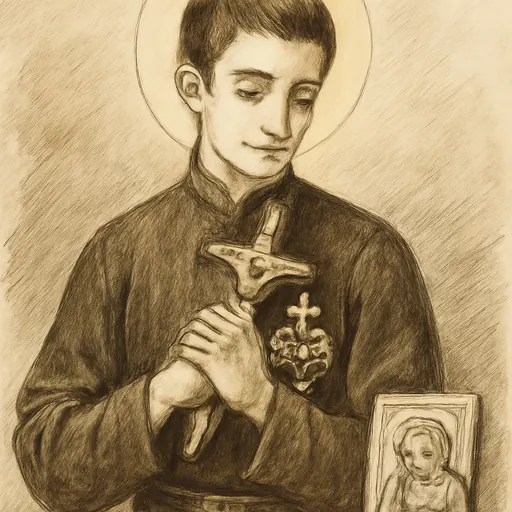 St. Gabriel of Our Lady of SorrowsFeast day February 27
 St. Gemma GalganiFeast day April 11
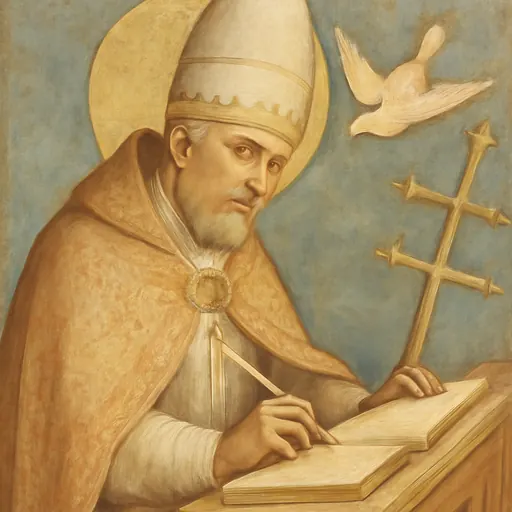 St. Gregory the GreatFeast day September 3
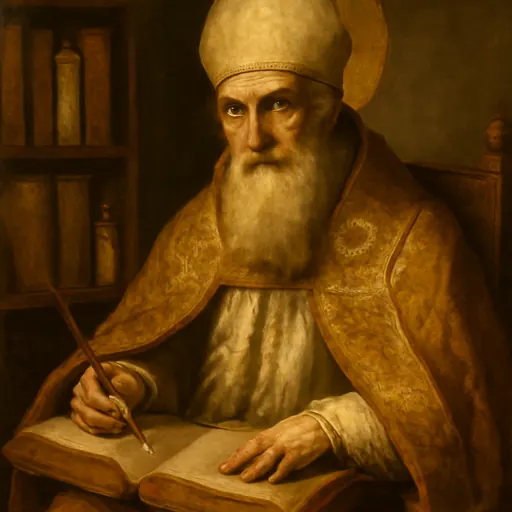 St. Isidore of SevilleFeast day April 4
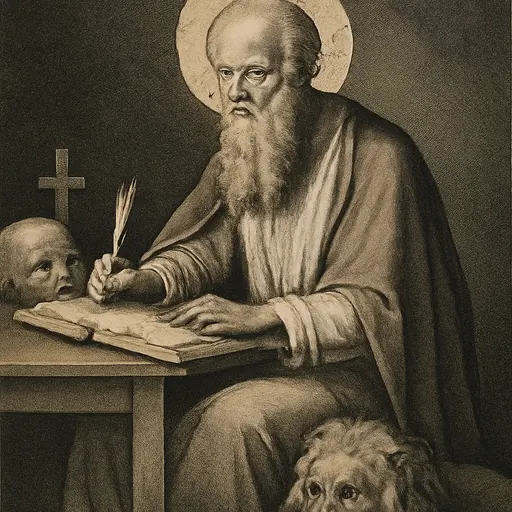 St. JeromeFeast day September 30
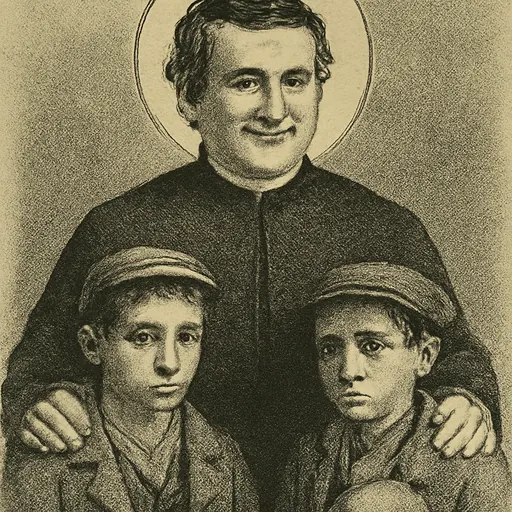 St. John BoscoFeast day January 31
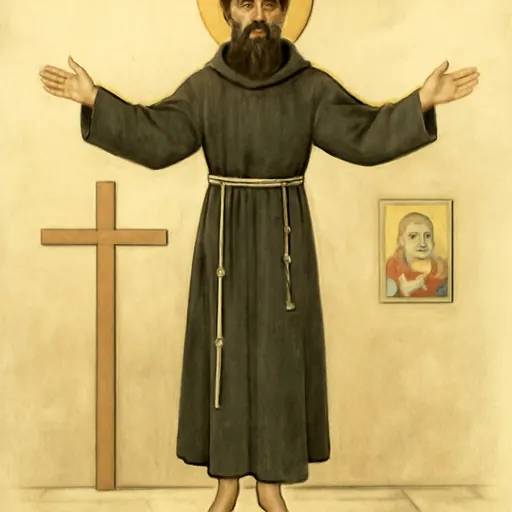 St. Joseph of CupertinoFeast day September 18
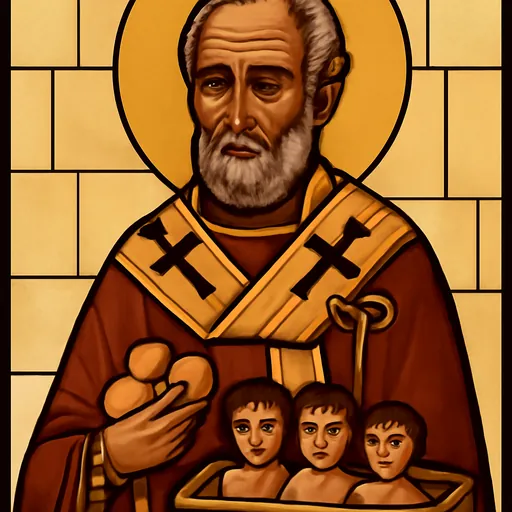 St. Nicholas of MyraFeast day December 6
 St. Pier Giorgio FrassatiFeast day July 4
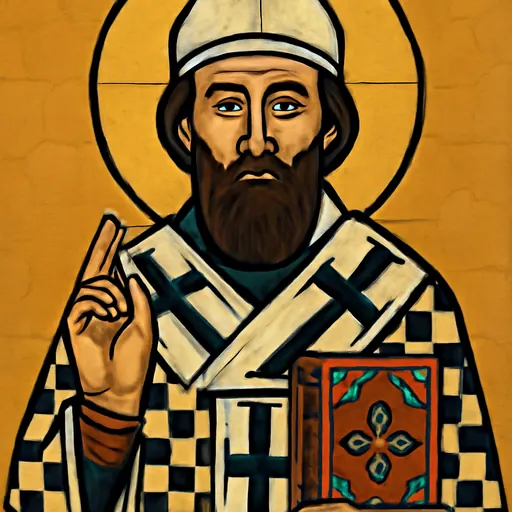 St. SavaFeast day January 14
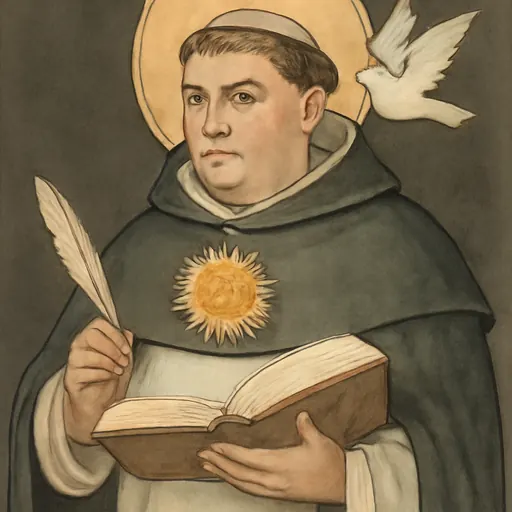 St. Thomas AquinasFeast day January 28
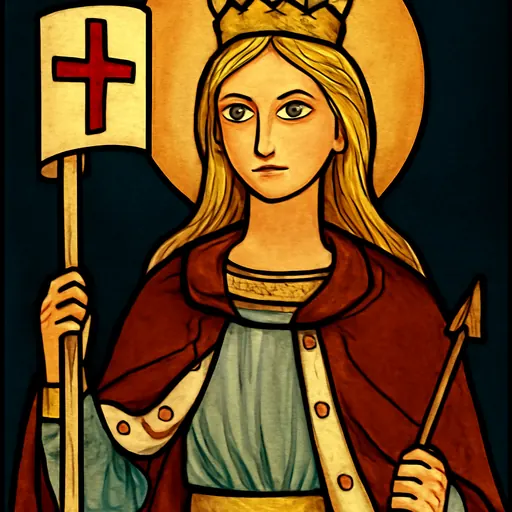 St. Ursula and CompanionsFeast day October 21
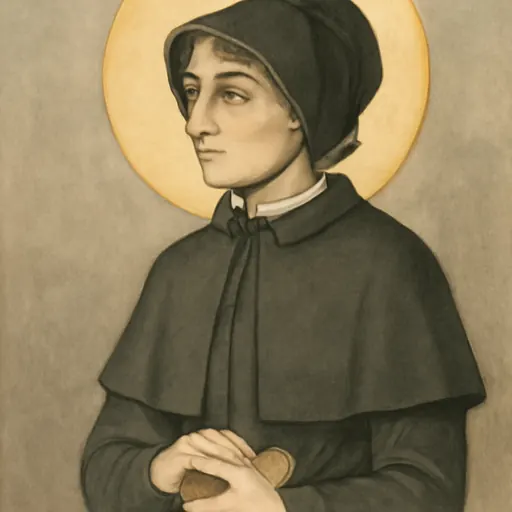 St. Elizabeth Ann SetonFeast day January 4
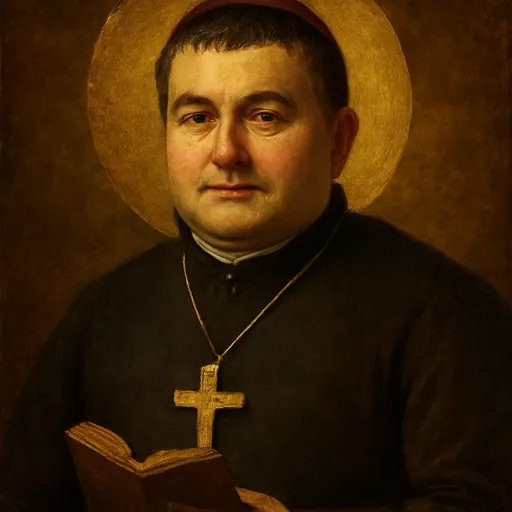 St. John NeumannFeast day January 5
Every student knows the night before a big test: the stack of notes, the clock, the hope that it will all come back in the morning. Catholic students have never faced that alone. The Church has given them patrons who knew study from the inside, from the greatest theologian of the Middle Ages to a friar who could barely get through his books. Here are the patron saints of students, of exams and of schools, and why each one holds the title.
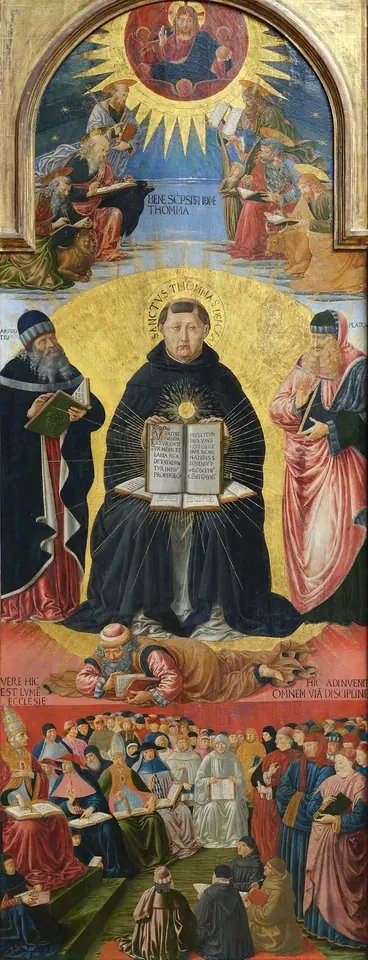
St. Thomas Aquinas, the patron saint of students
St. Thomas Aquinas (about 1225–1274) spent his whole adult life as a student and teacher. Born into a noble family near Aquino in southern Italy, he studied at the university in Naples, joined the new Dominican order against his family's wishes, and went on to study under St. Albert the Great in Paris and Cologne. He was large and quiet, and his classmates nicknamed him "the dumb ox." Albert answered, by the early biographers' account, that this ox's bellowing would one day be heard throughout the world.
He went on to teach at the University of Paris and to write the Summa Theologiae, a summary of Christian teaching he meant as a handbook for beginners. The Catholic Encyclopedia records that on August 4, 1880, Pope Leo XIII, by a brief, designated him "patron of all Catholic universities, academies, colleges, and schools throughout the world." His feast is January 28.
What makes him a patron for every student, and not only for scholars, is how he studied. The old Breviary lessons for his feast, as the Catholic Encyclopedia reports them, say he never began to study without first praying, and that he once told his companion Reginald he had learned more at prayer than from books. His prayer before study, Creator ineffabilis, is still said in Catholic classrooms around the world; the full text in English and Latin is on our page of prayers before an exam.
St. Joseph of Cupertino, the patron saint of exams
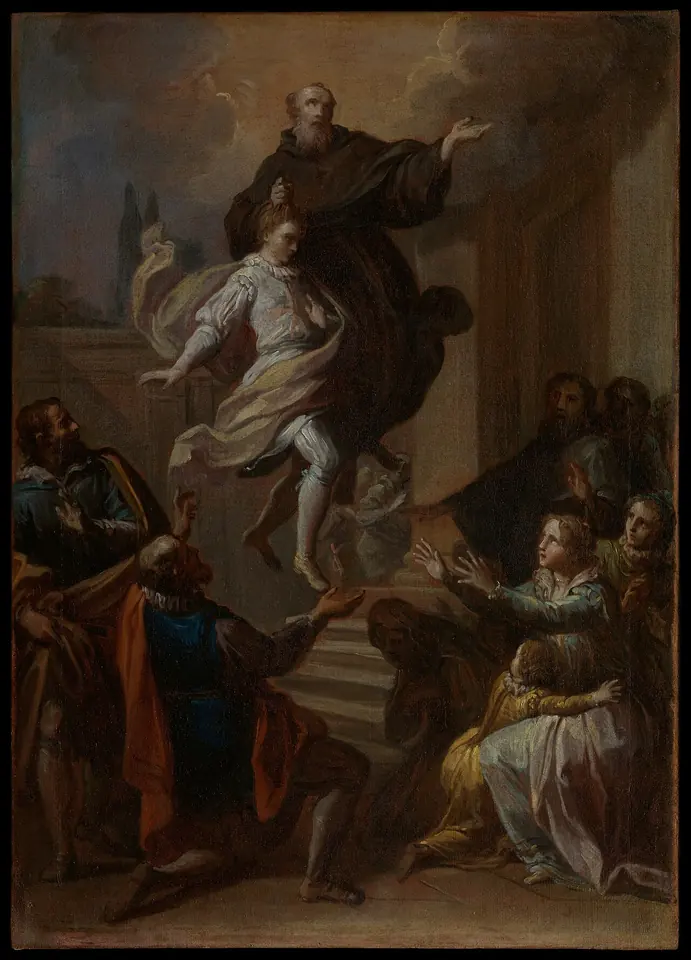
If Thomas is the patron of brilliant students, St. Joseph of Cupertino (1603–1663) is the patron of the rest of us. He was a poor boy from Copertino, near Lecce, slow at school and turned away by two religious orders before the friars of his home town took him in. His biographer Angelo Pastrovicchi, writing in 1753, says his novice master often scolded him for his "poor progress in learning."
Then came his examinations. For the diaconate in 1627, the bishop of Nardò opened the Gospels and asked him to explain the passage "Blessed is the womb that bore thee." According to Pastrovicchi, it "was the only one he had learned by long study and could well interpret." A year later, at the examination for the priesthood, the bishop of Castro was so pleased with the first candidates that he passed the whole group, Joseph among them, without questioning the rest. These events are reported by his biographer, who calls the first one providential. The 1918 English translation of Pastrovicchi notes that because of them "St. Joseph is invoked as patron of examinations by students in Italy and France." His feast is September 18.
He is better known for his reported levitations, which have made him the patron of aviators as well. Students love him for a simpler reason: he studied the one passage until he knew it, and God did the rest.
Other patron saints of students
The cards above show every saint on our site whose patronage includes students. Here is why the best known hold the title.
St. Isidore of Seville
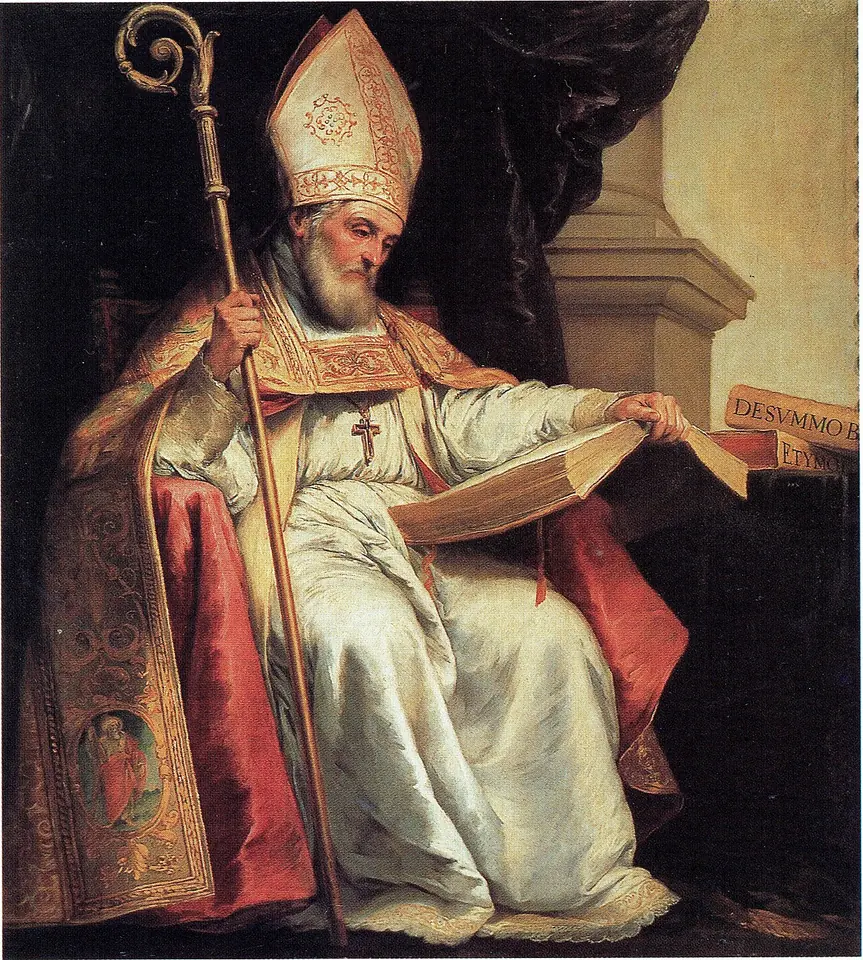
St. Isidore (about 560–636), archbishop of Seville and a Doctor of the Church, wrote the Etymologies, an encyclopedia of everything known in his day. The Catholic Encyclopedia calls him "an indefatigable compiler of all existing knowledge," and for nearly a thousand years students across Europe learned from his book. He is a patron of students and scholars, and in recent years some have proposed him as patron of the internet, a title that is popular but not official. His feast is April 4.
St. Catherine of Alexandria
St. Catherine is the patron of students and philosophers because of her legend: a learned young woman of 4th-century Alexandria who debated the emperor's fifty philosophers and won them to Christ before her martyrdom. Her story survives only in much later accounts and is traditional, but medieval universities took her as their patron, and female students in particular have long asked her prayers. Her feast is November 25.

St. Albert the Great
St. Albert, Thomas's own teacher, wrote on theology, plants, animals, minerals and the stars. On December 16, 1941, in the apostolic letter Ad Deum, Pius XII declared him the heavenly patron of students of the natural sciences. Science and engineering students have a patron of their own in him. His feast is November 15.
Patrons of young students
St. Aloysius Gonzaga, a Jesuit student who died at 23 nursing plague victims in Rome, has been named by popes the patron of young students and of Christian youth. St. Gabriel of Our Lady of Sorrows, a Passionist seminarian who died at 23, draws thousands of Italian high school students to his tomb each spring, about a hundred days before their final exams. St. John Bosco spent his life teaching poor boys in Turin. St. Pier Giorgio Frassati, an engineering student who died in 1925, is a favorite of college students. St. Nicholas became the patron of schoolchildren through the legend of the three boys he raised to life and the medieval custom of the "boy bishop" chosen in cathedral schools on his feast. Popular devotion adds St. Gemma Galgani, a gifted pupil of the Oblates' school in Lucca.
Among the Doctors of the Church, St. Jerome, who translated the Bible, St. Bede, St. Ambrose and St. Gregory the Great are also counted among the patrons of students.
Patron saints of schools
St. Thomas Aquinas is the patron of every Catholic school by Leo XIII's brief. In the United States, St. Elizabeth Ann Seton, who opened a school for girls in Emmitsburg, Maryland, in 1810, and St. John Neumann, the bishop of Philadelphia who organized the first diocesan Catholic school system, are honored as founders of American Catholic education. St. Ursula gave her name to the Ursulines, the teaching sisters founded by St. Angela Merici. The patron of teachers is St. John Baptist de La Salle; see our page for the patron saint of teachers.
A prayer for students
Before we open the books, we can pray with the words the Book of Wisdom puts in the mouth of King Solomon, who asked God for wisdom above every other gift (Wisdom 7:7, Douay-Rheims):
Wherefore I wished, and understanding was given me: and I called upon God, and the spirit of wisdom came upon me.
For St. Thomas's full prayer before study, the collect from St. Joseph of Cupertino's feast and a short prayer to the Holy Spirit for test day, see prayers before an exam. Let us ask St. Thomas Aquinas and St. Joseph of Cupertino to pray for every student studying tonight: for clear minds, honest work and peace whatever the results. More causes are on our patron saints page.
Frequently asked questions
Who is the patron saint of students?
St. Thomas Aquinas, the 13th-century Dominican theologian. Pope Leo XIII named him patron of all Catholic universities, academies, colleges and schools in a brief of August 4, 1880. His feast is January 28. Many other saints are also patrons of students, among them St. Joseph of Cupertino, St. Isidore of Seville, St. Catherine of Alexandria and St. Aloysius Gonzaga.
Who is the patron saint of exams?
St. Joseph of Cupertino (1603–1663), a Franciscan friar who found study very hard. At his examination for the diaconate the bishop asked him to explain the one Gospel passage he knew well, and at his examination for the priesthood the bishop passed the whole group without questioning him. His feast is September 18.
Who is the patron saint of schools?
St. Thomas Aquinas is the patron of all Catholic schools, by Leo XIII's brief of 1880. St. John Baptist de La Salle is the patron of teachers, and in the United States St. Elizabeth Ann Seton and St. John Neumann are honored as founders of the Catholic school system.
Is there a patron saint of college students?
St. Thomas Aquinas is patron of Catholic universities. St. Pier Giorgio Frassati, a university engineering student in Turin who died at 24 in 1925 and was canonized in 2025, is a favorite of college students today, and St. Albert the Great is patron of students of the natural sciences.
What prayer should a student say before studying?
The classic is St. Thomas Aquinas's prayer before study, which asks God for "acuteness in understanding," a good memory and ease in expressing what one knows. The full text in English and Latin is on our page of prayers before an exam.
Sources
- Catholic Encyclopedia (1912): St. Thomas Aquinas
- Angelo Pastrovicchi, St. Joseph of Copertino (1753), translated by Francis S. Laing (St. Louis: Herder, 1918), Internet Archive
- Acta Apostolicae Sedis 34 (1942): Pius XII, apostolic letter Ad Deum (December 16, 1941), declaring St. Albert patron of students of the natural sciences
- Catholic Encyclopedia (1910): St. Isidore of Seville
- Wisdom 7:7, Douay-Rheims (Bible Gateway)