St. Joseph of Arimathea
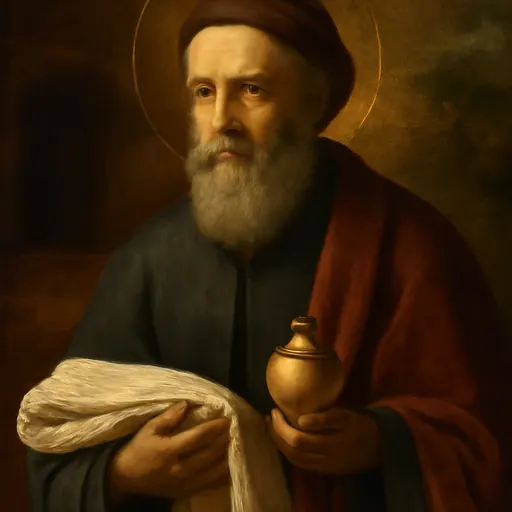
St. Joseph of Arimathea was the wealthy member of the Jewish council who asked Pontius Pilate for the body of Jesus after the Crucifixion and laid it in his own new tomb. All four Gospels tell the story. Medieval legend later brought him to Glastonbury in England with the Holy Grail. He is a patron of funeral directors, and the Roman Martyrology remembers him on August 31.
Who was St. Joseph of Arimathea?
Joseph of Arimathea appears in the Bible at one moment only, on the evening of Good Friday, and all four Gospels describe it. He was a rich man and a member of the council in Jerusalem, a disciple of Jesus who had kept his faith quiet "for fear of the Jews" (John 19:38). When Jesus died, Joseph went to Pontius Pilate, asked for the body and buried it in his own new tomb.
The Catholic Encyclopedia (1910) says plainly that "all that is known for certain concerning him is derived from the canonical Gospels." Everything else, from his imprisonment to the Holy Grail, is later legend.
Don't confuse him with St. Joseph, the husband of Mary. Arimathea, Joseph's hometown, is usually identified with Ramathaim, the birthplace of the prophet Samuel, though the location isn't certain.
The burial of Jesus
What the four Gospels say
Each Gospel adds its own detail. Mark gives the core of the story (Mark 15:43, King James Version):
Joseph of Arimathaea, an honourable counsellor, which also waited for the kingdom of God, came, and went in boldly unto Pilate, and craved the body of Jesus.
Matthew calls him "a rich man" and "Jesus' disciple" and says the tomb was "his own new tomb, which he had hewn out in the rock" (Matthew 27:57-60). Luke calls him "a good man, and a just" and adds that he "had not consented to the counsel and deed of them" (Luke 23:50-51). John says he was a disciple "secretly," and he alone mentions Nicodemus, who "brought a mixture of myrrh and aloes, about an hundred pound weight" (John 19:39).

Asking for the body
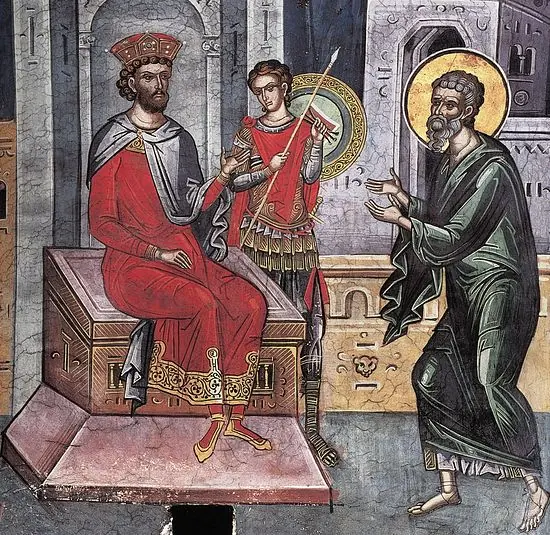
Mark's word "boldly" matters. The Catholic Encyclopedia notes that the danger to Joseph "was indeed considerable under the circumstances": a secret disciple was now siding with a condemned man in front of the governor. Pilate checked with the centurion that Jesus was dead, then "gave the body to Joseph" (Mark 15:44-45).
The tomb in the garden
Joseph bought fine linen, took the body down, and with Nicodemus wrapped it "with the spices, as the manner of the Jews is to bury" (John 19:40). The new tomb was in a garden close by, and they worked quickly because the Sabbath began at sundown. Then Joseph rolled a stone against the door. St. Mary Magdalene and "Mary the mother of Joses" watched where the body was laid (Mark 15:47).

The Catholic Encyclopedia sees in this burial the fulfillment of Isaiah 53:9, where the Servant of the Lord is "with the rich in his death."


Legends of Joseph of Arimathea
The Gospels say nothing more about Joseph. The stories that follow are traditional, and their age is given with each.
- Imprisoned and freed by Christ (probably 4th century). The apocryphal Acts of Pilate, also called the Gospel of Nicodemus, says the council jailed Joseph for burying Jesus and that the risen Christ freed him from a sealed room. The Catholic Encyclopedia calls these details "unworthy of credence."
- Keeper of the Holy Grail (late 12th century). The French poet Robert de Boron, in his Joseph d'Arimathie, made Joseph the first guardian of the Grail, the cup of the Last Supper, which he used to catch Christ's blood. His followers carry it to Britain, and the Arthurian Grail romances grew from there.
- Founder of Glastonbury (13th century). According to Glastonbury Abbey, Joseph first appears in the abbey's own records in the 13th century. The legend says St. Philip sent him from Gaul with twelve companions, that they built a church of wattles on the Isle of Avalon, and that Joseph was buried there. The Catholic Encyclopedia calls it "fabulous."
- The Holy Thorn. By the 1530s thorn trees on Wearyall Hill were flowering at Easter and again at Christmas, Glastonbury Abbey says. The story that they grew from Joseph's staff came later.
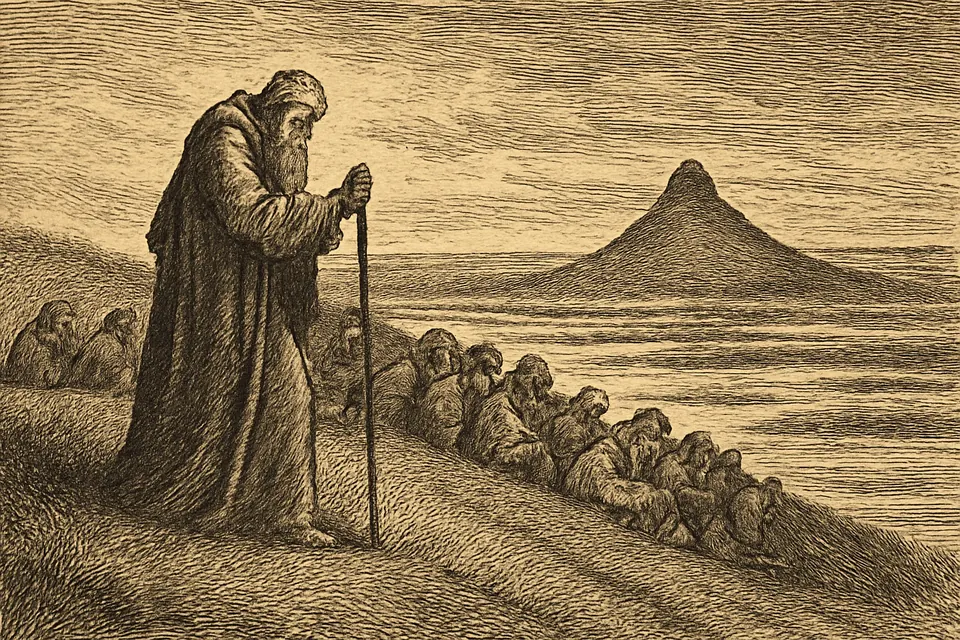
- The tin trader. Later tradition made Joseph a tin trader who brought the boy Jesus to Cornwall. Catholic Culture says this story lies behind William Blake's lines "And did those feet in ancient time / Walk upon England's mountains green?"
No miracle of Joseph's has ever been investigated or approved by the Church.
Why St. Joseph of Arimathea is the patron saint of funeral directors
Joseph claimed the body of Jesus, prepared it and saw it buried, so funeral directors, gravediggers and pallbearers took him as their patron. Tin miners claim him through the Cornish legend. See more on our patron saints page.
Symbols of St. Joseph of Arimathea in art
Joseph is almost always an older, bearded man in rich clothing, a sign of his wealth. Look for:
- A linen shroud or the body of Christ in his arms, in scenes of the Descent from the Cross and the Entombment.
- A jar of ointment or spices, for the burial.
- The crown of thorns and nails, taken from the cross.
- A flowering staff, from the Glastonbury Thorn, in English art.
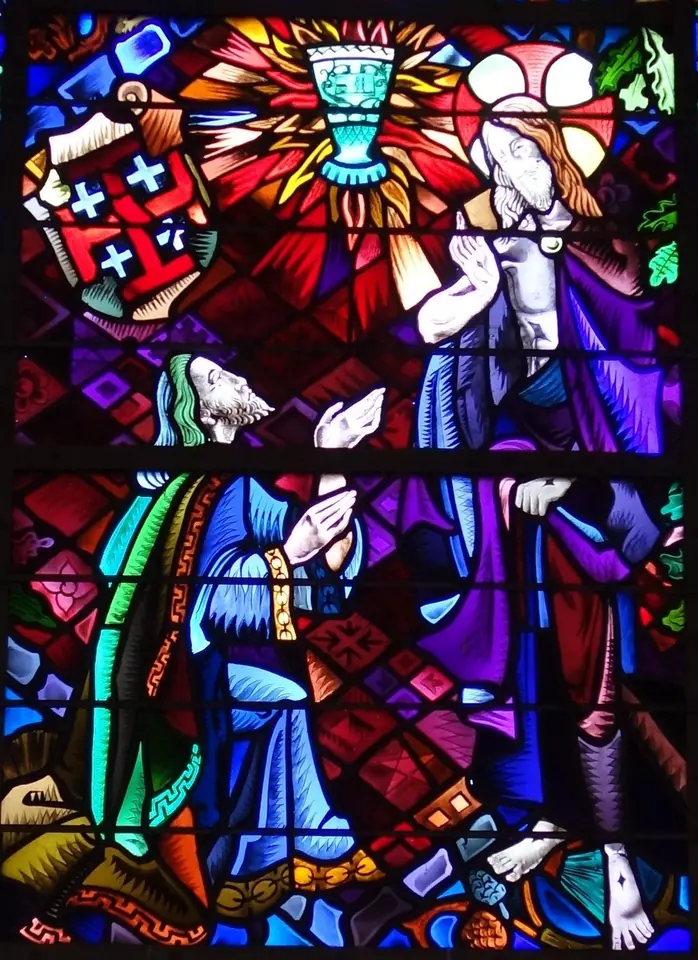
- Two cruets or a chalice, holding the blood and sweat of Christ, from the Grail legends.
In Orthodox icons he appears among the myrrh-bearers at the burial of Christ.

Feast day and where he is honored
The current Roman Martyrology remembers Joseph of Arimathea and Nicodemus together on August 31; the older edition listed Joseph alone on March 17, as "noble senator and disciple of our Lord." The Orthodox Church honors him on July 31 and on the Sunday of the Myrrh-bearing Women. The Orthodox Church in America says he "died peacefully in England." Find nearby feasts on our feast days calendar.


Glastonbury Abbey, dissolved in 1539, built a crypt chapel under its Lady Chapel in the time of Abbot Richard Beere (1493 to 1524) for pilgrims coming to St. Joseph's altar.
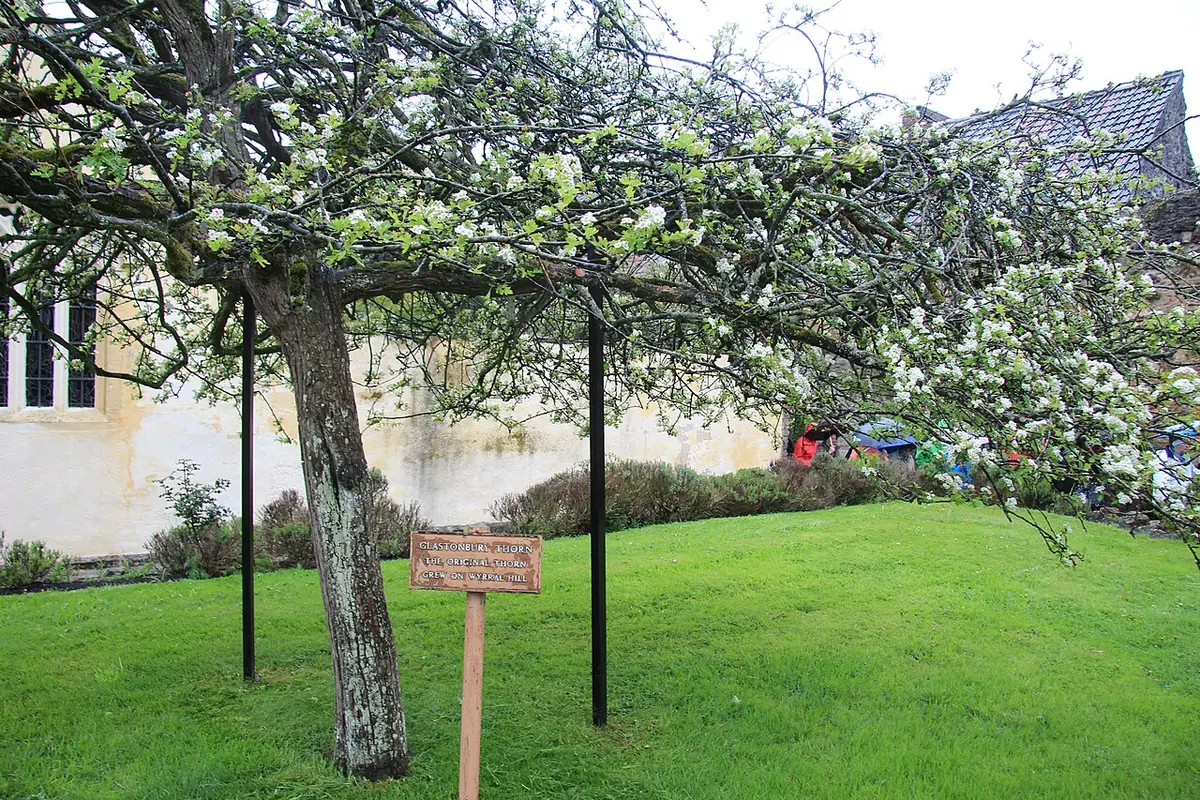

Every Christmas a budded sprig of a Glastonbury Thorn is sent to the British monarch.
Prayer to St. Joseph of Arimathea
There is no widely used traditional prayer to St. Joseph of Arimathea in the Western Church. The Orthodox Church sings this troparion on his feast, in the translation of the Orthodox Church in America:
The Noble Joseph, when he had taken down Your most pure Body from the tree, wrapped it in fine linen and anointed it with spices, and placed it in a new tomb. But You rose on the third day, O Lord, granting the world great mercy.
Catholics who want his intercession simply ask him to pray for them.
Frequently asked questions
Who was Joseph of Arimathea in the Bible?
A rich man from the town of Arimathea, a member of the council (the Sanhedrin) and a secret disciple of Jesus. Luke says he had not agreed with the council's decision against Jesus. After the Crucifixion he asked Pilate for the body, wrapped it in linen with Nicodemus and buried it in his own new tomb cut in the rock (Matthew 27, Mark 15, Luke 23, John 19).
Did Joseph of Arimathea go to Glastonbury?
Nothing in the Bible or early Christian writers says so. The story first appears in Glastonbury's records in the 13th century, and the Catholic Encyclopedia (1910) calls his coming to Britain a fable. It is a traditional legend, important in English history and literature, but not history.
What is Joseph of Arimathea the patron saint of?
Funeral directors, undertakers, gravediggers and pallbearers, because he buried Jesus. Tin miners claim him through a Cornish legend that he traded in tin, and he is the patron of Glastonbury.
When is the feast of St. Joseph of Arimathea?
August 31 in the current Roman Martyrology, shared with St. Nicodemus; the older Martyrology listed him on March 17. The Orthodox Church keeps July 31 and the Sunday of the Myrrh-bearing Women, two weeks after Easter. The Episcopal Church remembers him on August 1.
Sources
- Catholic Encyclopedia (1910): Joseph of Arimathea
- Mark 15:42-47 (King James Version), Bible Gateway
- John 19:38-42 (King James Version), Bible Gateway
- Luke 23:50-53 (King James Version), Bible Gateway
- Orthodox Church in America: Righteous Joseph of Arimathea
- Catholic Culture: August 31 (Sts. Joseph of Arimathea and Nicodemus)
- Glastonbury Abbey: Myths and Legends
- Roman Martyrology (traditional English edition), March 17