St. Nicholas II, Tsar and Passion-Bearer
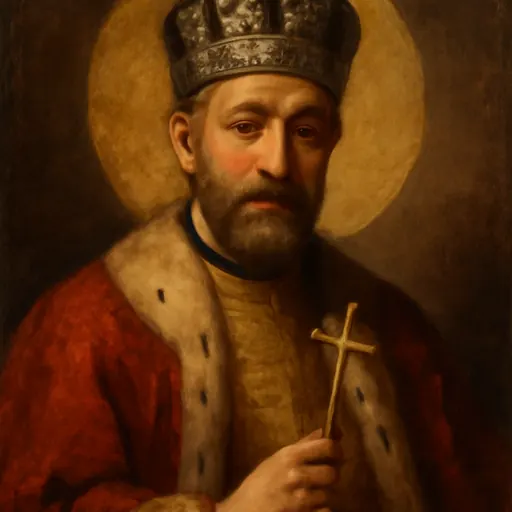
St. Nicholas II (1868–1918) was the last Tsar of Russia. After his abdication in 1917 he and his family were held prisoner and, on the night of July 16–17, 1918, shot by the Bolsheviks in Yekaterinburg. The Russian Orthodox Church glorified him in 2000, with his wife and five children, as a passion-bearer, one who accepted suffering and death with Christian meekness. His feast day is July 17.
Who was St. Nicholas II?
St. Nicholas II was the last Emperor of Russia, who reigned from 1894 until his abdication in March 1917 and was shot with his wife, five children and four members of their household in Yekaterinburg in July 1918. The Orthodox Church honors him and his family as the Royal Passion-Bearers. The Russian Orthodox Church Outside Russia glorified them in 1981, and the Moscow Patriarchate followed at its Jubilee Council of Bishops in August 2000, with the solemn rite on August 20 in the rebuilt Cathedral of Christ the Savior in Moscow.
The Church's title for him matters. A passion-bearer is a Christian who accepted unjust suffering and death with meekness, in imitation of Christ. When the Council acted in 2000, Metropolitan Yuvenaly, who chaired its commission on canonization, said the decision "in no way means a 'canonization' of the monarchy as a form of government." The Church was not passing judgment on his reign, which historians still argue over. It honored the way he and his family prayed, forgave and died.

The life of St. Nicholas II
Heir and tsar
Nicholas Alexandrovich was born at Tsarskoe Selo on May 18, 1868 (May 6 on the old calendar), the eldest son of Emperor Alexander III and Empress Maria Feodorovna. The official Russian life of the saint notes that it was the feast of St. Job the Long-Suffering. He became emperor at twenty-six, when his father died in November 1894, and that same month married Princess Alix of Hesse, a granddaughter of Queen Victoria, who was received into the Orthodox Church as Alexandra Feodorovna. They were crowned in the Kremlin in May 1896.

The Orthodox Church in America's life of the saint recalls that he opened his reign calling on the nations to reduce their armies and settle disputes peacefully, which led to the Hague Peace Conference of 1899. He was a devout man who prayed, went to the services and made pilgrimages. More saints were canonized in his reign than in the two centuries before it, and he pressed personally for some of them. In 1903 he and his family went to Sarov for the glorification of St. Seraphim. He revered St. John of Kronstadt and, after his death in 1908, ordered prayers for him across the empire.
A family under a cross
Nicholas and Alexandra had four daughters, Olga, Tatiana, Maria and Anastasia, and in August 1904 a son, Alexei. Within weeks the parents learned that the heir had hemophilia, which could kill him from the smallest injury. The family's life, the Russian life says, turned on that hidden sorrow.

War with Germany came in 1914, and by early 1917 revolution in Petrograd. Nicholas abdicated in March 1917.
Captivity and death
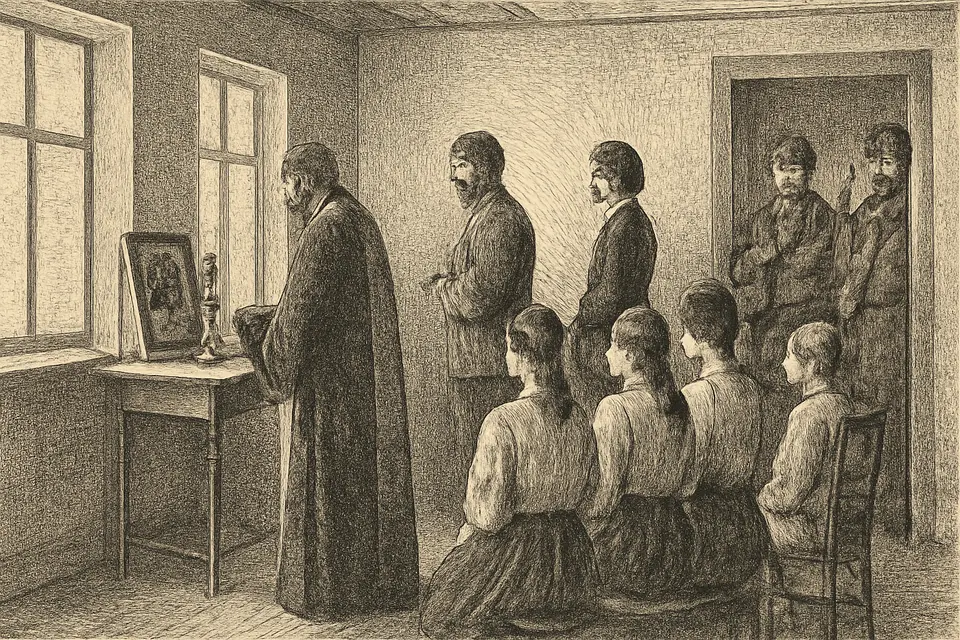
The family was held first at Tsarskoe Selo, then from August 1917 at Tobolsk in Siberia, and from the spring of 1918 in the Ipatiev House in Yekaterinburg, under guards who humiliated them. The life of the saint quotes the priest who served the last services in the house, Fr. John Storozhev, on how the family prayed, often on their knees, with meekness and humility, and it quotes their letters, full of patience and trust in God. On July 14, 1918, he served for them for the last time.
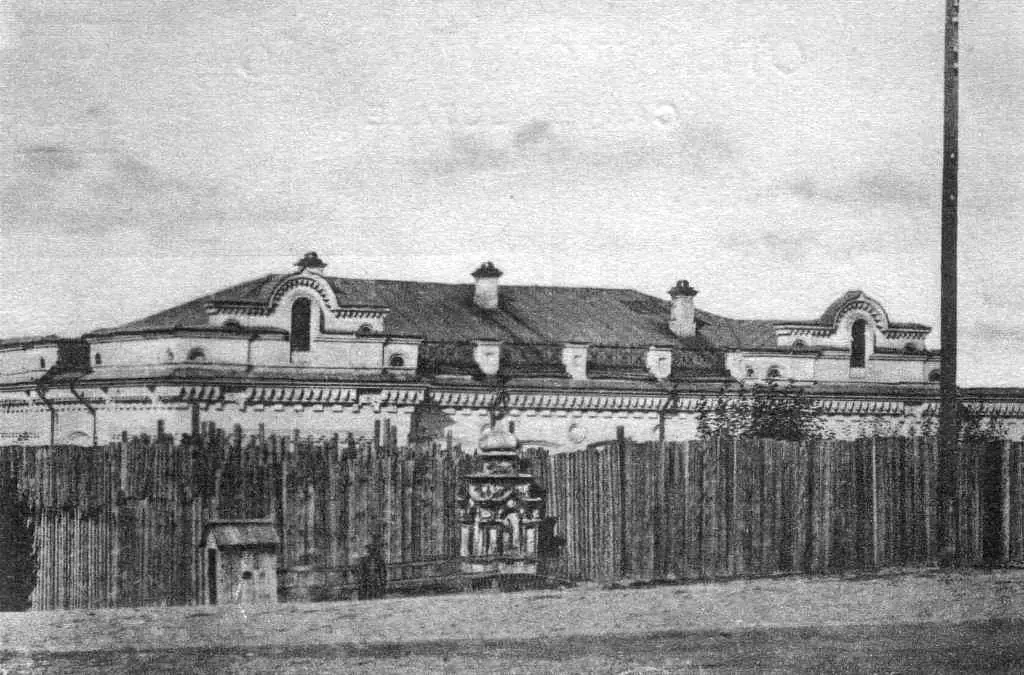
In the early hours of July 17, they were wakened, taken to a basement room and shot, with their doctor, Eugene Botkin, the maid Anna Demidova, the cook Ivan Kharitonov and the footman Alexei Trupp. A few days later St. Tikhon, the Patriarch of Moscow, condemned the killing from the pulpit of the Kazan Cathedral in Moscow, saying that Christians must condemn the deed, and that Nicholas had abdicated for the good of Russia and chosen to suffer with her rather than escape.
Glorification and reported miracles
Russian émigrés honored the family from the first years after 1918. The Russian Orthodox Church Outside Russia glorified them as martyrs in 1981. In Russia, veneration grew openly from the late 1980s, and on the Moscow Patriarchate's side the Jubilee Council of Bishops, meeting August 13–16, 2000, glorified them among the New Martyrs and Confessors of Russia, as passion-bearers.
The Orthodox Church does not require approved miracles the way the Catholic process does. The official Russian life gathers many reported favors: healings, families reunited, icons of the tsar said to have streamed myrrh, and the escape of a company of Cossacks surrounded in a swamp during the Civil War after they prayed to him. These are reported by the faithful and published by the Church; they have not been examined as the Catholic Church examines miracles.
Symbols of St. Nicholas II in art
Icons of St. Nicholas II follow his photographs closely. To recognize him:
- Imperial crown and mantle: a red or purple robe with an ermine collar, the dress of the coronation, and the imperial crown.
- A cross in the hand: the sign of a martyr or passion-bearer.
- The whole family together: most icons show all seven, Nicholas and Alexandra with Alexei between them and the four grand duchesses beside them, all crowned and holding crosses.
- A short beard and calm face: taken from portraits like the one above. Some icons show him in the simple soldier's tunic of his last years.
Feast day and holy places
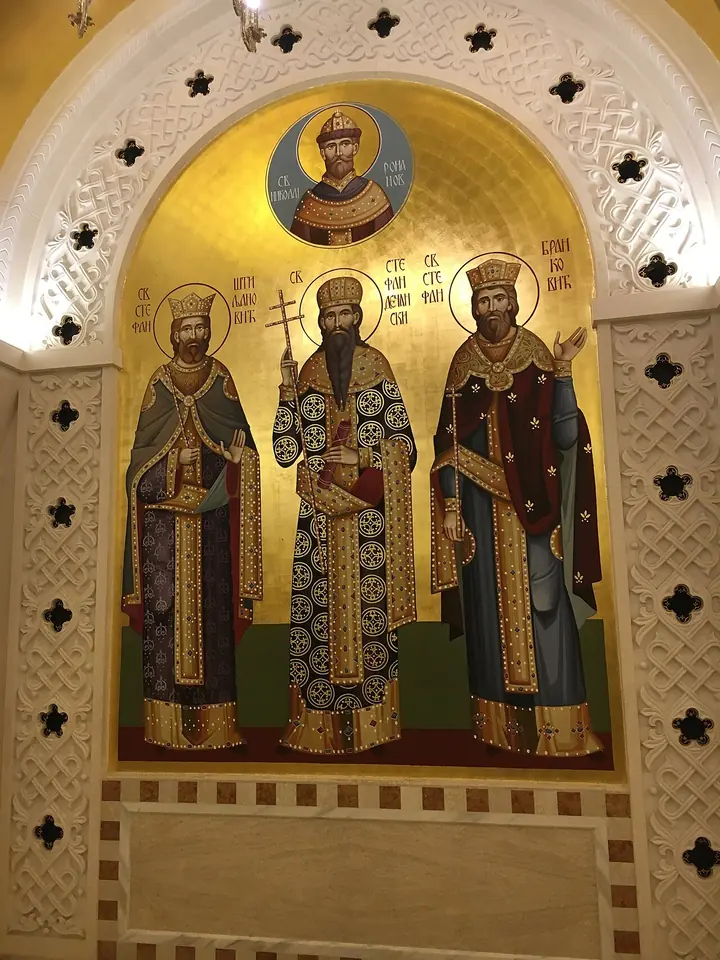
The Orthodox Church keeps the Royal Passion-Bearers on July 17. See other saints on our feast days calendar.
The Ipatiev House was demolished in 1977. On its site now stands the Church on the Blood, whose foundation stone was laid in 1992. Each July pilgrims gather there and walk at night to Ganina Yama, outside the city, where the bodies were taken, and where a monastery in honor of the Royal Passion-Bearers now stands. Remains found in 1991 near the old Koptyaki road were buried in the Peter and Paul Cathedral in St. Petersburg in 1998, but the Church took no part and has not accepted them as relics.

Troparion of the Royal Passion-Bearers
The Orthodox Church sings this troparion on their feast, in the translation published by the Orthodox Church in America:
Most noble and sublime was your life and death, O Sovereigns; / wise Nicholas and blest Alexandra, we praise you, / acclaiming your piety, meekness, faith, and humility, / whereby you attained to crowns of glory in Christ our God, / with your five renowned and godly children of blessed fame. / O passion-bearers decked in purple, intercede for us.
Let us pray, with our Orthodox brothers and sisters, for Russia and for all families who suffer together, and for the grace to forgive those who wrong us.
Frequently asked questions
Is Tsar Nicholas II a saint?
Yes, in the Orthodox Church. The Russian Orthodox Church Outside Russia glorified him and his family as martyrs in 1981, and the Moscow Patriarchate glorified them as passion-bearers at its Jubilee Council of Bishops in August 2000. He is not on the Catholic calendar.
What is a passion-bearer?
In the Russian Church, a passion-bearer is a saint who met a violent death with Christian humility and forgiveness, like Sts. Boris and Gleb, rather than one killed specifically for refusing to deny the faith. The Council chose this title for the royal family to honor how they bore captivity and death. Metropolitan Yuvenaly, who led the canonization commission, said it did not mean a "canonization" of the monarchy.
When is the feast day of St. Nicholas II?
July 17 (July 4 on the old Julian calendar), when the Church remembers the royal passion-bearers together. He is also honored among the New Martyrs and Confessors of Russia on their synaxis in late January or early February.
Where is Nicholas II buried?
Remains found near Yekaterinburg in 1991 were buried in the Peter and Paul Cathedral in St. Petersburg in 1998. The Russian Orthodox Church did not take part and has not recognized them as the family's relics, pending further study. The Church on the Blood in Yekaterinburg stands on the site of the house where they died.
Sources
- Orthodox Church in America: Royal Passionbearers Tsar Nicholas, Tsaritsa Alexandra, Tsarevich Aleksy, Grand Duchesses Olga, Tatiana, Maria, Anastasia
- Orthodox Church in America: Troparion of the Royal Passionbearers
- Azbyka.ru: Passion-Bearer Nicholas II Romanov, Emperor of Russia (Life, from the Moscow Diocesan Gazette, 2000) (Russian)
- Christianity Today: Russia's Last Czar to Be Sainted (August 16, 2000)
- OrthoChristian: Chronicle of the Veneration of the Royal Martyrs in the Urals
- TASS: Russian Orthodox Church says will recognize 'Yekaterinburg remains' if given proof