St. Peter To Rot

St. Peter To Rot (1912–1945) was a lay catechist, husband and father from Rakunai on the island of New Britain in Papua New Guinea. During the Japanese occupation in World War II he kept the faith alive in his village after the missionaries were interned and defended Christian marriage against the return of polygamy, and he was killed in prison in July 1945. Pope Leo XIV canonized him on October 19, 2025, as Papua New Guinea's first saint. His feast day is July 7, and we ask his prayers especially for catechists and married couples.
Who was St. Peter To Rot?
St. Peter To Rot was a catechist, a husband and a father from the village of Rakunai on New Britain, the large island in the east of Papua New Guinea. When the Japanese occupied the island in 1942 and locked up the foreign missionaries, he became the shepherd of his village. He prayed with his people, baptized their children, witnessed their marriages and brought them Holy Communion in secret. When the occupiers brought back polygamy, he would not keep quiet. He died in a Japanese prison in July 1945, a few weeks before the war ended.
Pope John Paul II beatified him in 1995 as the first Blessed of Papua New Guinea. On October 19, 2025, Pope Leo XIV canonized him in St. Peter's Square, naming him among the new saints who were "martyrs for their faith, like Bishop Ignazio Choukrallah Maloyan and catechist Peter To Rot." He is his country's first saint.
His life
A chief's son and a catechist
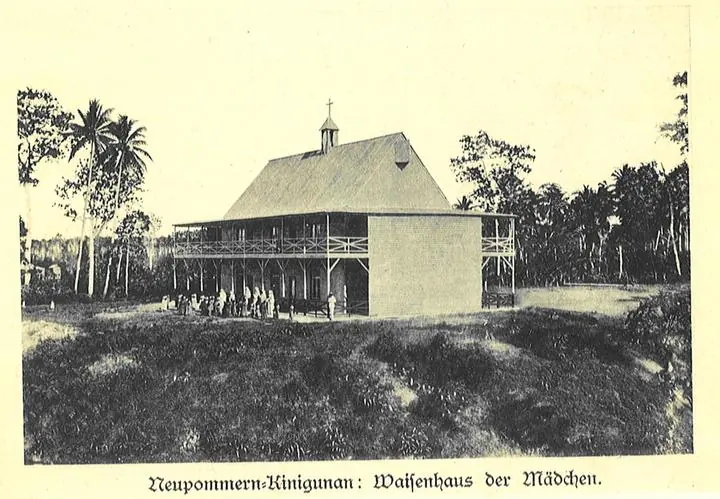
Peter To Rot was born in 1912 in Rakunai, among the Tolai people. The Vatican gives his birthday as March 5. He was the third of six children of Angelo To Puia, a village chief, and Maria Ia Tumul, who had both been baptized as adults in 1898, part of the first generation of Catholics on the island.
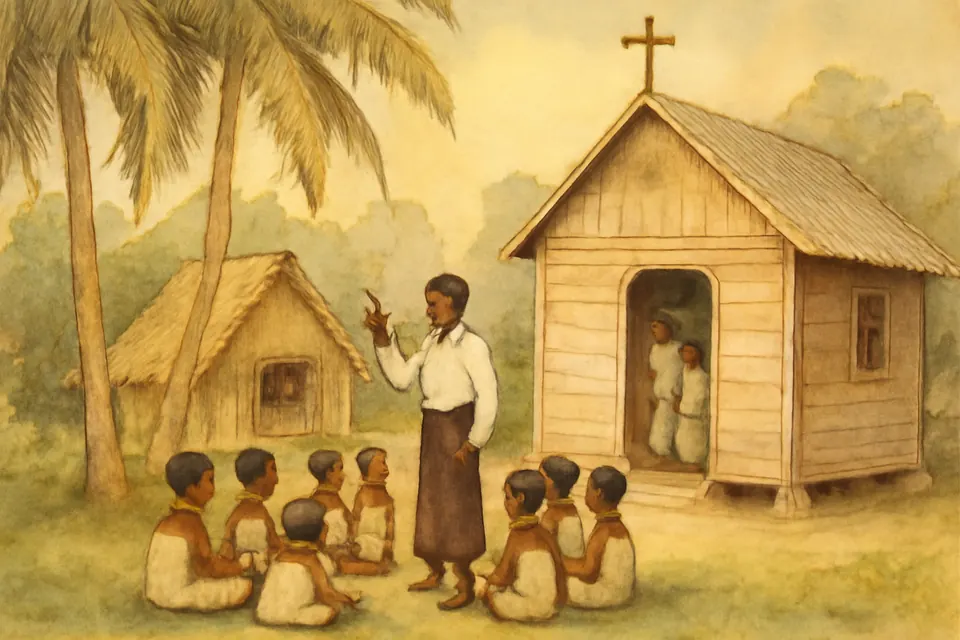
In 1930 Peter entered St. Paul's College at Taliligap, the Sacred Heart missionaries' school for lay catechists. In 1933, at 21, he came home to serve the parish of Rakunai. On November 11, 1936, he married Paula Ia Varpit in the parish church, and they had three children.
John Paul II described him in the beatification homily as "a devoted husband, a loving father and a dedicated catechist known for his kindness, gentleness and compassion." He went to daily Mass and, the Pope noted, prayed with his wife "morning and evening."
Alone with his flock
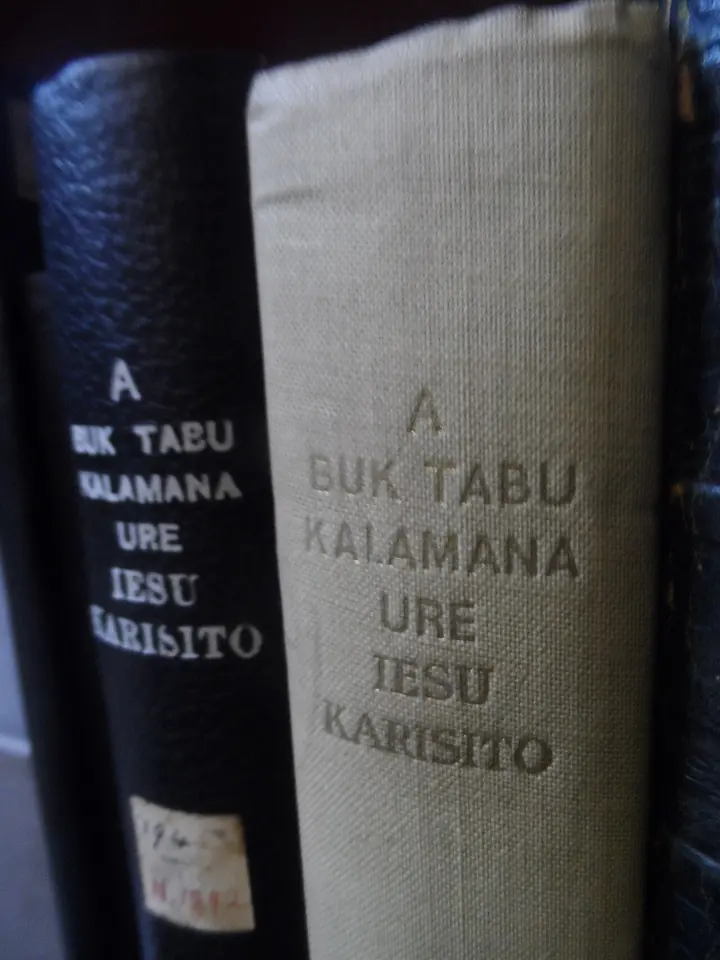
Japanese forces took New Britain in January 1942 and interned the European missionaries. Peter found himself responsible for the mission. According to the Australian Dictionary of Biography, he gathered the people for prayer, baptized and taught adults and children, witnessed marriages, visited the sick and carried food to the interned missionaries and prisoners of war. The Dicastery for the Causes of Saints adds that he often walked five or six hours to reach the camp where the priests were held, received consecrated Hosts from them and brought Communion back to the villages in secret.
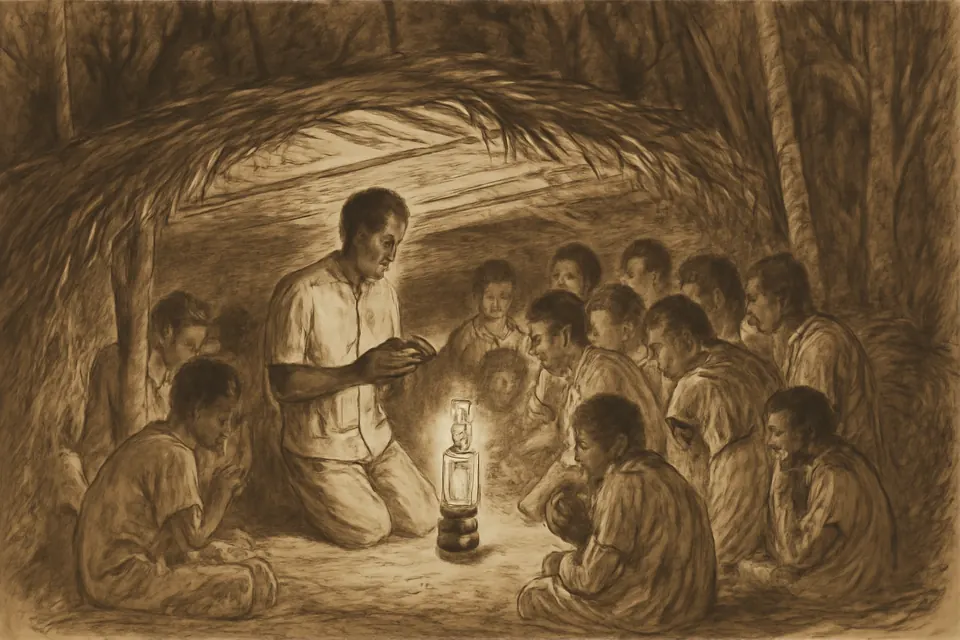
Around March 1944 the Japanese banned all religious practice. He did not stop. He built a hidden shelter on his land at Taogo and kept bringing people there to pray and to receive the sacraments.
The defense of marriage
In 1944, hoping to win over the village chiefs, the Japanese authorities legalized polygamy again. Many took a second wife. Peter spoke against it openly. "I have to fulfil my duty as a Church witness to Jesus Christ," he explained, in John Paul II's account.
The sources differ on who betrayed him. Vatican News says he confronted his own older brother, who had taken a second wife, and that the brother reported him to the police. The Australian Dictionary of Biography names To Metapa, a local policeman serving the Japanese who wanted a Catholic woman as his second wife, and says he denounced Peter for witnessing the marriages of two Catholic couples. Peter was arrested in the spring of 1945 and sentenced to two months in a prison camp.
His death
He knew he would not come out alive. The day before he died, a village chief visited him and heard what Vatican News gives in English: "I am in prison for those who break their marriage vows and for those who do not want to see God's work go forward. That is all. I must die. I have already been condemned to death." His wife Paula asked him, once, to give up his pastoral work. In the Dicastery's account he answered (in Italian translation), "Non impedirmi di fare il mio lavoro. È l'opera di Dio": do not stop me from doing my work; it is God's work.
On his last day he asked Paula to bring him his catechist's crucifix. On the night of July 7, 1945, a Japanese army doctor came to his cell, gave him an injection and held him down until he died. His captors told the village that he had been sick and had died. The people of Rakunai buried him in the mission cemetery, and on the cross over his grave they wrote that he was a martyr of the faith.

Martyr, blessed and saint
A first inquiry began in 1952 but stalled for thirty years. The diocesan process ran from 1987 to 1989, and on April 2, 1993, the decree on his martyrdom was promulgated in the presence of John Paul II. The Pope beatified him on January 17, 1995, at Sir John Guise Stadium in Port Moresby.
As a martyr he needed no miracle to be beatified. For his canonization, the bishops of Papua New Guinea and the Solomon Islands wrote to Pope Francis on January 18, 2024, asking him to waive the study of a miracle. The Dicastery's cardinals and bishops voted in favor on March 4, 2025, and Pope Francis approved their vote on March 28, 2025. Signs and graces attributed to his prayers, which the Dicastery says kept multiplying after 1995, remain reported, not formally approved.

Symbols of St. Peter To Rot in art
St. Peter To Rot lived in the age of photography, and pictures of him are modern. Look for a young Tolai man with a crucifix on his chest, the catechist's cross he asked for on the day he died. He often holds a Bible or catechism, the tools of his work, and sometimes the palm of a martyr.
Feast day, patronage and prayer
We keep his feast on July 7. Rakunai has become a place of pilgrimage, and schools, chapels and youth centers have been placed under his name. Catechists and married couples ask his prayers in a special way; John Paul II told the catechists and couples of Papua New Guinea to look to him. See the patron saints of marriage and the feast day calendar.
No traditional prayer to St. Peter To Rot has come down to us from his own time. We ask his help in our own words, for courage in teaching the faith and for faithfulness in marriage, and we end, as the Church does with every saint: St. Peter To Rot, pray for us.
Frequently asked questions
Who was St. Peter To Rot?
A Tolai catechist from Rakunai, Papua New Guinea, born in 1912, who led his parish in secret during the Japanese occupation of World War II and was killed in prison in July 1945 for his faith and his defense of marriage. He is Papua New Guinea's first saint.
When was Peter To Rot canonized?
Pope Leo XIV canonized him in St. Peter's Square on October 19, 2025, with six others, among them Bartolo Longo and José Gregorio Hernández. Pope John Paul II had beatified him in Port Moresby on January 17, 1995.
Why was Peter To Rot killed?
He kept teaching, baptizing and leading prayer after the occupying Japanese forces banned all religious practice, and he openly opposed polygamy after the authorities legalized it in 1944. He was arrested, sentenced to two months in prison, and put to death there in July 1945. The Church recognized his death as martyrdom in hatred of the faith in 1993.
When is St. Peter To Rot's feast day?
July 7, the date of his death in 1945, according to the Dicastery for the Causes of Saints.
Sources
- Dicastery for the Causes of Saints: Pietro To Rot (biography, cause and canonization)
- John Paul II, Homily for the Beatification of Peter To Rot, Sir John Guise Stadium, Port Moresby (January 17, 1995)
- John Cornelius Dempsey, "To Rot, Peter (1912–1945)," Australian Dictionary of Biography, vol. 16 (2002)
- Vatican News, "Pope clears path for canonization of PNG Blessed Peter To Rot" (March 31, 2025)
- Javier Trapero, "Peter To Rot: A saint, fruit of a shared mission," Vatican News, reprinted by Catholic Outlook (June 2025)
- Leo XIV, Homily at the Mass of Canonization (October 19, 2025)