Chiara Lubich

Chiara Lubich (1920–2008) was an Italian Catholic laywoman who founded the Focolare Movement in wartime Trent in 1943, around Jesus' prayer "that all may be one." It spread to 182 nations and opened new paths of dialogue among Christians and with other religions. Her cause for beatification opened in 2015, so the Church calls her Servant of God.
Who was Chiara Lubich?
Chiara Lubich was a schoolteacher from Trent, in the mountains of northern Italy, who gave her life to God during the Second World War and, without meaning to, founded one of the great movements of the modern Church. Born Silvia Lubich on January 22, 1920, she took the name Chiara in honor of St. Clare of Assisi when she became a Franciscan tertiary. The Focolare Movement she began now reaches, by its own count, 182 nations.
She was never a nun. She lived and died a laywoman, and her spirituality of unity was meant for everyone: married people and priests, children and bishops, Christians of other churches and people of other faiths. She died at Rocca di Papa, near Rome, on March 14, 2008. The Church has opened her cause for beatification and calls her Servant of God; she has not been beatified or canonized.
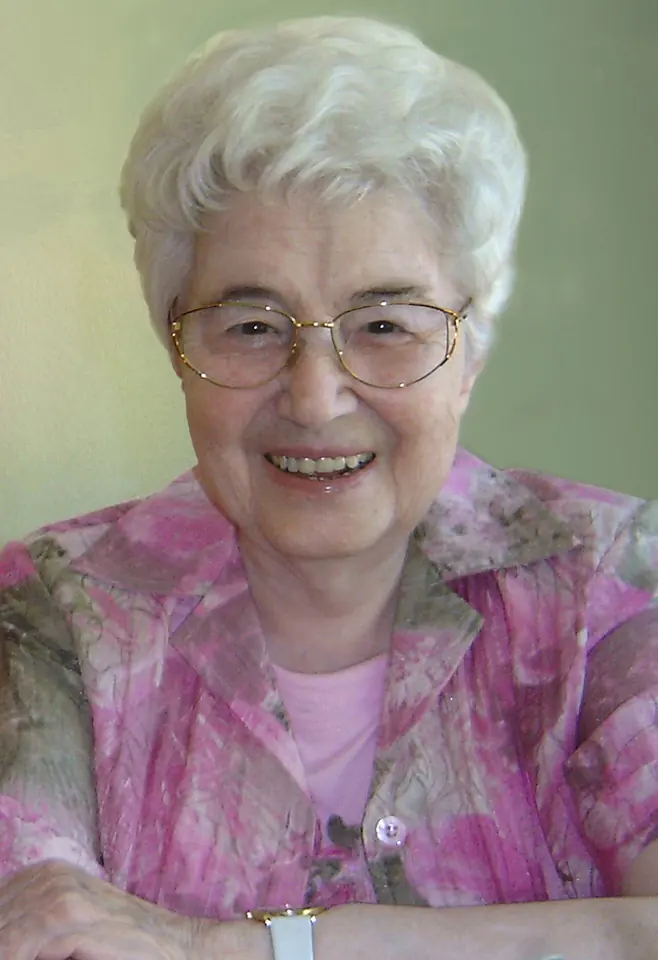
The life of Chiara Lubich
A teacher in Trent
Silvia was baptized in the church of Santa Maria Maggiore in Trent on February 1, 1920. Her family was poor, and she studied to help support them. She earned her teaching certificate in July 1938 and taught elementary school, where her pupils remembered her as "la maestra Silvia." She had wanted to study philosophy at the university to find the truth; the war closed that door.
December 7, 1943
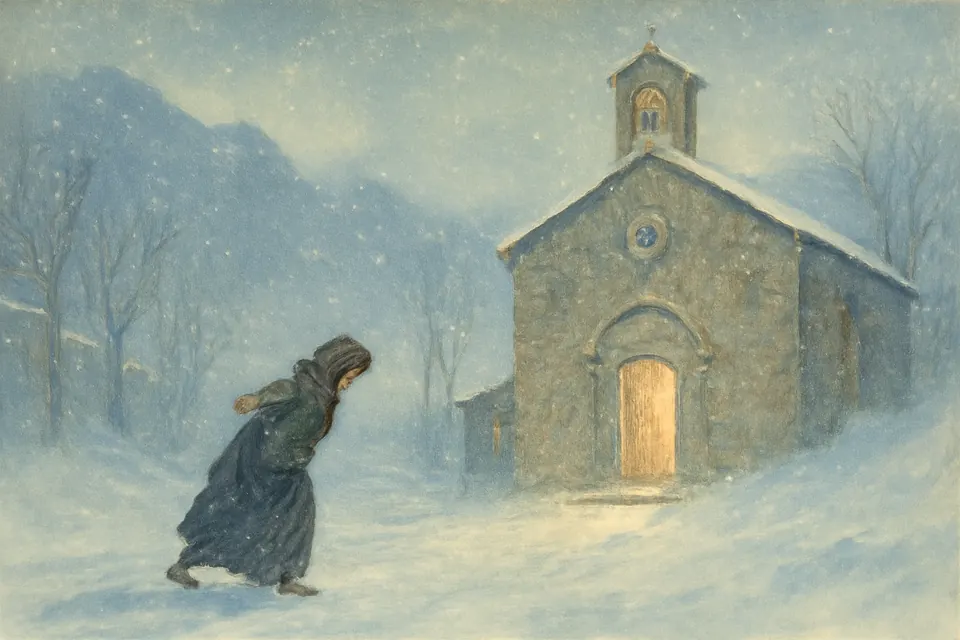
On the morning of December 7, 1943, in a snowstorm, she walked to the Capuchin friary in Trent and consecrated her life to God. The Focolare count their beginning from that day. Within weeks, bombs began to fall on Trent. In the air-raid shelters Chiara and a few young friends read the Gospel by candlelight and tried to live each line of it at once. Everything else was collapsing, and they discovered, as she put it, God as the one who remains.
Two words of Jesus became the center of their life: his prayer to the Father, "that they all may be one" (John 17:21), and his cry on the cross, "My God, my God, why have you forsaken me?" (Mark 15:34). Chiara saw in Jesus Forsaken the measure of God's love and the way to heal every division. The small group lived together in a flat in Trent, shared what they had with the poor, and others soon joined them. People called their community focolare, the hearth.
A movement for unity
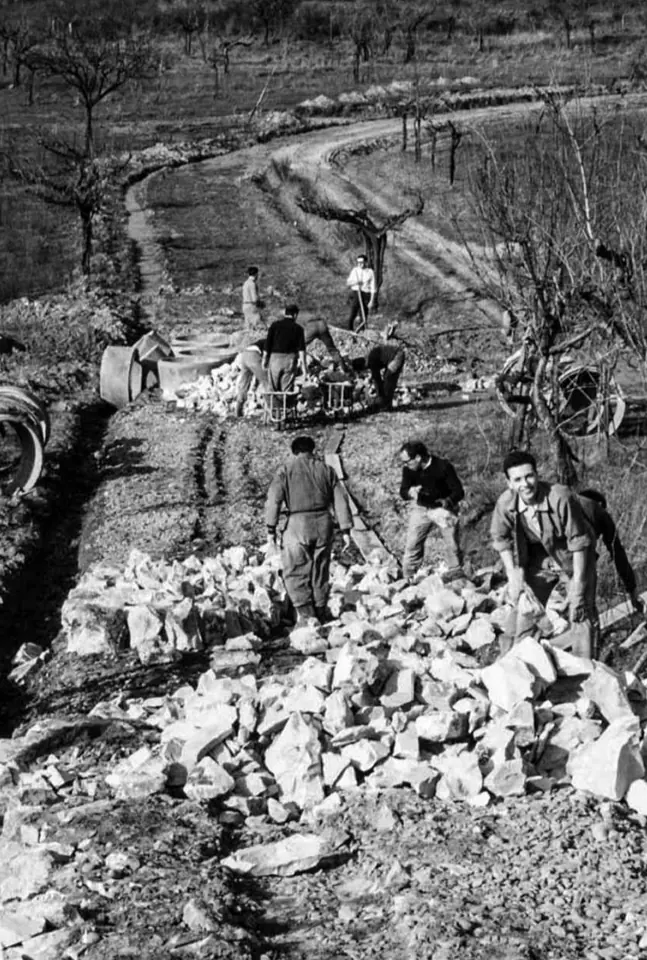
After the war the movement spread through Italy, and Chiara moved to Rome. There she met the writer and member of parliament Igino Giordani, who joined the work. In 1964 the first of the movement's "little towns," where members live the Gospel together permanently, began at Loppiano in Tuscany. Thirty-three exist today.
Her life after that reads like a map of the Church's hopes after the Second Vatican Council. In 1967 she met the Ecumenical Patriarch Athenagoras I in Istanbul, the first of 23 audiences with him. In 1977 she received the Templeton Prize for Progress in Religion in London. In 1990 the Pontifical Council for the Laity approved the movement's General Statutes as the Work of Mary. In 1991, in Brazil, she launched the Economy of Communion, which asks businesses to share their profits with the poor. She received the UNESCO Prize for Peace Education in 1996, and in 1997, invited by Imam W. D. Mohammed, she spoke to African American Muslims, opening a new chapter of Christian-Muslim friendship. On Pentecost eve 1998 she was one of four founders who spoke to St. John Paul II and 350,000 members of the new movements in St. Peter's Square.

She never claimed the work as her own. At the Eucharistic Congress in Pescara in 1977 she said: "The pen doesn't know what it must write, the brush doesn't know what it must paint, and the chisel doesn't know what it must sculpt. When God takes someone into his hands in order to raise a new work in his Church, the person chosen doesn't know what she should do. She's just the instrument."
Her death
In her last hospital stay at Rome's Gemelli Hospital, in March 2008, she received a personal letter from Pope Benedict XVI and a visit from the Ecumenical Patriarch Bartholomew. She went home to Rocca di Papa and died there on March 14. More than 40,000 people came to her funeral at the Basilica of St. Paul Outside the Walls, where Benedict XVI's message called her a "woman of intrepid faith, a meek messenger of hope and peace." She is buried in the chapel of the movement's International Center at Rocca di Papa.

The cause for her beatification
On December 7, 2013, seventy years after Chiara's consecration, the Focolare president Maria Voce announced that the movement would ask for her cause to be opened. Bishop Raffaello Martinelli opened it in the cathedral of Frascati, the diocese of Rocca di Papa, on January 27, 2015. From that day Chiara could be called Servant of God. Pope Francis wrote for the occasion, asking that her life be made known as that of a person who "lit a new light for the Church on the path towards unity."
The diocesan inquiry closed on November 10, 2019, when the last of 75 boxes of testimony and documents were sealed for Rome. The Dicastery for the Causes of Saints is now studying them. The next step would be a decree on her heroic virtues, which would make her Venerable; beatification would then require a miracle attributed to her intercession. The Focolare postulation asks that any graces received through her prayers be reported to it.
Praying for her cause
The postulation publishes an official prayer of intercession, approved by Cardinal João Braz de Aviz. It begins:
Eternal Father, source of Love,
and of every light and goodness,
we give You thanks
for the charism of unity given to Chiara
It ends by asking, "in communion with Chiara and through her intercession," for a personal grace, "through Jesus and for the glory of the Most Holy Trinity." The full text is in the prayer card linked in our sources. Let us pray for her cause, and above all let us take up what she asked of everyone she met: to love first, to see Jesus Forsaken in every suffering, and to "become saints together."
You can read about another twentieth-century laywoman whose cause is open on our page on Dorothy Day.
Frequently asked questions
Who was Chiara Lubich?
Chiara (Silvia) Lubich (1920–2008) was an Italian Catholic laywoman, a former elementary-school teacher from Trent, who founded the Focolare Movement, officially the Work of Mary. It began with her consecration to God on December 7, 1943, and grew into a worldwide movement devoted to unity, built on Jesus' prayer "that all may be one" (John 17:21).
Is Chiara Lubich a saint?
Not yet. Her cause for beatification opened in the Diocese of Frascati on January 27, 2015, which gave her the title Servant of God. The diocesan inquiry closed on November 10, 2019, and the Dicastery for the Causes of Saints is now studying the documents. She has not been declared Venerable or Blessed.
What is the Focolare Movement?
It is an ecclesial movement approved by the Holy See, officially called the Work of Mary, whose General Statutes were approved by the Pontifical Council for the Laity in 1990. Its members try to live the Gospel together, with mutual love as the basis of everything, and work for unity in the Church, among Christians and with people of other faiths and none. Focolare means hearth in Italian.
Where is Chiara Lubich buried?
In the chapel of the International Center of the Focolare Movement at Rocca di Papa, in the hills southeast of Rome, where she lived for many years and where she died on March 14, 2008.
What did Chiara Lubich mean by Jesus Forsaken?
She saw the deepest point of Christ's love in his cry on the cross, "My God, my God, why have you forsaken me?" (Mark 15:34). Loving Jesus Forsaken in every suffering and division, her own and others', was for her the key to unity. The prayer for her cause speaks of her "remaining faithful to Jesus Forsaken."
Why did Silvia Lubich take the name Chiara?
As a Franciscan tertiary in the 1940s she took the name Chiara (Clare) in honor of St. Clare of Assisi, and kept it for the rest of her life.
Sources
- Chiara Lubich: Biography (timeline), Centro Chiara Lubich
- Cause of canonization, Focolare Movement
- Chiara Lubich: Bishop of Frascati officially opens Cause for Beatification, Focolare Movement
- Chiara Lubich: the diocesan phase of the Cause of beatification is closed, Focolare Movement
- Chiara Lubich, Focolare Movement. The 1977 Pescara words and Benedict XVI's funeral message
- Prayer of intercession for the beatification of Chiara Lubich (PDF), Focolare Movement