Easter 2027

Easter 2027 is on Sunday, March 28, 2027. Holy Week runs from Palm Sunday, March 21, through Holy Thursday (March 25), Good Friday (March 26) and the Easter Vigil on the night of March 27. Orthodox Easter (Pascha) comes five weeks later, on May 2, 2027. The Easter season lasts fifty days, to Pentecost on May 16.
Easter 2027 falls on Sunday, March 28, 2027. Here are the dates of Holy Week and the Easter season, the reason the date moves from year to year, and the date of Orthodox Easter, which in 2027 is five weeks later.
Easter 2027 and Holy Week at a glance
- Ash Wednesday: February 10, 2027, the start of Lent 2027
- Palm Sunday of the Passion of the Lord: March 21
- Holy Thursday: March 25. Lent ends and the Easter Triduum begins with the evening Mass of the Lord's Supper.
- Good Friday: March 26, a day of fasting and abstinence
- Holy Saturday: March 27, with the Easter Vigil after nightfall
- Easter Sunday of the Resurrection of the Lord: March 28
- Divine Mercy Sunday: April 4, the end of the Easter Octave (Divine Mercy Sunday 2027)
- The Ascension: Thursday, May 6, or Sunday, May 9, where it is transferred
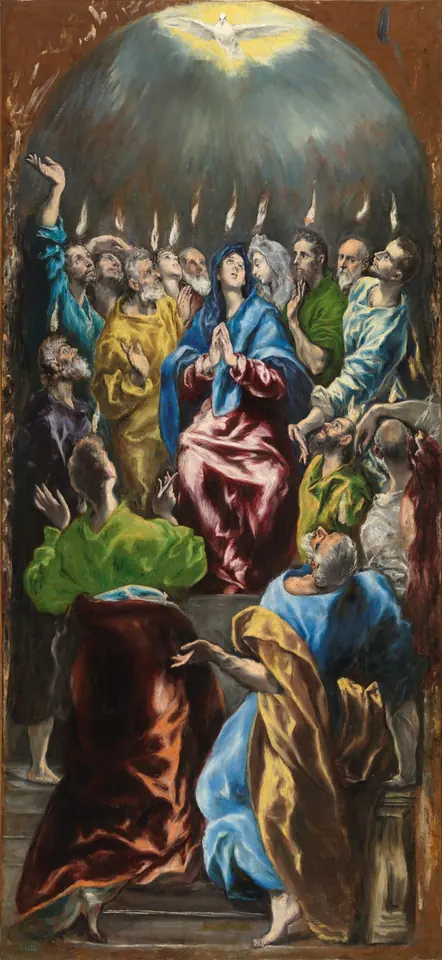
- Pentecost: May 16, the close of the Easter season
- Orthodox Easter (Pascha): May 2
How the date of Easter is set
Easter is the Sunday after the first full moon on or after March 21. In 2027 the Church's tables put that full moon, the paschal full moon, on Monday, March 22, so Easter is the following Sunday, March 28. Because the moon and the week move independently of the calendar, Easter can fall on any date from March 22 to April 25.
The rule grew out of the oldest arguments in the Church's history. Christ rose on the Sunday after the Jewish Passover, which is reckoned by the moon. By the second century most churches kept Easter on that Sunday, but the churches of Asia Minor kept it on the fourteenth day of the Jewish month of Nisan, whatever weekday it fell on. St. Polycarp traveled to Rome about the year 150 to discuss the question with Pope Anicetus, and the two parted in peace without agreeing, as St. Irenaeus later recorded.
The Council of Nicaea in 325 settled the larger question. The decree itself hasn't survived, but Emperor Constantine's letter to the churches after the council, preserved by Eusebius, reports that "it was resolved by the united judgment of all present, that this feast ought to be kept by all and in every place on one and the same day." In practice the Church followed the reckoning of Alexandria, which held that Easter must come after the spring equinox, fixed at March 21. The astronomers of Alexandria worked out the tables, and the Bishop of Alexandria announced each year's date. St. Athanasius did this in his festal letters.
The moon in these tables is not quite the moon in the sky. As the Catholic Encyclopedia puts it, the Church "held that the determination of Easter was primarily a matter of ecclesiastical discipline and not of astronomical science." The ecclesiastical moon usually matches the real one within a day or two. When Pope Gregory XIII reformed the calendar in 1582, he corrected the drift of both the equinox and the lunar tables, and Western Christians have used his Gregorian tables since.
Holy Week 2027, day by day
Palm Sunday, March 21
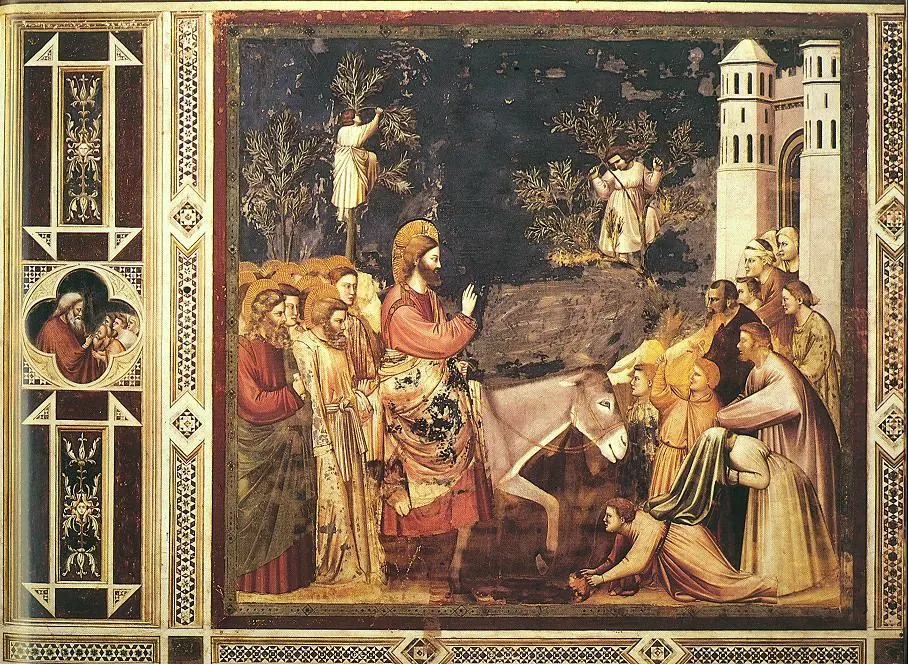
Holy Week opens with the blessing of palms and a procession recalling Christ's entry into Jerusalem. The Mass then turns to the Passion, read in full; in 2027 (Year B of the Sunday cycle) it is the Passion according to St. Mark. Keep a piece of your blessed palm at home. Next year's palms will be burned to make the ashes for Ash Wednesday 2028.
Monday to Wednesday, March 22 to 24
The Gospels of these days follow the last days before the Passion: Mary of Bethany anointing Jesus' feet, Judas going out into the night. Wednesday is sometimes called Spy Wednesday, for the day Judas agreed to betray the Lord. Many dioceses celebrate the Chrism Mass on one of these days, when the bishop blesses the holy oils for the coming year and the priests renew their promises.
Holy Thursday, March 25
Lent ends on Holy Thursday evening, and the Easter Triduum begins with the Mass of the Lord's Supper. We remember the institution of the Eucharist and the priesthood, and the priest washes the feet of chosen members of the parish. After Mass the Blessed Sacrament is carried in procession to an altar of repose, and the faithful keep watch with the Lord, as he asked Peter, James and John to watch with him in Gethsemane.
Holy Thursday 2027 is also March 25, the usual date of the Annunciation. Since no solemnity can displace the days of Holy Week, the Annunciation moves to Monday, April 5, the day after the Easter Octave ends.

Good Friday, March 26
No Mass is celebrated on Good Friday. In the afternoon, usually around three o'clock, the hour of the Lord's death, the Church celebrates the Passion of the Lord: the reading of St. John's Passion, the solemn intercessions for the Church and the world, the veneration of the Cross, and Holy Communion from hosts consecrated the night before. Good Friday is a day of fasting and abstinence. The US bishops ask that, where possible, the fast be continued until the Easter Vigil as the "paschal fast."
Holy Saturday, March 27
Holy Saturday is a day of silence at the tomb. The altar is bare and no Mass is celebrated during the day. Many families have their Easter food blessed, a Polish and Slovak custom that has spread across American parishes.
The Easter Vigil
The Easter Vigil, which St. Augustine called the mother of all vigils, is the high point of the whole year. The Church's norms say it must take place at night: it "should either begin after nightfall or end before the dawn of Sunday." On March 27, 2027, that means a start well after sunset.
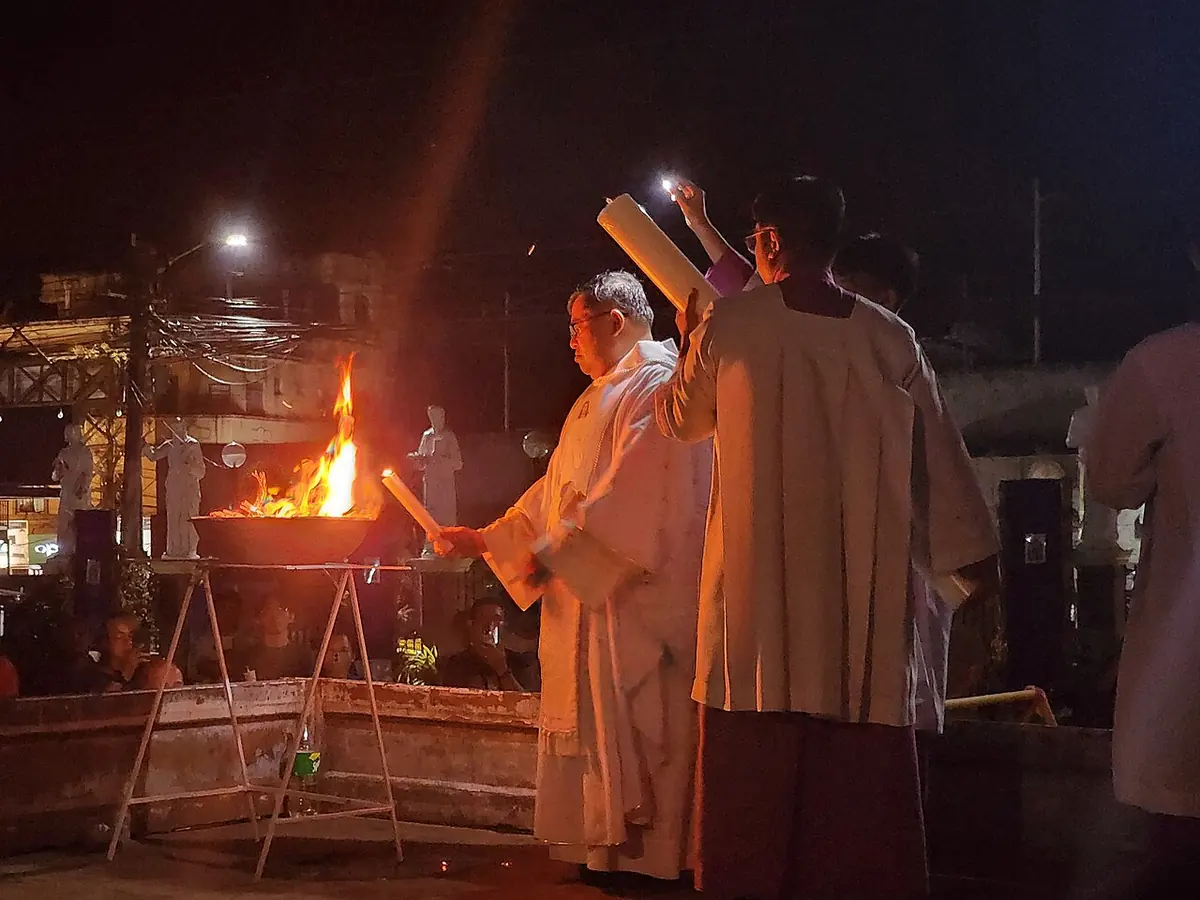
The Vigil has four parts. It begins in darkness outside the church with the blessing of a new fire, from which the paschal candle is lit. The deacon carries it into the dark church, the people light their candles from it, and the Exsultet, the great Easter proclamation, is sung. Then come the readings from creation to the empty tomb, with the Gloria and the first Alleluia since Lent. Third, adults and older children are baptized and confirmed, and all of us renew our baptismal promises. Last comes the Eucharist of Easter.
Easter Sunday, March 28
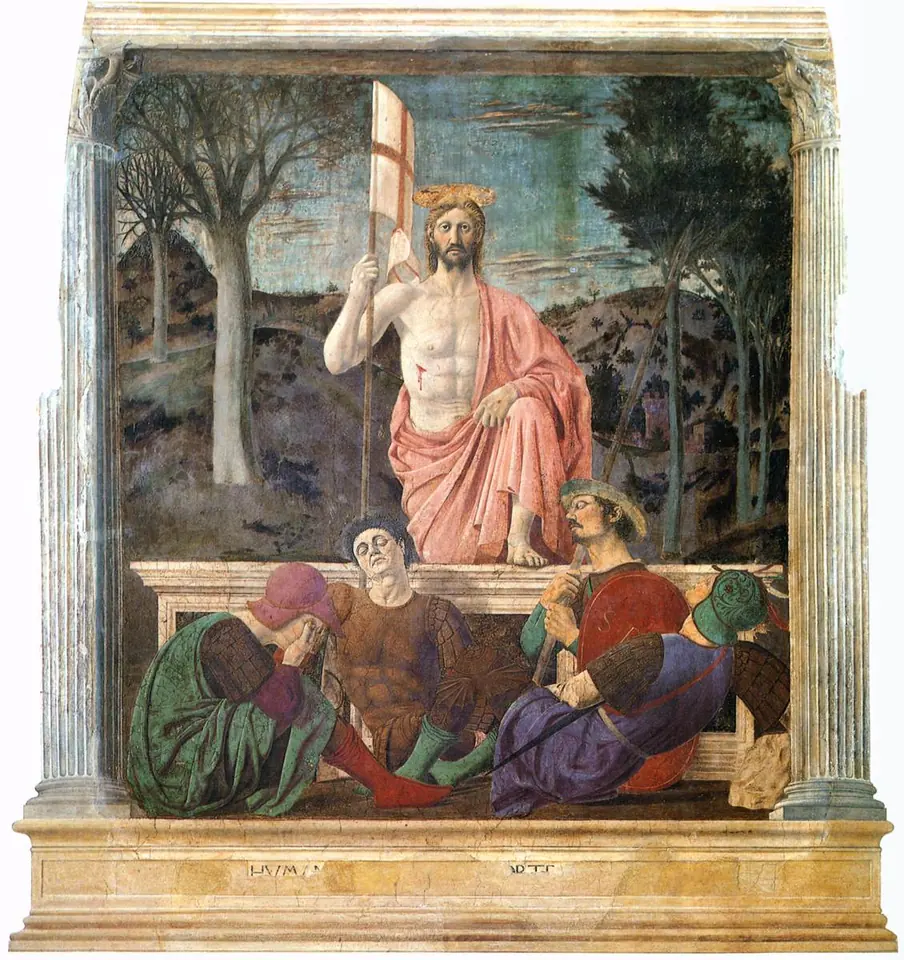
Every Mass on Easter Sunday celebrates the Resurrection. The Gospel at the morning Mass is St. John's account of Mary Magdalene finding the stone rolled away and running to tell Peter and the beloved disciple. Easter Sunday is a day of obligation, and those who attend the Vigil have fulfilled it. Canon 920 also asks every Catholic to receive Holy Communion at least once a year during the Easter season, the Easter duty; in the United States the time for it runs from the First Sunday of Lent to Trinity Sunday, which in 2027 is May 23.
The Easter Octave and the fifty days to Pentecost
Easter is too great for one day. The Church celebrates the first eight days, March 28 to April 4, as the Octave of Easter, and each of them ranks as a solemnity of the Lord. The Gloria is sung every day and the double Alleluia closes Mass. The Octave ends on the Second Sunday of Easter, which St. John Paul II named Divine Mercy Sunday in 2000; in 2027 it falls on April 4.

The Easter season itself lasts fifty days. The 1969 norms call them one feast day, "or better as one 'great Sunday.'" The Ascension comes on the fortieth day, Thursday, May 6, 2027. In the ecclesiastical provinces of Boston, Hartford, New York, Omaha and Philadelphia it stays on that Thursday as a holy day of obligation; elsewhere in the United States it moves to Sunday, May 9 (see holy days of obligation 2027). The days after the Ascension are a novena of prayer for the coming of the Holy Spirit, and the season closes with Pentecost on May 16, 2027. Ordinary Time resumes the next day, followed by Trinity Sunday on May 23 and, in the United States, Corpus Christi on May 30.
Orthodox Easter 2027: May 2
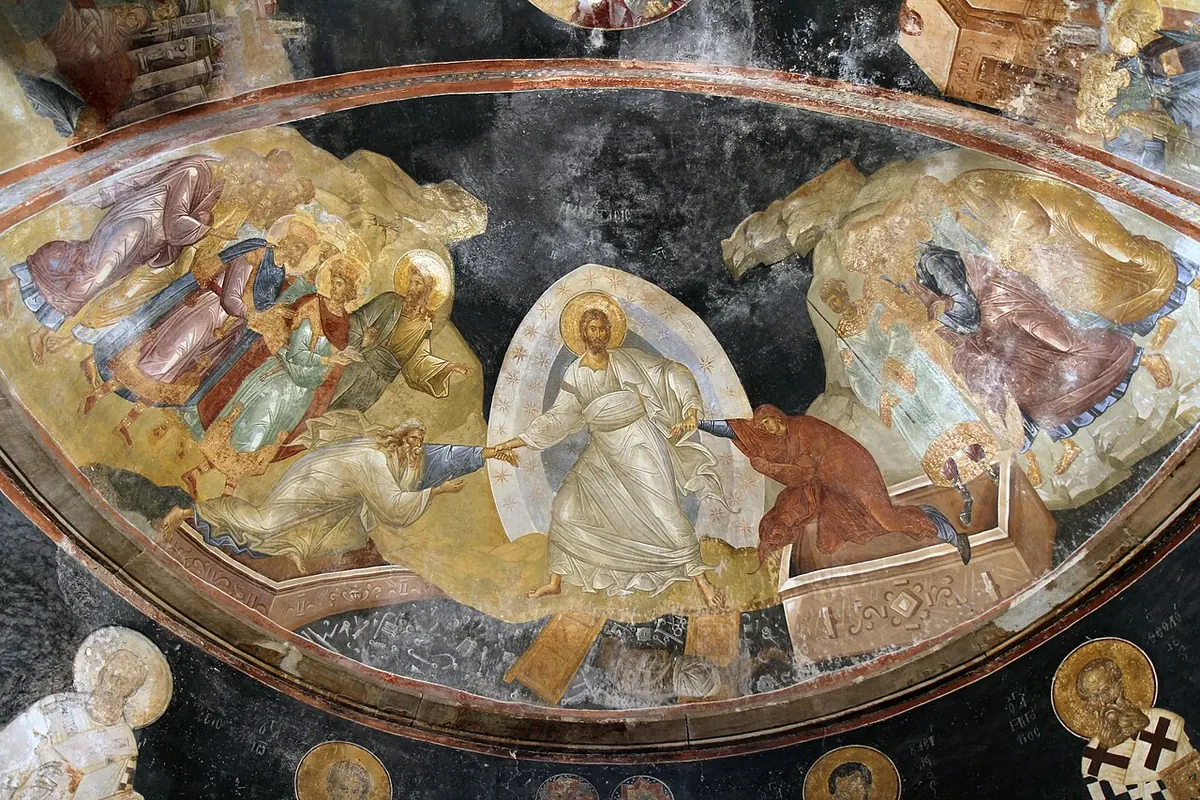
The Orthodox churches celebrate Pascha on Sunday, May 2, 2027. Some Eastern Catholic churches keep Easter on the same day as their Orthodox neighbors.
The difference comes from the calendar, not from a different rule. Both East and West keep Easter on the Sunday after the paschal full moon that follows March 21. The Orthodox churches still reckon both the date and the moon by the Julian calendar, which now runs thirteen days behind the Gregorian. Their March 21 is our April 3. In 2027 their paschal full moon falls on April 25 by our calendar, which is itself a Sunday, and since Easter must come on the Sunday after the full moon, Pascha moves on a full week to May 2. Orthodox Holy Week 2027 runs from Palm Sunday, April 25, to Great and Holy Friday, April 30, and Orthodox Pentecost is June 20.
The two dates sometimes coincide. They did in 2025, the 1,700th anniversary of Nicaea, when East and West both kept Easter on April 20, and they will again on April 16, 2028. Popes and patriarchs have often expressed the hope that all Christians might one day keep the feast together, as the bishops at Nicaea intended.
Preparing for Easter 2027
Lent is the Church's preparation for Easter: forty days of prayer, fasting and almsgiving that start on Ash Wednesday, February 10. Most parishes offer extra confession times in Holy Week, and many hold a communal penance service in the weeks before. Plan to attend all three days of the Triduum if you can; they are one celebration spread over three days. And let us pray for those who will be baptized and received into the Church at the Easter Vigil on March 27, who have been preparing all year for that night.
For how the seasons fit together, see feast days and the Church calendar, and to look up the saints of any date, see the feast day calendar.
Frequently asked questions
When is Easter 2027?
Easter Sunday 2027 is March 28, 2027. The Easter Vigil, the first Mass of Easter, is celebrated after nightfall on Holy Saturday, March 27.
When is Orthodox Easter 2027?
Orthodox Easter (Pascha) 2027 is Sunday, May 2, 2027, five weeks after the Western date. The Orthodox churches still calculate Easter with the Julian calendar, which puts the spring equinox and the paschal full moon later.
When is Good Friday 2027?
Good Friday 2027 is March 26. It is a day of fasting and abstinence for Latin Catholics, and the Church celebrates the Lord's Passion, usually in the afternoon, instead of Mass.
Why is Easter so early in 2027?
The Church's tables put the paschal full moon on Monday, March 22, 2027, just after the March 21 equinox date, so Easter falls on the next Sunday, March 28. Easter can fall anywhere from March 22 to April 25.
When is Easter 2028?
Easter 2028 is April 16, and Orthodox Easter falls on the same day that year.
Is Easter Monday a holy day of obligation?
No. Easter Monday is a day within the Easter Octave and is celebrated as a solemnity in the liturgy, but there is no obligation to attend Mass. The obligation falls on Easter Sunday itself.