Patron saint of lost causes

The patron saint of lost causes is St. Jude Thaddeus, the apostle invoked for hopeless cases and desperate situations. St. Rita of Cascia is the saint of impossible causes, and St. Philomena is also invoked when nothing else is left. We ask their prayers when every door seems shut, trusting God, who answers through them.
Patron saints of lost causes
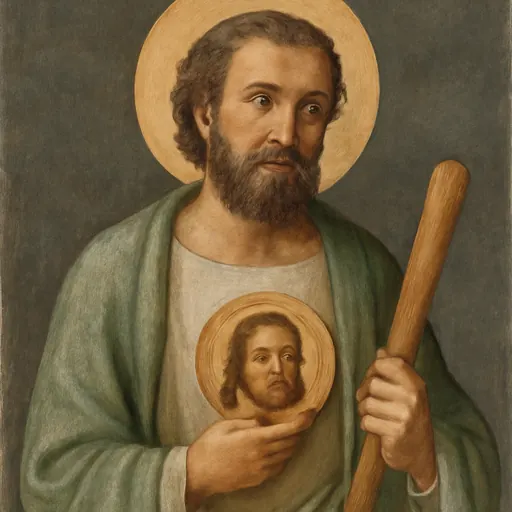 St. Jude Thaddeus
 St. Gregory Thaumaturgus
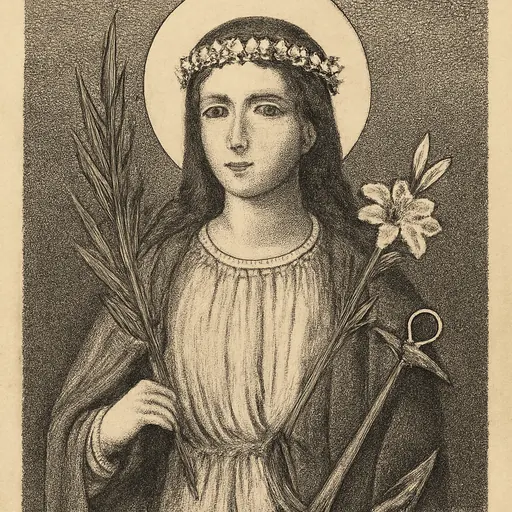 St. Philomena
 St. Rita of Cascia
Some prayers are said in a hospital corridor at two in the morning. A child has stopped speaking to the family, the bank letter has come, the doctor has run out of things to try. For those hours the Church has never had one official "patron of lost causes," but the faithful have long turned to three saints in particular, and each came to the title in a different way.
St. Jude, the patron saint of lost causes
St. Jude Thaddeus was one of the Twelve Apostles, the "Judas not the Iscariot" of John's Gospel, a relative of the Lord and, by tradition, a martyr in Persia or Armenia. Very little is known about his life. His fame today has almost nothing to do with those few facts and almost everything to do with the people who have asked his help when nothing else was left.

Why St. Jude is the patron of hopeless causes
No document records the moment St. Jude became the patron of hopeless causes. The 1954 novena book of his National Shrine in Chicago admits that the origins of the devotion "are nearly as obscure as details of the life of the great Apostle."
The explanation passed down in prayer books is a sad and lovely one. His name sounded too much like that of Judas Iscariot, the traitor, so for centuries few people prayed to him. The forgotten apostle became the one people went to last, after every other saint had been asked. The traditional prayer says exactly this: the traitor's name "has caused thee to be forgotten by many, but the Church honors and invokes thee universally as the patron of hopeless cases and of things despaired of."
What made the title famous in America was a parish of steelworkers. In 1929 the Claretian priest Fr. James Tort began devotions to St. Jude at Our Lady of Guadalupe Church in South Chicago. The shrine records that the first solemn novena opened on February 17, 1929, and that by the feast of St. Jude that October more than a thousand people stood outside the church to hear the service. Through the Great Depression and the Second World War the novenas grew, and the "patron saint of hopeless causes" became a household phrase.
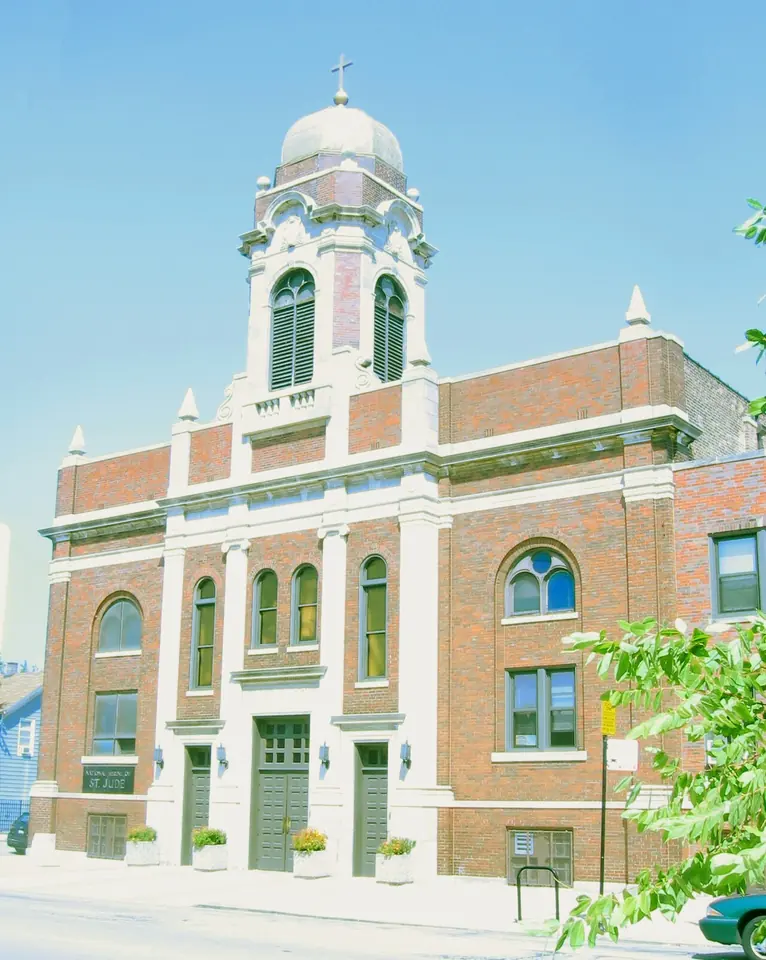
Small "Thank you, St. Jude" notices still appear in newspaper classifieds, placed by people who promised in their novena to make the favor known. His statue stands at the door of St. Jude Children's Research Hospital in Memphis, founded by the entertainer Danny Thomas, who had prayed to the saint as a struggling young man. We keep his feast with St. Simon on October 28; see the feast day calendar.
A prayer to St. Jude
The full St. Jude prayer, "Most holy apostle, St. Jude Thaddeus," is printed word for word on our St. Jude prayer page, from the Chicago booklet of 1929, with its history and the novena customs. For a moment of need, the same booklet closes its prayers with a short versicle and response that anyone can say:
St. Jude Thaddeus, pray for us. And for all who invoke thy aid.
St. Rita of Cascia, the saint of the impossible
St. Rita lived in the hills of Umbria in the 14th and 15th centuries. She was a wife whose husband was murdered in a feud, a mother who lost both sons, a widow who was turned away three times by the Augustinian convent at Cascia before she was let in, and a nun who bore a wound on her forehead for fifteen years. She died on May 22, 1457, and Pope Leo XIII canonized her on May 24, 1900.

The title came from the people at her tomb. The nuns say she was invoked first against plague, and Cascia's town council began a book of the miracles reported there in the year she died. The Catholic Encyclopedia notes that in Spain she came to be called la santa de los imposibles, the saint of the impossible. Her own life looked impossible more than once. A widow refused three times got in anyway, and a peacemaker ended a blood feud that had killed her husband.
The prayer of petition used at her national shrine in Philadelphia addresses her the way her clients always have:
Glorious Saint Rita, patroness of those in need, your intercession with our Lord is most powerful. Through the favors obtained by your prayers you have been called "Advocate of hopeless and even impossible cases."
Notice how the prayer goes on: it asks for the favor "if they are for the greater honor of God, and for our good." That is the spirit of every prayer to the saints. We bring them our impossible things, and we let God decide what is truly good for us.

St. Philomena: "nothing is refused"
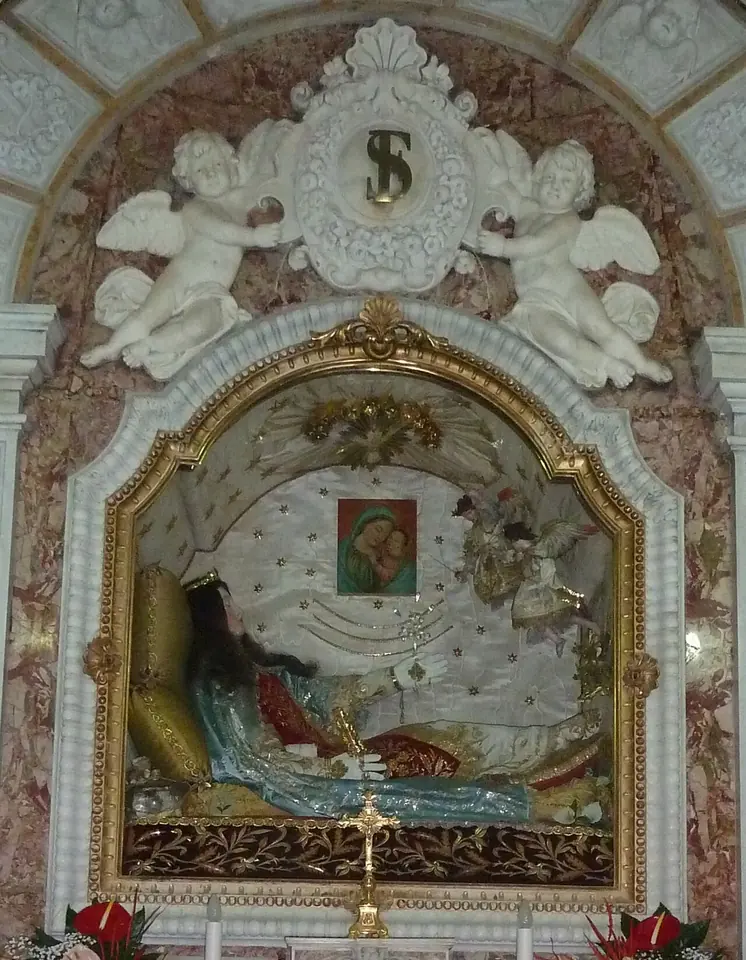
St. Philomena is the third great name for causes that look hopeless. In 1802 the remains of a girl of about thirteen were found in the Catacomb of Priscilla in Rome and taken in 1805 to Mugnano del Cardinale, near Naples. Her shrine's fame was built on cures that doctors had given up on. The most famous was the reported healing of Pauline Jaricot, the founder of the Society for the Propagation of the Faith, who reached Mugnano in 1835 with a heart disease her doctors thought incurable and was healed there on the saint's feast. Pope Gregory XVI authorized public veneration of Philomena in 1837, and St. John Vianney, the Curé of Ars, sent the sick and troubled to make novenas to her for the rest of his life.

Devotional writers of the 19th century repeated a phrase from the revelations of a Neapolitan nun, Sister Maria Luisa of Jesus, "To Philomena nothing is refused," and it stuck. Her story has also been argued over. Archaeologists came to doubt that the inscribed tiles belonged to the girl in the tomb, and in 1961 the Holy See removed her feast from the calendars where it had been kept. Her shrine still receives pilgrims, her cord is still blessed and worn, and many of the faithful still turn to her for the young and for things that look beyond help.
Hopeless, impossible, desperate: is there a difference?
Prayer books use the words loosely, and so do we. Still, the old titles carry slightly different shades:
- Hopeless causes and desperate situations belong to St. Jude: things "despaired of," where we have stopped expecting help at all.
- Impossible causes belong to St. Rita and St. Philomena: things that by every human measure cannot happen, such as a cure doctors rule out or a reconciliation no one believes in.
- Urgent causes are sometimes brought to St. Expedite, whose devotion grew up in Sicily and the Indian Ocean island of Réunion. The thank-you plaques at his altars are reported favors that the Church has not examined, and his legend is traditional.
None of these titles comes from a papal decree. They grew from the prayers of ordinary people and from the favors those people reported. That doesn't make them less real. It means they are what the Church calls popular devotion, and the Church has welcomed it for centuries.
How to pray when a cause seems lost
There is no special formula. The saints' clients have done roughly the same things for a century:
- Pray a novena. Nine days of prayer, often to St. Jude or St. Rita, with the same intention each day. Novenas to St. Jude are held at his shrines before his feast in October; the shrine of St. Rita in Cascia keeps fifteen Thursdays before her feast in May.
- Go to Mass and confession. The old St. Jude booklets urge the faithful to receive the sacraments during the novena. A hopeless case often has a soul in it that needs grace as much as help.
- Promise to make the favor known. This is why the classified notices exist. It is a way of giving thanks in public and of encouraging the next person who feels lost.
- Leave the answer to God. Sometimes the cause is won. Sometimes the person who prayed is changed instead, and finds the strength to carry what didn't go away.

The saints on this page went through their own lost causes. Jude preached Christ and, by tradition, died for him far from home. Rita buried a husband and two sons. Philomena, whoever she was, died young. Let us ask them to pray for us, and for everyone who has run out of hope tonight. St. Jude, St. Rita and St. Philomena, pray for us.
See also the patron saints of lost things, of travelers, and the full list of patron saints.
Frequently asked questions
Who is the patron saint of lost causes?
St. Jude Thaddeus, one of the Twelve Apostles. He is invoked for hopeless causes, desperate situations and "things despaired of." St. Rita of Cascia shares the title as the saint of impossible causes, and St. Philomena is also invoked when every human remedy has failed.
Why is St. Jude the patron of hopeless causes?
No document records the moment the title began. The usual explanation is that his name sounded like Judas Iscariot's, so few people prayed to him, and he became the saint people turned to when every other hope was gone. The novenas at the National Shrine of St. Jude in Chicago, begun in 1929, made the title famous across America.
What is the difference between St. Jude and St. Rita?
Both are invoked when a situation looks beyond help. St. Jude is an apostle of the first century, called the patron of hopeless causes and desperate situations. St. Rita is an Augustinian nun who died in Cascia, Italy, in 1457 and was canonized in 1900; Spain called her "the saint of the impossible." Many people ask both of them to pray, and there is nothing wrong with that.
Who is the patron saint of desperate situations?
St. Jude. His National Shrine in Chicago and his traditional prayers call him the patron of hopeless cases and of things despaired of. For an urgent need, some also ask the prayers of St. Expedite, though his devotion is far more local and its stories are traditional.
Is there a prayer to the patron saint of lost causes?
Yes. The best-known is the St. Jude prayer that begins "Most holy apostle, St. Jude Thaddeus," printed by the Chicago shrine in 1929. Its full text and history are on our St. Jude prayer page. The shrine's book also gives a short invocation that anyone can say at once, "St. Jude Thaddeus, pray for us."
Does praying to St. Jude guarantee an answer?
No prayer works like a vending machine, and the old prayers themselves say so. St. Rita's shrine prayer asks for a favor "if they are for the greater honor of God, and for our good." We ask the saints to pray with us and for us, and we leave the answer to God, who sometimes gives something better than what we asked.
Sources
- National Shrine of St. Jude: History of the Shrine
- St. Jude Novena Prayer Book, National Shrine of St. Jude, Chicago (imprimatur Samuel Cardinal Stritch, 1954)
- Wm. A. Marchant, O.P., Life of St. Jude Thaddeus, "Helper in Despaired of Cases" (Chicago, 1929), Internet Archive
- Catholic Encyclopedia (1912): St. Rita of Cascia
- National Shrine of Saint Rita of Cascia, Philadelphia: Novena Prayers
- Sanctuary of St. Philomena, Mugnano del Cardinale: Saint Philomena and Pauline Jaricot
- New Liturgical Movement: Compendium of the Reforms of the Roman Breviary, Part 10.3, The Reform of Local Calendars in 1961