Patron saint of lost things
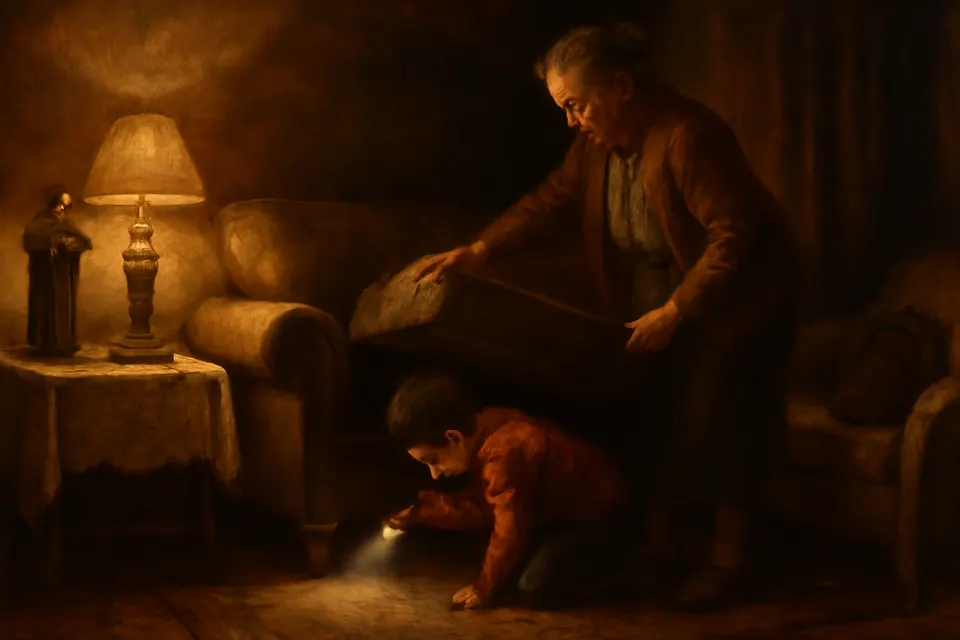
The patron saint of lost things is St. Anthony of Padua, the Franciscan who died in 1231. A hymn written two years after his death already praised him for restoring "lost things," and tradition tells of a stolen book returned through his prayers. St. Zita is asked to help find lost keys, and Greek Orthodox Christians pray to St. Phanourios.
Patron saints of lost things
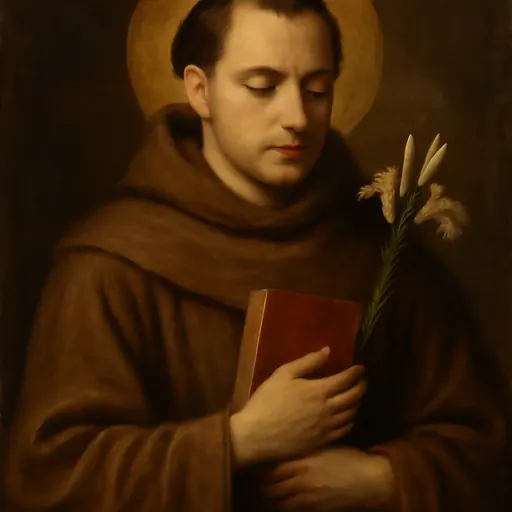 St. Anthony of Padua
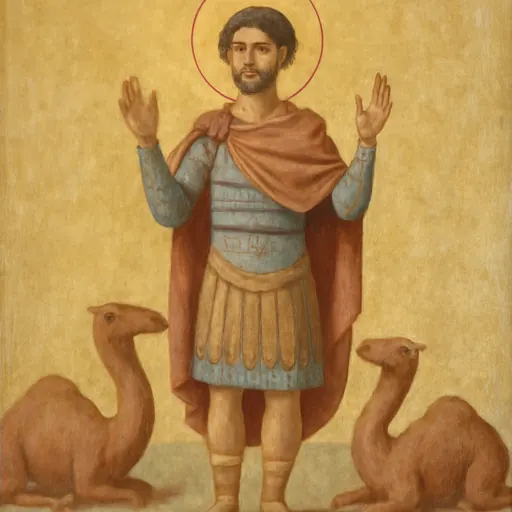 St. Mina
 St. Phanourios
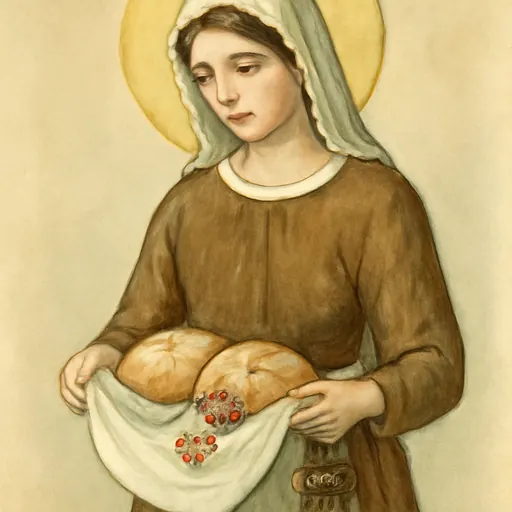 St. Zita of Lucca
Keys, glasses, a wedding ring, the passport the night before a flight: when something goes missing, a great many people who seldom pray at all find themselves saying, "St. Anthony, help me find it." The habit is old and has a real history behind it, more than a folk rhyme. Here is who St. Anthony was, why the Church's faithful have asked his help with lost things for nearly eight centuries, and the other saints people turn to for the same need.
St. Anthony of Padua, the patron saint of lost things
St. Anthony of Padua was born in Lisbon around 1195, became an Augustinian canon, and then joined the new Franciscan order after seeing the bodies of the first Franciscan martyrs brought back from Morocco. He set out for Africa himself, fell ill, was shipwrecked on the way home and landed in Italy. There his gift for preaching was discovered almost by accident. He preached across northern Italy and southern France, taught theology to the friars, and died near Padua on June 13, 1231, at about thirty-six. Pope Gregory IX canonized him less than a year later, one of the fastest canonizations in the Church's history. In 1946 Pius XII declared him a Doctor of the Church.
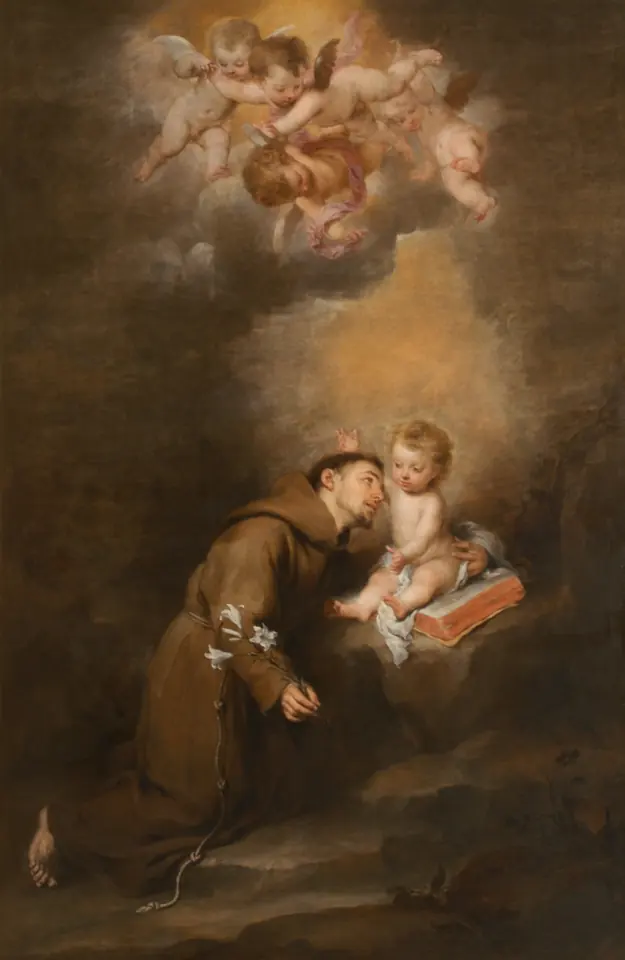
The stolen psalter
The story everyone tells concerns a book. Anthony kept a psalter, a handwritten book of psalms with his own notes for teaching the younger friars, at a time when every book was copied by hand and a teacher might own only a few. Franciscan tradition says a novice who had grown tired of religious life ran away and took the book with him. Anthony prayed for its return, and for the young man. The novice came back, gave him the book, asked forgiveness and returned to the order. Later tellings place the story at Montpellier in France, where Anthony taught, and add a frightening apparition that stopped the runaway on a bridge.
The story is traditional. It isn't in the earliest lives of Anthony, and no one has traced it to a medieval source. Notice, though, what the story is really about. Anthony got his book back, and the Church got back a vocation that had nearly been lost.

The hymn that called him the finder of lost things
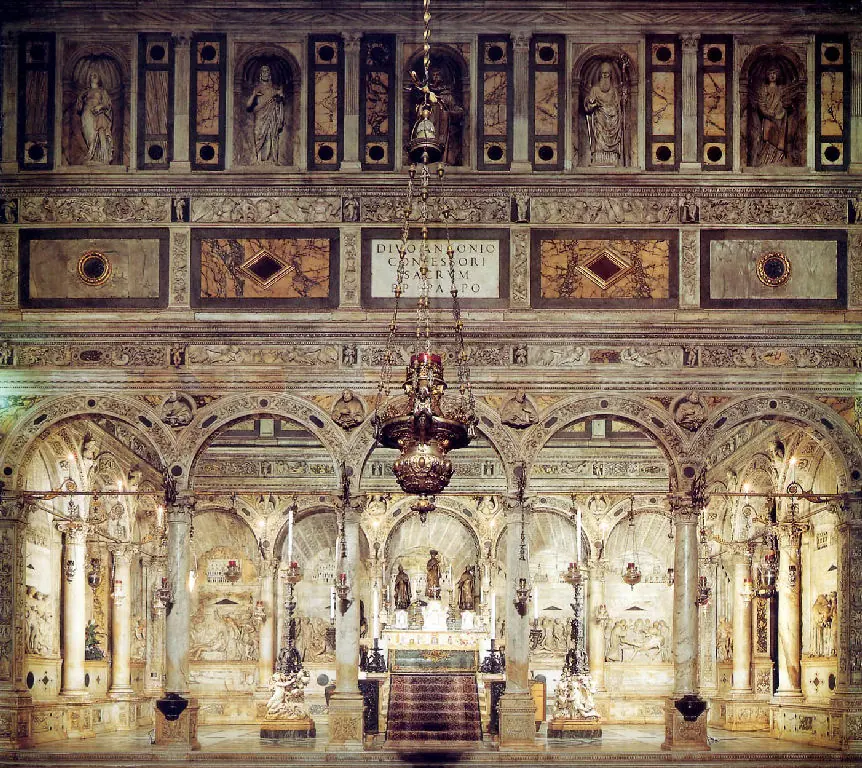
The connection between Anthony and lost things is older than the psalter story. Within two years of his death, the German Franciscan Julian of Speyer wrote a rhymed Office for his feast. Its last responsory, the Si quaeris, lists the wonders worked through Anthony's prayers, and one line says that "limbs and lost things" (membra resque perditas) are asked for and received by young and old. The Basilica of St. Anthony in Padua dates the Office to 1233 and still sings the Si quaeris every Tuesday. The Catholic Encyclopedia cites that line to explain why "he is especially invoked for the recovery of things lost."
This is the second verse in the traditional English version printed in older Catholic prayer books:
The sea obeys, and fetters break, And lifeless limbs thou dost restore, While treasures lost are found again, When young and old thine aid implore.
What we are really asking
The Church has never taught that Anthony has a special power over car keys. Saints don't act on their own. When we ask St. Anthony to help us find something, we are asking a friend in heaven to pray with us, and leaving the result to God. The old prayer books say this outright. The classic prayer printed in Saint Antony's Manual in 1897 asks for the lost thing back "if it be to the greater glory of God and to the spiritual benefit of my soul," and its opening lines call him "the patron for the restoration of things lost or stolen." The full prayer, the Si quaeris, the "Unfailing Prayer" and the thirteen Tuesdays are on our St. Anthony prayer page.
The faithful have always stretched the patronage beyond objects. People ask Anthony's help to find a lost faith, a lost peace of mind, a child who has drifted away from the Church. That fits the psalter story better than the keys do. The young friar who ran off with the book was himself a kind of lost thing, and what Anthony prayed for, in the end, was the young man's return as much as the book's. When we ask for help with something small, it does no harm to add a word for the bigger things we have mislaid.

"Tony, Tony, look around"
In many American homes the prayer is a rhyme: "Tony, Tony, look around, something's lost and must be found," or "St. Anthony, St. Anthony, please come around; something is lost and cannot be found." These rhymes are folk custom, not prayers of the Church, and nobody knows who first made them up. Said with a little faith, they are still a way of turning to a saint. Many families also give an alms in thanksgiving when the lost thing turns up, an old custom called St. Anthony's Bread. It took its name from a shopkeeper in Toulon, France, in the 1890s, who promised bread for the poor if her jammed shop door would open.
St. Zita, patron of lost keys
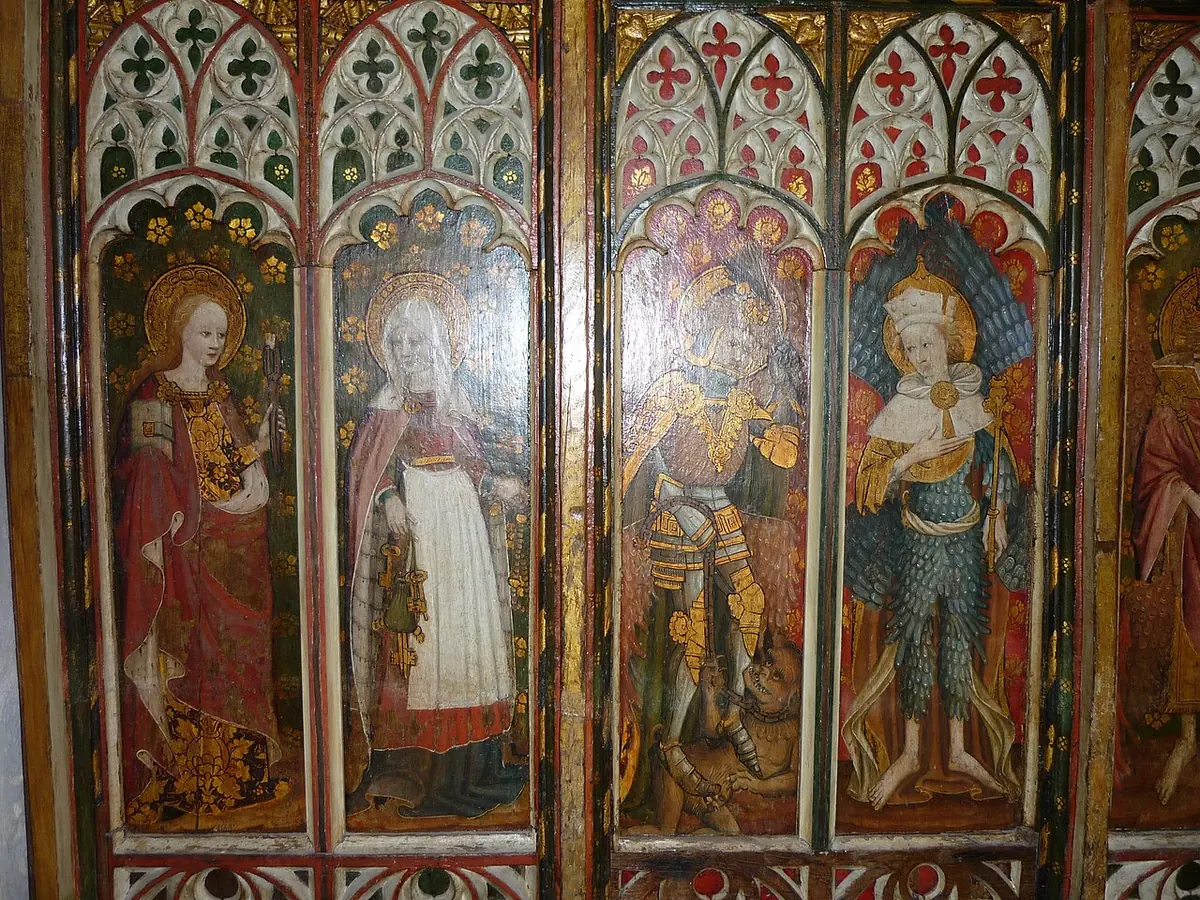
St. Zita was a servant in the house of the Fatinelli family in Lucca, in Tuscany, from the age of twelve until she died in 1272. She rose to run the household and held its keys, and keys became her emblem in art. In late medieval England, where she was known as Sitha, maids and housewives prayed to her when they lost their keys, and the custom spread. It is popular devotion, not a formal patronage, and it is a homely one: the patron of people who keep house is the one we ask when the house keys disappear.
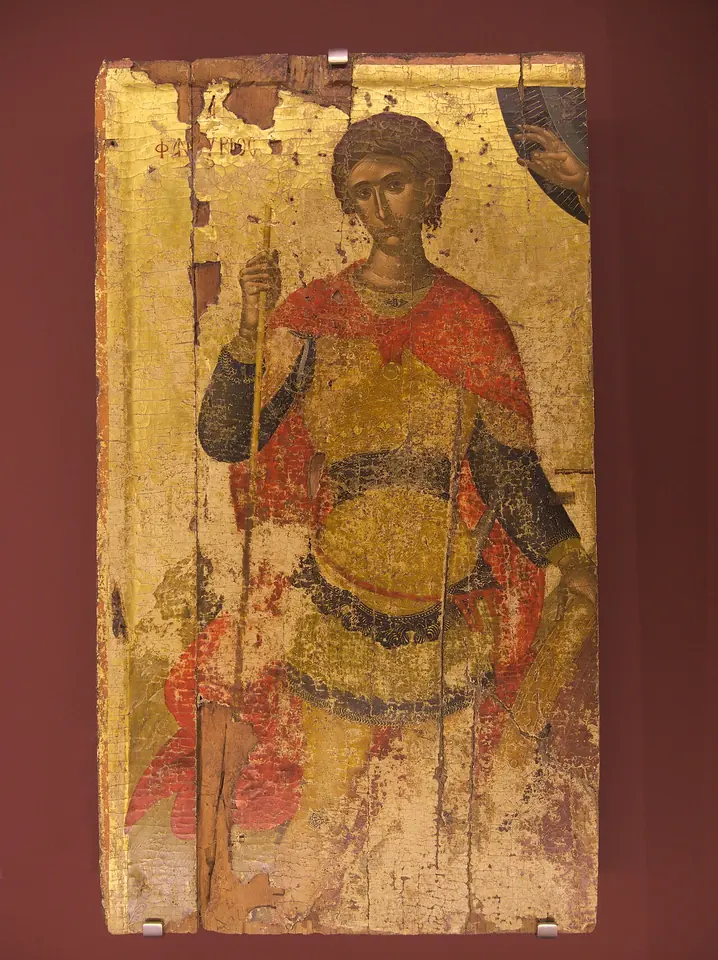
St. Phanourios in the Greek tradition
Greek Orthodox Christians turn to St. Phanourios when something is lost. The Orthodox Church in America says frankly that "we know nothing for certain" about his life. His icon was found in the ruins of a church on Rhodes around the year 1500, showing a young soldier martyr. His name sounds like the Greek verb phanerono, "to reveal," and so, the OCA explains, "people pray to Saint Phanourius to help them find lost objects." When the thing is found, families bake a sweet bread, the phanouropita, share it with the poor and pray for the saint's mother, as an old tradition asks. His feast is August 27.
Other patronages of St. Anthony
Anthony is the patron of lost things above all, but not only of them. The Si quaeris says "the sea obeys," and he himself was shipwrecked, so he is a patron of travelers and of those at sea. His care for debtors and the custom of his bread make him a patron of the poor. Portugal, Lisbon and Padua claim him as their own. In Portugal and Brazil young women ask his help in finding a husband, which is perhaps the most hopeful kind of search.

His feast is June 13, and many of the faithful prepare for it with thirteen Tuesdays of prayer. See the feast day calendar.
The next time something goes missing, let us pray the way the old books teach: ask St. Anthony to pray with us, look again with patience, and give thanks when it turns up. St. Anthony of Padua, pray for us.
See also the patron saints of lost causes, travelers and the full list of patron saints.
Frequently asked questions
Who is the patron saint of lost things?
St. Anthony of Padua, the Portuguese-born Franciscan friar who died in Padua in 1231 and whose feast is June 13. The responsory Si quaeris, written for his feast around 1233, already says that through his prayers "lost things" are restored.
Why is St. Anthony the patron saint of lost things?
Tradition says a novice ran away with the psalter Anthony used for teaching, and returned it, repentant, after Anthony prayed. The story is traditional, but the link to lost things is very old. The Si quaeris, written two years after his death, praises him for restoring "limbs and lost things," and the faithful have prayed it for lost things ever since.
What is the prayer to St. Anthony for lost things?
The traditional prayer begins "O blessed St. Antony! The grace of God has made thee a powerful advocate in all necessities, and the patron for the restoration of things lost or stolen." It appears in an American prayer book of 1897. Its full text, the Si quaeris and the Unfailing Prayer are on our St. Anthony prayer page. Many people simply say, "St. Anthony, please help me find what I have lost."
Who is the patron saint of lost keys?
St. Zita of Lucca, a household servant who died in 1272 and kept the keys of the house where she worked. In late medieval England, where she was called Sitha, maids and housewives prayed to her when they lost their keys. It is popular devotion, not a formal patronage, and many people ask St. Anthony for keys too.
Is "Tony, Tony, look around" a real prayer?
It is a folk rhyme, not a prayer of the Church, usually said as "Tony, Tony, look around, something's lost and must be found." No one knows who made it up. People say it half smiling, and most of them mean it, so it is still a way of asking a saint for help.
Is St. Anthony of Padua the same as St. Anthony the Great?
No. St. Anthony of Padua, the patron of lost things, was a 13th-century Franciscan honored on June 13. St. Anthony the Great was an Egyptian hermit who died in 356, honored on January 17; he is the patron of monks and farm animals. The Franciscan took the name Anthony in honor of the desert saint.
Sources
- Catholic Encyclopedia (1907): St. Anthony of Padua
- Basilica of St. Anthony, Padua: Si quaeris
- New Liturgical Movement: The Miraculous Responsory of St Anthony of Padua (Gregory DiPippo, 2022)
- Saint Antony's Manual (Washington, D.C.: St. Antony's Dept., Mount St. Sepulchre, 1897), Internet Archive
- Catholic Encyclopedia (1912): St. Zita
- Orthodox Church in America: Lives of all saints commemorated on August 27 (St. Phanourius)