Advent 2026

Advent 2026 begins on Sunday, November 29, 2026, and ends on the evening of Thursday, December 24, Christmas Eve. The four Sundays of Advent fall on November 29, December 6, December 13 (Gaudete Sunday) and December 20. The First Sunday of Advent opens the new liturgical year, Year B, with readings from St. Mark.
Advent 2026 begins on Sunday, November 29, and ends on Thursday, December 24, Christmas Eve. Here are the dates of the four Sundays and what each one is about, the saints and feasts that fall inside the season this year, and the customs that help us keep it well, from the wreath on the kitchen table to the dawn Masses of Simbang Gabi.
Advent 2026 at a glance
- First Sunday of Advent: November 29, 2026. The new liturgical year begins (Year B).
- Feast of St. Andrew: Monday, November 30. The St. Andrew Christmas novena begins.
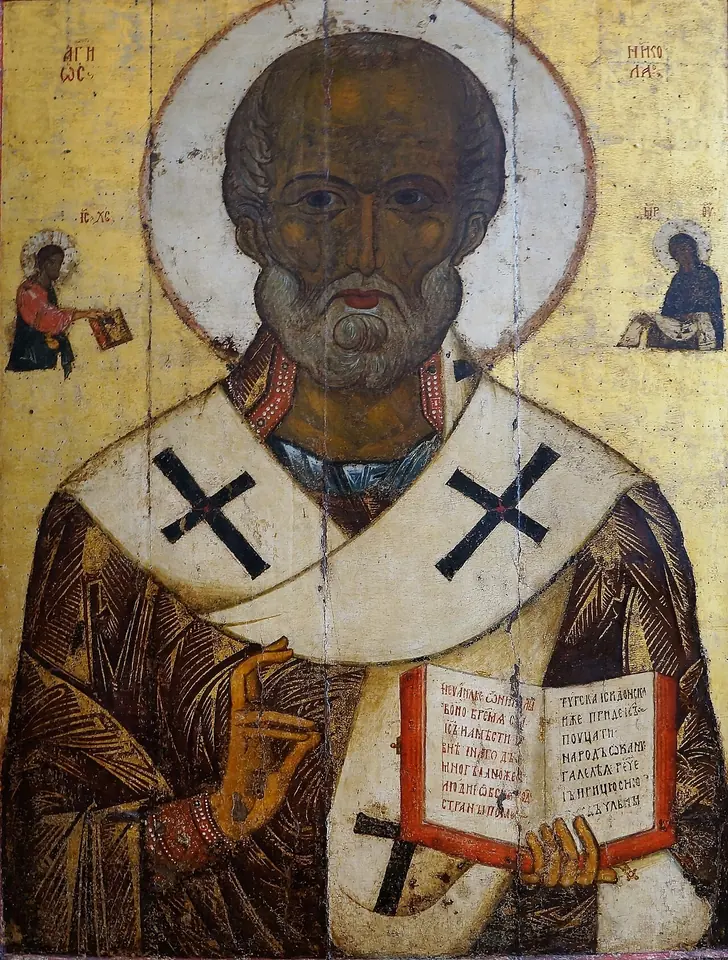
- Second Sunday of Advent: December 6, which is also St. Nicholas Day.
- The Immaculate Conception: Tuesday, December 8. A holy day of obligation in the United States.
- Our Lady of Guadalupe: Saturday, December 12.
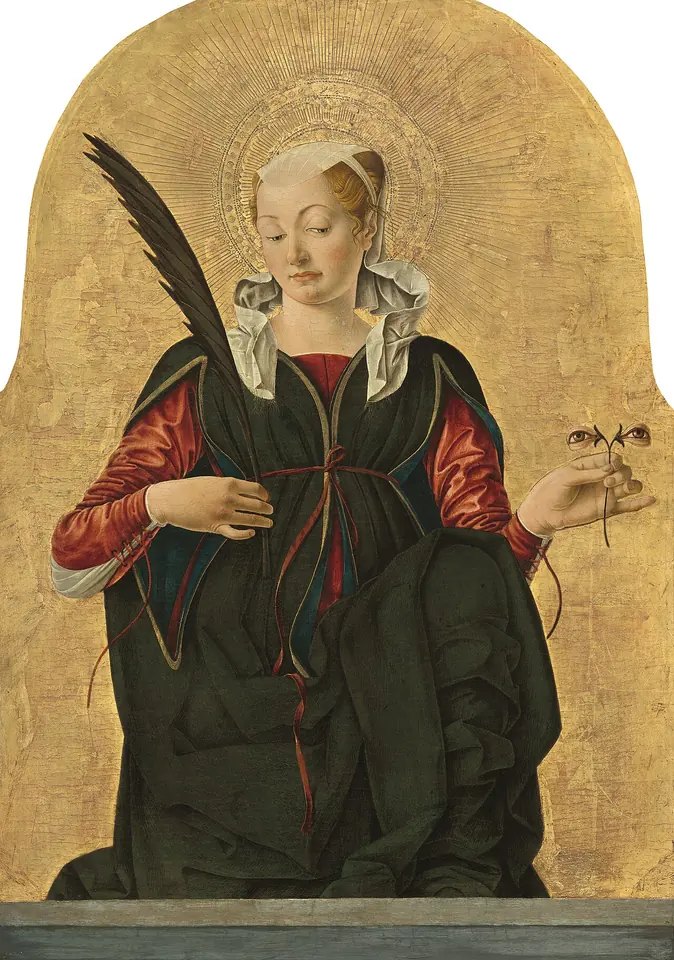
- Third Sunday of Advent (Gaudete Sunday): December 13, also the feast day of St. Lucy.
- Simbang Gabi and Las Posadas: December 16 to 24.
- The O Antiphons: December 17 to 23.
- Fourth Sunday of Advent: December 20.
- Christmas Eve: Thursday, December 24. Advent ends with the evening vigil Masses of Christmas.
- Christmas: Friday, December 25, 2026.
Advent 2026 runs 26 days. Because Christmas falls on a Friday this year, the fourth week is nearly complete, running from Sunday to Thursday.
When does Advent start in 2026?
The Church's rule is simple. The General Norms for the Liturgical Year say that "Advent begins with evening prayer I of the Sunday falling on or closest to 30 November and ends before evening prayer I of Christmas." In 2026 the Sunday closest to November 30 is November 29, so that is the First Sunday of Advent. Another way to count it: the First Sunday of Advent is always the fourth Sunday before Christmas. Christmas 2026 is a Friday, the Sunday before it is December 20, and counting back three more Sundays brings us to November 29.
Because the liturgical day of a Sunday begins the evening before, Advent really opens at Evening Prayer on Saturday, November 28. The Saturday vigil Masses that night use the readings and violet vestments of the First Sunday of Advent. The week before, on November 22, we celebrate Our Lord Jesus Christ, King of the Universe, the last Sunday of the old liturgical year.
When does Advent end in 2026?
Advent ends on Thursday, December 24, before Evening Prayer I of Christmas. The morning of December 24 is still Advent, with its own Mass and its Gospel of Zechariah's canticle, the Benedictus. Once evening comes, the vigil Masses of Christmas begin and the Christmas season is underway. It lasts until the Baptism of the Lord on Sunday, January 10, 2027.
A new liturgical year: Year B
The First Sunday of Advent is the Church's New Year's Day. On November 29, 2026, the Sunday readings move from Year A, the year of St. Matthew, to Year B, which draws most of its Sunday Gospels from St. Mark. The US bishops' calendar gives the dates of Year B as November 29, 2026, to November 21, 2027. The weekday readings switch to Cycle I at the same time.
That change shapes the whole of Advent 2026. Mark's Gospel is the shortest of the four and has no infancy narrative, so in Year B the Advent Gospels draw from Mark, from St. John and from St. Luke's account of the Annunciation.
The four Sundays of Advent 2026 and their themes
The Church doesn't assign an official one-word theme to each Sunday of Advent, but the readings give each one its own character. The pattern is old: the season begins by looking ahead to Christ's return at the end of time and narrows, week by week, to the manger at Bethlehem. The General Norms describe this "twofold character": Advent prepares for Christmas, "when Christ's first coming to us is remembered," and it is also a time when "that remembrance directs the mind and heart to await Christ's Second Coming at the end of time."
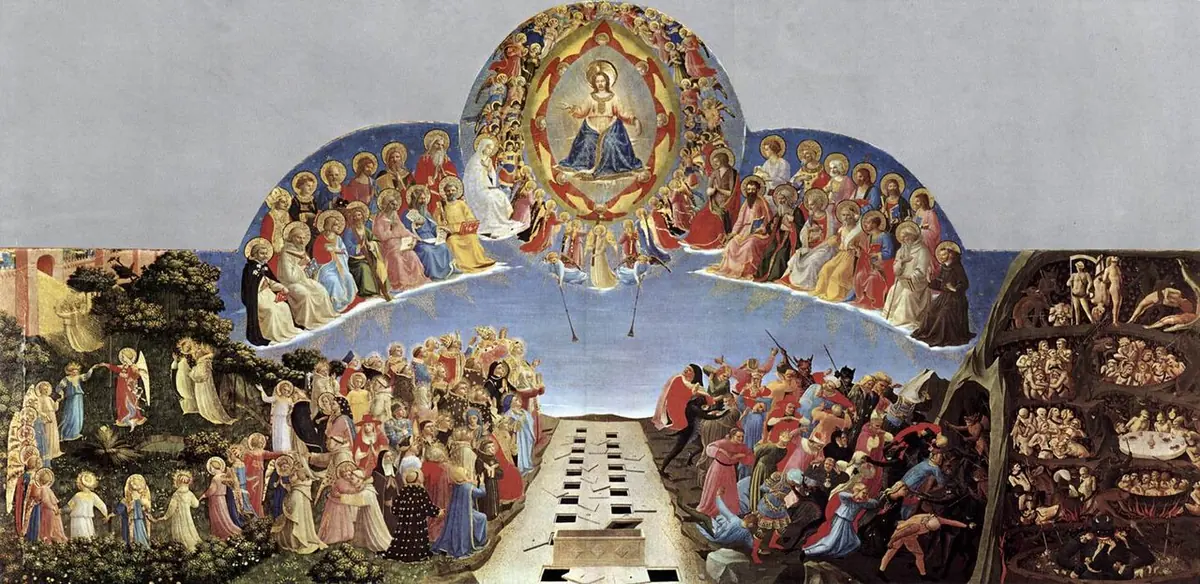
First Sunday of Advent, November 29: watch
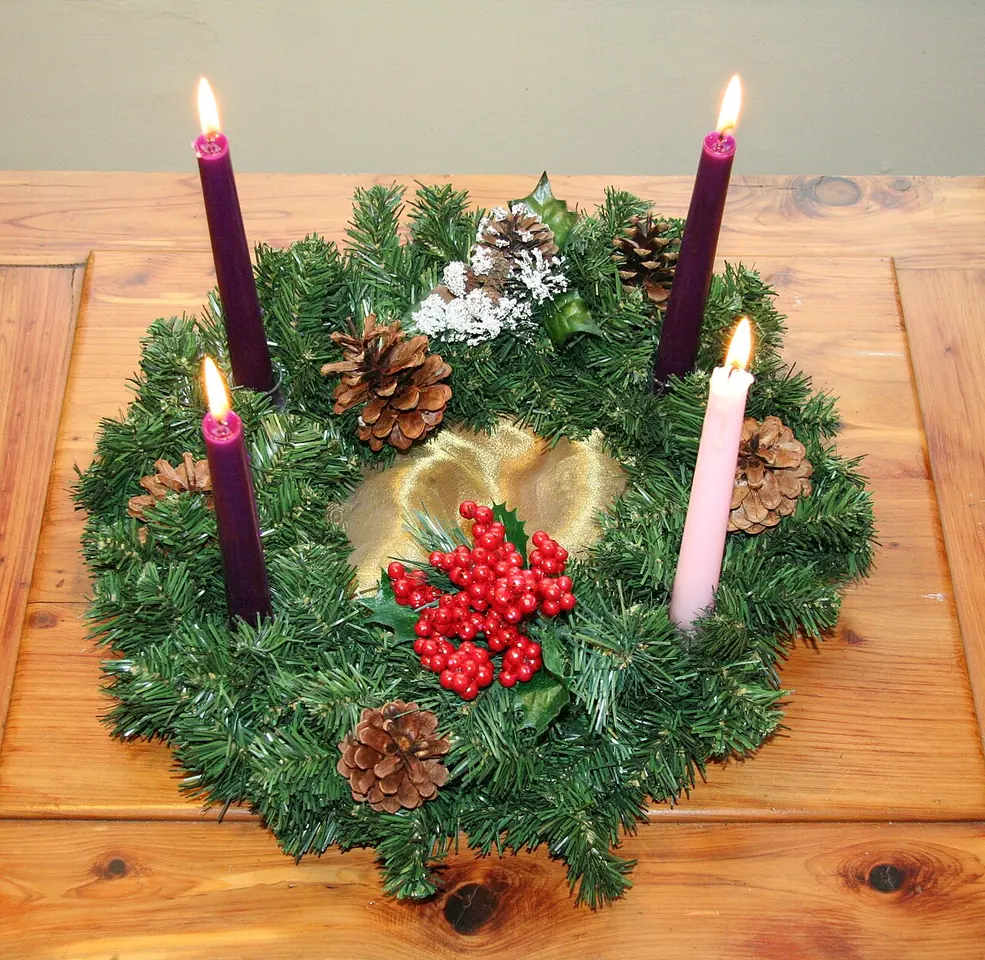
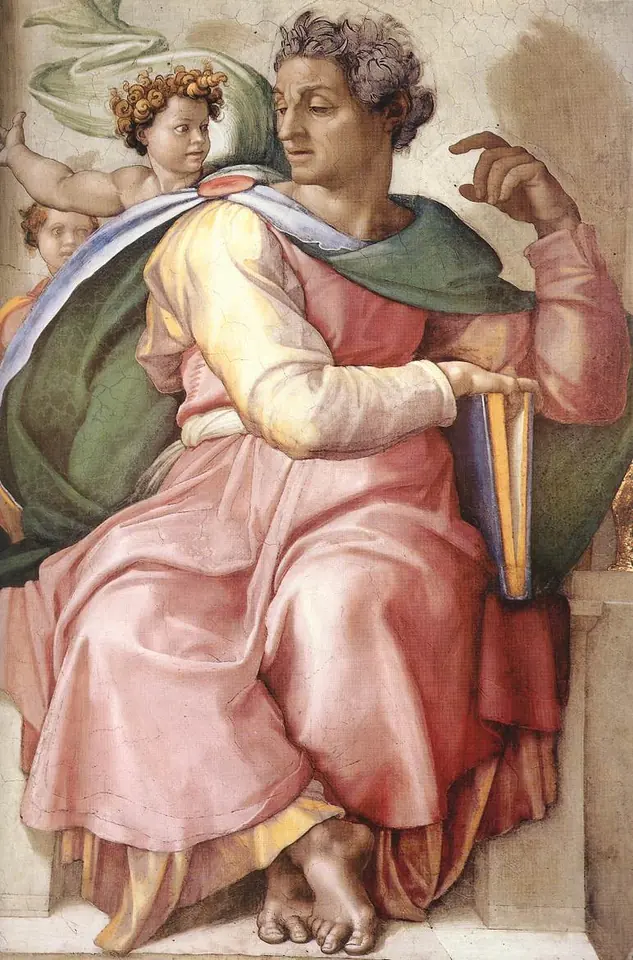
The Gospel is Mark 13:33-37, the Lord's warning to stay awake because we don't know when the master of the house is coming. The first reading, from Isaiah 63 and 64, is one of the most moving prayers in the Old Testament: a people who know they have wandered, begging God, in the Douay-Rheims words of Isaias 64:1, "That thou wouldst rend the heavens, and wouldst come down." We light the first violet candle on the wreath. The theme is watchfulness and hope: the Lord is coming, and we want him to find us ready.
Second Sunday of Advent, December 6: prepare the way
The Gospel is the opening of Mark, Mark 1:1-8, with St. John the Baptist preaching in the desert and calling for repentance. Isaiah 40 gives us "Be comforted, be comforted, my people" (Douay-Rheims) and the voice crying out to prepare the way of the Lord. This is the Sunday to go to confession if we have been putting it off. Many parishes hold an Advent penance service in the week that follows.
In 2026 the Second Sunday of Advent falls on December 6, the feast day of St. Nicholas. A Sunday of Advent outranks the memorial, so St. Nicholas isn't celebrated at Mass this year, but families still put out shoes on the evening of December 5. See St. Nicholas Day.
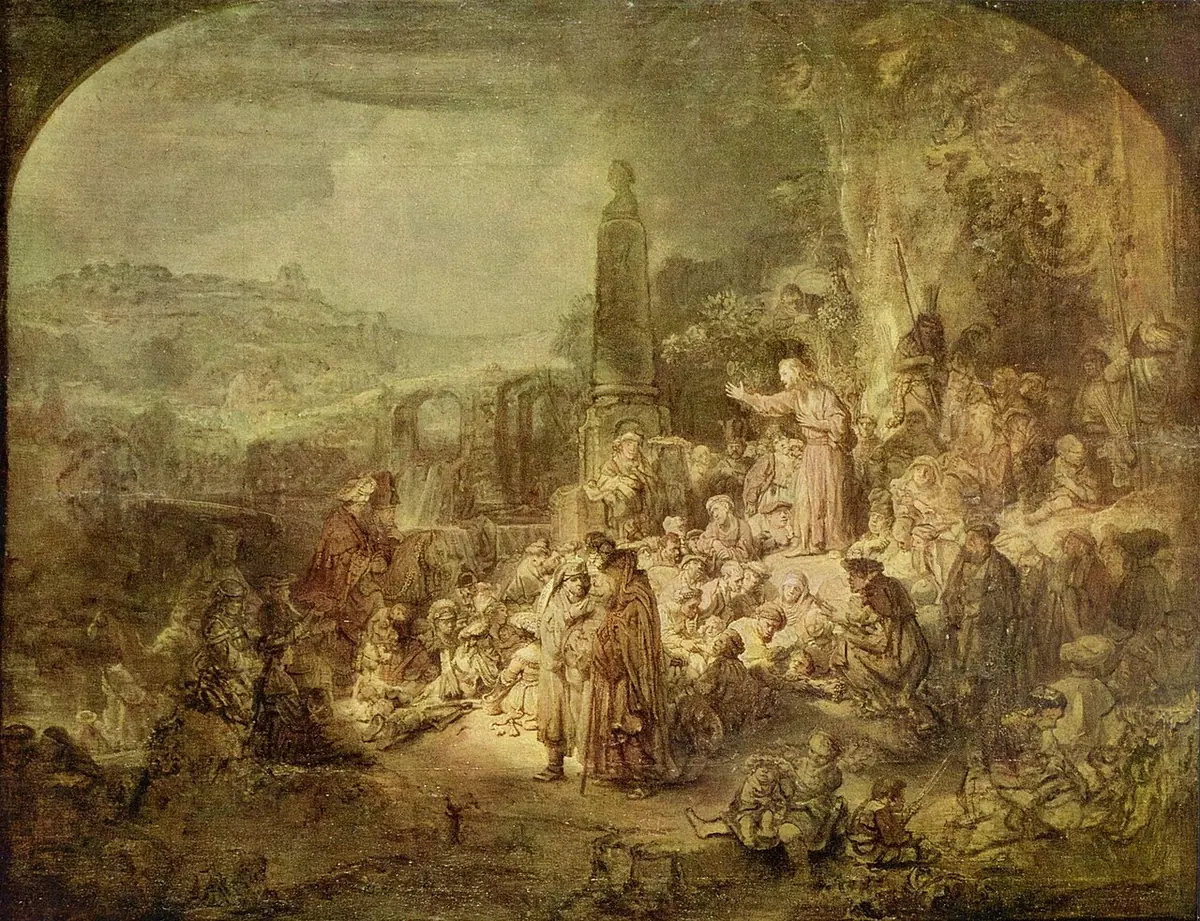
Third Sunday of Advent, December 13: Gaudete Sunday
The Third Sunday takes its name from the first word of its entrance antiphon in Latin, Gaudete, "Rejoice." The text is St. Paul's in Philippians 4:4-5, which the Douay-Rheims renders: "Rejoice in the Lord always; again, I say, rejoice. Let your modesty be known to all men. The Lord is nigh." The violet of the season brightens to rose: the priest may wear rose vestments, and we light the rose candle on the wreath. The Gospel, from John 1, has John the Baptist telling the priests and Levites that he is not the Christ but the voice crying in the wilderness, and that "there hath stood one in the midst of you, whom you know not" (Douay-Rheims).
Gaudete Sunday 2026 falls on December 13, the feast day of St. Lucy. As with St. Nicholas, her memorial gives way to the Sunday at Mass, but the St. Lucy's Day processions of Sweden and Sicily are kept all the same.
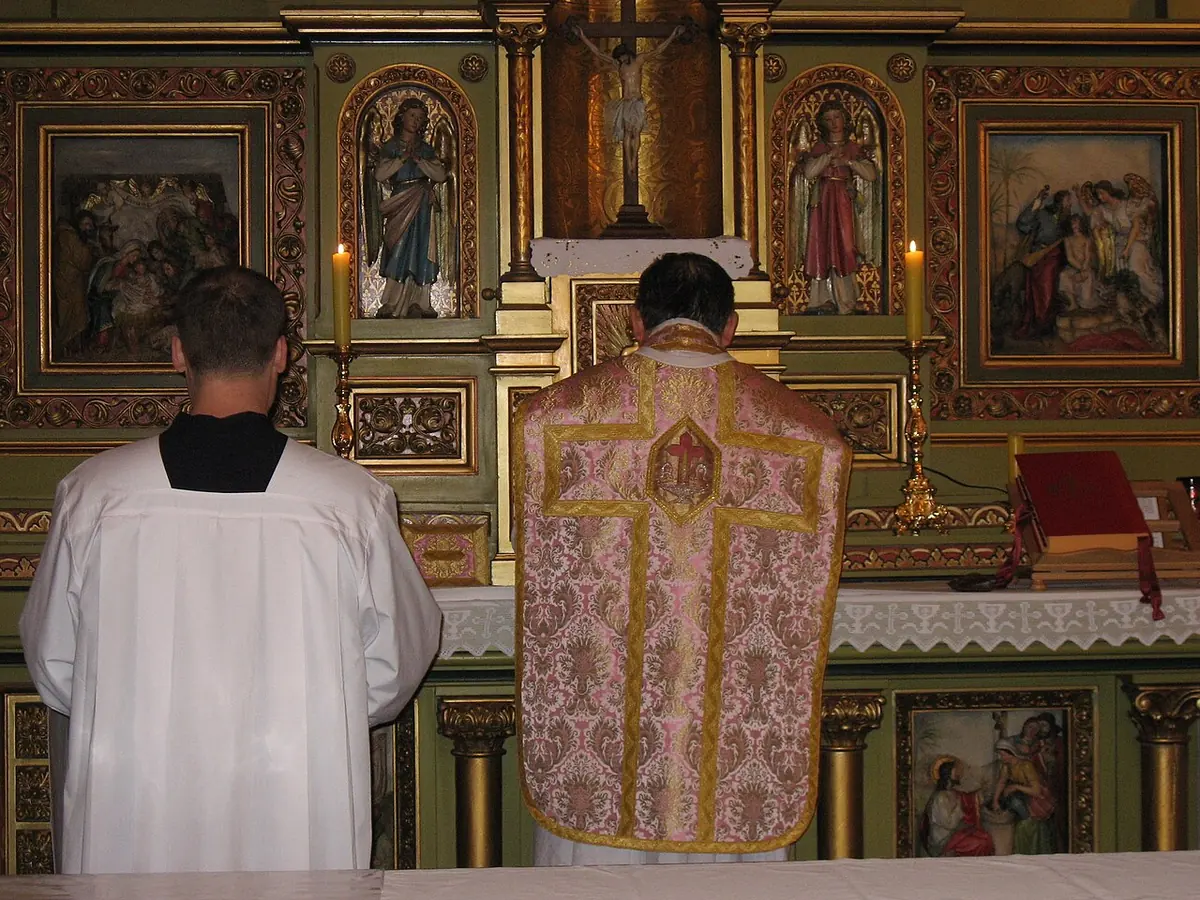
Fourth Sunday of Advent, December 20: Mary and the Annunciation
The Gospel for Year B is Luke 1:26-38, the Annunciation: the angel Gabriel greets Mary, and she answers, "be it done to me according to thy word" (Douay-Rheims). The first reading tells of God's promise to David that his house and kingdom would endure forever, the promise fulfilled in Mary's Son. On the last Sunday before Christmas the Church puts the Mother of God before us as the model of how to wait for Christ: with faith, attentive and ready to say yes. We light all four candles.
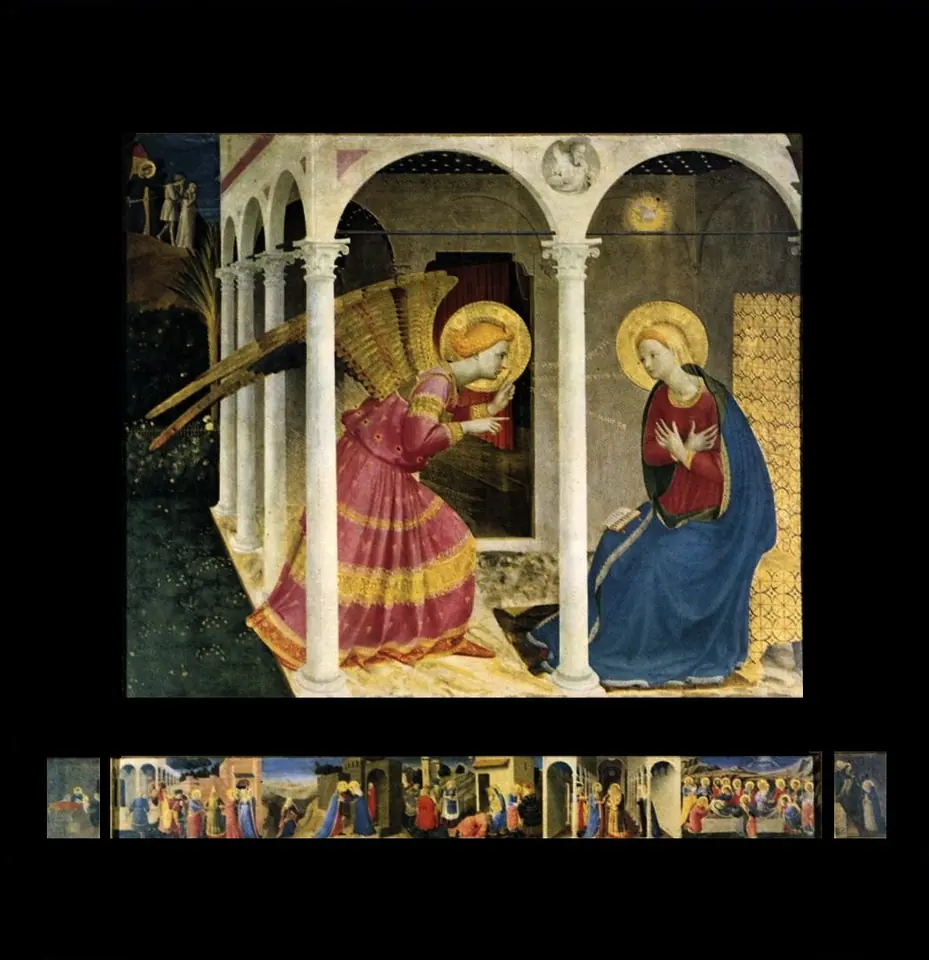
Hope, peace, joy and love
Many families and parish bulletins name the four candles hope, peace, joy and love, or the prophets', Bethlehem, shepherds' and angels' candles. These names are devotional customs, not part of the liturgy, and they work well at the dinner table. Only one candle has a name the Church's own texts support: the rose candle of Gaudete Sunday, the candle of joy.
Saints and feasts of Advent 2026
December is crowded with saints, and nearly all of them speak to the season. Here is how they fall in 2026, with the rank each one has in the US calendar.
- St. Andrew, Apostle: Monday, November 30 (feast). The brother of St. Peter and the first called. The St. Andrew Christmas novena begins on his day: one short prayer, said fifteen times a day until Christmas. In 2026 that is 25 days. See St. Andrew.
- St. Francis Xavier: Thursday, December 3 (memorial). The Jesuit missionary to India and Japan. See St. Francis Xavier.
- St. John Damascene and St. Barbara: Friday, December 4. St. John Damascene is an optional memorial; St. Barbara is honored on this day by long custom. See St. John of Damascus and St. Barbara.
- St. Nicholas: December 6, falling on the Second Sunday of Advent this year. See St. Nicholas.
- St. Ambrose: Monday, December 7 (memorial). The bishop of Milan who baptized St. Augustine. See St. Ambrose.
- The Immaculate Conception: Tuesday, December 8 (solemnity and holy day of obligation). See below and the Immaculate Conception.
- St. Juan Diego: Wednesday, December 9 (optional memorial). The visionary of Guadalupe. See St. Juan Diego.
- Our Lady of Loreto: Thursday, December 10 (optional memorial).
- Our Lady of Guadalupe: Saturday, December 12 (feast in the United States). See Our Lady of Guadalupe.
- St. Lucy: December 13, falling on Gaudete Sunday this year.
- St. John of the Cross: Monday, December 14 (memorial). See St. John of the Cross.
- St. Peter Canisius: Monday, December 21 (optional memorial). See St. Peter Canisius.
From December 17 the weekdays of Advent outrank optional memorials, which is why the calendar lists St. Peter Canisius in brackets. On these last days the Church wants our attention on the coming of Christ, and the saints step aside for him.
The Immaculate Conception, Tuesday, December 8
In the middle of Advent the Church keeps the Solemnity of the Immaculate Conception of the Blessed Virgin Mary, the patronal feast of the United States. It celebrates Mary's own conception in the womb of St. Anne, preserved by God's grace from every stain of original sin from the first moment of her existence. It is not the feast of Christ's conception, which we keep on March 25. The two fit Advent together: God prepared a pure dwelling for his Son long before the angel came to Nazareth.
December 8, 2026, is a Tuesday, and it is a holy day of obligation. A vigil Mass on the evening of Monday, December 7, fulfills the obligation. For the full list of 2026 dates, see holy days of obligation 2026.

Our Lady of Guadalupe and St. Juan Diego, December 9 and 12
The two December feasts of Guadalupe sit side by side. On December 9 we honor St. Juan Diego, to whom Our Lady appeared on the hill of Tepeyac in 1531, and on December 12 the image of Our Lady herself, left on his tilma. For many Mexican and Mexican-American parishes this is the high point of Advent, with mañanitas sung before dawn and Masses that fill the church to the doors.
St. Lucy and St. John of the Cross, December 13 and 14
St. Lucy's name means light, and her feast once fell near the longest night of the year under the old Julian calendar. That is why she became a saint of Advent candles, especially in Sweden, where a girl in a white dress with a crown of candles brings breakfast on her day. The next day belongs to St. John of the Cross, the Carmelite poet of the "dark night," who teaches us that God is often closest when we can see least.
The Advent wreath
The wreath is the best-loved sign of the season. The Directory on Popular Piety and the Liturgy, issued by the Congregation for Divine Worship in 2001, describes it this way: "Placing four candles on green fronds has become a symbol of Advent in many Christian home, especially in the Germanic countries and in North America." It goes on to call the progressive lighting of the candles "a recollection of the various stages of salvation history prior to Christ's coming and a symbol of the prophetic light gradually illuminating the long night prior to the rising of the Sun of justice."
The form we know is not very old. The Rauhe Haus in Hamburg, a home for poor and neglected boys, credits its founder, Johann Hinrich Wichern, with setting up the first Advent wreath in its prayer hall in 1839. His wreath was a large wheel with a candle for every day until Christmas Eve, big white ones for the Sundays and small red ones for the weekdays. By that count, a Wichern wreath for 2026 would carry 26 candles. Over the next century the custom spread through Germany, shrank to four candles, crossed into Catholic homes and parishes, and arrived in North America with German immigrants.
Our wreaths usually have three violet candles and one rose. Light one on the First Sunday, two on the Second, add the rose candle on Gaudete Sunday, and light all four on the Fourth. Many families light the candles at the evening meal each night of the week, with a short prayer and a reading. A priest or deacon can bless the wreath; most parishes bless the wreaths people bring on the First Sunday. For the blessing and prayers for each week, see Advent wreath prayers.
The last days of Advent: December 17 to 24
On December 17 the season changes gear. The General Norms say that "the weekdays from 17 December to 24 December inclusive serve to prepare more directly for the Lord's birth." The Gospels of these days walk through the opening chapters of Matthew and Luke: the genealogy of Jesus, Joseph's dream, the announcement to Zechariah, the Annunciation, the Visitation and the birth of John the Baptist.
The O Antiphons, December 17 to 23
At Evening Prayer on each of these seven days, the Church sings one of the great "O Antiphons" before the Magnificat, and the same text is the Gospel acclamation at Mass. Each one calls on Christ by a title from the prophets:
- December 17 (Thursday): O Sapientia, O Wisdom
- December 18 (Friday): O Adonai, O Lord and Ruler of the house of Israel
- December 19 (Saturday): O Radix Jesse, O Root of Jesse
- December 20 (Sunday): O Clavis David, O Key of David
- December 21 (Monday): O Oriens, O Rising Dawn
- December 22 (Tuesday): O Rex Gentium, O King of the Nations
- December 23 (Wednesday): O Emmanuel, O God with us
The hymn "O Come, O Come, Emmanuel" is a paraphrase of these antiphons. The Catholic Encyclopedia's article on Advent sums up what they ask: the Church "calls on the Divine Wisdom to teach us the way of prudence; on the Key of David to free us from bondage; on the Rising Sun to illuminate us sitting in darkness and the shadow of death." The full Latin and English texts are on our page on the O Antiphons.
The Directory on Popular Piety recommends exactly this as the ideal Christmas novena: Vespers from December 17 to 23 celebrated more solemnly "by adopting the use of the 'major antiphons', and by inviting the faithful to participate."
Simbang Gabi, December 16 to 24
In the Philippines, and in Filipino parishes across the United States, the last nine days before Christmas belong to Simbang Gabi, nine Masses celebrated at dawn from December 16 to 24. Many parishes now offer them as anticipated evening Masses from December 15 to 23. The late Fr. Fidel Villarroel, O.P., archivist of the University of Santo Tomas, explained that their proper name is Misas de Aguinaldo, Masses offered to Christ and his Mother as a Christmas gift, and that "Misa de Gallo" properly means the Midnight Mass of Christmas. The Varsitarian reports that the First Plenary Council of the Philippines asked the Holy See in 1953 to allow the custom to continue, and an indult was granted. Afterward come puto bumbong and bibingka sold outside the church doors.
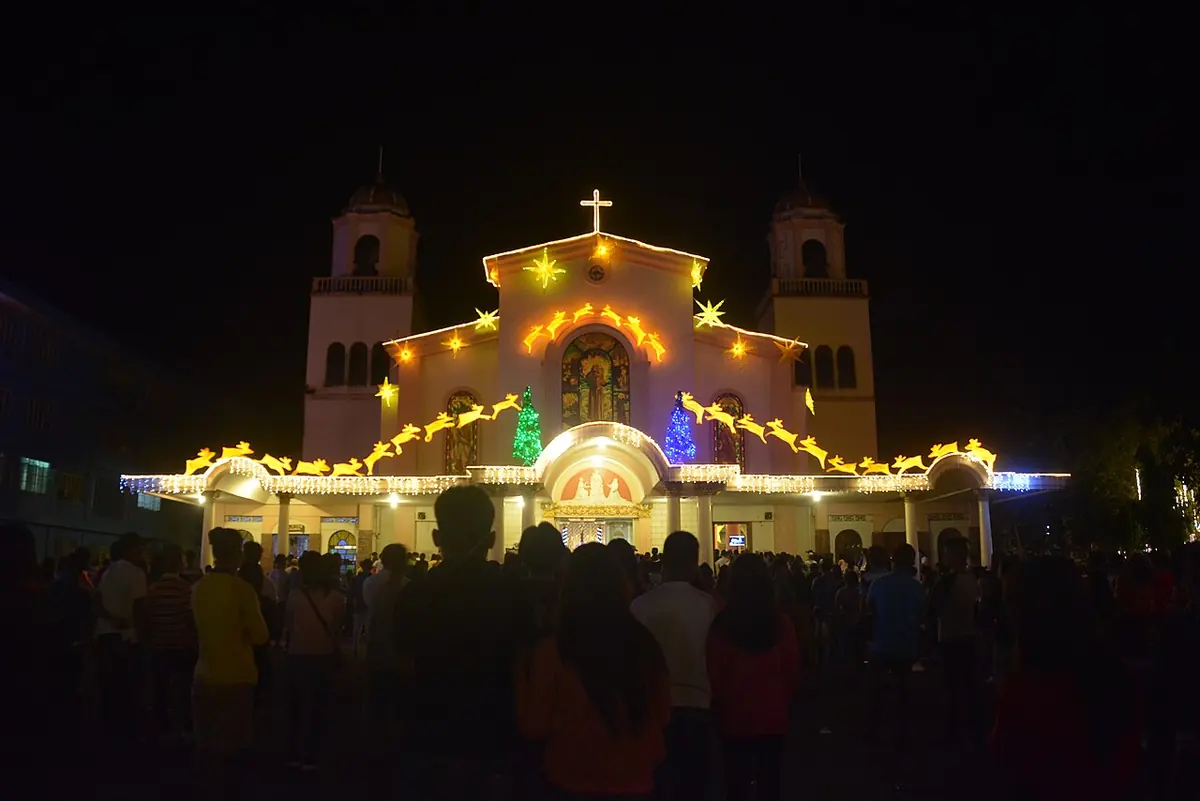
Las Posadas, December 16 to 24
On the same nine nights, Mexican and Mexican-American neighborhoods keep Las Posadas, walking with Mary and Joseph from door to door, singing for lodging until they are welcomed in. The Directory on Popular Piety names the custom among the Advent processions that "represent the journey to Bethlehem of Joseph and Mary and their search for a place in which Jesus would be born." In 2026 the first posada is on Wednesday, December 16, and the last, on Christmas Eve, ends with Midnight Mass.
Rorate Masses
An older Advent custom is making a quiet comeback: the Rorate Mass, a votive Mass of Our Lady celebrated before dawn by candlelight. It takes its name from the opening words of its entrance antiphon, from Isaiah 45:8, in the Douay-Rheims: "Drop down dew, ye heavens, from above, and let the clouds rain the just: let the earth be opened, and bud forth a saviour." The church is dark except for candles, and as the Mass goes on the windows slowly grow light, a picture of the world waiting for Christ, the Sun of justice. Many parishes offer one or more Rorate Masses on Advent Saturdays; check your parish bulletin for 2026.

How to keep Advent well
Advent has violet vestments like Lent, but it is not a second Lent. The Church does not prescribe fasting in Advent. The Gloria is omitted at Sunday Mass so that it rings out new at Christmas, and the Catholic Encyclopedia notes that flowers were traditionally kept off the altar except on Gaudete Sunday. The mood is quieter, a time of expectant waiting rather than of penance alone.
A few practices that help:
- Go to confession before Christmas. Most parishes add hours in December.
- Light the wreath at dinner each evening, with the week's prayer and a short reading from Isaiah.
- Wait to celebrate. Keep the crèche empty until Christmas Eve, add the figures slowly, and let the Christmas songs wait for Christmas. The world's season starts in November; ours starts on December 25 and runs to the Baptism of the Lord.
- Pray the St. Andrew novena from November 30 or the O Antiphons from December 17.
- Give in secret, as St. Nicholas did, to someone who can't repay you.
- Go to a weekday Mass, especially on the Immaculate Conception, Our Lady of Guadalupe or a Rorate Mass.

Let us ask Mary, who waited for Christ more closely than anyone, to help us prepare room for him this year. Come, Lord Jesus.
Advent in the Eastern churches
The Byzantine churches, Orthodox and Eastern Catholic, keep a forty-day Nativity Fast instead of Advent. It begins on November 15, which is why it is sometimes called St. Philip's Fast, his feast falling on November 14. The Catholic Encyclopedia records the fast "from 15 November to the Nativity" as early as the eighth century. Churches that still follow the Julian calendar begin it on November 28 by the civil calendar and celebrate Christmas on January 7.
Advent 2027 and beyond
- Advent 2027: begins Sunday, November 28, 2027 (Year C, the year of St. Luke). Christmas 2027 falls on a Saturday, so the fourth week of Advent lasts six days, Sunday to Friday.
- Advent 2028: begins Sunday, December 3, 2028 (Year A).
For the other dates of the coming year, see holy days of obligation 2027, Lent 2027, Easter 2027 and the feast day calendar.
Frequently asked questions
When does Advent start in 2026?
Advent 2026 starts on Sunday, November 29, 2026, the First Sunday of Advent. Strictly, the season begins with Evening Prayer I on Saturday evening, November 28, so a Saturday vigil Mass that night is already a Mass of Advent.
When does Advent end in 2026?
Advent ends on Thursday, December 24, 2026, before Evening Prayer I of Christmas. The vigil Masses of Christmas on the evening of December 24 already belong to the Christmas season.
What is the date of the first Sunday of Advent 2026?
The First Sunday of Advent 2026 is November 29. It is always the Sunday falling on or closest to November 30, which works out to the fourth Sunday before Christmas.
How long is Advent in 2026?
Advent 2026 lasts 26 days, from November 29 through December 24. Because Christmas falls on a Friday, the fourth week of Advent is nearly a full week, ending on Thursday. Advent can be as short as 22 days (when Christmas is a Monday) or as long as 28 (when Christmas is a Sunday).
When is Gaudete Sunday 2026?
Gaudete Sunday, the Third Sunday of Advent, is December 13, 2026. The priest may wear rose vestments and we light the rose candle on the Advent wreath. In 2026 it falls on the feast day of St. Lucy, whose memorial is not celebrated at Mass that year because the Sunday takes precedence.
What liturgical year begins in Advent 2026?
Year B. The US bishops' calendar gives Year B of the Sunday cycle from November 29, 2026, to November 21, 2027, with most Sunday Gospels from St. Mark. The weekday readings follow Cycle I.
Is the Immaculate Conception a holy day of obligation in 2026?
Yes. December 8, 2026, is a Tuesday, and the Solemnity of the Immaculate Conception is a holy day of obligation in the United States. A vigil Mass on the evening of Monday, December 7, also fulfills it.
When does Advent start in 2027?
Advent 2027 begins on Sunday, November 28, 2027, and opens Year C, the year of St. Luke.
Sources
- USCCB: Liturgical Calendar for the Dioceses of the United States of America, 2026 (PDF). Dates of Advent 2026, Year B from November 29, 2026, rank of each December celebration
- General Norms for the Liturgical Year and the Calendar (1969), nos. 39-42, via EWTN
- Congregation for Divine Worship: Directory on Popular Piety and the Liturgy (2001), nos. 96-105
- Catholic Encyclopedia (1907): Advent
- Das Rauhe Haus: Geschichte des Rauhen Hauses (Wichern's first Advent wreath, 1839)
- Douay-Rheims Bible, Isaias 45 (the Rorate caeli verse)
- The Varsitarian (University of Santo Tomas): What's the difference? Simbang Gabi, Misa de Aguinaldo, Misa de Gallo