Patron saint of the internet
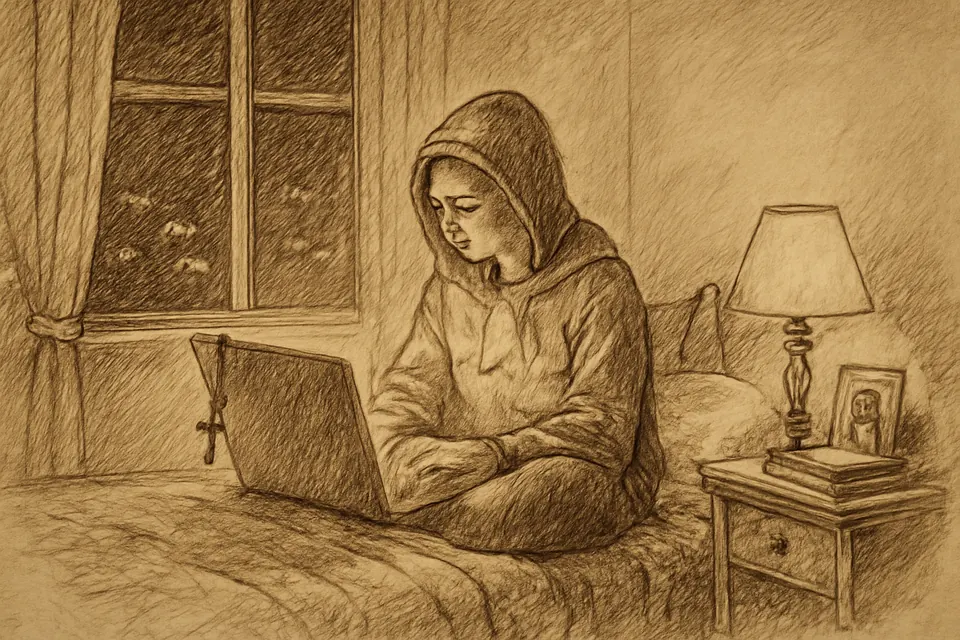
The patron saint of the internet is popularly St. Isidore of Seville, the 7th-century bishop who compiled an encyclopedia of all known learning. Today many Catholics also pray to St. Carlo Acutis, the teenage programmer the press called "God's influencer." Neither title was ever officially declared by a pope, but both saints are glad to pray for us online.
Patron saints of the internet and computer programmers
 St. Carlo Acutis
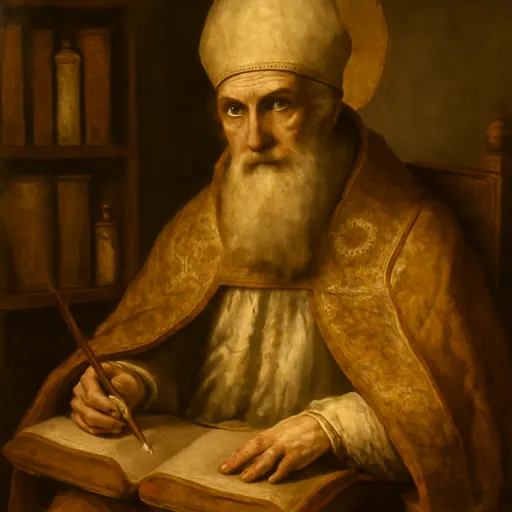 St. Isidore of Seville
The internet is where most of us now read, shop, argue, learn and, more than we admit, waste time. Pope Francis once called it "something truly good, a gift from God," and in the same breath warned that we can be passersby on the "digital highways," connected but never really meeting anyone. The Church has two saints that Catholics ask to pray for that world: a seventh-century bishop who tried to write down everything that could be known, and a teenager from Milan who built websites for Jesus.
St. Isidore of Seville, the patron saint of the internet
St. Isidore of Seville (about 560–636) is the saint most often called the patron of the internet. He followed his brother St. Leander as archbishop of Seville in Visigothic Spain, presided over church councils, and founded schools that taught Greek and Hebrew along with the liberal arts. The Catholic Encyclopedia calls him "the last of the great Latin Fathers." The Church declared him a Doctor in 1722, and his feast is April 4.

His fame rests on the Etymologies, an encyclopedia in twenty books that he wrote near the end of his life at the request of his friend Braulio. It runs from grammar and mathematics through medicine, law, the Church, peoples and languages, animals, geography, buildings, metals, farming, ships and household goods. The Catholic Encyclopedia calls it "a vast storehouse in which is gathered, systematized, and condensed, all the learning possessed by his time." For much of the Middle Ages it was the most widely used textbook in Europe, and it was printed ten times between 1470 and 1529.
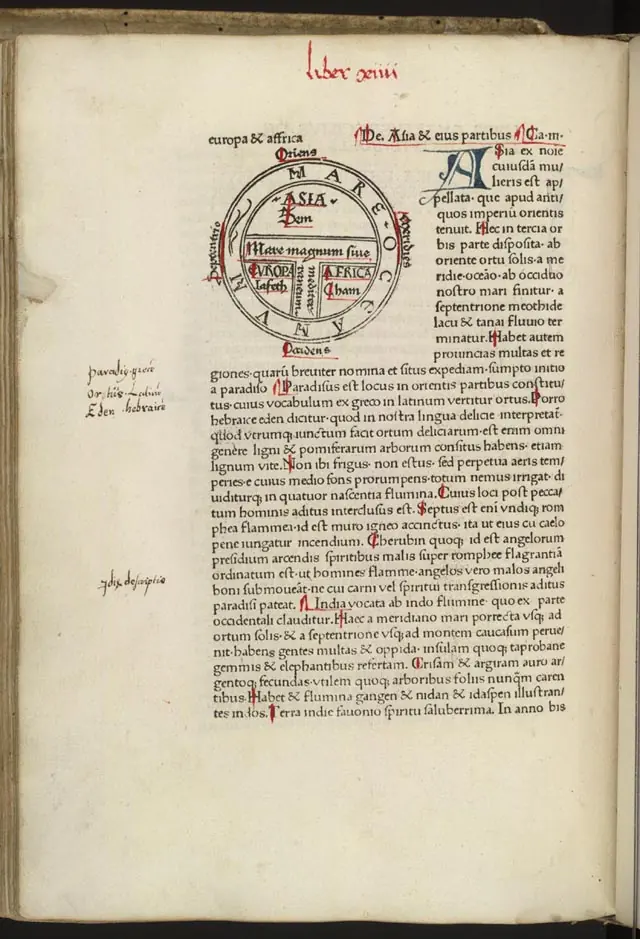
That is why Catholics online began proposing him as patron of the internet: he gathered the world's knowledge into one place and organized it so others could find it. It should be said plainly that no pope has ever declared Isidore patron of the internet, and there is no Vatican decree, though the story that one exists is repeated all over the web. It is a popular patronage, and a fitting one.
St. Carlo Acutis, "God's influencer"
St. Carlo Acutis (1991–2006) is the other saint Catholics ask to pray for life online, and for many young people he comes first. He grew up in Milan, played soccer and the saxophone, made films starring his dogs and cats, and was the friend classmates called when their computers broke. He taught himself programming, worked on his parish's website, designed one for his school's volunteer program and spent his last summer building one for a Vatican academy.
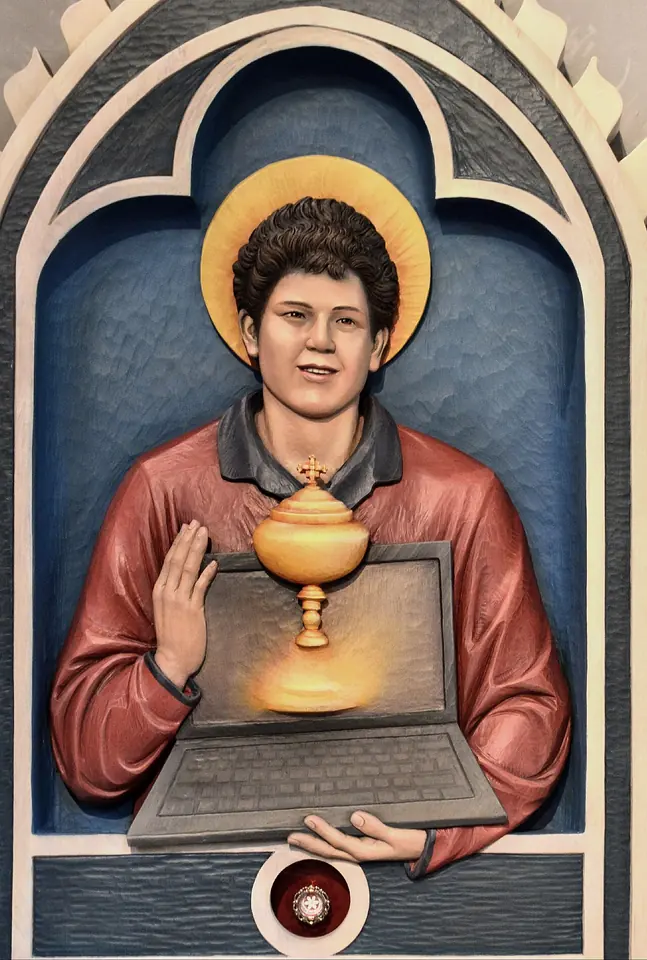
He also went to Mass every day from the age of seven, and he put his skills at the service of what he loved most. With his parents' help he researched some 136 Eucharistic miracles from around the world and laid them out as a website and a set of printable panels. That exhibition has since traveled to parishes and campuses around the world. In October 2006 he died of leukemia at fifteen. Pope Francis beatified him in 2020, and Pope Leo XIV canonized him on September 7, 2025, the first saint of the millennial generation. Reporters around the world called him "God's influencer."

In his 2019 letter to young people, Christus vivit, Pope Francis held Carlo up as proof that the digital world, for all its risks of "self-absorption, isolation and empty pleasure," can be used well:
Carlo was well aware that the whole apparatus of communications, advertising and social networking can be used to lull us, to make us addicted to consumerism and buying the latest thing on the market, obsessed with our free time, caught up in negativity. Yet he knew how to use the new communications technology to transmit the Gospel, to communicate values and beauty.
The Pope also quoted Carlo's best-known saying: "everyone is born as an original, but many people end up dying as photocopies." Like Isidore's, Carlo's patronage of the internet is popular, not official. His feast is October 12.

A prayer for life online
Prayers to St. Isidore "before logging on" are shared everywhere, but they are recent and no one knows who wrote them, so we don't reproduce them here. Isidore's own advice is better. In his Sentences (Book 3, chapter 8) he wrote:
Nam cum oramus, ipsi cum Deo loquimur; cum vero legimus, Deus nobiscum loquitur.
"For when we pray, we speak with God; but when we read, God speaks with us." Before we open the laptop or the phone, we can give God a minute of both. For St. Carlo, the official prayer of the Friends of Carlo Acutis, approved by the bishop of Assisi, is on his page. Or simply: "St. Isidore, St. Carlo, pray for us."
Let us ask St. Isidore and St. Carlo Acutis to pray for everyone who works and lives online, and especially for young people, that they may be originals and not photocopies. See also our patron saint of teachers page, our prayers before an exam and all the patron saints.
Frequently asked questions
Who is the patron saint of the internet?
St. Isidore of Seville is the saint most often named, and St. Carlo Acutis is now just as popular. Neither has been officially declared patron of the internet by a pope or the Vatican. Both titles grew up among the faithful, and both are good ones.
Did the Vatican make St. Isidore the patron saint of the internet?
No. The idea is often repeated online, but no pope has issued a decree and no Vatican office has published one. The idea spread among Catholics online because his Etymologies gathered all the learning of his age into twenty books, a kind of early database.
Is Carlo Acutis the patron saint of the internet?
Not officially. News stories at his beatification in 2020 called him a future "patron saint of the internet," and the Friends of Carlo Acutis association has invited people to support the idea. Pope Francis held him up in Christus vivit as a young man who used the internet well.
Why is Carlo Acutis called "God's influencer"?
Reporters gave him the nickname because he used his computer skills to spread the faith, above all with the website and exhibition on Eucharistic miracles he built as a teenager. It is a media nickname, not a Church title, but it stuck.
Who is the patron saint of computer programmers?
St. Carlo Acutis, who taught himself programming and built websites for his parish, his school and a Vatican academy before he died of leukemia in 2006 at fifteen. St. Isidore of Seville is also invoked by people who work with computers.
Is there a prayer before going online?
Prayers to St. Isidore "before logging on" circulate widely, but they are modern and of unknown authorship. We can ask the intercession of St. Isidore and St. Carlo in our own words, or pray with Isidore's own advice to pray and read often, quoted on this page.
Sources
- Catholic Encyclopedia (1910): St. Isidore of Seville
- Pope Francis, Christus vivit (March 25, 2019), nos. 104-106 (vatican.va)
- Pope Francis, Message for the 48th World Communications Day (2014) (vatican.va)
- Al Jazeera: 'God's influencer' Carlo Acutis to become first millennial saint (September 6, 2025)
- Manipulus florum project: Oratio (Isidore, Sententiae 3.8.1-2). Latin text of Isidore's saying on prayer and reading
- Official website of the Friends of Carlo Acutis: Official prayer