The Ten Commandments (Catholic)
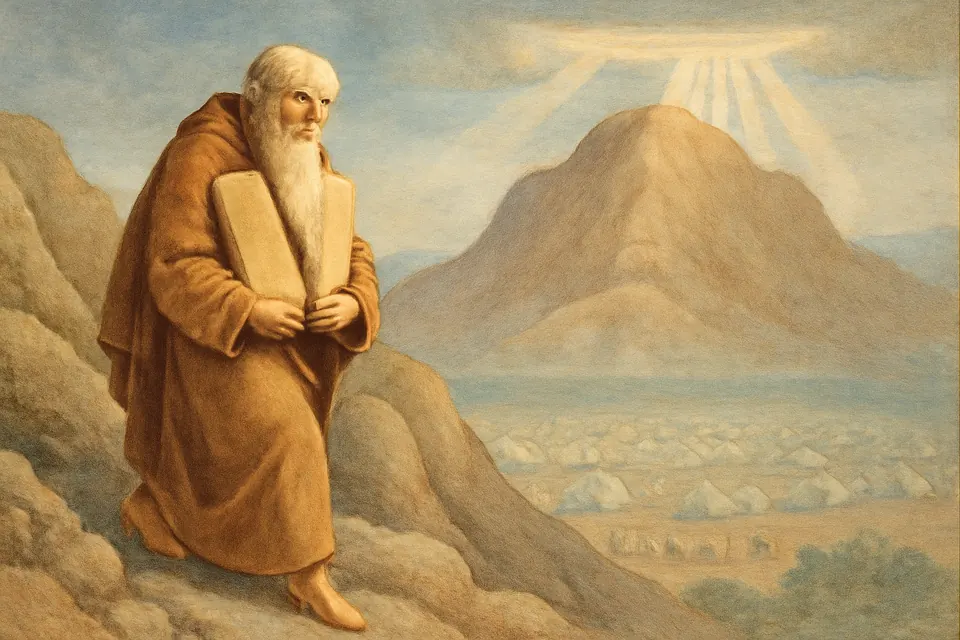
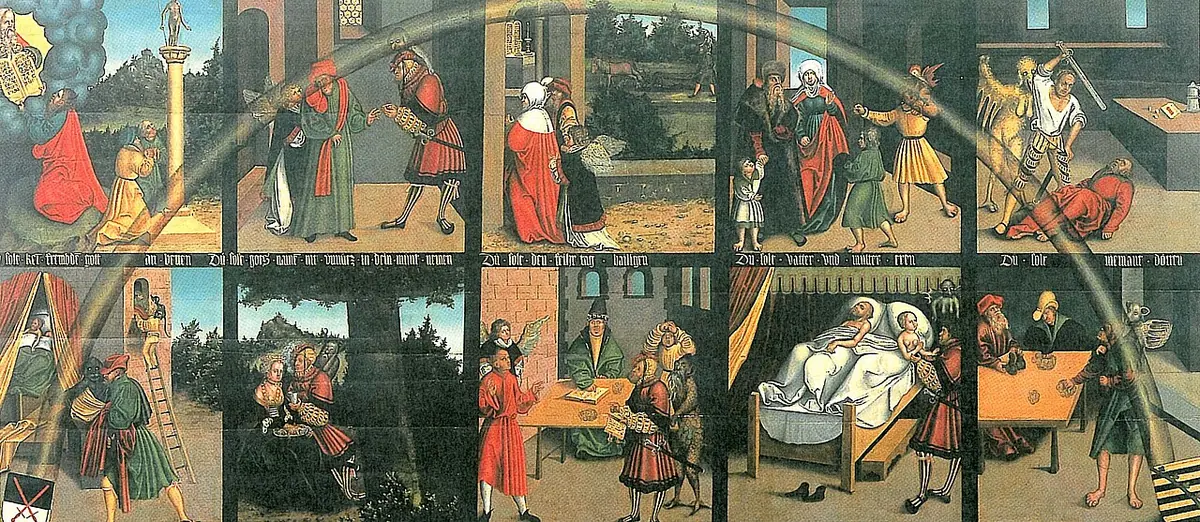
The Ten Commandments in Catholic order are: 1. I am the Lord thy God; thou shalt not have strange gods before Me. 2. Do not take God's name in vain. 3. Keep holy the Sabbath (the Lord's Day). 4. Honor your father and mother. 5. Do not kill. 6. Do not commit adultery. 7. Do not steal. 8. Do not bear false witness. 9. Do not covet your neighbor's wife. 10. Do not covet your neighbor's goods.
The Ten Commandments are the Catholic moral life in ten short lines. God spoke them to Moses on Mount Sinai, wrote them on two tablets of stone, and Christ confirmed them when a young man asked Him what he must do to have eternal life: "If thou wilt enter into life, keep the commandments" (Matthew 19:17). For centuries Catholic children have learned them by heart, and Catholic adults have used them to examine their consciences before confession.
Below you'll find the Ten Commandments in Catholic order in the traditional catechism wording, what each one asks of us today, where they come from in Scripture, and a fair explanation of why the Catholic and Protestant numbering differ. They are the same commandments, from the same Bible. Only the division is different.
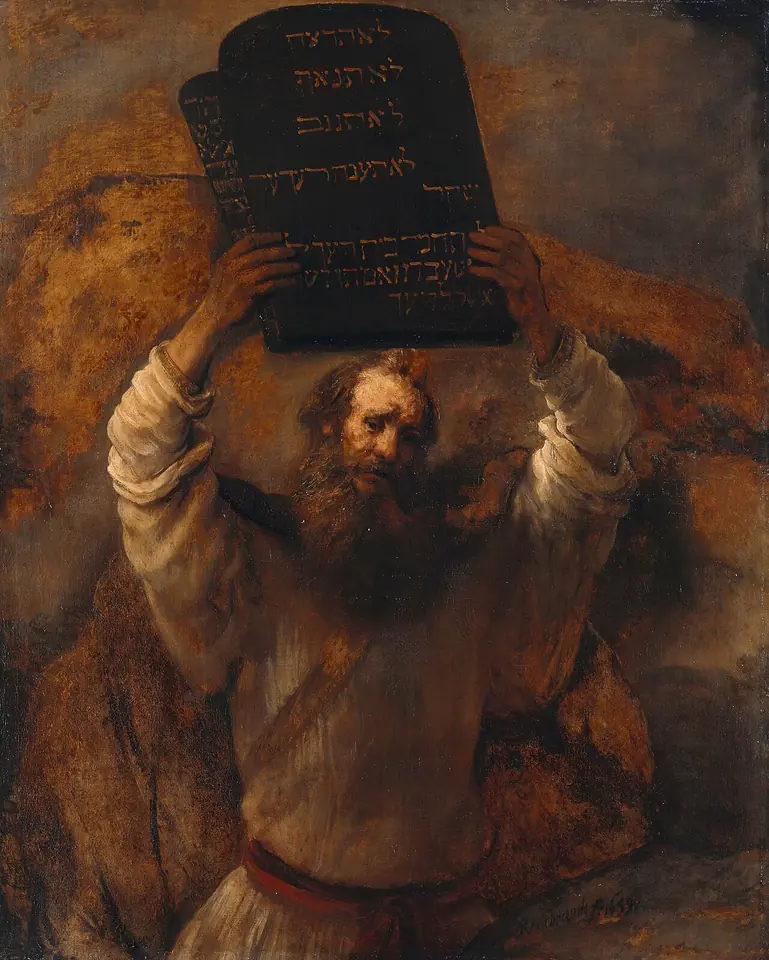
The Ten Commandments in Catholic order
This is the traditional catechism form, as printed in the Baltimore Catechism No. 2 of 1885, the wording many American Catholics still know:
- I am the Lord thy God, who brought thee out of the land of Egypt, out of the house of bondage. Thou shalt not have strange gods before Me.
- Thou shalt not take the name of the Lord thy God in vain.
- Remember thou keep holy the Sabbath day.
- Honor thy father and thy mother.
- Thou shalt not kill.
- Thou shalt not commit adultery.
- Thou shalt not steal.
- Thou shalt not bear false witness against thy neighbor.
- Thou shalt not covet thy neighbor's wife.
- Thou shalt not covet thy neighbor's goods.
The Baltimore Catechism's full first commandment also includes the words of Scripture about images: "Thou shalt not make to thyself a graven thing, nor the likeness of anything that is in heaven above, or in the earth beneath, nor of those things that are in the waters under the earth. Thou shalt not adore them, nor serve them." Most short lists leave this line out simply for memorizing, the way the short form of the Sabbath commandment leaves out the six days of work.
The same list in plain words
- First: Worship the one true God alone. Put nothing in His place.
- Second: Treat God's name, and everything holy, with reverence.
- Third: Keep the Lord's Day holy: go to Mass on Sunday and rest.
- Fourth: Honor and obey your parents and those with rightful authority.
- Fifth: Respect human life, your own and everyone else's.
- Sixth: Be faithful and chaste.
- Seventh: Respect what belongs to others, and be just.
- Eighth: Tell the truth and protect others' good name.
- Ninth: Keep your heart pure.
- Tenth: Don't let envy and greed rule you.
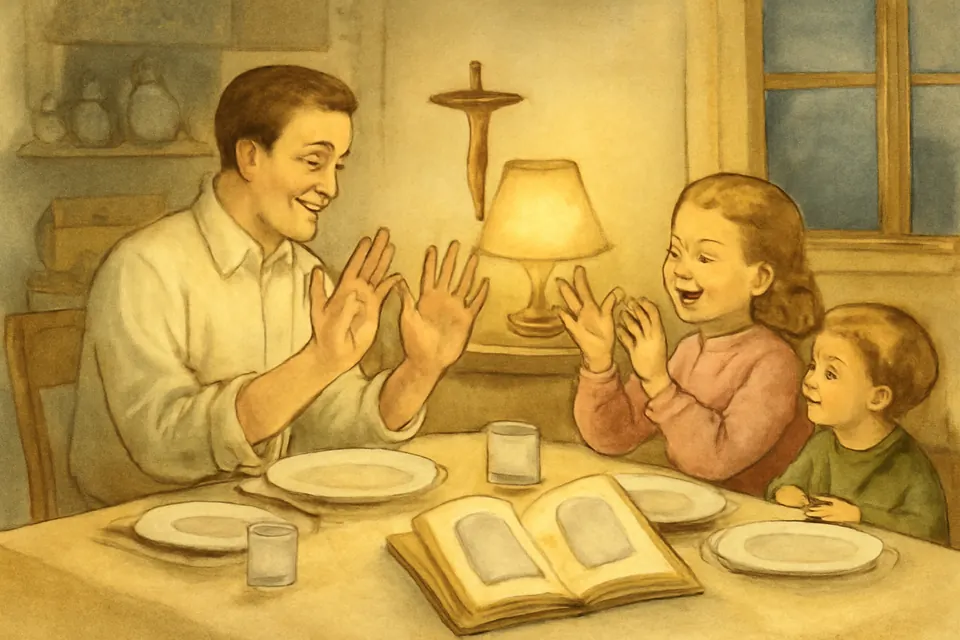
Where the Ten Commandments come from
The commandments are given twice in the Bible, in Exodus 20 and Deuteronomy 5. The Catechism (2056) explains that the word Decalogue "means literally 'ten words'" and that they were written "with the finger of God," unlike the other laws that Moses wrote down. Here is the text from Exodus 20:2–17 in the Douay-Rheims Bible:
I am the Lord thy God, who brought thee out of the land of Egypt, out of the house of bondage. Thou shalt not have strange gods before me. Thou shalt not make to thyself a graven thing, nor the likeness of any thing that is in heaven above, or in the earth beneath, nor of those things that are in the waters under the earth. Thou shalt not adore them, nor serve them: I am the Lord thy God, mighty, jealous, visiting the iniquity of the fathers upon the children, unto the third and fourth generation of them that hate me: And shewing mercy unto thousands to them that love me, and keep my commandments.
Thou shalt not take the name of the Lord thy God in vain: for the Lord will not hold him guiltless that shall take the name of the Lord his God in vain.
Remember that thou keep holy the sabbath day. Six days shalt thou labour, and shalt do all thy works. But on the seventh day is the sabbath of the Lord thy God: thou shalt do no work on it, thou nor thy son, nor thy daughter, nor thy manservant, nor thy maidservant, nor thy beast, nor the stranger that is within thy gates. For in six days the Lord made heaven and earth, and the sea, and all things that are in them, and rested on the seventh day: therefore the Lord blessed the seventh day, and sanctified it.
Honour thy father and thy mother, that thou mayest be longlived upon the land which the Lord thy God will give thee.
Thou shalt not kill. Thou shalt not commit adultery. Thou shalt not steal. Thou shalt not bear false witness against thy neighbour.
Thou shalt not covet thy neighbour's house: neither shalt thou desire his wife, nor his servant, nor his handmaid, nor his ox, nor his ass, nor any thing that is his.
Notice that the commandments begin with a reminder of what God has done: "who brought thee out of the land of Egypt." The Catechism (2061) stresses this. God loved His people first and set them free, and the commandments show them how to live as free people. They are, in its words, "a path of life" (2057).
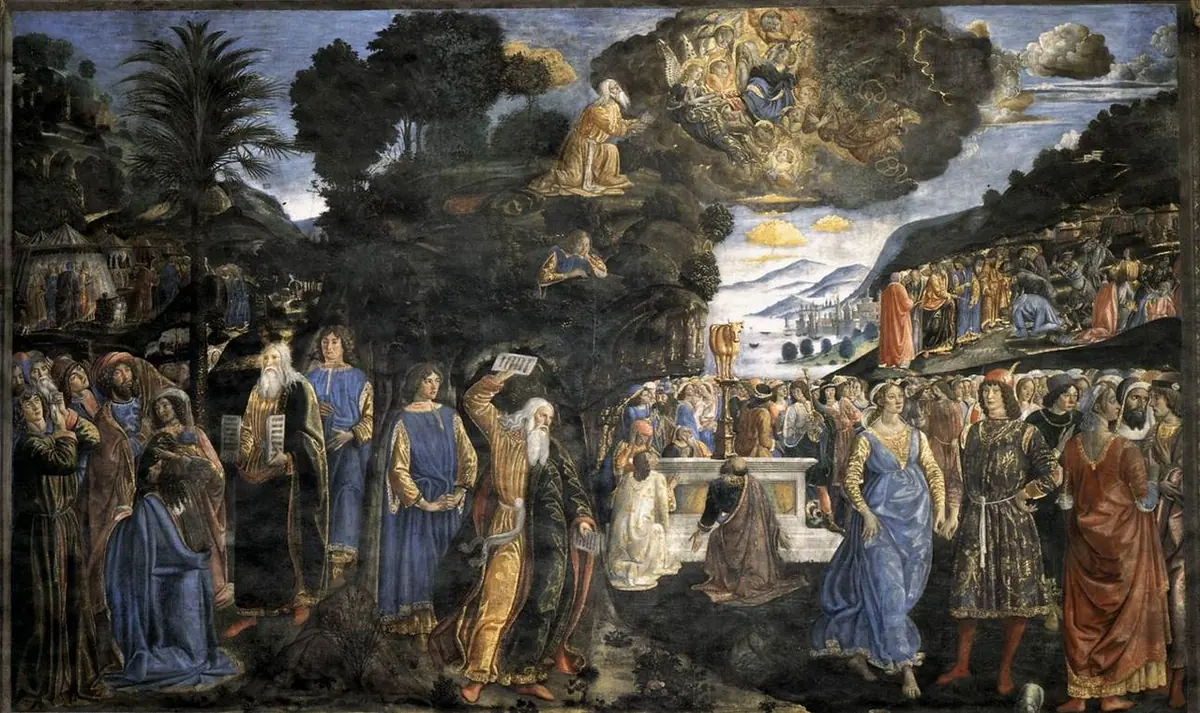
What each commandment means
This is a short guide to what each commandment asks. For questions to examine your conscience on each one before confession, use our examination of conscience, which follows the same list.
The first commandment: one God
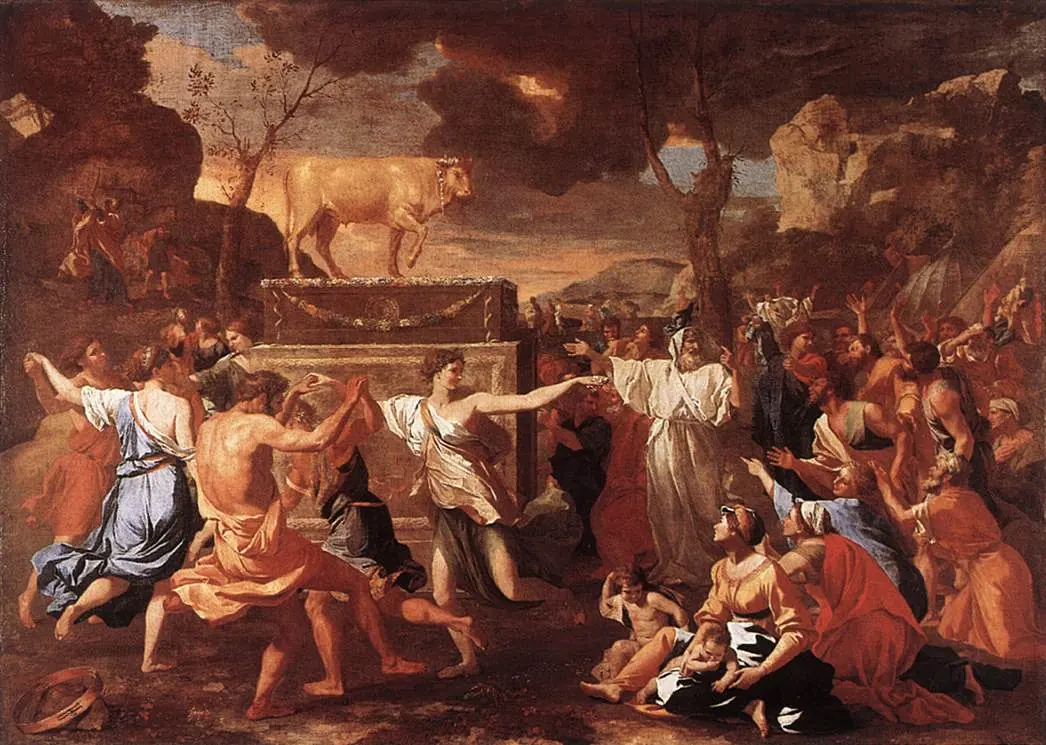
"I am the Lord thy God... Thou shalt not have strange gods before Me." The first commandment calls us to faith, hope and love toward God, and to worship Him alone. It forbids idolatry, whether a statue of a false god or the modern idols of money, power and pleasure. It also forbids superstition, fortune-telling and the occult, and sins against faith such as deliberately denying it. Prayer, adoration and sacrifice are the positive side: we give God the first place.
The second commandment: God's holy name
We use God's name, and the names of Jesus, Mary and the saints, with reverence. Blasphemy, cursing with God's name, careless oaths and false oaths break this commandment. Keeping our promises to God, especially vows, belongs here too.
The third commandment: the Lord's Day
For Christians the Sabbath rest is kept on Sunday, the day of Christ's resurrection. The Catechism (2175) says Sunday "fulfills the spiritual truth of the Jewish sabbath and announces man's eternal rest in God." We keep it holy by taking part in Mass, which is a serious obligation, and by resting from unnecessary work and giving time to God, family, the sick and the poor. The Church adds the holy days of obligation.
The fourth commandment: father and mother
This commandment opens the second tablet, the commandments about our neighbor. It asks children to honor and obey their parents, adult children to care for aging parents, and parents to raise their children in the faith and love. It also covers our duties to others with rightful authority, and theirs to us.
The fifth commandment: life
"Thou shalt not kill" protects every human life from conception to natural death. It forbids murder, abortion, euthanasia and suicide. Jesus deepened it in the Sermon on the Mount: anger, hatred and contempt for our brother break it in the heart. It also asks us to care for our own health and avoid reckless danger.
The sixth commandment: faithfulness
"Thou shalt not commit adultery" protects marriage and calls everyone to chastity according to their state in life. It forbids adultery and every sexual act outside the marriage of a man and a woman.
The seventh commandment: what belongs to others
We must not take or damage what belongs to someone else. This includes theft, fraud, cheating, unjust wages and failing to pay debts. On the positive side, it asks for honest work, generosity to the poor and care for the goods of creation.
The eighth commandment: the truth
We must not lie, slander, gossip or ruin someone's good name. The eighth commandment asks us to live in the truth and to repair the harm when we have damaged another's reputation.
The ninth commandment: a pure heart
The ninth commandment looks inward. It forbids deliberately entertaining lust for someone who is not one's spouse. Jesus said that whoever looks at a woman with lust has already committed adultery with her in his heart.
The tenth commandment: freedom from greed
The last commandment forbids envy and greed for what belongs to others. The Catechism (2534) explains that it "unfolds and completes the ninth," and that it forbids coveting "as the root of theft, robbery, and fraud." Its positive side is contentment, gratitude and detachment from riches.
Why the Catholic and Protestant numbering differ
People are sometimes surprised to find that a Protestant friend's fourth commandment is our third, or that a list on a courthouse wall has a separate commandment about graven images. The difference is not in the text. It's in where the lines between the commandments are drawn.
The Bible itself doesn't number them. It says there are "ten words" (Deuteronomy 4:13) but gives a passage of about fourteen verses, and different traditions have divided it in different ways. The Catechism says so directly (2066): "The division and numbering of the Commandments have varied in the course of history. The present catechism follows the division of the Commandments established by St. Augustine, which has become traditional in the Catholic Church. It is also that of the Lutheran confessions. The Greek Fathers worked out a slightly different division, which is found in the Orthodox Churches and Reformed communities."
The Catholic and Lutheran division
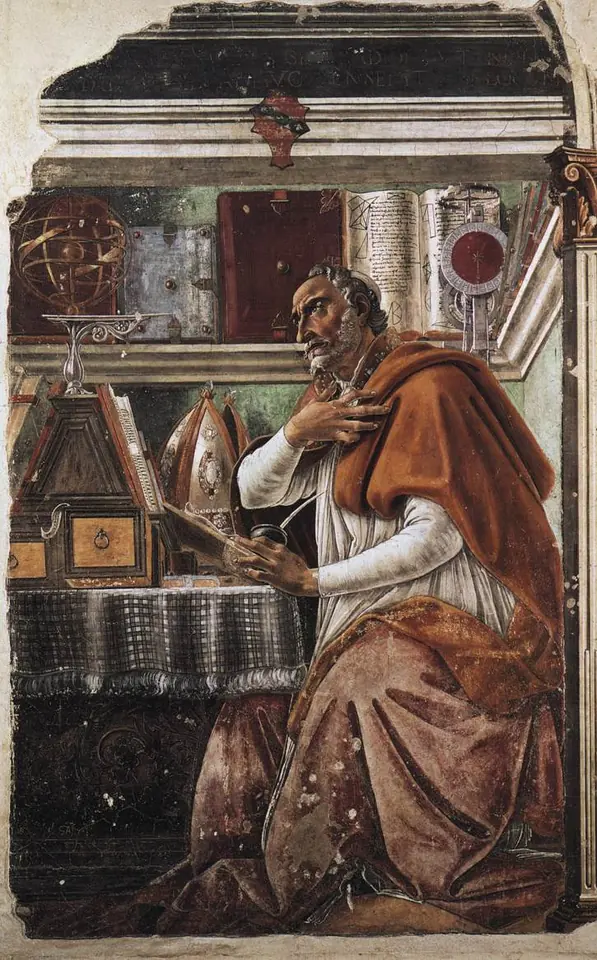
St. Augustine, writing in the fifth century in his Questions on Exodus, read the ban on "strange gods" and the ban on graven images as one commandment, because the images forbidden are the images of false gods made to be worshiped. He then treated the two prohibitions of coveting as two commandments, one about a neighbor's wife and one about his goods. That gives three commandments for God and seven for our neighbor, which Augustine connected with the two tablets of stone. The Catechism (2067) keeps this tradition: "the first three concern love of God, and the other seven love of neighbor."
The Catholic Encyclopedia notes that Augustine's division, "based on the Hebrew text," was later adopted by the Council of Trent, and that the German Lutherans follow it too. Martin Luther kept it in his catechisms, which is why Lutheran children learn the same numbering as Catholic children.
The Orthodox and Reformed division
The other division is older in some witnesses. The Catholic Encyclopedia says it rests "on the authority of Philo Judæus, Josephus, Origen, and others," and it was used by the Greek Fathers. It counts "Thou shalt not have strange gods" as the first commandment and "Thou shalt not make to thyself a graven thing" as the second, then treats all the coveting as one tenth commandment. The Orthodox Churches use it, and so do the Reformed, Anglican and most other Protestant traditions. In this list the Sabbath is fourth, honoring parents fifth, and so on, each one number higher than the Catholic list until the end, where the two coveting commandments become one.
The Jewish division
Jewish tradition counts differently again. It treats the opening words, "I am the Lord thy God, who brought thee out of the land of Egypt," as the first of the ten words, joins the ban on other gods and on images as the second, and keeps coveting as one.
Which is right?
All of these divisions are reasonable readings of the same text, and nothing is lost in any of them. Every Catholic Bible prints the whole passage, including the verses about images, and the Baltimore Catechism printed those words as part of the first commandment. There is also a real reason in Scripture for the Catholic division of coveting: in Deuteronomy 5:21 the commandment begins, "Thou shalt not covet thy neighbour's wife," and only then goes on to "his house, nor his field," and the rest. Desire for another person and desire for things are two different temptations, and Augustine's list names both.
As for images, the Church has always read the first commandment as a ban on idols, not on sacred art. God Himself told Moses to make "two cherubims of beaten gold" for the Ark of the Covenant (Exodus 25:18). The Catechism explains that when the Word became flesh, the invisible God made Himself visible, and the Second Council of Nicaea in 787 "justified against the iconoclasts the veneration of icons" (2131). "The Christian veneration of images is not contrary to the first commandment which proscribes idols. Indeed, 'the honor rendered to an image passes to its prototype'" (2132). The Baltimore Catechism said the same in simpler words: the first commandment "does forbid the making of images if they are made to be adored as gods, but it does not forbid the making of them to put us in mind of Jesus Christ, His Blessed Mother, and the saints."
So when a Protestant friend counts differently, we can smile and agree on what matters: we are reading the same ten words of God and trying to keep them.
Jesus and the commandments
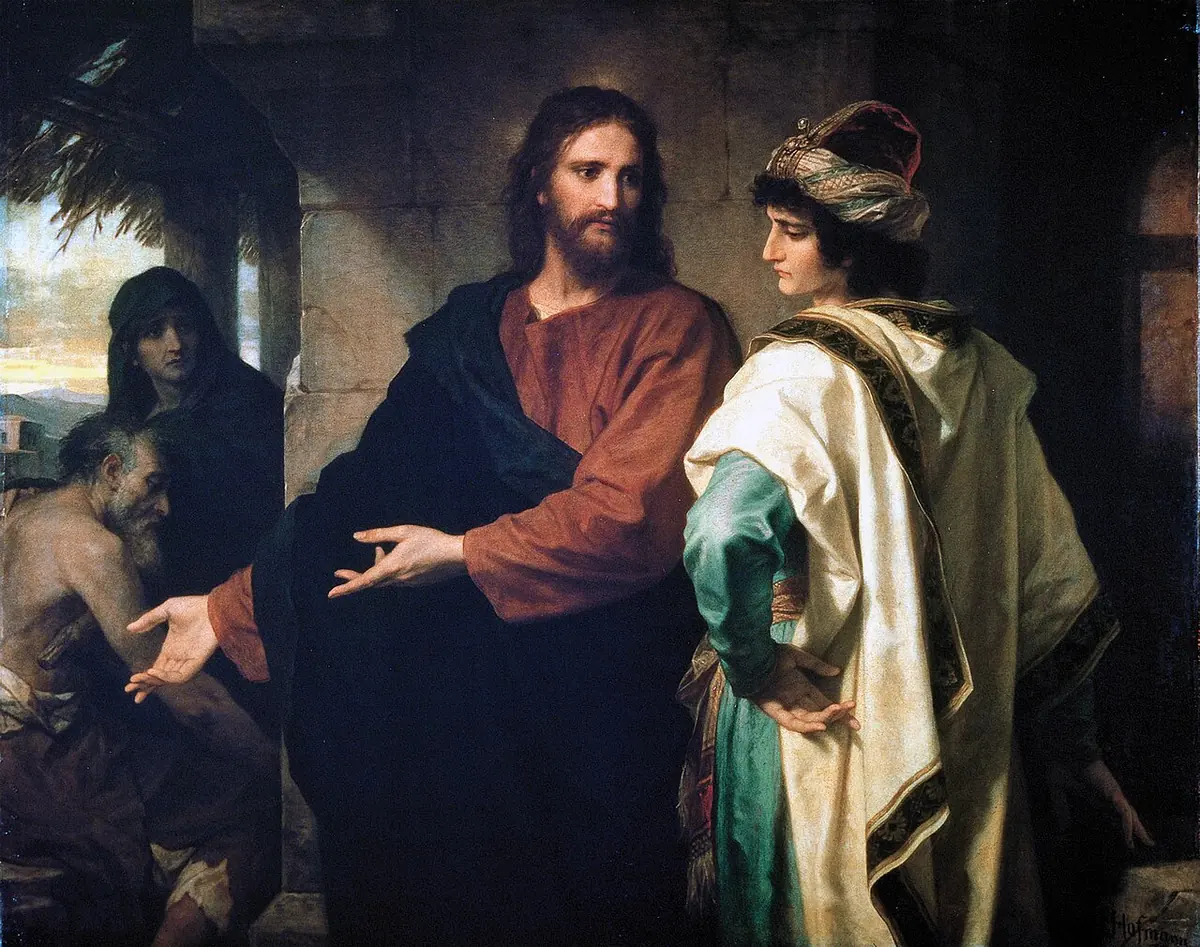
Jesus did not set the commandments aside; He showed their full depth. When the rich young man asked what he must do to have eternal life, Jesus told him to keep the commandments and named them: "Thou shalt do no murder, Thou shalt not commit adultery, Thou shalt not steal, Thou shalt not bear false witness. Honour thy father and thy mother" (Matthew 19:18–19). Then He invited him further: "come follow me." The Catechism (2053) says this second call "does not do away with the first: following Jesus Christ involves keeping the Commandments."
When a lawyer asked which commandment was the greatest, Jesus answered with two:
Thou shalt love the Lord thy God with thy whole heart, and with thy whole soul, and with thy whole mind. This is the greatest and the first commandment. And the second is like to this: Thou shalt love thy neighbour as thyself. On these two commandments dependeth the whole law and the prophets. (Matthew 22:37–40, Douay-Rheims)
The Ten Commandments are those two great commandments spelled out. The first three show us how to love God; the other seven, how to love our neighbor. The Catechism (2055) says the Decalogue "must be interpreted in light of this twofold yet single commandment of love."
The commandments in Catholic life
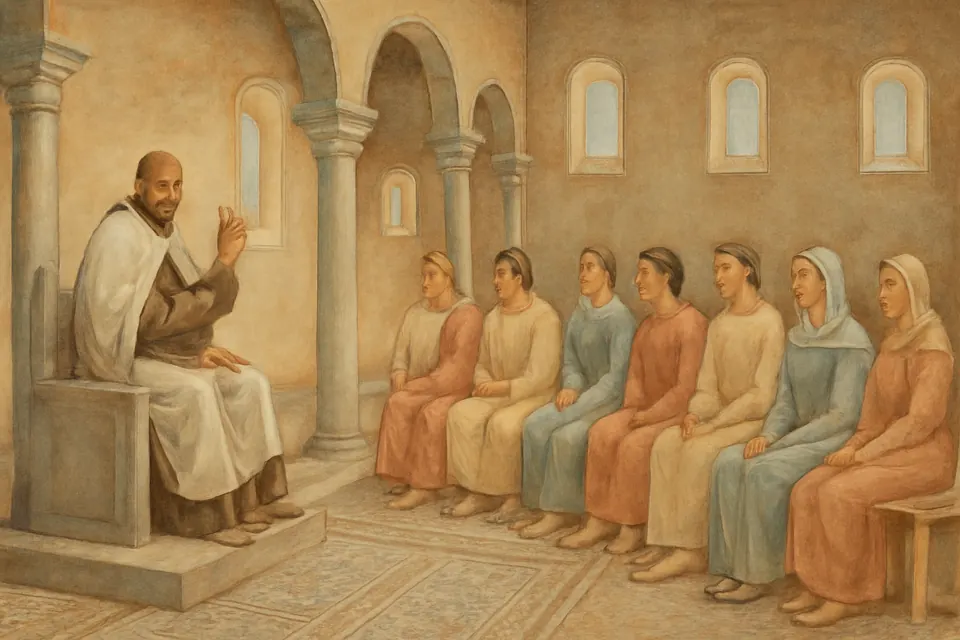
The Church has taught the faith through the commandments since its early days. "Ever since St. Augustine," says the Catechism (2065), "the Ten Commandments have occupied a predominant place in the catechesis of baptismal candidates and the faithful." St. Thomas Aquinas preached a series of sermons on the commandments to ordinary people near the end of his life. In the fifteenth century, the Catechism adds, "the custom arose of expressing the commandments of the Decalogue in rhymed formulae, easy to memorize," and the great catechisms, from the Roman Catechism of the Council of Trent to the Baltimore Catechism and the Catechism of the Catholic Church, all teach Christian morals by walking through the ten.
The commandments are also how most Catholics prepare for confession. Going through them one by one, we ask where we have failed to love God and neighbor. A sin against them in a serious matter, done with full knowledge and deliberate consent, is a mortal sin; lesser failures are venial. And beside the commandments, the Church gives five precepts, such as Sunday Mass and yearly confession, which the Catechism calls "the indispensable minimum" of Catholic life (see our examination of conscience for the list).
The Church also reads the commandments alongside the seven deadly sins, the roots from which sins grow, and the seven sacraments, through which Christ gives the grace to keep them. We cannot keep God's law by willpower alone. "His commandments are not heavy," St. John writes (1 John 5:3), because the One who gives them also gives the strength to live them.
How to teach the Ten Commandments to children
Children learn the commandments best in short, steady steps.
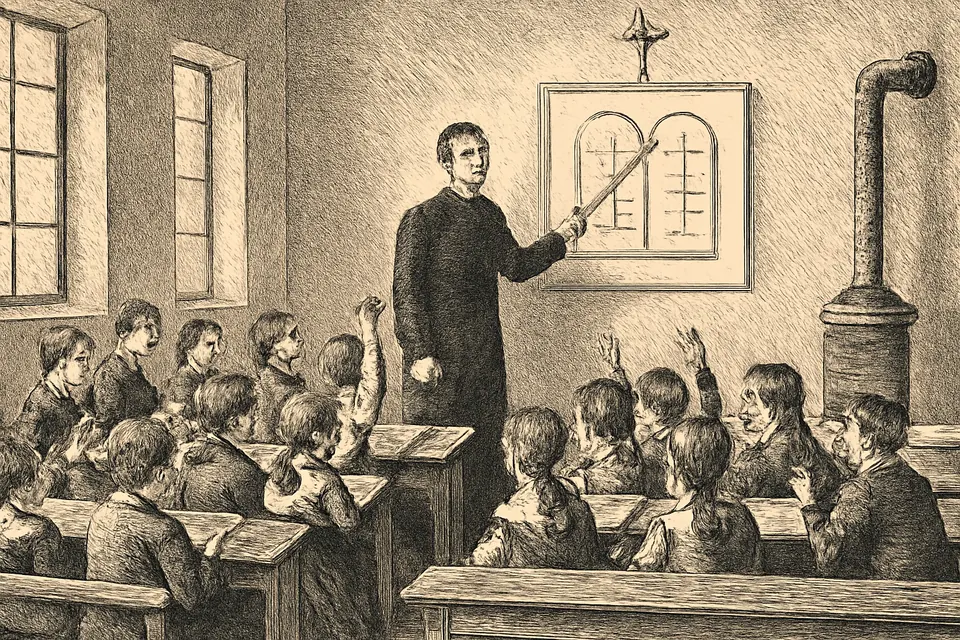
- Use fingers. Ten fingers, ten commandments. The first three fingers are for God; the other seven are for people.
- Learn the short form first. "One God. God's name is holy. Keep Sunday holy. Honor your parents. Don't kill. Be faithful. Don't steal. Don't lie. Keep your heart pure. Don't be greedy." Add the catechism wording later.
- Tie each one to real life. Sunday Mass, saying sorry to a brother, telling the truth about the broken lamp.
- Use them at bedtime. A short look back at the day with the commandments in mind is the start of the examination of conscience children will use for First Confession.
- Pray. End with a short prayer asking God's help to keep His law, and the Act of Contrition when they're ready.
A prayer to keep God's commandments
The psalms are full of prayers for love of God's law. These verses of Psalm 118 (Psalm 119 in newer Bibles) are a good daily prayer, here in the Douay-Rheims translation:
Blessed are the undefiled in the way, who walk in the law of the Lord. Blessed are they who search his testimonies: that seek him with their whole heart. O! that my ways may be directed to keep thy justifications. Then shall I not be confounded, when I shall look into all thy commandments.
Let us ask Our Lady, who kept God's word and pondered it in her heart, and all the saints, to pray that we may love God's law as they did.
Frequently asked questions
What are the Ten Commandments in Catholic order?
1. I am the Lord thy God; thou shalt not have strange gods before Me. 2. Thou shalt not take the name of the Lord thy God in vain. 3. Remember thou keep holy the Sabbath day. 4. Honor thy father and thy mother. 5. Thou shalt not kill. 6. Thou shalt not commit adultery. 7. Thou shalt not steal. 8. Thou shalt not bear false witness against thy neighbor. 9. Thou shalt not covet thy neighbor's wife. 10. Thou shalt not covet thy neighbor's goods.
Why are the Catholic Ten Commandments different from the Protestant ones?
They are the same commandments from the same passages of Scripture, divided in different places. Catholics and Lutherans follow St. Augustine, who kept the ban on idols with the first commandment and split coveting into two. The Orthodox and most other Protestants follow an older division that counts the ban on images separately and keeps coveting as one.
Did the Catholic Church remove the commandment about graven images?
No. The full text is in every Catholic Bible, and the Baltimore Catechism printed it as part of the first commandment. The Church teaches that the first commandment forbids idols, not sacred art; the Catechism (2132) says the veneration of images "is not contrary to the first commandment which proscribes idols."
Why do Catholics go to church on Sunday instead of Saturday?
Christ rose on Sunday, the first day of the week. The Catechism (2175) says Sunday "fulfills the spiritual truth of the Jewish sabbath," and the early Christians kept the Lord's Day from the time of the apostles. Catholics keep the third commandment by attending Mass on Sunday and resting from unnecessary work.
Are the Ten Commandments still binding on Christians?
Yes. The Catechism (2068) recalls that the Council of Trent taught "the Ten Commandments are obligatory for Christians." Jesus told the rich young man, "If thou wilt enter into life, keep the commandments" (Matthew 19:17).
What are the two great commandments?
Love God with your whole heart, soul and mind, and love your neighbor as yourself (Matthew 22:37–39). The first three commandments spell out love of God; the other seven spell out love of neighbor (Catechism 2067).
How are the Ten Commandments different from the precepts of the Church?
The Ten Commandments are God's law, revealed to Moses and confirmed by Christ. The precepts of the Church (Sunday Mass, yearly confession, Easter Communion, holy days, fasting, supporting the Church) are the minimum the Church asks of every Catholic in order to live that law.
Sources
- Catechism of the Catholic Church, nos. 2052–2074 (The Ten Commandments; the division and numbering, no. 2066)
- Catechism of the Catholic Church, nos. 2129–2132 (Sacred images and the first commandment)
- Catholic Encyclopedia (1908): The Ten Commandments (John Stapleton), on the Augustinian and Protestant divisions
- Douay-Rheims Bible, Exodus 20 (the Ten Commandments)
- Douay-Rheims Bible, Deuteronomy 5 (the Ten Commandments repeated)
- A Catechism of Christian Doctrine No. 2 (the Baltimore Catechism, 1885), Lessons 29–35 on the Commandments of God (Project Gutenberg)