Mortal sin
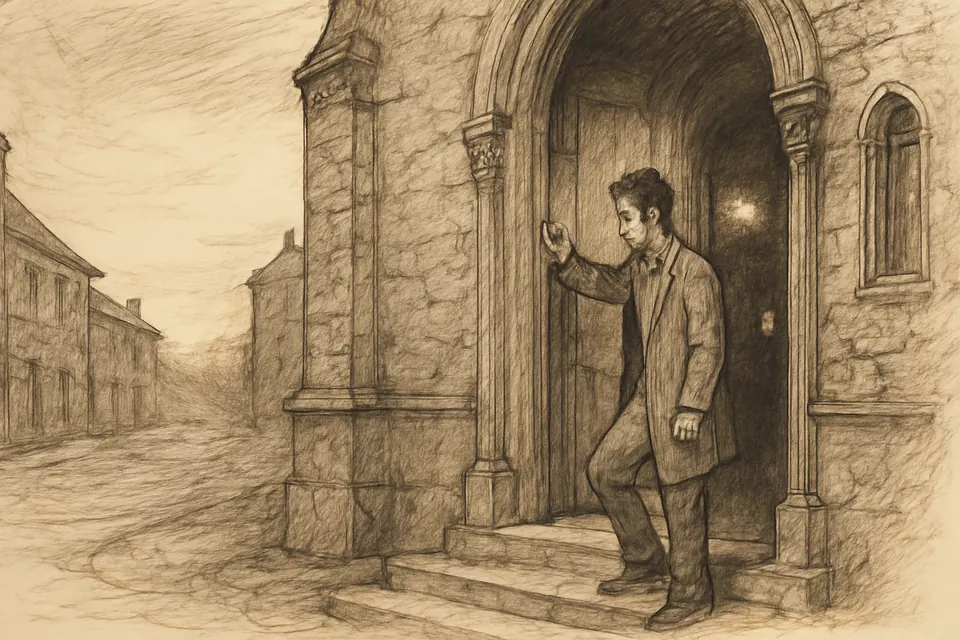
A mortal sin is a sin in a serious matter, committed with full knowledge and deliberate consent, that destroys the life of grace in the soul. The Catechism (1857) says all three conditions must be met together. Mortal sin turns us away from God, but no mortal sin is beyond His mercy: it is forgiven in confession.
Mortal sin is a hard word, and the Church uses it on purpose. "Mortal" means deadly. A mortal sin is a sin serious enough to kill the life of God in the soul, the grace we received at Baptism. Saying so plainly is an act of love, the way a doctor is honest about a serious illness. And like a good doctor, the Church never names the illness without naming the cure. No mortal sin is too great for God's mercy, and Christ left us a sure way back to Him in the sacrament of confession.
This page explains what a mortal sin is in Catholic teaching, the three conditions that make a sin mortal, examples of grave sin from the Catechism of the Catholic Church, how mortal sin differs from venial sin and from the seven deadly sins, and how it is forgiven. If you are preparing for confession, our examination of conscience and our guide to Catholic confession go with this page.
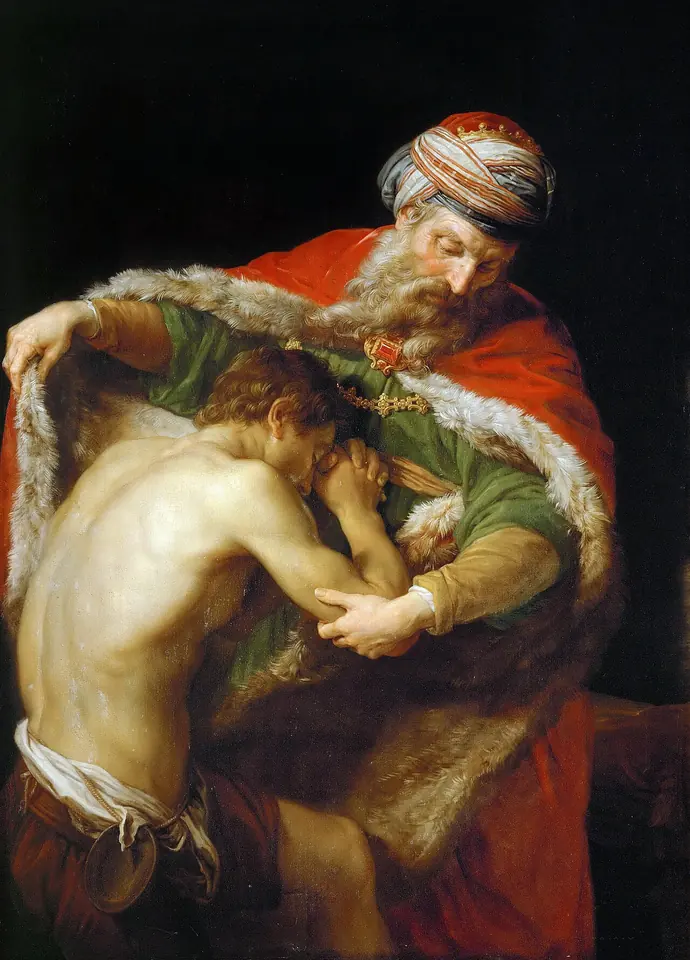
What is a mortal sin?
The Catechism defines it this way: "Mortal sin destroys charity in the heart of man by a grave violation of God's law; it turns man away from God, who is his ultimate end and his beatitude, by preferring an inferior good to him" (1855). Charity here means the love of God poured into our hearts by the Holy Spirit. A mortal sin is a choice that sets us against that love. We prefer something else to God, knowingly and freely, in a serious matter.
The old Baltimore Catechism (1885) said it in one line that many grandparents can still recite: "Mortal sin is a grievous offense against the law of God." It is called mortal, the catechism explained, "because it deprives us of spiritual life, which is sanctifying grace, and brings everlasting death and damnation on the soul."
The distinction between deadly and lesser sins comes from Scripture. St. John writes: "All iniquity is sin. And there is a sin unto death" (1 John 5:17, Douay-Rheims), and he speaks also of "a sin which is not to death." St. Paul gives lists of sins whose doers "shall not obtain the kingdom of God" (Galatians 5:19–21; 1 Corinthians 6:9–10). The Catechism (1854) says the distinction between mortal and venial sin, "already evident in Scripture, became part of the tradition of the Church," and adds that it "is corroborated by human experience." We all know the difference between snapping at someone and betraying them.
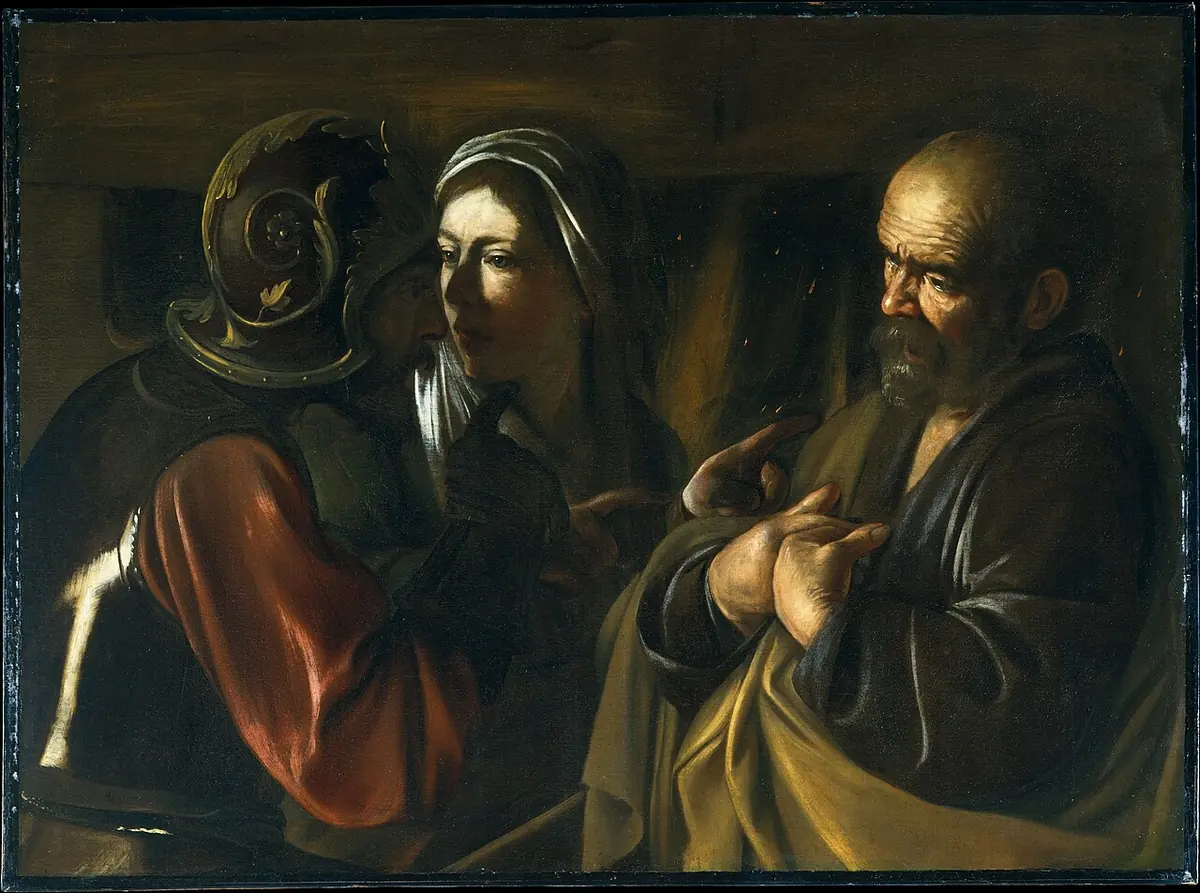
The three conditions for a mortal sin
The heart of the Church's teaching is one sentence from St. John Paul II, quoted in the Catechism (1857): "Mortal sin is sin whose object is grave matter and which is also committed with full knowledge and deliberate consent." All three conditions must be present together. If any one is missing, the sin is not mortal.
1. Grave matter
The act itself must be seriously wrong. "Grave matter is specified by the Ten Commandments," the Catechism says (1858), pointing to Jesus' answer to the rich young man: "Do not kill, Do not commit adultery, Do not steal, Do not bear false witness, Do not defraud, Honor your father and your mother." Not every sin against a commandment is grave. Taking a pen from work and robbing a family of its savings both break the seventh commandment, but only one is grave. The Catechism adds that gravity comes in degrees ("murder is graver than theft") and depends also on who is wronged: violence against one's own parents is graver than against a stranger.
2. Full knowledge
We must know that the act is seriously wrong. Mortal sin "presupposes knowledge of the sinful character of the act, of its opposition to God's law" (1859). Someone who truly, through no fault of their own, did not know that something was gravely sinful has not committed a mortal sin. But this condition has limits. "Feigned ignorance and hardness of heart do not diminish, but rather increase, the voluntary character of a sin" (1859). Refusing to find out because we suspect the answer is not innocence. And "no one is deemed to be ignorant of the principles of the moral law, which are written in the conscience of every man" (1860).
3. Deliberate consent
We must freely choose it. Mortal sin "implies a consent sufficiently deliberate to be a personal choice" (1859). The Catechism (1860) recognizes that "the promptings of feelings and passions can also diminish the voluntary and free character of the offense, as can external pressures or pathological disorders." A sudden, half-awake impulse, a deep addiction, serious fear or mental illness may lessen a person's guilt. Only God sees exactly how much.
These last two conditions are why the Church teaches that "although we can judge that an act is in itself a grave offense, we must entrust judgment of persons to the justice and mercy of God" (1861). We can say "this act is gravely wrong." We may not say "that person is in mortal sin." That judgment belongs to God alone.
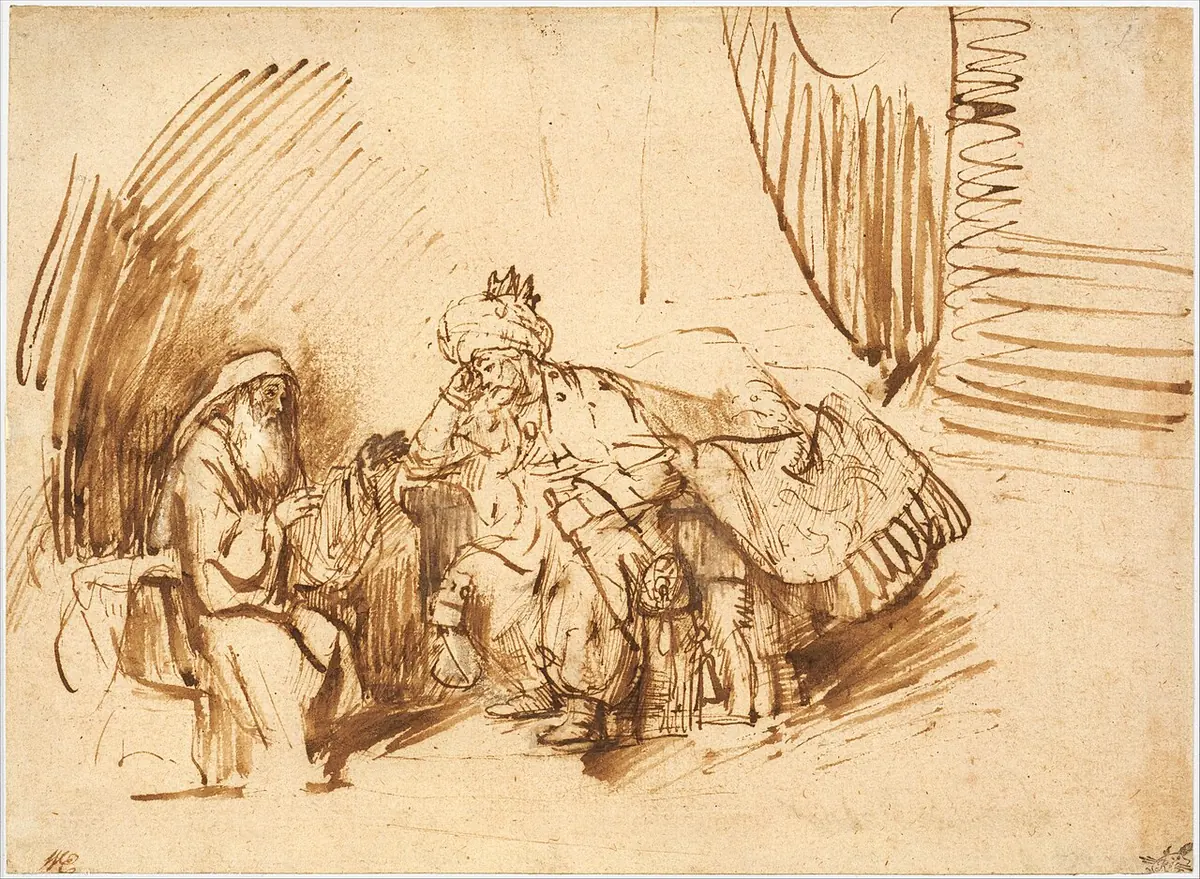
Mortal sins list: examples of grave matter
There is no single official list of every mortal sin, because a sin is mortal only when grave matter meets full knowledge and deliberate consent. But the Catechism names many acts as grave matter, and people preparing for confession rightly want to know what they are. Here are the main ones it identifies, arranged by the Ten Commandments, with the paragraph numbers so you can read the Church's own words.
Against God (first three commandments)
- Deliberately rejecting the faith: heresy, apostasy and schism (2089).
- Despair of God's mercy, and presumption that we can be saved without conversion (2091–2092).
- Sacrilege, which "is a grave sin especially when committed against the Eucharist" (2120), including receiving Communion knowingly in a state of mortal sin.
- Blasphemy: "It is in itself a grave sin" (2148).
- Occult practices, divination and sorcery (2116–2117).
- Deliberately missing Sunday Mass or a holy day of obligation without a serious reason: "Those who deliberately fail in this obligation commit a grave sin" (2181).
Against life and the body (fifth commandment)
- Murder: the fifth commandment "forbids direct and intentional killing as gravely sinful" (2268).
- Abortion: "Formal cooperation in an abortion constitutes a grave offense" (2272).
- Euthanasia (2277) and suicide, which is "gravely contrary to the just love of self" (2281).
- The use of drugs except on strictly therapeutic grounds, "a grave offense" (2291), and drunkenness or reckless driving that endanger lives (2290).
- Hatred that wishes grave harm to a neighbor (2303).
Against chastity and marriage (sixth and ninth commandments)
- Adultery, divorce, polygamy and free union, "grave offenses against the dignity of marriage" (2400).
- "Among the sins gravely contrary to chastity are masturbation, fornication, pornography, and homosexual practices" (2396).
Against justice and truth (seventh, eighth and tenth commandments)
- Theft and fraud in a serious matter, unjust wages and the like (2408–2409).
- A lie that does "grave injury to the virtues of justice and charity" (2484), perjury (2152), and calumny or detraction that destroys someone's reputation (2479).
- Envy, when "it wishes grave harm to a neighbor it is a mortal sin" (2539).
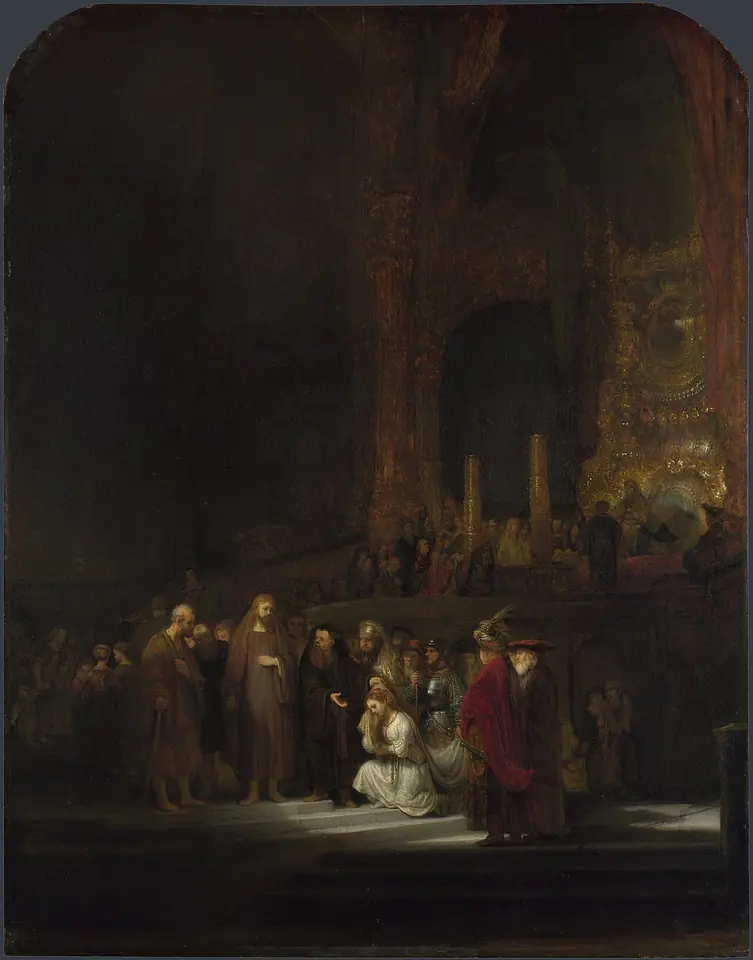
Reading a list like this can be painful. Some of us see our own lives in it. Remember why the Church writes such lists: not to crush us but so we can know where we stand and come home. Every sin on this list has been confessed and forgiven countless times. And if you find one here that you did not know was grave, the Church's teaching on full knowledge means you were likely less guilty than you feared, though now that you know, you are called to change and to bring it to confession.
Mortal sin and venial sin
A venial sin is a lesser sin that wounds our friendship with God without breaking it. The Catechism (1862) says we commit venial sin "when, in a less serious matter," we fail to keep the moral law, "or when [we disobey] the moral law in a grave matter, but without full knowledge or without complete consent." Impatience, small lies, petty gossip, laziness in prayer: these are the everyday stuff of venial sin.
Venial sin "does not set us in direct opposition to the will and friendship of God; it does not break the covenant with God" (1863). But it is not nothing. It "weakens charity," and "deliberate and unrepented venial sin disposes us little by little to commit mortal sin." The Catechism quotes St. Augustine, who warned against shrugging off small sins: "if you take them for light when you weigh them, tremble when you count them. A number of light objects makes a great mass; a number of drops fills a river." And his answer to the problem: "What then is our hope? Above all, confession." For more, see our page on venial sin.
Mortal sin and the seven deadly sins
People often mix up mortal sins with the seven deadly sins: pride, greed, lust, envy, gluttony, anger and sloth. The seven are better called the capital sins. They are roots, the habits and inclinations from which particular sins grow. An angry person may commit a mortal sin of violence or only a venial sin of impatience. Gluttony may mean a second dessert or drinking until one endangers others. The capital sins tell us where to look in ourselves; the three conditions tell us how serious a particular act is.
What mortal sin does to the soul
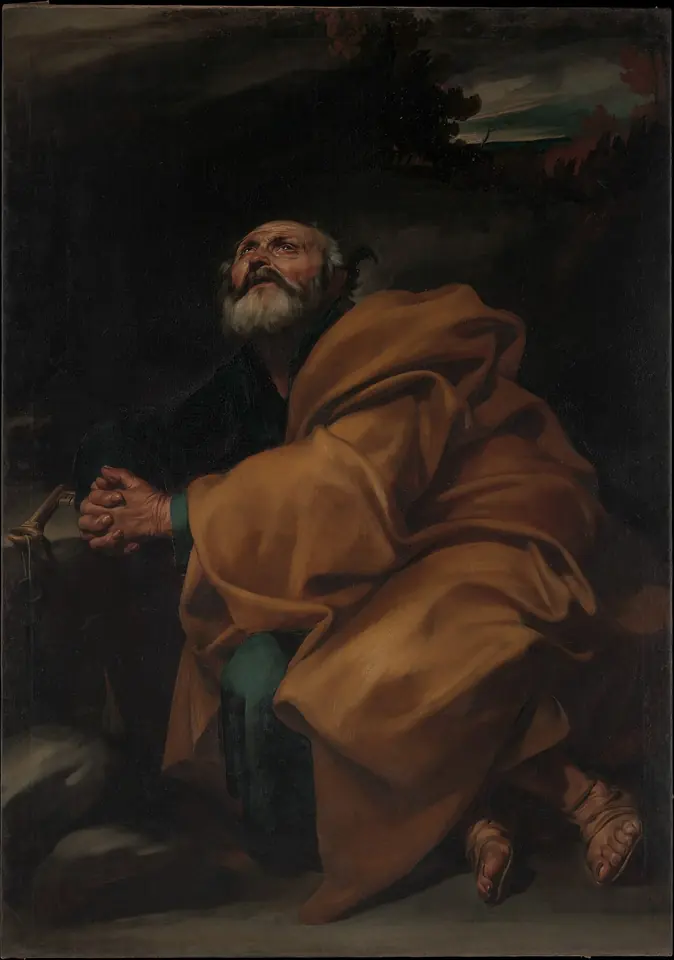
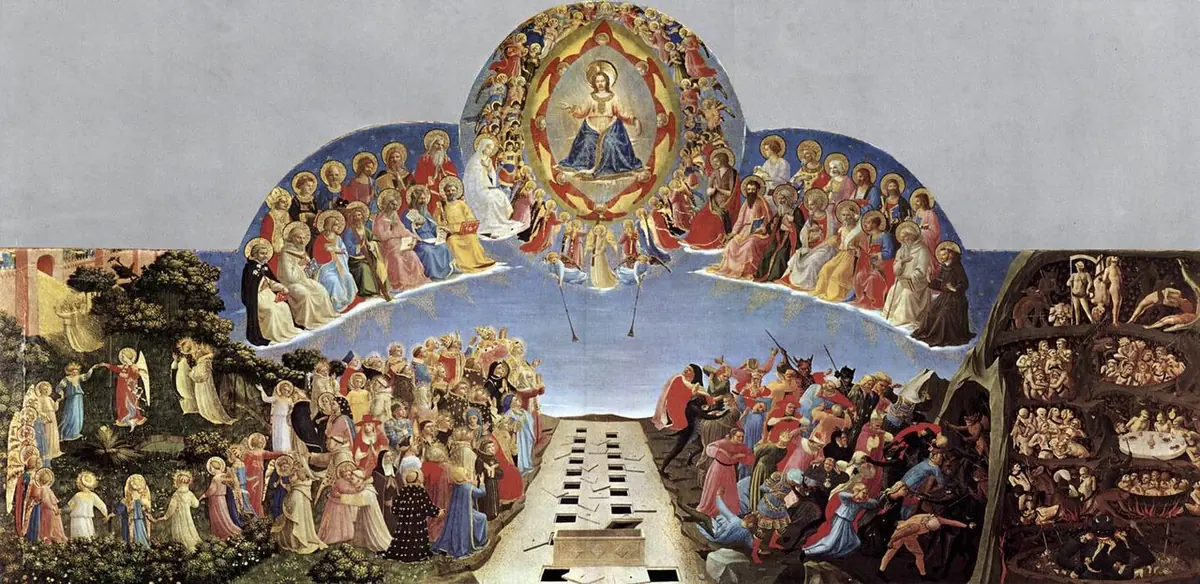
The Catechism (1861) is sober about the stakes: mortal sin "results in the loss of charity and the privation of sanctifying grace, that is, of the state of grace. If it is not redeemed by repentance and God's forgiveness, it causes exclusion from Christ's kingdom and the eternal death of hell, for our freedom has the power to make choices for ever, with no turning back."
That last phrase is the key. God does not send anyone to hell on a technicality. Hell is the final, freely chosen refusal of His love. Mortal sin is serious because it is that same refusal in the present tense, and because we cannot be sure we will have time to undo it.
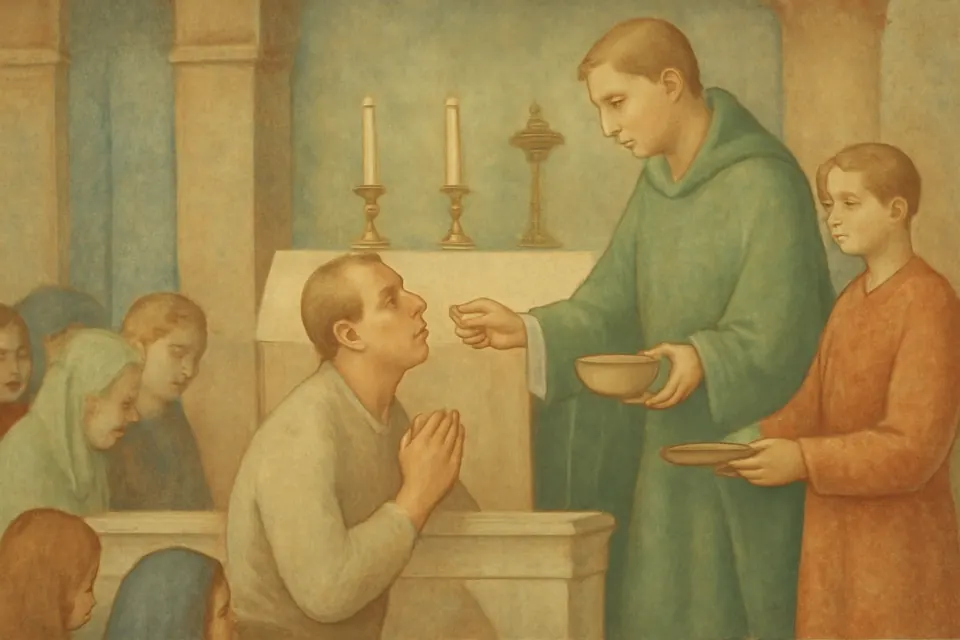
In practice, someone conscious of mortal sin should not receive Holy Communion until they have been to confession (1457). This is not a punishment. Communion is the sign and food of friendship with Christ, and we restore the friendship first. For the same reason the Church asks Catholics to confess grave sins at least once a year.
How mortal sin is forgiven
The good news is as strong as the warning. "Mortal sin, by attacking the vital principle within us - that is, charity - necessitates a new initiative of God's mercy and a conversion of heart which is normally accomplished within the setting of the sacrament of reconciliation" (1856). God takes the initiative. He comes looking for us.
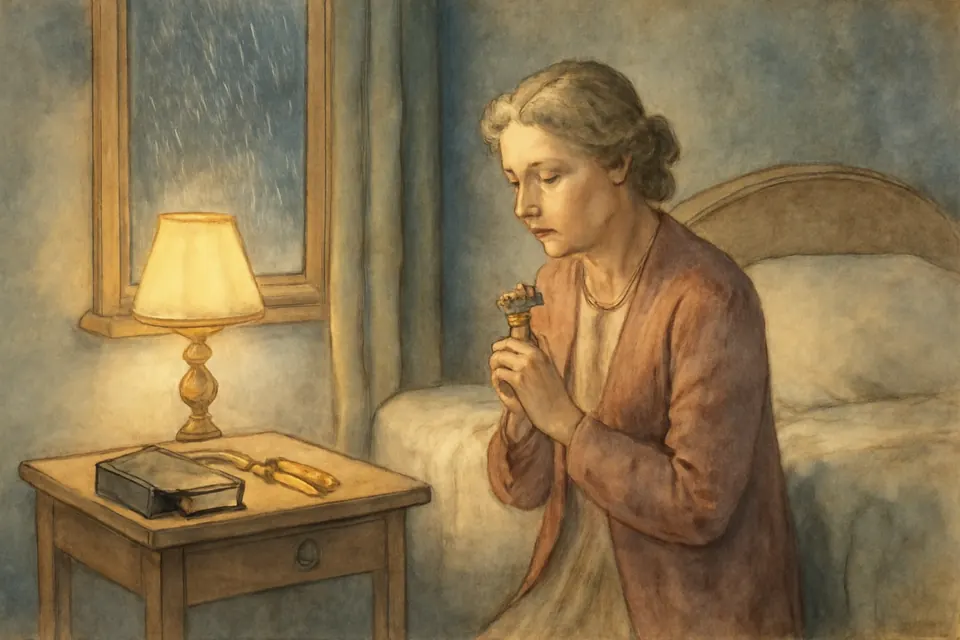
The ordinary way back is confession. Church law asks us to confess every mortal sin we remember by kind and number, and the priest's absolution forgives it completely. The Catechism also teaches that when contrition "arises from a love by which God is loved above all else," it "obtains forgiveness of mortal sins if it includes the firm resolution to have recourse to sacramental confession as soon as possible" (1452). So if you fall into grave sin, don't wait for Saturday to be sorry. Pray an Act of Contrition right away, from the heart, and then go to confession at the first opportunity.
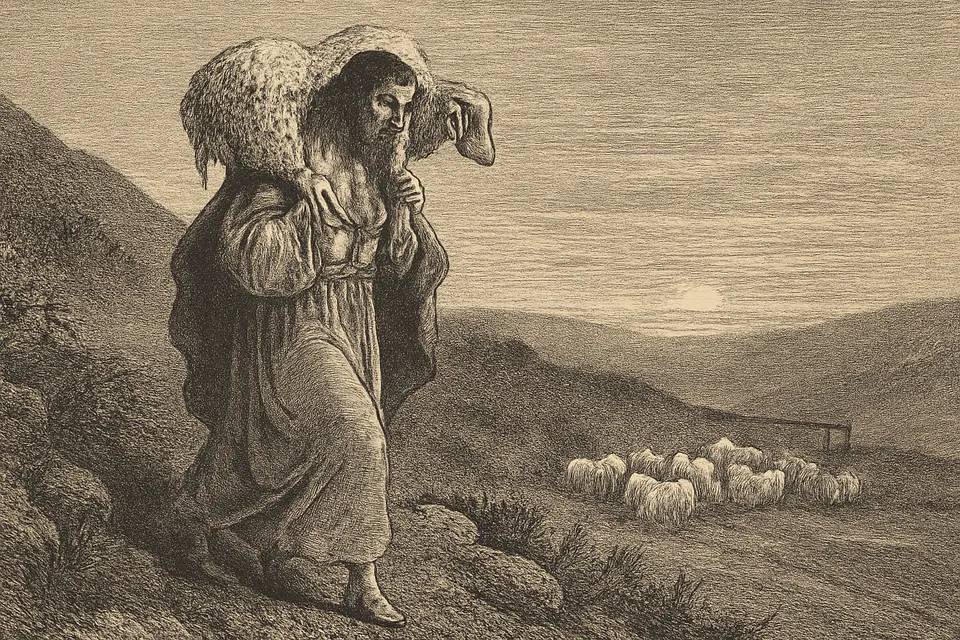
There is only one sin Scripture calls unforgivable: blasphemy against the Holy Spirit (Mark 3:29). The Catechism (1864) explains what it means: "There are no limits to the mercy of God, but anyone who deliberately refuses to accept his mercy by repenting, rejects the forgiveness of his sins." In other words, the only sin God cannot forgive is the one we refuse to let Him forgive. If you are worried that you have committed it, the worry itself is good evidence that you haven't.
A word for anxious consciences
Some people read about mortal sin and become frightened that every bad thought or slip was mortal. If that's you, take heart. Temptations that you didn't choose are not sins. Thoughts that pass through the mind without your consent are not sins. Doubts about whether you consented usually mean you didn't fully consent. The rule moral theologians have long given anxious souls is simple: if you are not sure a sin was mortal, it was not. Confess it if you wish, and receive Communion in peace.
Choose one regular confessor and follow his advice. St. Alphonsus Liguori, the patron of confessors and moral theologians, suffered from scruples for much of his life and wrote with great gentleness for others who did. Our examination of conscience has a section for those who struggle with scruples.
Sinners who came home
The saints are not people who never sinned gravely. Many of them did, and their stories are told so we won't despair.
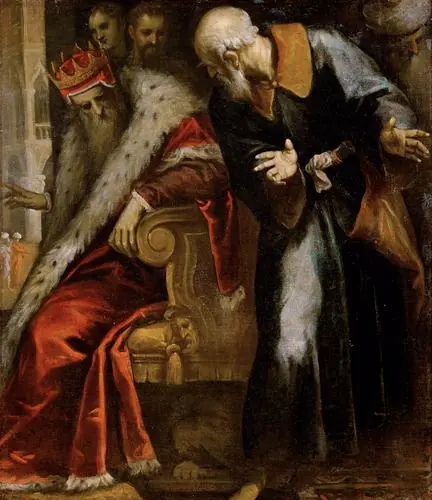
King David committed adultery with Bathsheba and arranged her husband's death. When the prophet Nathan confronted him, David said, "I have sinned against the Lord" (2 Kings 12:13 in the Douay-Rheims; 2 Samuel 12:13 in newer Bibles), and the psalm of his repentance, the Miserere (Psalm 50/51), has been the Church's prayer of sorrow ever since.
St. Peter denied Christ three times on the night of His Passion, and the risen Lord asked him three times, "Lovest thou me?" before giving him the care of the whole Church. St. Augustine lived for years with a mistress and confessed in his Confessions that as a young man he asked God for chastity, but not yet, until grace finally overcame him in a garden in Milan. St. Moses the Black was a robber chief before he became a holy monk. St. Dismas, the Good Thief, was promised Paradise on the day he died. And Alessandro Serenelli, who killed eleven-year-old St. Maria Goretti in 1902, repented in prison, asked her mother's forgiveness, and lived his last years in peace with God. She had forgiven him from her deathbed.
A prayer for a sinner coming home
Pray this when you are carrying a serious sin and want the courage to bring it to confession. It was written for this page by Pastor Lyvers:
Lord Jesus, You know what I have done. I am sorry, not only because I fear to lose You, but because You have loved me and I have turned away. Give me the courage to go to confession soon and to tell it all honestly. Do not let shame keep me from You. Holy Mary, refuge of sinners, St. Peter, St. Augustine and all you saints who came home, pray for me. Amen. (Pastor Lyvers)
For the traditional prayers of sorrow, see the Act of Contrition. To understand how the Church helps us repair the effects of forgiven sin, see our pages on purgatory and indulgences.
Frequently asked questions
What is a mortal sin in simple terms?
A mortal sin is a serious sin that we commit knowing it is seriously wrong and freely choosing it anyway. It cuts off the life of grace in the soul, the way a mortal wound cuts off life in the body. It is forgiven through sincere sorrow and confession.
What are the 3 conditions for a mortal sin?
Grave matter, full knowledge and deliberate consent. The Catechism (1857) says: "Mortal sin is sin whose object is grave matter and which is also committed with full knowledge and deliberate consent." If any one is missing, the sin is venial, though it may still be serious.
Is missing Mass on Sunday a mortal sin?
Deliberately missing Sunday Mass or a holy day of obligation without a serious reason is grave matter. The Catechism (2181) says: "Those who deliberately fail in this obligation commit a grave sin." Illness, caring for infants or other serious reasons excuse. If you missed through your own fault, confess it before receiving Communion.
Can a mortal sin be forgiven?
Yes, always, when we repent. Christ gave the Church the power to forgive sins (John 20:23), and the ordinary way a mortal sin is forgiven is in confession. Perfect contrition, sorrow out of love for God, also obtains forgiveness when it includes the resolve to go to confession as soon as possible (Catechism 1452).
What happens if you die in mortal sin?
The Church teaches that mortal sin which is not redeemed by repentance and God's forgiveness "causes exclusion from Christ's kingdom and the eternal death of hell" (Catechism 1861). But the same paragraph adds that we must entrust the judgment of persons to God's justice and mercy. We never presume to know that any particular person is lost.
Is lying a mortal sin?
Usually not. The Catechism (2484) says a lie in itself is a venial sin, but "it becomes mortal when it does grave injury to the virtues of justice and charity," such as perjury or a lie that ruins someone's reputation or livelihood.
What is the difference between mortal sin and the seven deadly sins?
The seven deadly sins (pride, greed, lust, envy, gluttony, anger, sloth) are capital sins: root tendencies that give rise to other sins. They are not automatically mortal. An act that springs from them is mortal only when it involves grave matter, full knowledge and deliberate consent.
Can I receive Communion if I committed a mortal sin?
No. Anyone aware of a mortal sin should go to confession before receiving Holy Communion. The only exception is a grave reason with no possibility of confession; then one makes an act of perfect contrition and goes to confession as soon as possible (Catechism 1457).
Sources
- Catechism of the Catholic Church, nos. 1852–1864 (The Gravity of Sin: Mortal and Venial Sin)
- Catechism of the Catholic Church, nos. 1450–1460 (The Acts of the Penitent: contrition, confession, satisfaction)
- John Paul II, Reconciliatio et Paenitentia (1984), no. 17 (mortal and venial sin)
- Catholic Encyclopedia (1912): Sin
- A Catechism of Christian Doctrine No. 2 (the Baltimore Catechism, 1885), Lesson Sixth: On Sin and Its Kinds (Project Gutenberg)
- Douay-Rheims Bible, 1 John 5 (the "sin unto death")