Pope Pius XII
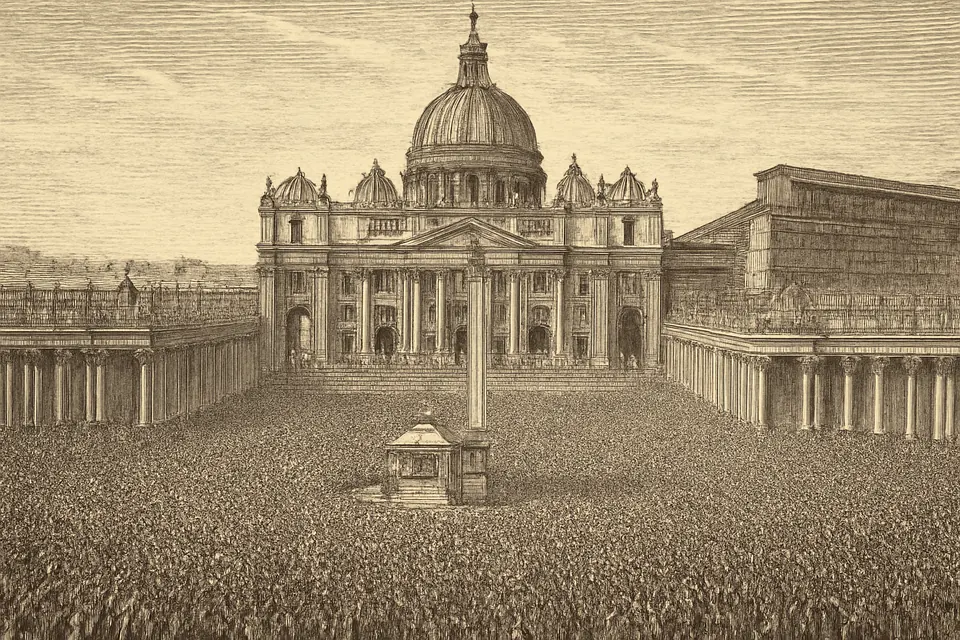
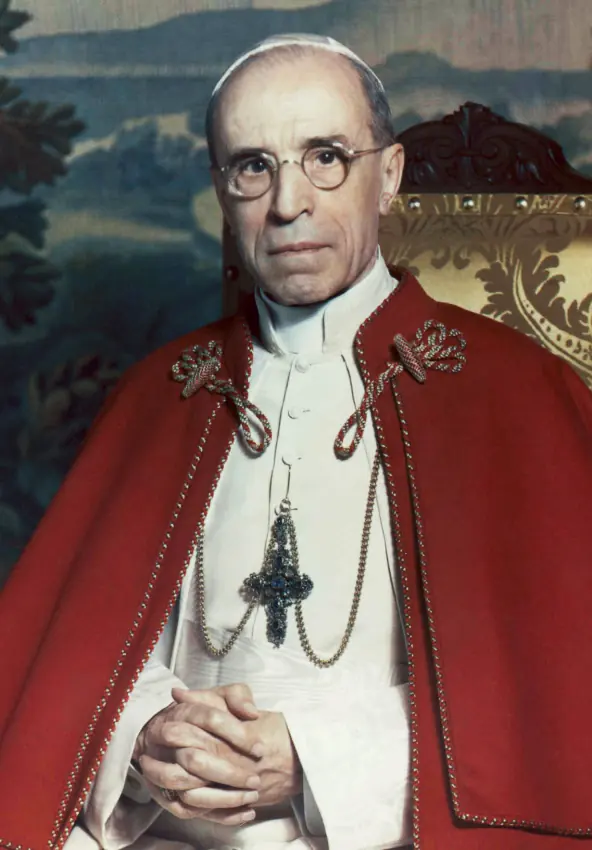
Pope Pius XII (Eugenio Pacelli, 1876–1958) was pope from 1939 to 1958, guiding the Church through the Second World War and the early Cold War. A Roman-born diplomat, he defined the dogma of Mary's Assumption in 1950. In 2009 Pope Benedict XVI declared him Venerable Pius XII; he has not yet been beatified.
Pope Pius XII led the Catholic Church for nineteen years, from March 1939 to October 1958, through the Second World War, the bombing and occupation of Rome, and the first hard years of the Cold War. Born Eugenio Pacelli in Rome, he was a priest-diplomat of great learning and great personal austerity. He gave the Church the dogma of the Assumption of the Blessed Virgin Mary, encyclicals that prepared the way for the Second Vatican Council, and nearly two hundred radio messages that reached a world at war. Today the Church calls him Venerable Pius XII, and his cause for beatification is open.
He is also one of the most debated popes of modern times, because of what he said and did not say about the Nazi persecution of the Jews. Let us look at his life honestly and with gratitude, and pray for him and with him as we go.
Who was Pope Pius XII?
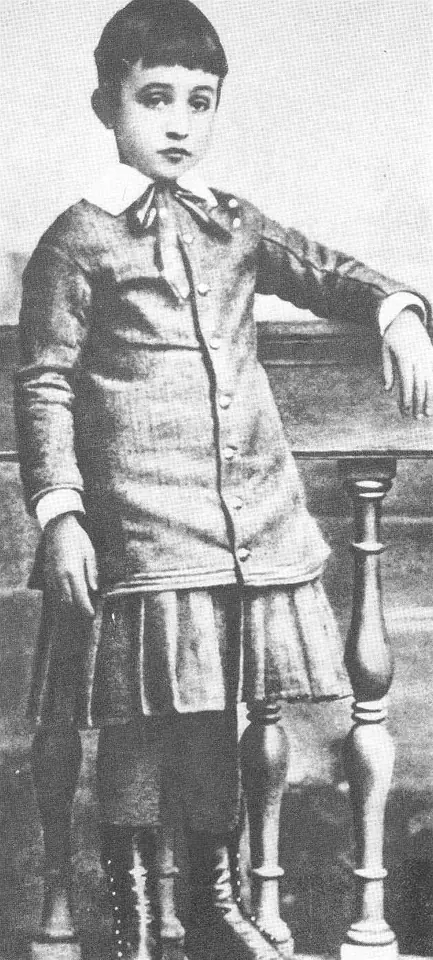
Eugenio Maria Giuseppe Giovanni Pacelli was born in Rome on March 2, 1876, to Filippo Pacelli and Virginia Graziosi. His family had served the Holy See for generations: his father was dean of the lawyers of the papal court, and his brother Francesco later helped draft the Lateran Treaty of 1929 that created Vatican City. He was the last pope to be born in Rome.
He was a serious, studious boy. Because of fragile health, he lived at home rather than in a seminary college while he studied at the Gregorian University and the Roman Seminary's Apollinare, earning top marks in theology and in canon and civil law. He was ordained a priest on April 2, 1899.
A diplomat for the Holy See
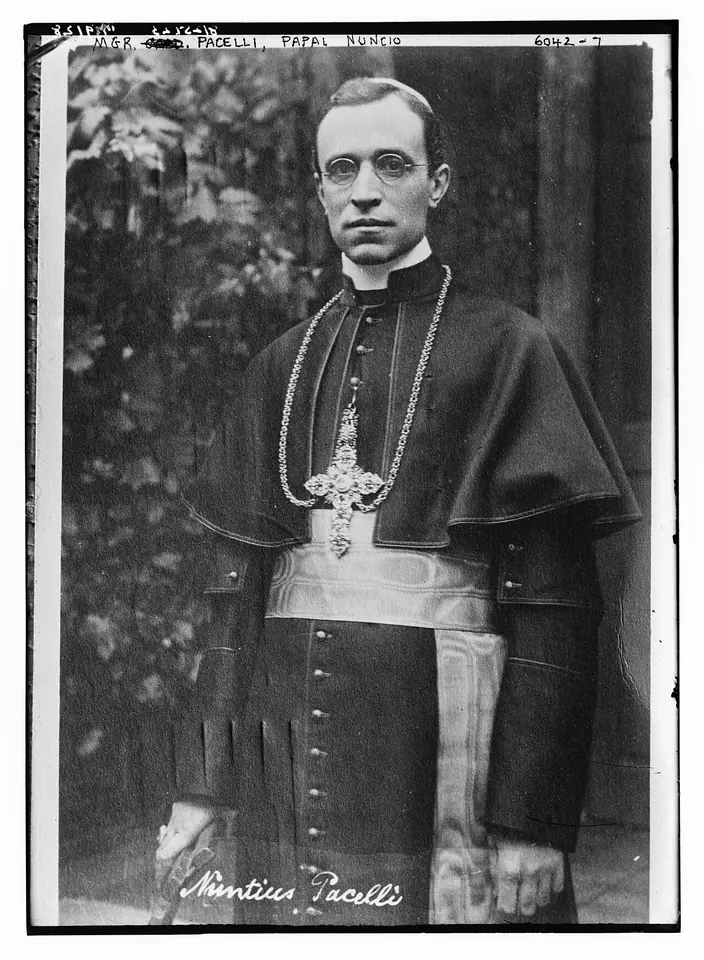
Within two years of ordination he was working in the Vatican's Secretariat of State, and he never really left it. He helped Cardinal Pietro Gasparri prepare the first Code of Canon Law, promulgated by Pope Benedict XV in 1917. That same year, in the middle of the First World War, Benedict XV made him an archbishop and sent him as nuncio to Munich. He was consecrated a bishop by the Pope in the Sistine Chapel on May 13, 1917, the very day Our Lady first appeared to the three shepherd children at Fatima.
In Germany he carried Benedict XV's peace proposals to the Kaiser, worked to help prisoners of war and the hungry, and in 1920 became the first nuncio to the new German republic, serving in Berlin until 1929. Pope Benedict XVI later said that in those years Pacelli saw "from the outset" the danger of "the monstrous National-Socialist ideology with its pernicious anti-Semitic and anti-Catholic roots."
Secretary of State
Pius XI made him a cardinal on December 16, 1929, and his Secretary of State on February 7, 1930. For nine years he was the Pope's closest collaborator. He traveled as papal legate to Buenos Aires (1934), Lourdes (1935), Lisieux (1937) and Budapest (1938), and in 1936 he toured the United States and met President Franklin Roosevelt. He negotiated the 1933 concordat with Germany, hoping, as the Vatican's own biography says, that it would protect Catholics in the Reich even though he feared from the start that the regime would not keep it. When the Nazis broke it, he helped prepare Mit brennender Sorge, Pius XI's 1937 encyclical against Nazism, which was smuggled into Germany and read from Catholic pulpits there on Palm Sunday.

Pope Pius XII and the Second World War
Pius XI died on February 10, 1939. The cardinals elected Pacelli on March 2, his 63rd birthday, in one of the shortest conclaves of modern times. He took the name of the pope he had served and was crowned on March 12.
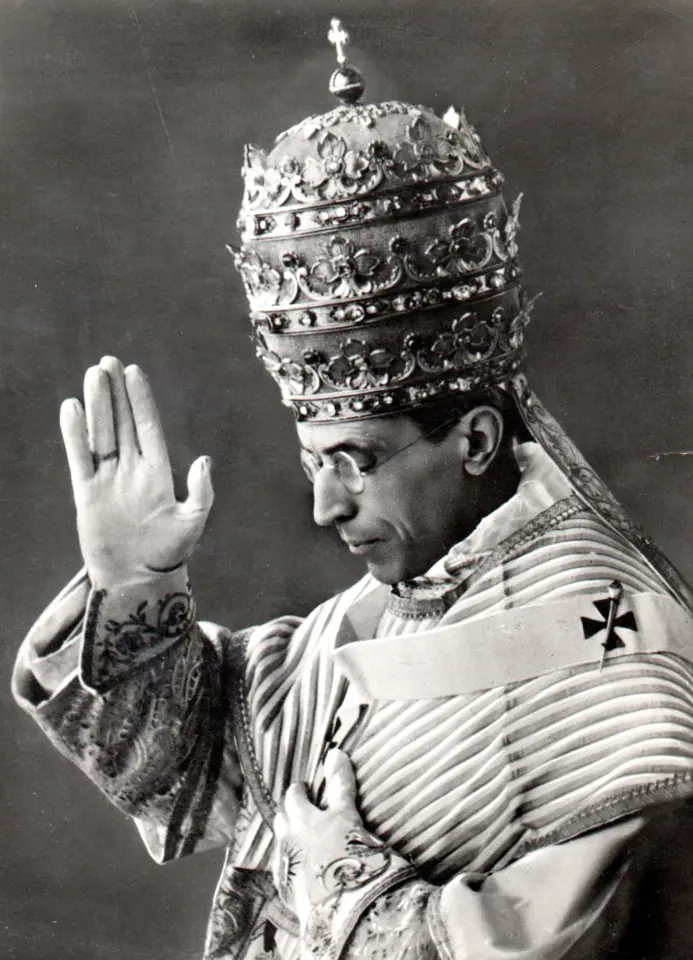
War came within six months. On August 24, 1939, he made a radio appeal to the whole world:
The danger is imminent, but there is still time. Nothing is lost with peace; all can be lost with war!
No one listened. On September 1 Germany invaded Poland. In his first encyclical, Summi Pontificatus (October 20, 1939), he grieved over the "hour of darkness" that had fallen on humanity. That same month, as a sign that the Church belongs to every people, he personally ordained twelve bishops from mission lands, among them the first African bishop of modern times.
A voice on the radio
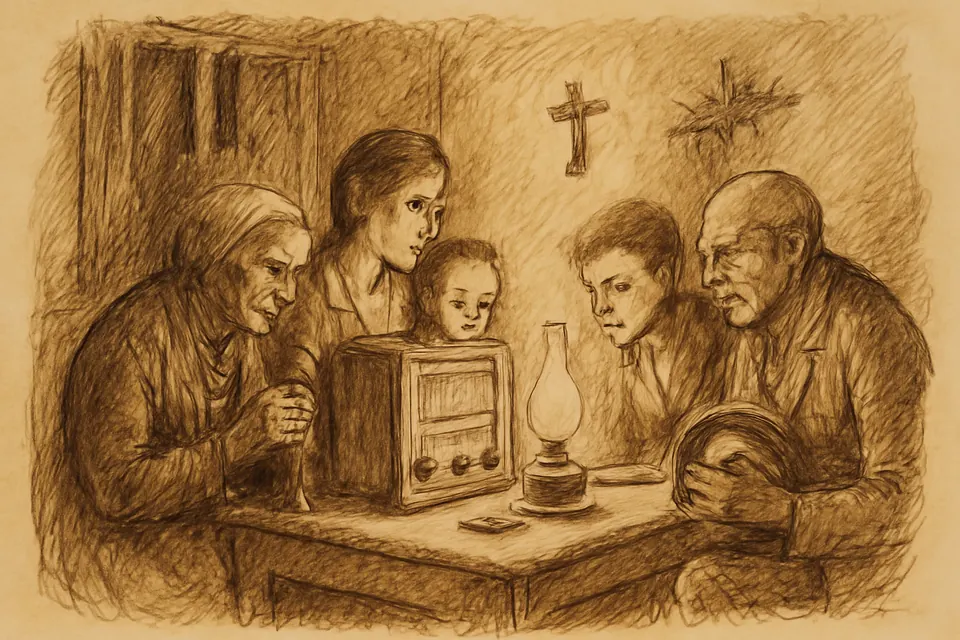
With his letters stopped by censors and borders, Pius XII turned to Vatican Radio. The Vatican counts nearly two hundred radio messages from his pontificate, in Latin, Italian, French, German, Spanish, Portuguese and English. The most famous is his Christmas message of 1942. Near its end, he asked the world to vow to rebuild society on God's law, a vow owed, he said, to
centinaia di migliaia di persone, le quali, senza veruna colpa propria, talora solo per ragione di nazionalità o di stirpe, sono destinate alla morte o ad un progressivo deperimento.
In Pope Benedict XVI's English: "hundreds of thousands of men and women who, without any fault of their own, sometimes only because of their nationality or race, have been consigned to death or to a slow decline." Benedict called it "a clear reference to the deportation and extermination of the Jews." Pius XII himself pointed back to this message in 1945 as one of his public protests against Nazism.
The bishop of a bombed city
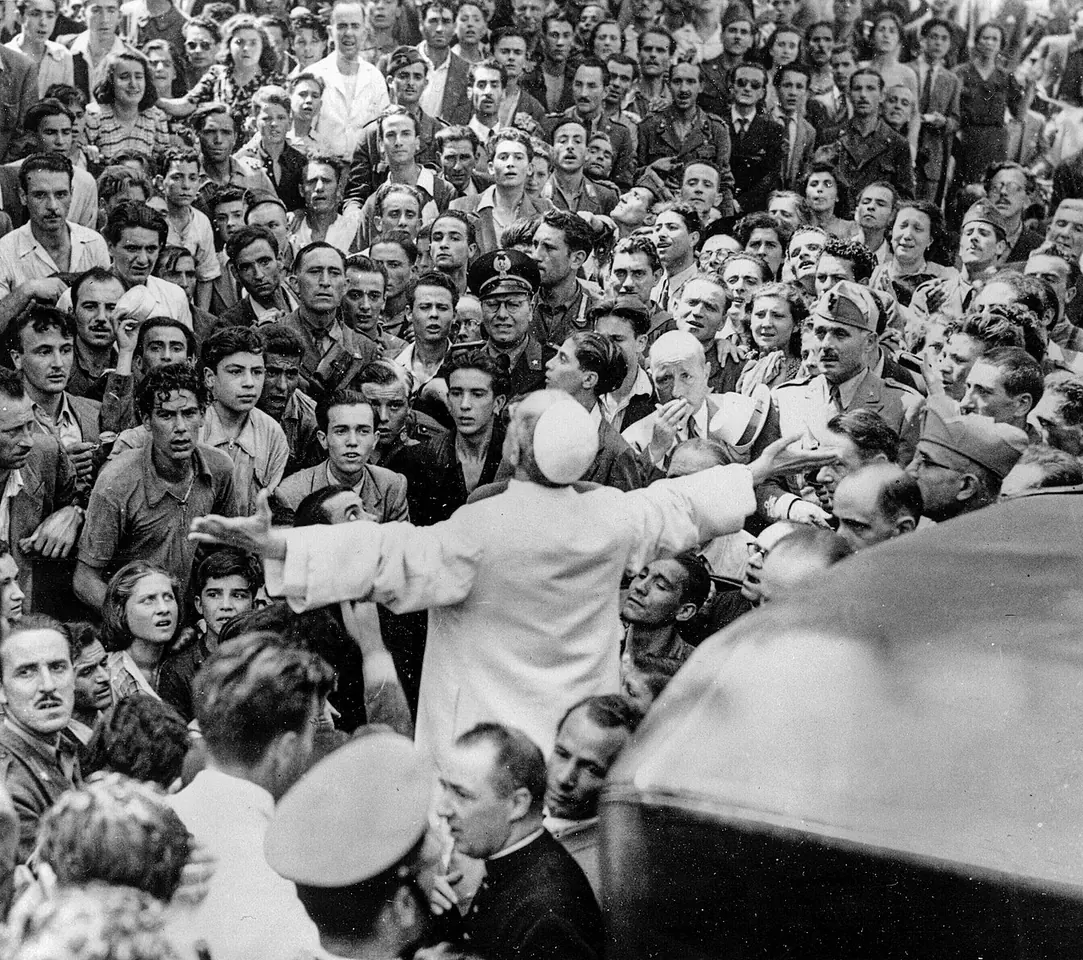
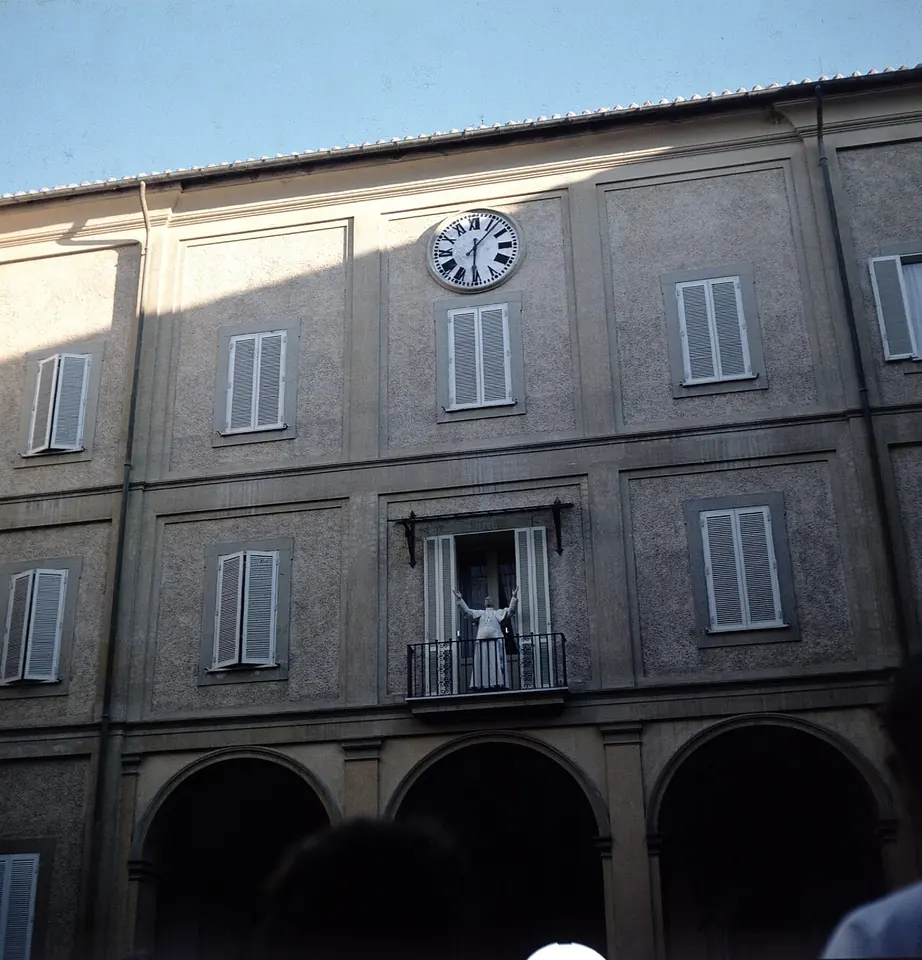
On July 19, 1943, Allied bombers struck the working-class San Lorenzo district of Rome, killing many and damaging the ancient basilica of St. Lawrence Outside the Walls. Pius XII left the Vatican that afternoon, went to the ruins, prayed among the people and handed out money to the homeless. He went again in August, after the bombing near St. John Lateran. Photographs show him in his white cassock, arms spread wide over the crowd.
When the Germans occupied Rome in September 1943, he was urged again and again to leave the city for safety. Witnesses for his cause recall his answer: "I will not leave Rome and my duty even if it means I should die." Those around him testified that he gave up heating, food and comforts to share the hardships of the people.

Pius XII and the Jews of Rome
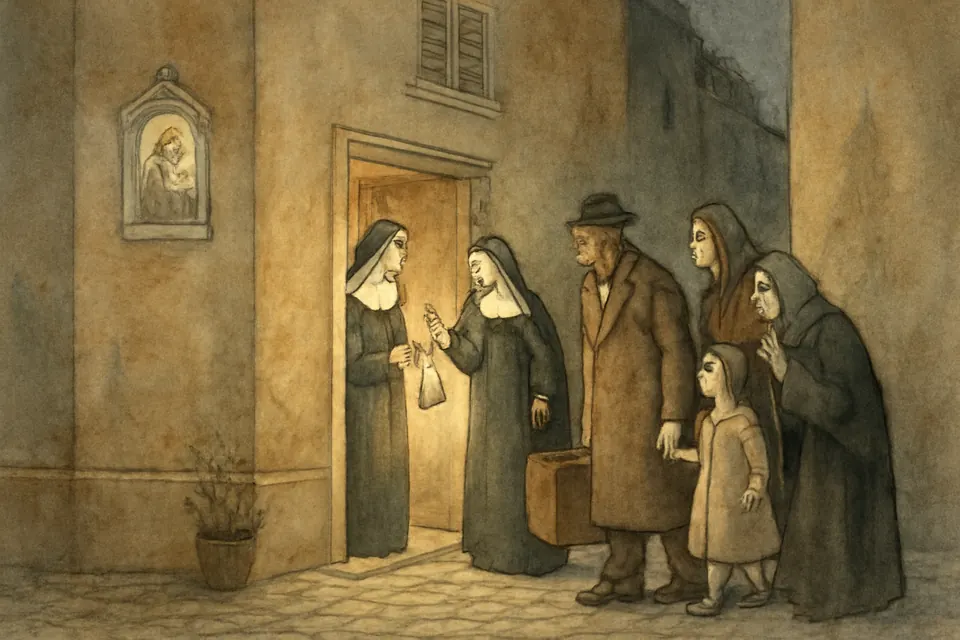
On October 16, 1943, the SS rounded up more than a thousand Jews in Rome and deported them to Auschwitz; very few came home. In the months that followed, many Roman convents, monasteries, colleges and parishes, as well as Vatican properties such as Castel Gandolfo, hid Jews and other fugitives behind their walls. Pope Benedict XVI, drawing on the evidence gathered for the cause, said that Pius XII "often acted secretly and silently because, in the light of the practical situations of that complex period of history, he foresaw that only in this way could he avoid the worst and save the greatest possible number of Jews."
After the war, gratitude came from many quarters. On November 29, 1945, some eighty delegates of survivors of the German concentration camps came to the Vatican to thank him personally. When he died, Golda Meir, then Israel's foreign minister, wrote:
When fearful martyrdom came to our people, the voice of the Pope was raised for its victims. The life of our times was enriched by a voice speaking out about great moral truths above the tumult of daily conflict ... We mourn a great Servant of peace.
The debate began later, above all after Rolf Hochhuth's 1963 play The Deputy, which portrayed the Pope as coldly silent. Critics have argued that he should have condemned the Holocaust by name and more loudly; his defenders answer that open denunciation would have brought reprisals on Jews and Catholics alike, as happened in the occupied Netherlands in 1942, when the Dutch bishops' protest was followed by the deportation of Jewish converts, among them St. Edith Stein, and would have closed the hiding places he was quietly protecting. In 2019 Pope Francis announced that the archives of Pius XII's pontificate would open to scholars, and they did on March 2, 2020. He said:
The Church is not afraid of history but, rather, she loves it, and would like to love it more and better, as God loves it!
Research in those archives continues. We can hold two things together: gratitude for the many lives saved in the Church's houses under his authority, and humility before a question historians are still answering.
Pius XII and Our Lady
Pius XII loved the Blessed Virgin deeply, and Marian devotion runs through his whole pontificate. Its center is Fatima. Consecrated a bishop on May 13, 1917, he was the pope who, on October 31, 1942, in a radio message to Portugal for the 25th anniversary of the apparitions, consecrated the Church and the whole human race to the Immaculate Heart of Mary. In our translation, the prayer begins:
To you, to your Immaculate Heart, in this tragic hour of human history, we entrust and consecrate ourselves, not only in union with Holy Church, the mystical body of your Jesus, which suffers and bleeds in so many places and is afflicted in so many ways, but also with the whole world, torn by fierce discord, burning in a fire of hatred, the victim of its own wickedness.
He renewed the consecration in St. Peter's on December 8, 1942. His statue stands today on the great esplanade of the shrine at Fatima.

The dogma of the Assumption (1950)
During the Holy Year of 1950, after consulting the bishops of the whole world, Pius XII defined the Assumption of Mary as a dogma of the faith. On November 1, 1950, before an immense crowd in St. Peter's Square, he proclaimed in the apostolic constitution Munificentissimus Deus:
by the authority of our Lord Jesus Christ, of the Blessed Apostles Peter and Paul, and by our own authority, we pronounce, declare, and define it to be a divinely revealed dogma: that the Immaculate Mother of God, the ever Virgin Mary, having completed the course of her earthly life, was assumed body and soul into heavenly glory.
It remains the only time since the First Vatican Council that a pope has solemnly defined a dogma by his own authority. We celebrate it every year on August 15.
Pius XII and the miracle of the sun (reported)
In 2008 a Vatican exhibition on Pius XII displayed a handwritten note from the Pacelli family papers. In it the Pope wrote that on October 30, 1950, at about four in the afternoon, while walking in the Vatican Gardens, he saw the sun turned into "a pale, opaque sphere, entirely surrounded by a luminous circle," moving in a way he had never seen. He saw it again on October 31, on November 1, the day of the definition, and on November 8. "I have seen the 'Miracle of the Sun,'" he wrote. "This is the pure truth." He took it as a sign of heaven's approval of the dogma.
This is a reported private experience, in his own hand; the Church has never judged it, and it is not part of any cause. Read more about the original event of October 13, 1917, on our page on the miracle of the sun.
Two more Marian landmarks followed. He proclaimed 1954 a Marian Year for the centenary of the dogma of the Immaculate Conception, and in that year's encyclical Ad Caeli Reginam he established the feast of the Queenship of Mary.
The teacher of the Church
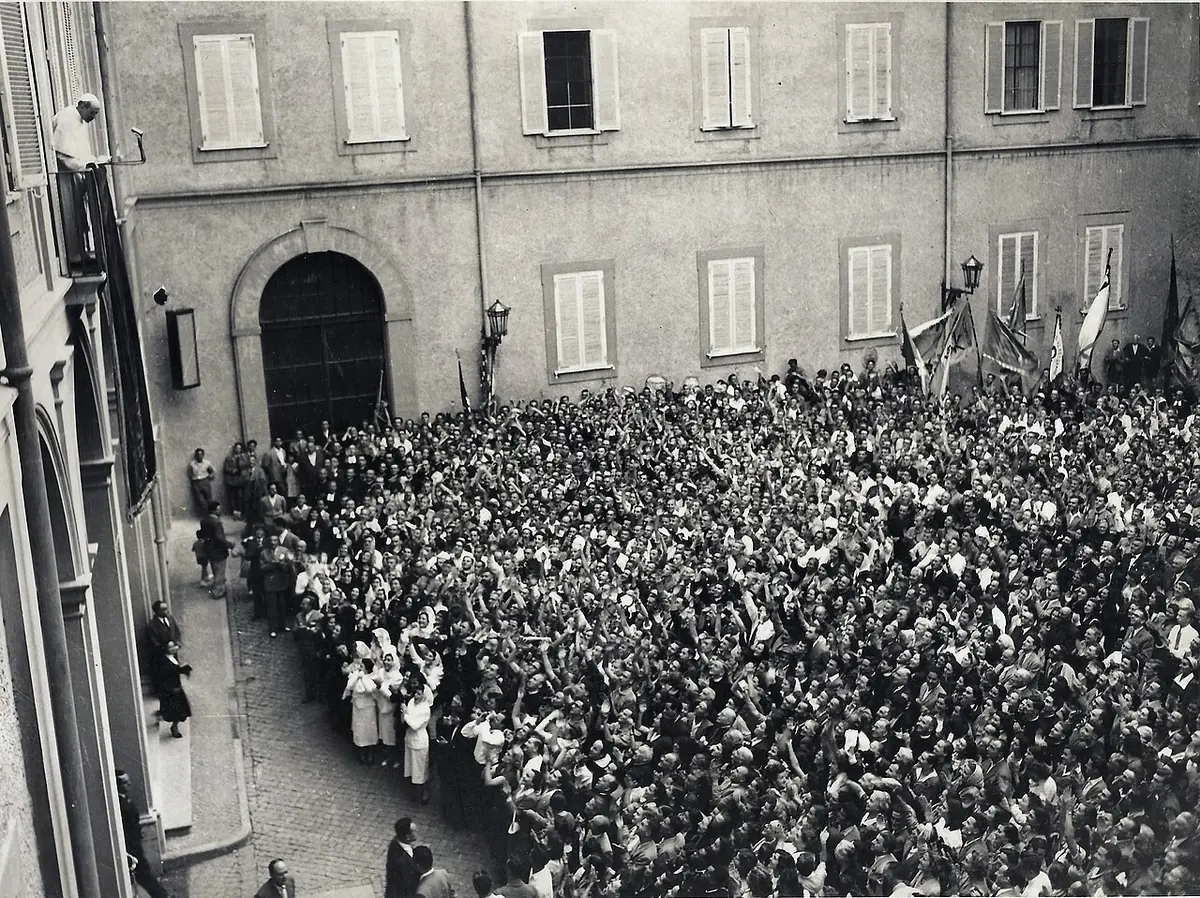
Pius XII wrote 41 encyclicals and gave hundreds of addresses to doctors, scientists, workers, midwives, lawyers and artists, applying the faith to modern life. Pope Benedict XVI singled out three encyclicals that prepared the ground for the Second Vatican Council:
- Mystici Corporis (June 29, 1943), on the Church as the Mystical Body of Christ, the first great synthesis of the theology of the Church, later a foundation of the Council's Lumen Gentium.
- Divino Afflante Spiritu (September 1943), which encouraged Catholic scholars to study the Bible in its original languages, its history and its literary forms.
- Mediator Dei (November 20, 1947), on the sacred liturgy, which gave strength to the liturgical movement.
He also restored the Easter Vigil to the night, reformed the rites of Holy Week in 1955, eased the Eucharistic fast so that more of the faithful could receive Holy Communion, encouraged evening Masses, and instituted the feast of St. Joseph the Worker on May 1, 1955. His encyclical Haurietis Aquas (1956) is still one of the Church's great texts on devotion to the Sacred Heart. Under him, archaeologists excavated beneath St. Peter's Basilica, and at Christmas 1950 he announced that the tomb of St. Peter had been found.
The saints he raised to the altars
Pius XII canonized many of the saints our readers love best. Among them:
- St. Gemma Galgani, in 1940
- St. Frances Xavier Cabrini, the first citizen of the United States to be canonized, in 1946
- St. Catherine Labouré of the Miraculous Medal and St. Louis de Montfort, both in 1947
- St. Maria Goretti, in the Holy Year 1950, with her mother present in St. Peter's Square
- St. Anthony Mary Claret, in 1950
- St. Pius X, the first pope canonized since St. Pius V in 1712, in 1954
Benedict XVI noted that he chose saints from many nations and every state of life, and "allowed ample room for women."
His death and burial
In his last years Pius XII was often ill, yet he kept working with the same discipline. In his spiritual testament he wrote, borrowing from Psalm 51, Miserere mei, Deus, secundum magnam misericordiam tuam, "Have mercy on me, O God, according to your great mercy," words he said he had first spoken on accepting his election and now repeated "with even greater justification."
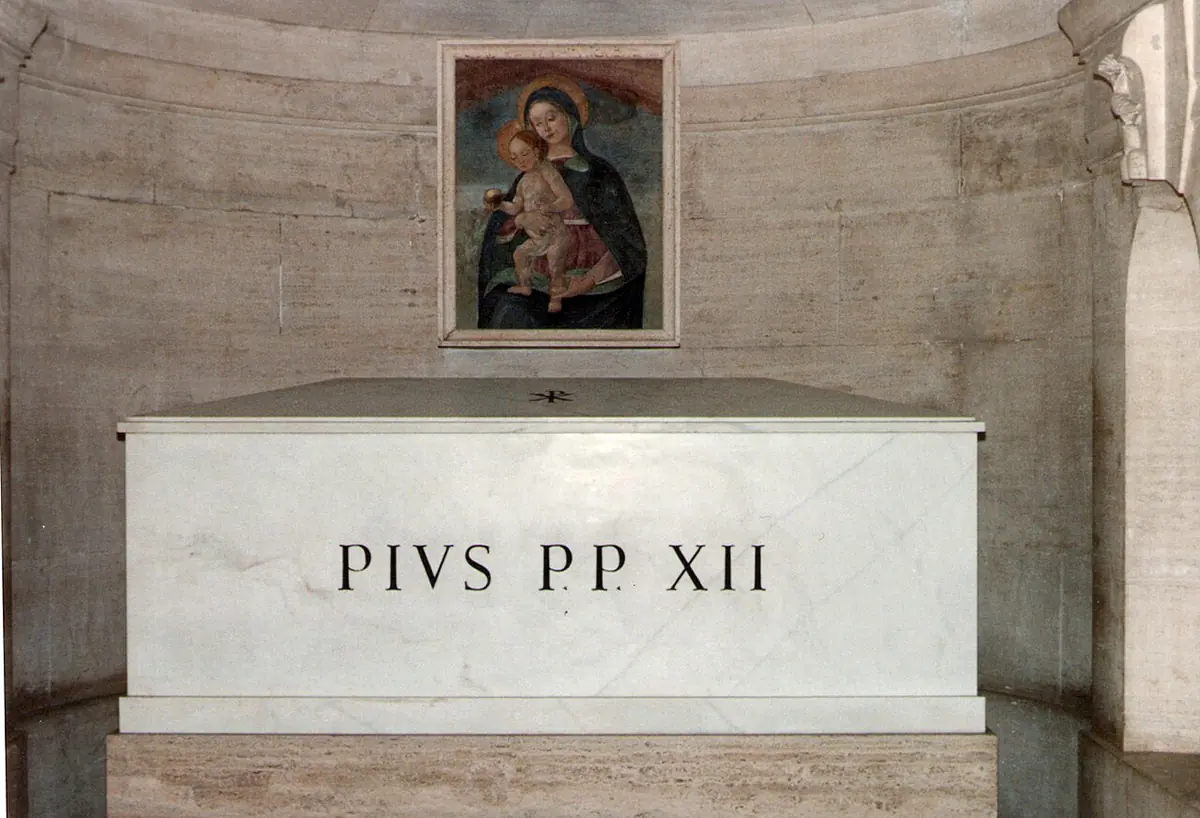
He died at Castel Gandolfo on October 9, 1958, aged 82. His body was carried to Rome and buried in the Vatican Grottoes beneath St. Peter's Basilica, where pilgrims still pray at his plain marble tomb.
Venerable Pius XII: the cause for beatification
Here is where Pius XII's cause stands, step by step.
- 1965: During the last session of the Second Vatican Council, St. Paul VI, who had worked beside Pacelli for many years in the Secretariat of State, opened the causes of both Pius XII and St. John XXIII.
- 2008: On the 50th anniversary of his death, Pope Benedict XVI celebrated Mass for him in St. Peter's and prayed "that the cause of Beatification of the Servant of God Pius XII may proceed successfully."
- December 19, 2009: Benedict XVI approved the decree on his heroic virtues, together with that of John Paul II. From that day he has been Venerable Pius XII.
- March 2, 2020: Pope Francis opened the archives of his pontificate to researchers, on the 81st anniversary of his election.
Beatification now waits for a miracle obtained through his intercession, studied by doctors and theologians and approved by the Pope. None has been approved yet. You can read about each step on our pages on how someone becomes a saint and beatification.
Praying with Venerable Pius XII
Because he is Venerable and not yet Blessed, the Church does not allow public liturgical veneration of Pius XII: there is no feast day or Mass in his honor. But we may ask him privately to pray for us, as we would any friend in Christ, and pray for his beatification if it be God's will. Any favor received through his prayers can be reported to the postulation of his cause.
The best way to pray with him is with the prayers he loved. Pray the Rosary for peace, as he asked the world to do in war after war. Make the consecration to the Immaculate Heart of Mary he made for the whole human race in 1942. On August 15, the feast of the Assumption he defined, ask Our Lady, taken up body and soul into heaven, to lead us home. And for a world that still turns too quickly to war, let us take his motto as our prayer: Opus iustitiae pax, "peace is the work of justice."
Frequently asked questions
Is Pope Pius XII a saint?
Not yet. On December 19, 2009, Pope Benedict XVI approved the decree recognizing his heroic virtues, so he is Venerable Pius XII. Beatification would require a miracle obtained through his intercession and approved by the Church, and canonization a second one. No miracle has been approved so far.
What did Pius XII do for the Jews during World War II?
He spoke against the killing of people "only because of their nationality or race" in his Christmas radio message of 1942, and, as Pope Benedict XVI put it, he "often acted secretly and silently" to save as many Jews as possible. Convents, monasteries and Vatican properties in Rome sheltered Jews and other refugees during the German occupation. Jewish leaders thanked him after the war and at his death, Golda Meir among them. Critics have argued he should have spoken out more openly, and historians are still studying the Vatican archives on his pontificate, opened in 2020.
When did Pius XII declare the Assumption of Mary?
On November 1, 1950, the feast of All Saints, during the Holy Year, in the apostolic constitution Munificentissimus Deus. He defined that Mary, "having completed the course of her earthly life, was assumed body and soul into heavenly glory." It is the only time a pope has used his infallible authority to define a dogma on his own since the definition of papal infallibility in 1870.
Did Pius XII see the miracle of the sun?
He wrote that he did. A handwritten note by Pius XII, shown at a Vatican exhibition in 2008, says that on October 30, 1950, during his walk in the Vatican Gardens, he saw the sun as "a pale, opaque sphere, entirely surrounded by a luminous circle," and that he saw it again on October 31, November 1 and November 8. This is a reported private experience; the Church has never ruled on it.
When and where did Pius XII die?
He died at the papal summer residence of Castel Gandolfo, outside Rome, on October 9, 1958, at the age of 82. He is buried in the Vatican Grottoes beneath St. Peter's Basilica.
Why has Pius XII not been beatified?
Beatification of a non-martyr requires an approved miracle through his intercession, and none has been approved. His cause also moves carefully because of the historical debate over his conduct during the war; Pope Francis opened the Vatican archives on his pontificate on March 2, 2020, so that historians could study them fully.
Who was Pius XII before he became pope?
Eugenio Pacelli was a Roman priest who spent his whole career in the Holy See's diplomatic service. He was nuncio in Munich from 1917 and in Berlin until 1929, then cardinal and, from 1930, Secretary of State to Pope Pius XI. He was elected pope on March 2, 1939, his 63rd birthday.
Sources
- Holy See: Biografia di Sua Santità Pio XII (Italian). His career, the nearly 200 radio messages and 41 encyclicals, the 1943 visits to bombed Rome, the 1945 audience with delegates of the concentration camps, his death and burial
- Benedict XVI, Homily on the 50th anniversary of the death of Pius XII, 9 October 2008. The Christmas message of 1942, "I will not leave Rome," Golda Meir's tribute, his encyclicals and the twelve mission bishops of 1939
- Pius XII, Radiomessaggio natalizio, 24 dicembre 1942 (Italian)
- Pius XII, Prayer for the consecration of the Church and the human race to the Immaculate Heart of Mary, 31 October 1942 (Italian)
- Pius XII, Apostolic Constitution Munificentissimus Deus, 1 November 1950
- Francis, Address to the staff of the Vatican Secret Archives, 4 March 2019. Opening of the archives of Pius XII's pontificate on March 2, 2020
- New Liturgical Movement: Decree on Heroic Virtues of Pius XII and John Paul II (December 19, 2009)
- National Catholic Register: In 1950, Pius XII Proclaimed the Assumption, and Witnessed the Miracle of the Sun (2020). His handwritten note on the sun, dated October 30 to November 8, 1950