Catholic prayer for humility

The shortest Catholic prayer for humility is Our Lord's own words turned into a prayer: "Jesus, meek and humble of heart, make my heart like unto thine." For more, pray the prayer to St. Philip Neri for "a truly humble heart," ask Mary, the humble handmaid, to help you, and pray the Litany of Humility when pride runs deep.
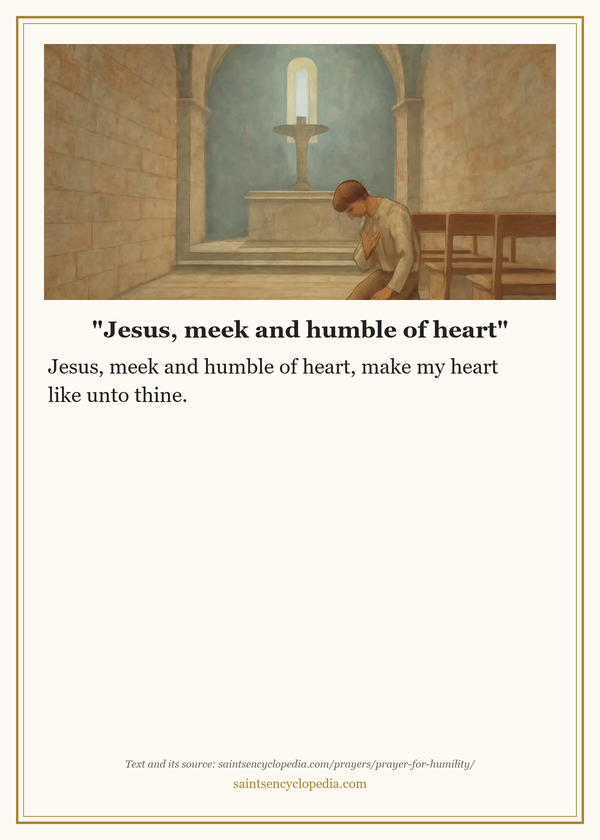 Free printable prayer card 5 × 7 inch PDF, ready to print, frame or tuck in a missal.
Pride is the one sin that can grow out of our virtues. We pray more, and feel pleased with ourselves for praying. We give, and want someone to notice. That is why the saints never stopped asking for humility, and why the Church has so many prayers for it. Humility is not thinking little of ourselves. It is seeing ourselves truly: loved by God, owing Him everything, and no better than the person in the next pew. Here are the traditional Catholic prayers for humility, word for word and with their sources, the Scripture behind them and the saints to ask.
"Jesus, meek and humble of heart"
The shortest prayer for humility comes from Our Lord's own invitation in the Gospel (Matthew 11:29, Douay-Rheims): "Take up my yoke upon you, and learn of me, because I am meek, and humble of heart: and you shall find rest to your souls." The Church turned those words into a prayer, and Pope Pius IX indulgenced it in 1868. It is no. 160 in the 1910 Raccolta:
Jesus, meek and humble of heart, make my heart like unto thine.
It belongs to the devotion to the Sacred Heart, and it is the prayer to say at the moment pride flares: when someone corrects you, when someone else gets the credit, when you feel the urge to have the last word. Say it slowly. The request is not to feel humble but to be given a heart like His.
The Litany of Humility
The best-known Catholic prayer for humility is the Litany of Humility, usually attributed to Cardinal Rafael Merry del Val, secretary of state to St. Pius X. It asks, line by line, to be set free from every form of the desire to be noticed:
From the desire of being esteemed, Deliver me, Jesus.
It is searching and not easy to pray honestly. Its full text, its history and how to pray it are on its own page. The prayers below are older and shorter, good for days when the litany feels like too much.
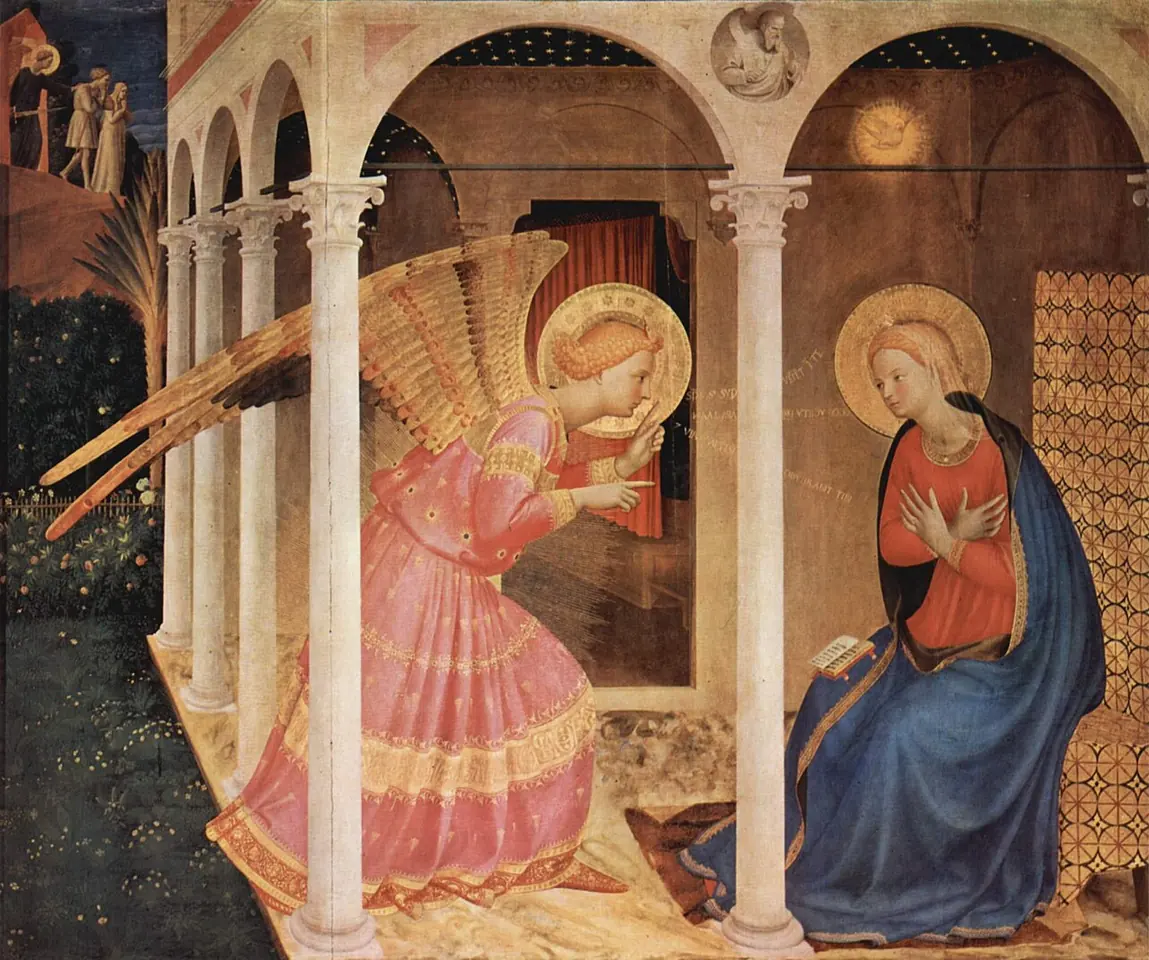
Prayer to Mary for humility
No creature was ever raised higher than the Blessed Virgin, and no one was humbler. When the angel told her she would be the Mother of God, she called herself "the handmaid of the Lord" (Luke 1:38), and in the Magnificat she sang that God "hath regarded the humility of his handmaid." This prayer to her is part of the Chaplet of the Immaculate Heart of Mary, which Pius IX indulgenced in 1854 (Raccolta 1910, no. 258):
Mary, I wonder at thy deep humility when thy blessed heart was troubled at the gracious message brought thee by Gabriel the Archangel—how that thou wast chosen to be Mother of the Son of God Most High—and didst still proclaim thyself his humble handmaid; in great confusion at my pride, I ask thee for the grace of a contrite and humble heart, that, knowing my own misery, I may obtain that crown of glory promised to those who are truly humble of heart.
The chaplet follows it with an Our Father and seven Hail Marys, and the invocation "Heart of Mary, pierced with grief, set my heart on fire with the love of God."
Prayer to St. Philip Neri for humility
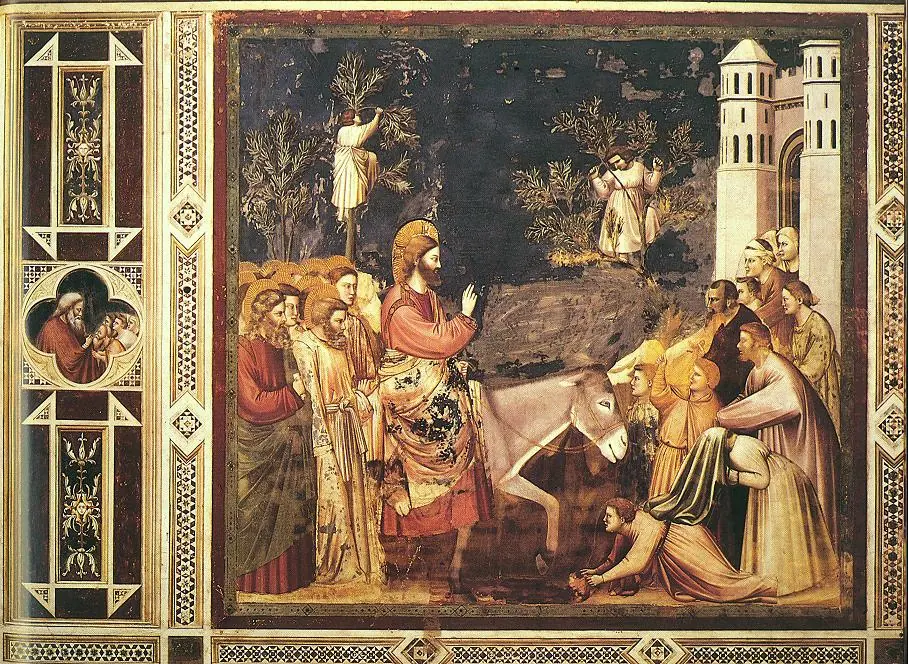
St. Philip Neri (1515–1595), the joyful priest of Rome, fought vanity with jokes and odd penances. Tradition holds that he once walked through Rome with half his beard shaved so that no one would take him for a saint. The Raccolta (no. 344) gives a prayer to him for each day of the week, indulgenced by Pius IX in 1852; Sunday's is the prayer "to obtain the virtue of humility":
St Philip, my glorious patron, who on earth didst so love humility as to count the praise and even the good esteem of men as dross; obtain for me also this virtue by thy prayers. Thou knowest how haughty I am in my thoughts, how contemptuous in my words, how ambitious in my works. Ask for me humility of heart, that my mind may be freed from all pride, and impressed with the same low esteem of self which thou hadst of thyself, counting thyself the worst of all men, and for that reason rejoicing when thou didst suffer contempt, and seeking out for thyself occasions of enduring it. Great saint, obtain for me a truly humble heart and the knowledge of my own nothingness; that I may rejoice when I am despised, and chafe not when others are preferred before me; that I may never be vain when I am praised, but may ever seek only to be great in the eyes of God, desiring to receive from Him alone all my exaltation.
The prayer ends with an Our Father, Hail Mary and Glory Be. "Haughty in my thoughts, contemptuous in my words, ambitious in my works": few examinations of conscience are sharper than that line.
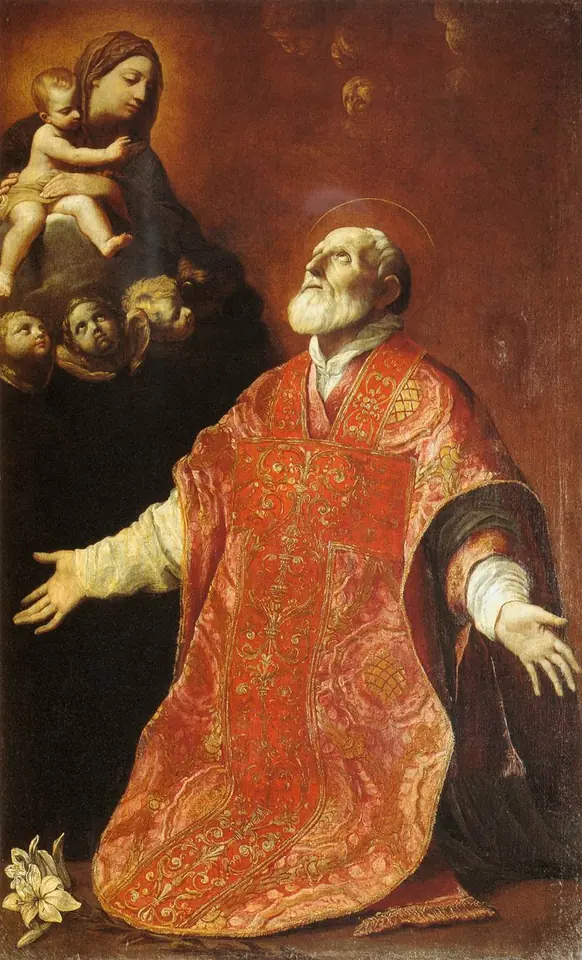
The Church's prayer for humility: the Palm Sunday collect
On Palm Sunday, as Holy Week begins, the Church asks for one grace above all others: to imitate Christ's humility. This is the collect in the 1916 missal The Mass Every Day of the Year:
Almighty and everlasting God, who didst cause our Saviour to take upon him our flesh, and to undergo the cross, that all mankind should imitate the example of his humility, mercifully grant that we may deserve to keep in mind the lessons of his patience, and also to be made partakers of his resurrection. Through the same Jesus Christ, thy Son our Lord, who liveth and reigneth with thee in the unity of the Holy Ghost, God world without end. Amen.
The epistle of that Mass is the great hymn of Christ's self-emptying (Philippians 2:5–8, Douay-Rheims):
For let this mind be in you, which was also in Christ Jesus: Who being in the form of God, thought it not robbery to be equal with God: But emptied himself, taking the form of a servant, being made in the likeness of men, and in habit found as a man. He humbled himself, becoming obedient unto death, even to the death of the cross.
A line from St. Thomas Aquinas
St. Thomas Aquinas, the greatest mind of the Middle Ages, wrote a long prayer "for grace to lead a holy life" that Leo XIII indulgenced in 1888 (Raccolta 1910, no. 455). One paragraph of it is a whole school of humility:
Make me, O Lord, obedient without demur, poor without repining, chaste without stain, patient without murmur, humble without pretence, joyous without frivolity, fearful without abjectness, truthful without disguise, given to good works without presumption, faithful to rebuke my neighbour without arrogance, and ever careful to edify him by word and example without pretension.
"Humble without pretence." Real humility doesn't put on a show of humility. For the whole prayer, see our prayer for wisdom.
What Scripture says about humility
Sirach gives the rule in one verse (Ecclesiasticus 3:20–21, Douay-Rheims):
The greater thou art, the more humble thyself in all things, and thou shalt find grace before God: For great is the power of God alone, and he is honoured by the humble.
Our Lord tells the parable of two men who went up to the temple to pray. The Pharisee thanked God that he was "not as the rest of men." The publican stood far off and would not lift his eyes, "but struck his breast, saying: O God, be merciful to me a sinner" (Luke 18:13). Our Lord's verdict: "this man went down into his house justified rather than the other: because every one that exalteth himself, shall be humbled: and he that humbleth himself, shall be exalted" (Luke 18:14).

The publican's words are the shortest prayer for humility in the Bible, and the root of the Jesus Prayer of the Eastern Churches. The Catechism (no. 2559) puts it simply: "humility is the foundation of prayer."
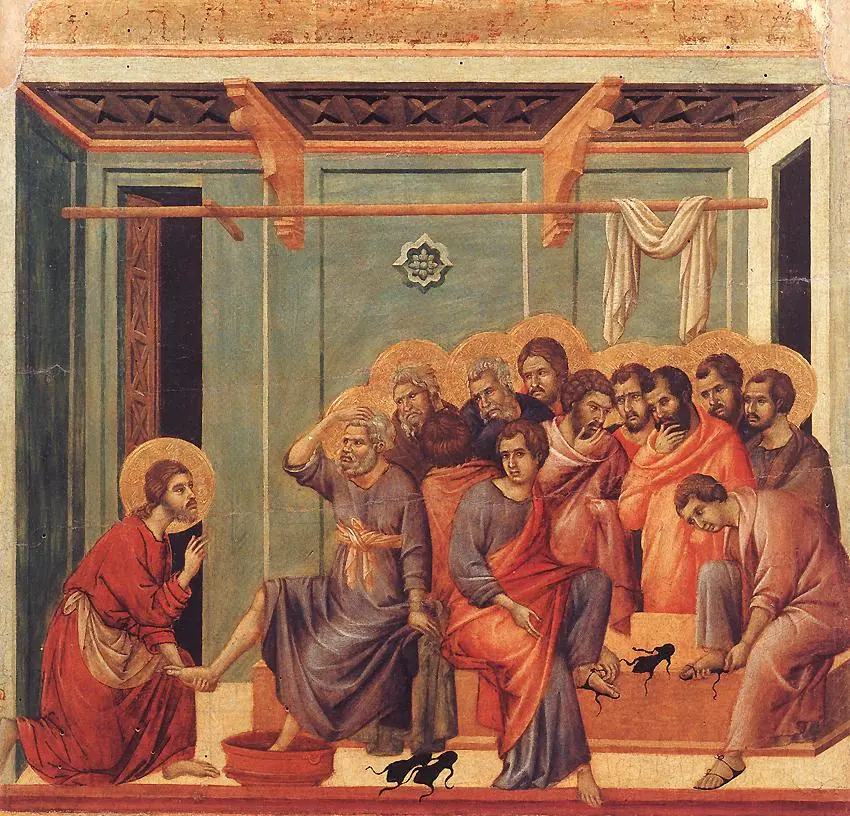
At the Last Supper, Our Lord knelt and washed His apostles' feet, and then told them why (John 13:14–15):
If then I being your Lord and Master, have washed your feet; you also ought to wash one another's feet. For I have given you an example, that as I have done to you, so you do also.
The saints to ask for humility
- The Blessed Virgin Mary, the handmaid of the Lord, who "hath exalted the humble" in her song.
- St. Joseph, who never speaks a word in the Gospels and did everything asked of him.
- St. John the Baptist, who said of Christ, "He must increase, but I must decrease" (John 3:30).
- St. Benedict, whose Rule sets out twelve degrees of humility for his monks, which St. Thomas later explained in his Summa (II-II, q. 161).
- St. Francis of Assisi, who refused to be ordained a priest out of reverence and called himself the least of the brothers.
- St. Philip Neri, who laughed at his own reputation.
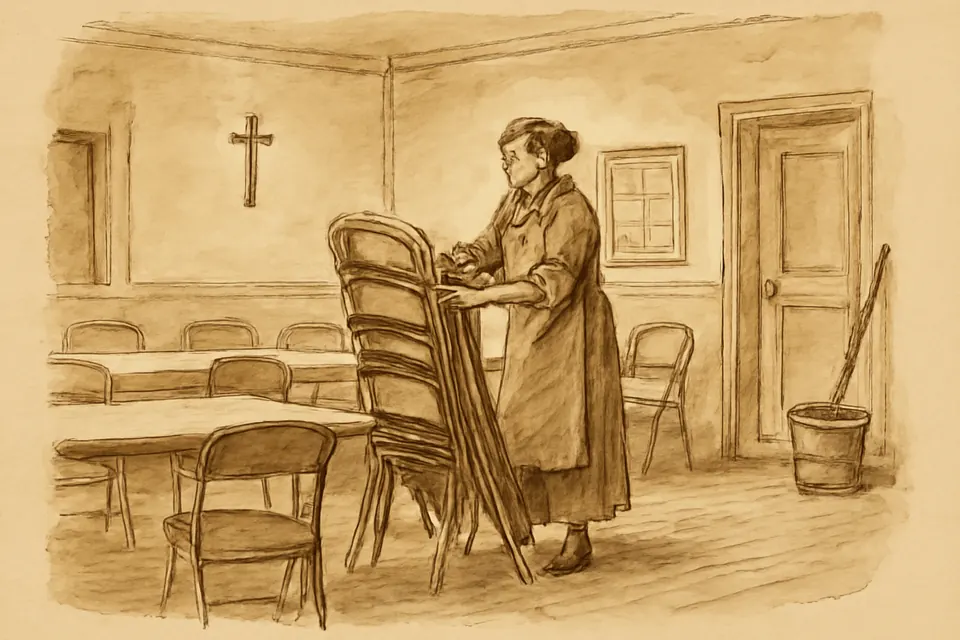
- St. Martin de Porres, the Dominican lay brother of Lima who swept floors and nursed the sick.
- St. John Vianney, the country priest of Ars who thought himself unfit for his parish.
- St. Thérèse of Lisieux, whose "little way" is humility lived every day.
How to grow in humility
Humility grows by practice more than by wishing. A few ways the saints recommend:
- Go to confession regularly. Nothing humbles us like naming our sins aloud, and nothing heals pride faster than absolution.
- Do hidden good. Our Lord said, "let not thy left hand know what thy right hand doth" (Matthew 6:3). Do one kind thing each day that no one will ever learn about.
- Accept correction without defending yourself. Pray "Jesus, meek and humble of heart" before you answer.
- Rejoice in other people's success, especially the success of people you envy. St. Philip's prayer asks to "chafe not when others are preferred before me."
- Thank God for your gifts. Humility doesn't deny our talents; it remembers where they came from.
- Pray the Litany of Humility once a week, and mean one line of it.

Let us end with the publican's prayer, the one Our Lord praised: "O God, be merciful to me a sinner." Then let us go home justified. For more, see our prayer of St. Francis and browse all our Catholic prayers.
Frequently asked questions
What is a short Catholic prayer for humility?
"Jesus, meek and humble of heart, make my heart like unto thine." Pope Pius IX indulgenced it in 1868, and the 1910 Raccolta lists it as no. 160. It takes Our Lord's own words from Matthew 11:29 and turns them into a request.
Who is the patron saint of humility?
There is no single official patron, but the Church holds up the Blessed Virgin Mary first, who called herself "the handmaid of the Lord." St. Joseph, St. John the Baptist, St. Francis of Assisi, St. Philip Neri, St. Martin de Porres, St. John Vianney and St. Thérèse of Lisieux are the saints most often asked for humility.
What is the Litany of Humility?
A litany asking Jesus to deliver us from the desire to be esteemed, praised and preferred, and from the fear of being humiliated or forgotten. It is usually attributed to Cardinal Rafael Merry del Val. Its full text and history are on our Litany of Humility page.
What does the Bible say about humility?
"The greater thou art, the more humble thyself in all things, and thou shalt find grace before God" (Ecclesiasticus 3:20, Douay-Rheims). Our Lord says, "Learn of me, because I am meek, and humble of heart" (Matthew 11:29), and St. Paul says Christ "humbled himself, becoming obedient unto death" (Philippians 2:8).
Why is humility so important in prayer?
The Catechism (no. 2559) says that "humility is the foundation of prayer." Only when we admit that we don't know how to pray as we ought are we ready to receive prayer as a gift. The publican's prayer, "O God, be merciful to me a sinner," is the model.
Is humility thinking badly of yourself?
No. Humility is seeing ourselves truthfully, as God sees us: creatures who owe Him everything, sinners who are loved. St. Thomas Aquinas's prayer asks to be "humble without pretence," which rules out false modesty as firmly as it rules out pride.
Sources
- The Raccolta, or Collection of Indulgenced Prayers and Good Works (Burns & Oates, 1910), nos. 160, 258, 344 and 455, Internet Archive
- The Mass Every Day of the Year: The Roman Missal (New York: Home Press, 1916), Palm Sunday, Internet Archive
- Catholic Encyclopedia (1910): Humility
- Catechism of the Catholic Church, nos. 2558-2565: prayer as God's gift; humility is the foundation of prayer
- Douay-Rheims Bible, Ecclesiasticus chapter 3 (drbo.org)
- Douay-Rheims Bible, Philippians chapter 2 (drbo.org)