Patron saint of eyes
The patron saint of eyes is St. Lucy of Syracuse, the young martyr whose name means "light" and who is shown holding her eyes on a dish. The blind and people with eye trouble also ask the prayers of St. Odile of Alsace, born blind and healed at her baptism, and St. Raphael the Archangel, who healed Tobit.
Patron saints of eyes
 St. Clare of AssisiFeast day August 11
 St. Helier of JerseyFeast day July 16
 St. Hemma of GurkFeast day June 27
 St. KilianFeast day July 8
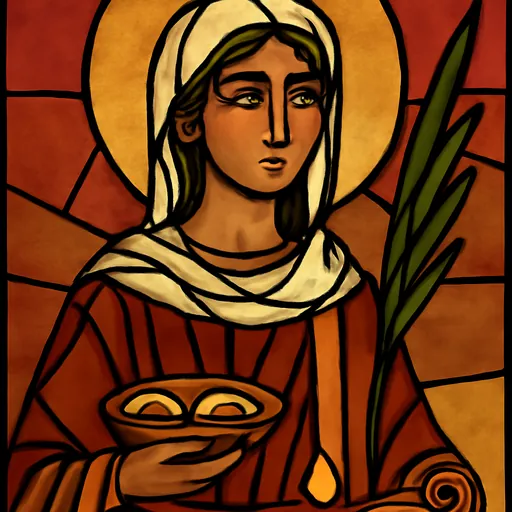 St. Lucy of SyracuseFeast day December 13
 St. Magnus of FüssenFeast day September 6
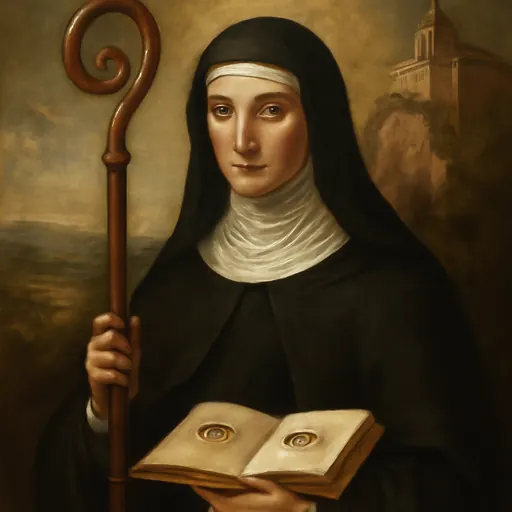 St. Odile of AlsaceFeast day December 13
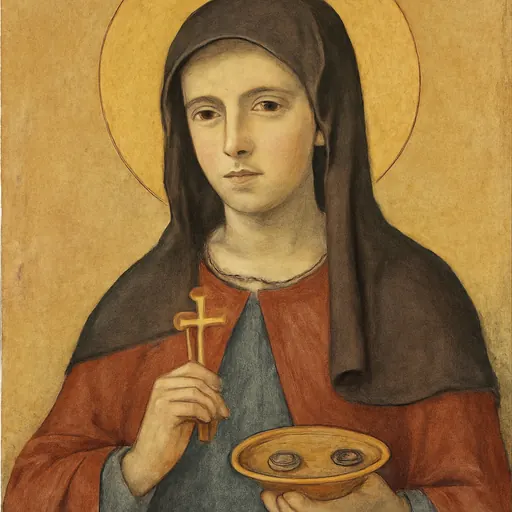 St. Paraskevi of RomeFeast day July 26
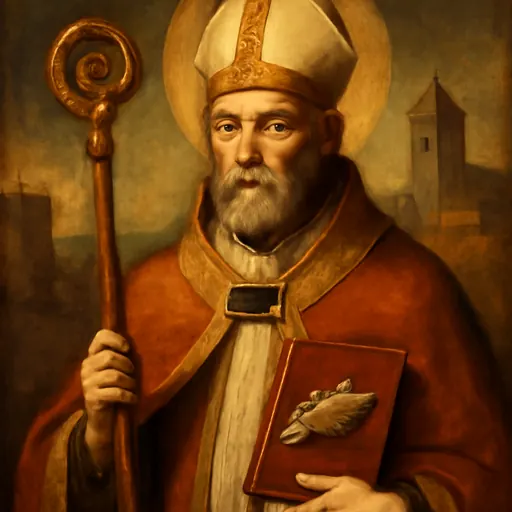 St. Ulrich of AugsburgFeast day July 4
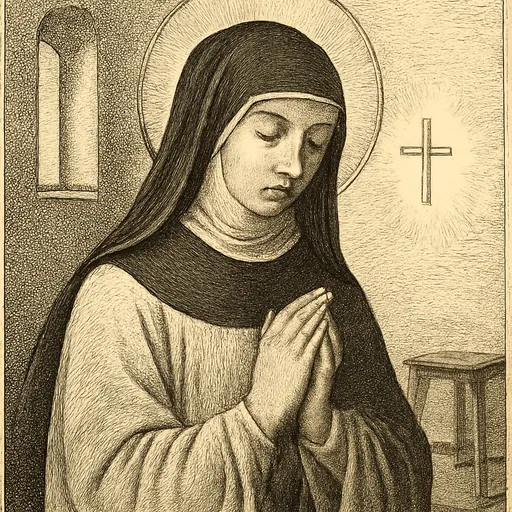 St. Alice of SchaerbeekFeast day June 11
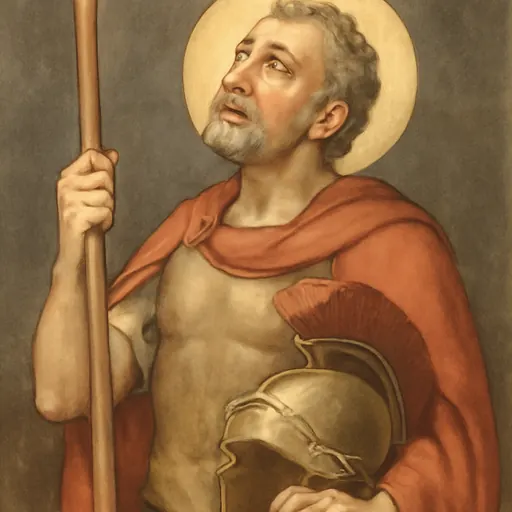 St. LonginusFeast day March 15
 St. Margaret of CastelloFeast day April 13
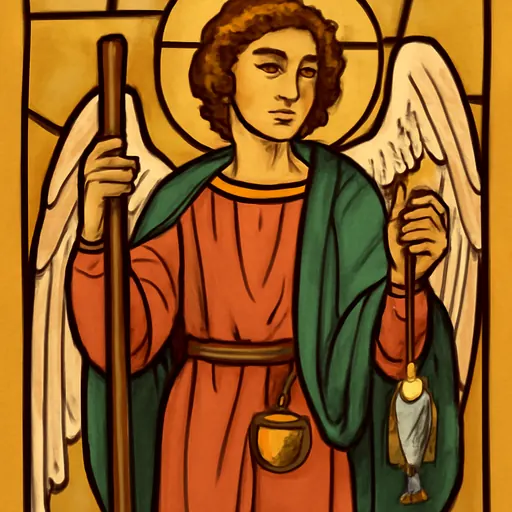 St. Raphael the ArchangelFeast day September 29
Few fears go as deep as the fear of losing one's sight. Christ met it again and again in the Gospels: Bartimaeus calling out by the road at Jericho, the man born blind washing in the pool of Siloam. The saints who are patrons of the eyes carry that same hope. Each of their stories is about light given back.
St. Lucy, the patron saint of eyes
St. Lucy was a young Christian woman of Syracuse in Sicily who died a martyr around 304, in the persecution of Diocletian. Her name is the Latin Lucia, from lux, light, and that name shaped nearly everything later Christians did with her.
Her ancient Acts say nothing about her eyes. The stories came later, in the Middle Ages: that her eyes were torn out before her death, or that she plucked them out herself and sent them to a suitor who admired them, and that God gave her new and more beautiful eyes. These stories are traditional, and late. But together with her name they made her the saint people turn to when their sight fails, and painters began to show her holding two eyes on a dish, the way other martyrs hold the instrument of their death.

Dante, who once wrote that he had read so much his eyes weakened and the stars looked blurred, made Lucy a messenger of grace in the Divine Comedy. Catholics with failing eyes have asked her prayers for centuries, and healings of the eyes through her intercession are reported in many places, though none has been formally examined. Her feast is December 13.
St. Odile, born blind
The second great patron of the eyes is less known in America but beloved in France and Germany. St. Odile (also Odilia or Ottilia) was the daughter of Adalric, a Frankish duke of Alsace, and she died around 720. She founded the convent of Hohenburg on a mountain in the Vosges that now bears her name, Mont Sainte-Odile, and the convent's lands were confirmed by Louis the Pious in 837. That much is history.
Her life, written down in the tenth century, tells the rest. Odile was born blind, and her father, ashamed, wanted the child gone. Her mother sent her away to be raised by nuns. When she was still a girl, the Irish missionary bishop St. Erhard, moved by an inspiration from God, came to baptize her. As the chrism touched her eyes, she saw. The Catholic Encyclopedia records the older form of the story: Erhard "was recalled to the Rhineland to baptize St. Odilia, blind from her birth, but who received her eyesight at her baptism." The healing is traditional, kept by a life written some two centuries after her death.
The baptismal name fit the miracle. Odile is often explained as "light of God," and Lucy's name means light too; the two saints even share a feast day, December 13. In art Odile wears an abbess's habit and holds a book with two eyes resting on it.
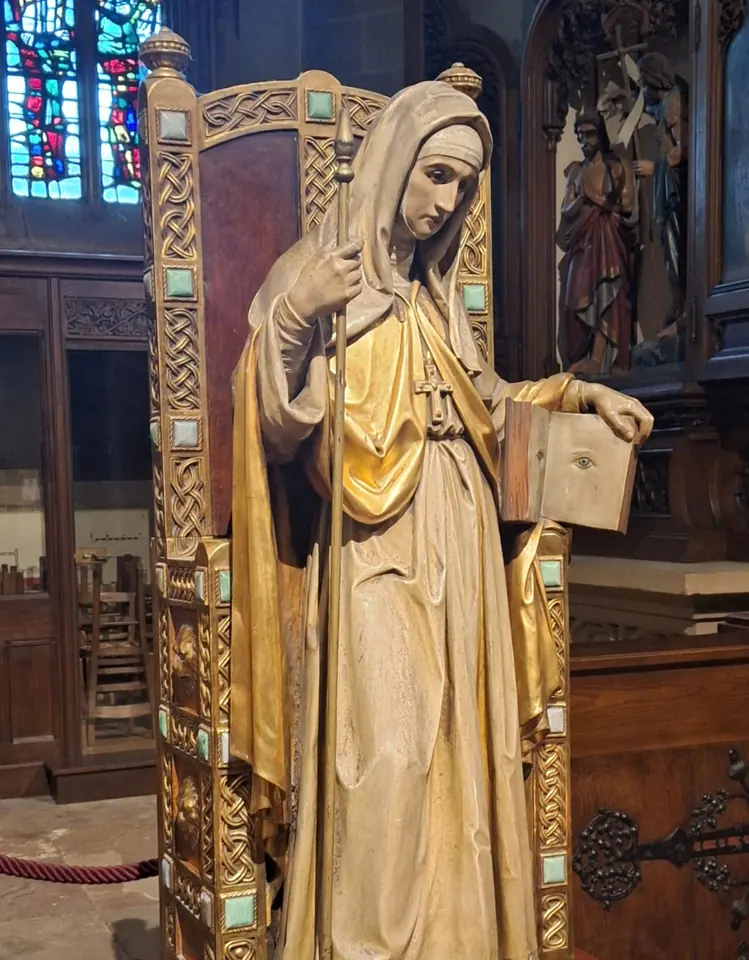
Pope Pius XII proclaimed her patroness of Alsace in 1946, a year after the war ended, and pilgrims still climb her mountain. On the path below the convent is a spring that tradition links to Odile, and visitors bathe their eyes in its water and pray. Odile's tomb lies in a chapel beside the convent church.

St. Raphael and the healing of Tobit
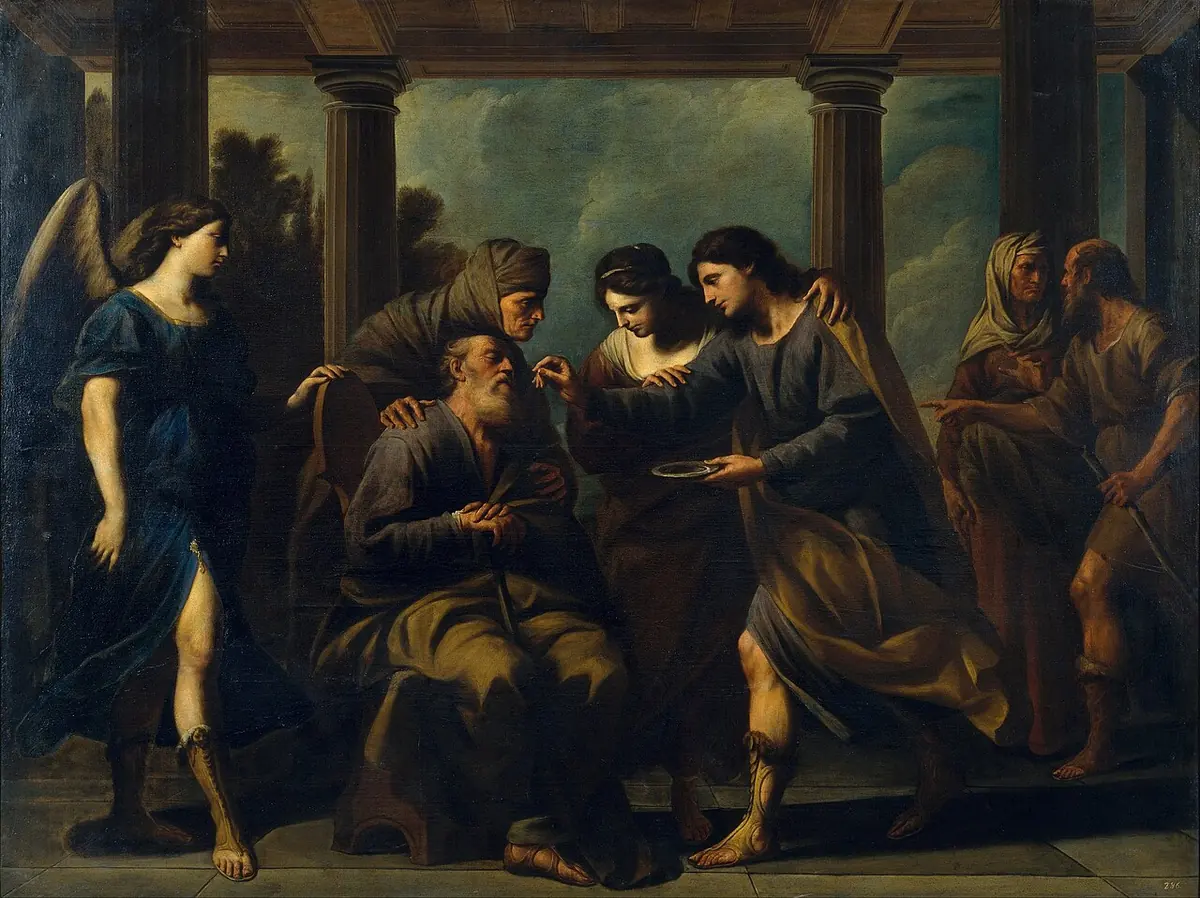
The one patron of the eyes whose story comes from Scripture is St. Raphael the Archangel. In the Book of Tobit, the old man Tobit, a just Israelite in exile, is blinded when bird droppings fall into his eyes as he sleeps against a wall. He sends his son Tobias on a long journey, and the angel Raphael, in human form, goes with him. On the way Tobias catches a great fish, and Raphael tells him to keep its gall.
When they reach home, Raphael tells Tobias: "anoint his eyes with this gall of the fish, which thou carriest with thee. For be assured that his eyes shall be presently opened, and thy father shall see the light of heaven." The Douay-Rheims tells what happened next:
Then Tobias taking of the gall of the fish, anointed his father's eyes. And he stayed about half an hour: and a white skin began to come out of his eyes, like the skin of an egg. And Tobias took hold of it, and drew it from his eyes, and immediately he recovered his sight. (Tobit 11:13-15)
Raphael's name means "God heals," and for this story the Church invokes him for the sick, for travelers and for physicians.
Other saints invoked for the eyes
- St. Clare of Assisi: her name, Clara, means clear or bright, and Franciscan tradition invokes her for diseases of the eyes. She is also the patron of television.
- St. Longinus: the Roman soldier who pierced Christ's side. A traditional story says his weak eyes were healed when the blood and water touched them, and the blind invoke him.
The full list is on our patron saints page.
A prayer for the eyes
There is no ancient prayer to St. Lucy for the eyes; the prayers on holy cards are modern. The oldest prayer of thanks for restored sight is Tobit's own, spoken the moment he saw his son again (Tobit 11:17, Douay-Rheims):
I bless thee, O Lord God of Israel, because thou hast chastised me, and thou hast saved me: and behold I see Tobias my son.
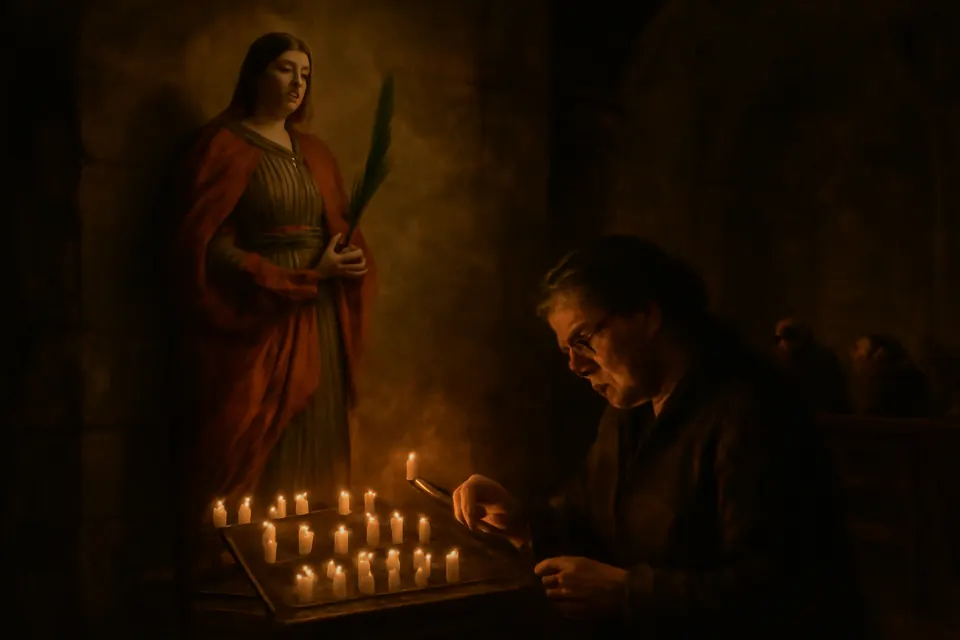
Before an eye appointment or surgery, we can pray that same trust in our own words, then ask the saints of light to pray with us: St. Lucy, St. Odile and St. Raphael, pray for us, and for all who are losing their sight. More prayers to the archangel are on our St. Raphael prayer page, and the patron of the sick in general is on our patron saint of healing page.
Frequently asked questions
Who is the patron saint of eyes?
St. Lucy of Syracuse, a virgin martyr who died around 304. Her name comes from the Latin lux, light, and late medieval legends about her eyes made her the patron of the blind and of anyone with eye disease. Her feast is December 13.
Who is the patron saint of the blind?
St. Lucy is the best known. St. Odile of Alsace, who by tradition was born blind and received her sight at baptism, is the other great patron of the blind, and St. Raphael the Archangel is invoked because he healed Tobit's blindness in the Book of Tobit. St. Longinus, the soldier at the cross, is also invoked by tradition.
Is there a patron saint for eye surgery?
There is no saint named for eye surgery as such. People facing cataract, retina or glaucoma surgery usually ask the prayers of St. Lucy or St. Odile, and St. Raphael, whose name means "God heals," is the patron of physicians and the sick.
Why do St. Lucy and St. Odile share December 13?
It is a coincidence of the calendar that suits them well. Lucy's feast falls on the day of her martyrdom, and Odile's on the traditional day of her death around 720. Both are honored as saints of light and sight on the same winter day.
What is St. Odile the patron saint of?
She is the patroness of Alsace, a title Pope Pius XII confirmed in 1946, and of the blind and those with eye trouble. In art she holds a book on which two eyes rest.
Is there a prayer for healing of the eyes?
The oldest prayer of thanks for restored sight is Tobit's own, from Tobit 11:17, given on this page. Many Catholics also simply pray, "St. Lucy, pray for us," and ask St. Raphael's intercession for the doctors who will treat them.
Sources
- Catholic Encyclopedia (1911): St. Odilia
- Catholic Encyclopedia (1909): St. Erhard of Ratisbon
- Vatican News: Cardinal Parolin, papal legate for the jubilee of St. Odile in Strasbourg (2021). Pius XII proclaimed her patroness of Alsace in 1946; healed at baptism
- Tobit 11, Douay-Rheims (Bible Gateway)