Catholic saints for kids
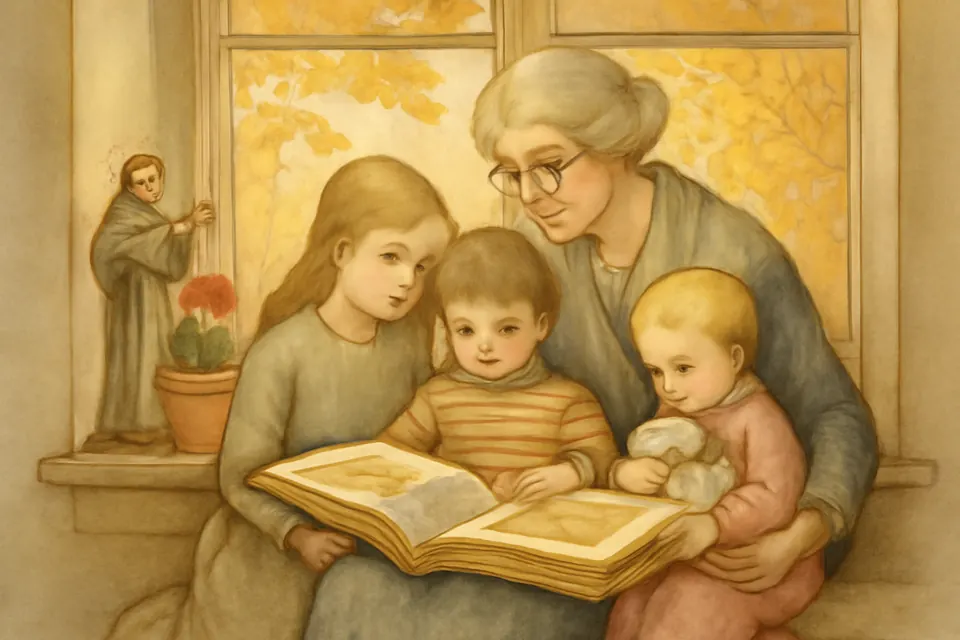
The best Catholic saints for kids are the ones with stories children can picture: St. Francis talking to the birds, St. Nicholas tossing gold through a window, St. Martin sharing his cloak, St. Juan Diego carrying roses in his cloak, and young saints like St. Bernadette and St. Carlo Acutis. Here are 25 short saint stories for kids, each with a coloring page or full story.
Catholic saints for kids are, first of all, good stories. A boy who talked to birds. A soldier who cut his coat in half for a shivering beggar. A peasant girl who saw a beautiful Lady in a cave. Children remember stories long after they forget lessons, and the saints give us hundreds of them, all true to the heart of the Gospel and many of them true in every detail.
Below are 25 short saint stories for children, three or four sentences each, written so you can read them aloud at bedtime, in a classroom or around the dinner table. Under each story you'll find a link to the saint's full entry (for grown-ups and older kids) and, where we have one, a free coloring page to print. When a story is an old legend rather than recorded history, we say so gently, the way the Church always has.
What is a saint? (an answer for children)
A saint is someone who loved God and loved other people so much that now they live with God in heaven. Saints were not perfect from the start. Some were shy, some were grumpy, some made big mistakes. But they kept turning back to Jesus, and He made them holy.
The saints are part of our family. Just as you might ask your grandma or a friend to pray for you, we can ask the saints to pray for us, and they are glad to do it. Jesus Himself said, "Suffer the little children to come unto me" (Mark 10:14), and many of the saints were children when they first said yes to Him.

25 saint stories for kids
1. St. Francis of Assisi, friend of every creature
Francis was a rich young man in Italy who gave away everything to follow Jesus and live like the poor. He loved all of God's creatures and called them his brothers and sisters: Brother Sun, Sister Moon, even Brother Wolf. Once, the story goes, he preached to a flock of birds, and they sat still and listened until he blessed them. At Christmas in 1223 he set up the first living nativity scene, with a real ox and donkey, so people could see how humbly Jesus was born.
Feast day: October 4. Read more: St. Francis of Assisi · Coloring page

2. St. Clare of Assisi, the girl who followed Francis
Clare was a young noblewoman who heard Francis preach and wanted to live just like him. On Palm Sunday night in 1212, when she was 18, she slipped out of her family's house and gave her life to Jesus. She started a community of sisters who lived simply and prayed for the whole world. Once, when soldiers came over the walls of her convent, Clare prayed before Jesus in the Blessed Sacrament, and the soldiers turned and fled; her sisters told this story at her canonization, so it is a reported miracle.
Feast day: August 11. Read more: St. Clare of Assisi · Coloring page
3. St. Nicholas, the bishop with secret gifts
Nicholas was a bishop in a town called Myra, in what is now Turkey, about 1,700 years ago. The most famous story about him, a traditional one, tells of a poor father with three daughters who had no money to marry. One night Nicholas tossed a bag of gold through their window, then did it again, and again, and he did not want any thanks. That is why children in many countries still find small gifts in their shoes on December 6.
Feast day: December 6. Read more: St. Nicholas · Coloring page

4. St. Martin of Tours, the soldier who shared his cloak
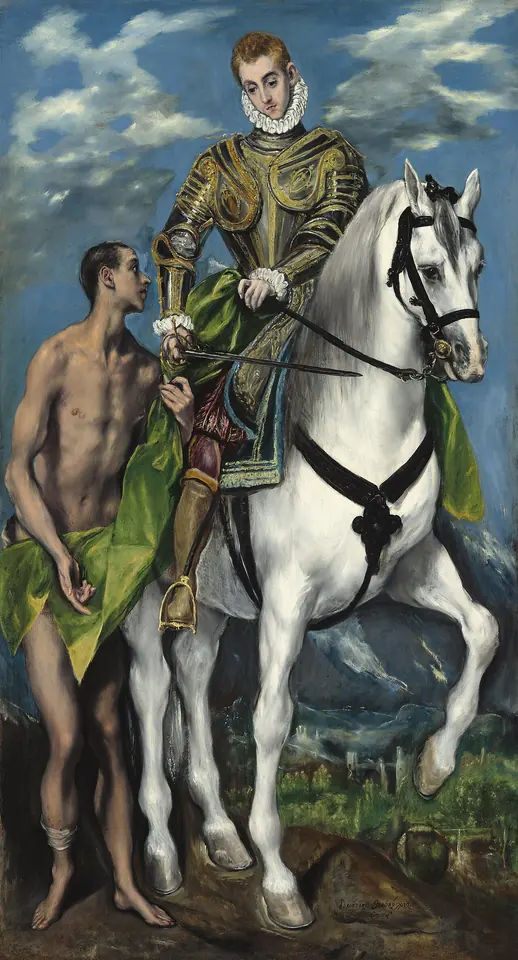
Martin was a young Roman soldier who wanted to become a Christian. One freezing winter day he met a beggar at the city gate with almost no clothes. Martin had no money, so he took his sword, cut his own cloak in two, and gave half to the beggar. That night Jesus appeared to Martin in a dream, wearing the half cloak, and told the angels that Martin had clothed Him with it.
Feast day: November 11. Read more: St. Martin of Tours · Coloring page
5. St. Patrick, the boy who came back
When Patrick was 16, pirates kidnapped him from his home in Britain and sold him as a slave in Ireland. For six years he took care of sheep on cold hills, and there he learned to pray, a hundred times a day, he later wrote. He escaped and went home, but years later he went back to Ireland as a bishop to tell the people who had enslaved him about Jesus. An old traditional story says he used a three-leaf shamrock to explain the Holy Trinity.
Feast day: March 17. Read more: St. Patrick · Coloring page
6. St. Christopher, who carried a Child across the river
The traditional story says Christopher was a giant who wanted to serve the greatest king in the world. A holy hermit told him to serve Christ by carrying travelers across a dangerous river. One night a little child asked to be carried, and as Christopher waded across, the child grew heavier and heavier, as if he carried the whole world. On the other side the Child told him He was Jesus, who made the world, and that is why Christopher's name means "Christ-bearer."
Feast day: July 25. Read more: St. Christopher · Coloring page

7. St. George, the brave knight
George was a real soldier who lived about 1,700 years ago and gave his life rather than deny Jesus. Later, people told a traditional story about him that children love. A dragon was frightening a town and was about to hurt a princess, so George rode up on his horse and defeated it with his lance. The dragon stands for evil, and the story reminds us that with God's help we can be brave against anything that is wrong.
Feast day: April 23. Read more: St. George · Coloring page

8. St. Joan of Arc, the farm girl who led an army
Joan grew up on a farm in France, helping with the animals and the sewing. When she was about 13, she began to hear the voices of St. Michael, St. Catherine and St. Margaret, who told her God had a job for her: to help save France in a long war. At 17 she put on armor, carried a white banner with the names of Jesus and Mary, and led the soldiers to free the city of Orléans. She was brave to the very end, and the Church made her a saint in 1920.
Feast day: May 30. Read more: St. Joan of Arc · Coloring page
9. St. Agnes, the girl with the lamb
Agnes was a girl of about 12 who lived in Rome when it was against the law to be a Christian. Many men wanted to marry her, but she said she had already given her heart to Jesus. She would not give Him up, even when she was put to death for it. Her name sounds like the Latin word for lamb, so she is often painted holding a little white lamb, and every year on her feast two lambs are blessed in Rome.
Feast day: January 21. Read more: St. Agnes · Coloring page

10. St. Tarcisius, who carried Jesus
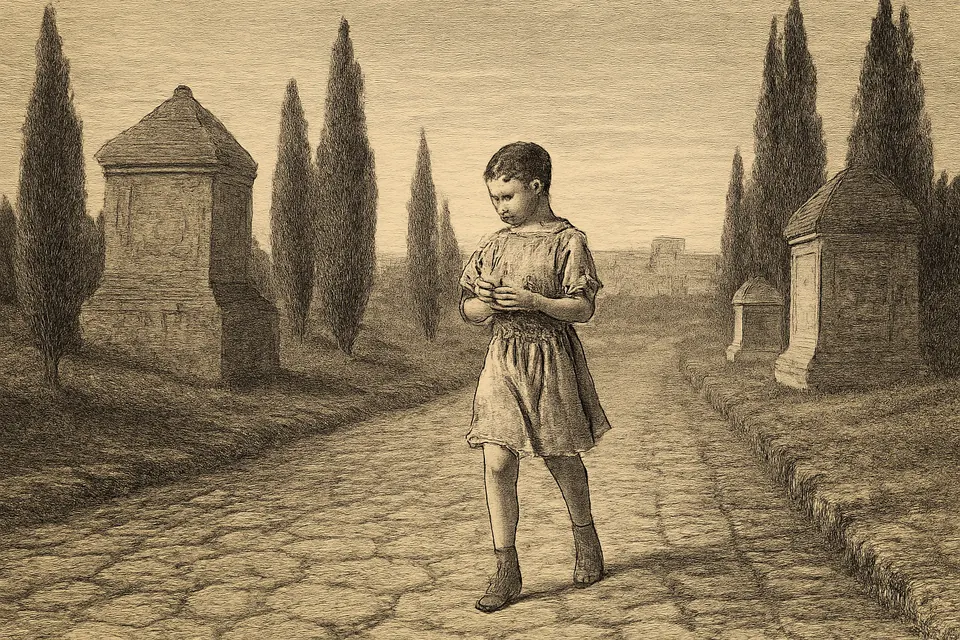
Tarcisius was a boy in Rome about 1,750 years ago who helped at Mass. One day he was trusted to carry Holy Communion, the Body of Jesus, to Christians in prison. On the way, some boys stopped him and demanded to see what he was holding so carefully. He held Jesus tight against his chest and would not let go, and he died protecting Him, so today he is a patron of altar servers.
Feast day: August 15. Read more: St. Tarcisius
11. St. Lucy, whose name means light
Lucy was a young woman in Sicily who gave all her money to the poor because she loved Jesus more than riches. She died bravely for her faith about the year 304. Her name comes from the Latin word for light, and her feast falls in the dark days of December. In Sweden, girls dress in white with a crown of candles on her feast and bring breakfast and buns to their families before dawn.
Feast day: December 13. Read more: St. Lucy · Coloring page
12. St. Anthony of Padua, finder of lost things
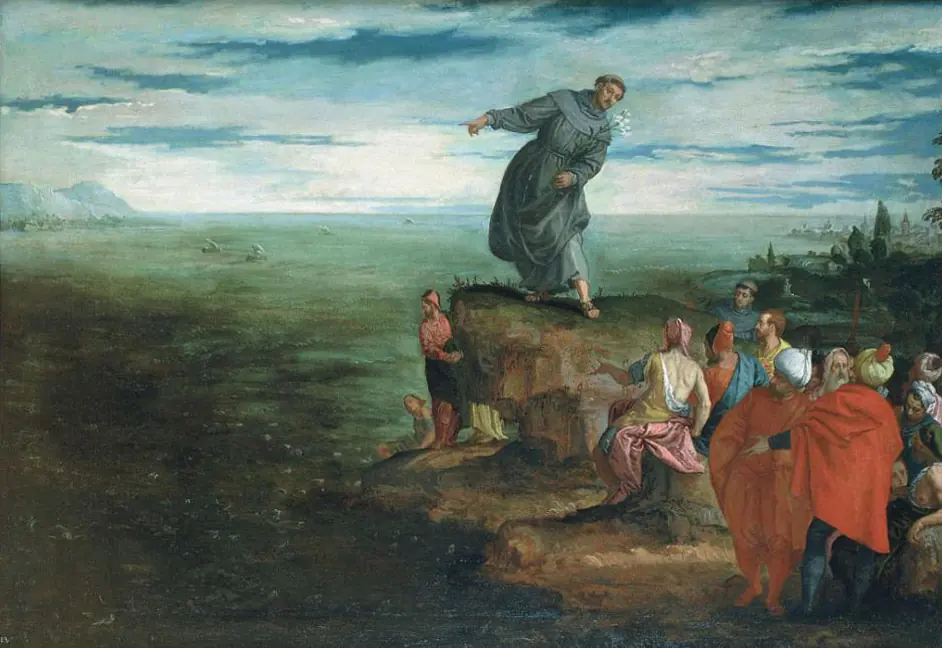
Anthony was a Franciscan priest with a wonderful voice for preaching about God. A traditional story says that once, when people would not listen, he went to the seashore and preached to the fish, and they lifted their heads out of the water to hear him. When a young friar borrowed Anthony's book of psalms without asking, Anthony prayed, and the friar brought it back. That is why we ask St. Anthony to help us find things we have lost.
Feast day: June 13. Read more: St. Anthony of Padua · Coloring page
13. St. Elizabeth of Hungary, the princess with the roses
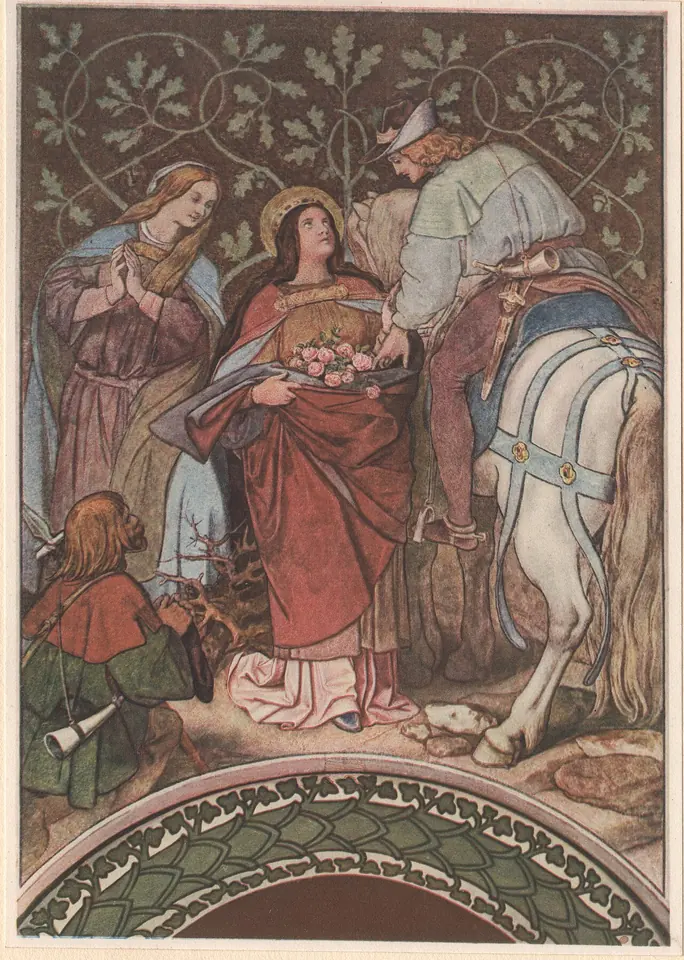
Elizabeth was a princess who married a German nobleman when she was 14. She spent her days taking bread to hungry people and caring for the sick, and she built a hospital with her own money. A traditional story says that once she was carrying bread hidden in her cloak, and when someone asked what she had, she opened it and found it full of roses. She died at only 24, and people loved her so much that she was made a saint four years later.
Feast day: November 17. Read more: St. Elizabeth of Hungary · Coloring page
14. St. Rose of Lima, the girl with the garden
Rose lived in Lima, Peru. Her real name was Isabel, but tradition says that when she was a baby a servant saw her face look like a rose, and the family called her Rose ever after. She grew flowers in her family's garden and sold them, and did sewing, to help her poor family. She turned a room in her parents' house into a little hospital where she took care of sick children and old people. In 1671 she became the first saint born in the Americas.
Feast day: August 23. Read more: St. Rose of Lima · Coloring page
15. St. Martin de Porres, the brother with the broom
Martin was the son of a Spanish nobleman and a freed Black woman in Lima, Peru, and some people looked down on him. He became a Dominican brother and gladly did the humblest jobs, sweeping floors with his broom and caring for sick people, rich or poor. He loved animals too. A traditional story says that when mice were nibbling in the convent, Martin politely asked them to move out to the garden, promised to feed them there, and they went.
Feast day: November 3. Read more: St. Martin de Porres · Coloring page
16. St. Juan Diego and the roses of Guadalupe
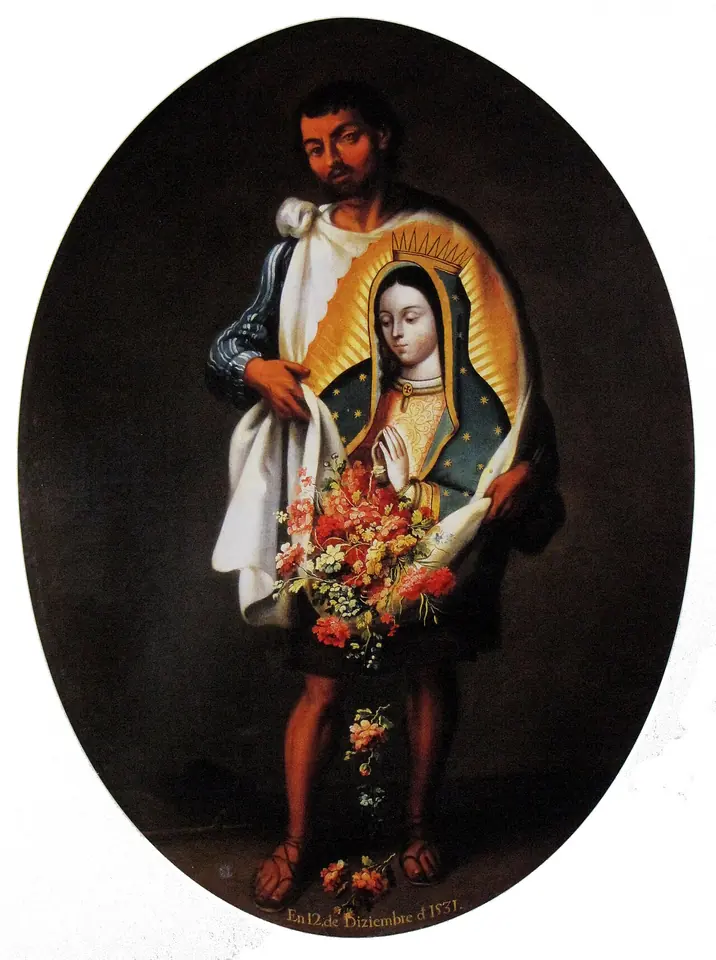
Juan Diego was a humble Aztec farmer in Mexico. One cold December morning in 1531, Our Lady appeared to him on a hill called Tepeyac and asked him to tell the bishop to build a church there. The bishop wanted a sign, so Mary told Juan Diego to gather roses that were blooming on the frosty hilltop and carry them in his cloak. When he opened his cloak before the bishop, the roses tumbled out, and a beautiful picture of Our Lady was on the cloth. You can still see it in Mexico City today.
Feast day: December 9. Read more: St. Juan Diego · Coloring page
17. St. Kateri Tekakwitha, the Lily of the Mohawks
Kateri was a Mohawk girl born in what is now New York State. When she was four, smallpox took her parents and left her face scarred and her eyes weak. She learned about Jesus from missionaries and was baptized on Easter Sunday when she was 20, even though some people in her village teased her for it. She loved to pray in the woods, where she made little crosses from sticks, and she is the first Native American saint.
Feast day: July 14. Read more: St. Kateri Tekakwitha · Coloring page
18. St. Bernadette and the Lady of Lourdes
Bernadette was a poor, sickly 14-year-old in France who could not yet read well. In 1858, while gathering firewood near a cave called Massabielle, she saw a beautiful Lady dressed in white with a blue sash and a yellow rose on each foot. The Lady appeared to her 18 times, and one day told Bernadette to dig in the ground, where a spring of water bubbled up. The Lady said, "I am the Immaculate Conception," and millions of people still visit Lourdes to pray.
Feast day: April 16. Read more: St. Bernadette · Coloring page

19. St. Thérèse of Lisieux, the Little Flower
Thérèse was the youngest of five sisters in a loving French family, and as a little girl she cried easily and wanted her own way. At 15 she became a Carmelite nun. She taught that you don't have to do great big things to be a saint: you can do little things, like smiling at someone who is grumpy, with great love for Jesus. She called this her "little way," and she promised to keep doing good on earth from heaven.
Feast day: October 1. Read more: St. Thérèse of Lisieux · Coloring page

20. St. Dominic Savio, the boy who chose Jesus first
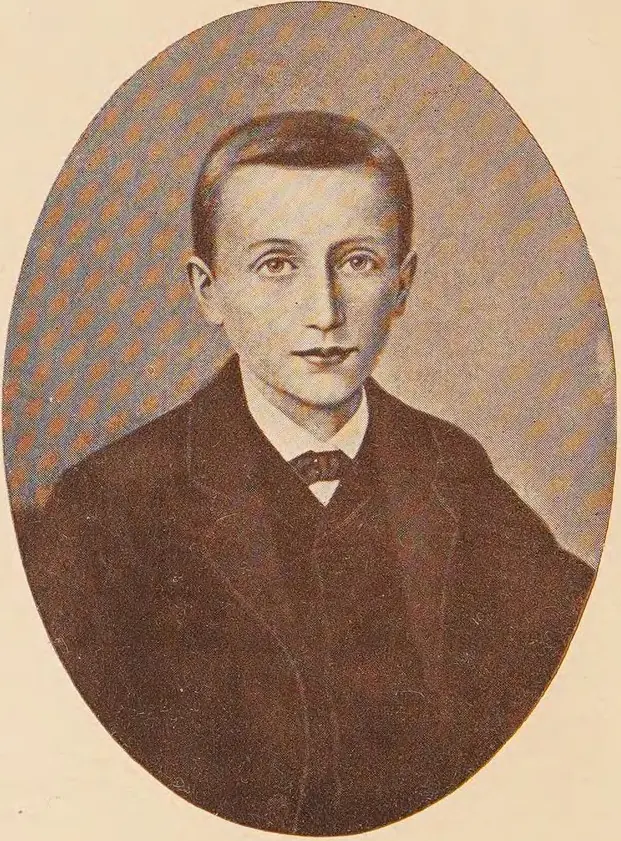
Dominic was a cheerful Italian boy who made his First Communion at age 7 and wrote down his promises that day. The last one was "Death rather than sin," meaning he would rather die than turn away from Jesus. At 12 he went to St. John Bosco's school, where he stopped fights, helped new boys feel welcome and played games with everyone. He got sick and died when he was only 14.
Feast day: May 6. Read more: St. Dominic Savio
21. St. John Bosco, the priest who juggled
When John Bosco was a boy on a poor Italian farm, he learned juggling, magic tricks and tightrope walking by watching performers at the fair. He put on shows for the village children, and the price of a ticket was saying a prayer with him. When he grew up he became a priest in the city of Turin and opened schools and workshops for poor boys who lived on the streets. He played with them, taught them and showed them that God loved them.
Feast day: January 31. Read more: St. John Bosco
22. Sts. Francisco and Jacinta Marto, the shepherd children of Fátima
Francisco and Jacinta were a brother and sister who looked after their family's sheep in Portugal with their cousin Lucia. In 1917 Our Lady appeared to the three of them six times and asked them to pray the Rosary and make little sacrifices for sinners. Francisco wanted most of all to comfort Jesus, and Jacinta loved to pray for people who did not know God. They both died very young, at 10 and 9, and Pope Francis made them saints in 2017.
Feast day: February 20. Read more: Our Lady of Fátima · Coloring page

23. St. Maximilian Kolbe, the priest who gave his life
When Raymund Kolbe was a boy in Poland, he said Our Lady showed him two crowns, a white one for purity and a red one for martyrdom, and he told her he would take both. He became a Franciscan priest named Maximilian and printed magazines that told millions of people about Mary. During World War II he was sent to a terrible prison camp. When a father of a family was chosen to die, Father Maximilian stepped forward and offered to die in his place, and the man lived to be an old grandfather.
Feast day: August 14. Read more: St. Maximilian Kolbe · Coloring page
24. St. Carlo Acutis, the computer whiz
Carlo was a boy in Milan, Italy, who loved video games, soccer, his dogs and making websites. He also went to Mass every day he could and called the Eucharist "my highway to heaven." He built a website about Eucharistic miracles so people all over the world could learn that Jesus is truly present in Holy Communion. He died of leukemia in 2006 when he was 15, and on September 7, 2025, Pope Leo XIV declared him a saint.
Feast day: October 12. Read more: St. Carlo Acutis
25. St. Isidore the Farmer, who prayed while he plowed
Isidore was a farmworker near Madrid, Spain, about 900 years ago. Every morning he went to Mass before work, and some of the other workers complained that he came to the fields late. A traditional story says his master went to check and saw two angels with white oxen plowing beside Isidore, so the work got done anyway. Isidore and his wife, St. Maria, shared what little food they had with the poor and even with hungry birds.
Feast day: May 15. Read more: St. Isidore the Farmer · Coloring page
How to share saint stories with kids
You don't need to be a teacher or a theologian. A few things help.
- Start with the saints closest to home. Your children's name saints, the patron of your parish and the saint whose feast falls on a birthday make the stories personal. Our saint names for boys and saint names for girls pages and the saint of the day can help.
- Tell it, then pray it. End each story with a short line of prayer: "St. Martin, pray for us, and help us to share." Children learn that the saints are alive in God and still care about us.
- Be honest about legends. Little ones love the dragon and the singing fish. As they grow, tell them which parts are history and which are old stories that teach a true lesson. The Church has always loved both.
- Go gently with the martyrs. Young children need only to know that the martyr loved Jesus too much to give Him up, and that now they are happy with Him in heaven. Save the hard details for older children.
- Do something. Color the saint's picture, cook a dish from the saint's country, or copy what the saint did: share a coat like Martin, leave a secret gift like Nicholas, sweep the kitchen like Martin de Porres.
Saints who were kids themselves
Children are often surprised to learn that some saints were their age. St. Agnes and St. Tarcisius were about 12. St. Dominic Savio, St. Kizito and St. José Sánchez del Río were 14. St. Jacinta was 9 and St. Francisco was 10. St. Carlo Acutis was 15. Holiness isn't only for grown-ups: Jesus calls children, too, and the saints show that a child's love can be strong enough to change the world. For more than thirty of them, with their ages and feast days, see our page on young saints.
Celebrating the saints at home
The Church gives us a saint for nearly every day of the year, so there is always a reason to celebrate. Families often keep a few feasts each year with a small treat and a story: St. Nicholas Day on December 6, with shoes by the door (St. Nicholas Day); St. Lucy on December 13, with sweet buns at breakfast; St. Patrick on March 17; and the children's name days. Look up any date on our feast days calendar.
All Saints Day on November 1 honors every saint in heaven, known and unknown. Many parishes and schools hold a party where children dress as their favorite saints, and our saint costume ideas page has 25 easy ones to make at home. Read more about the day on our All Saints Day page.
At bedtime, a saint story fits naturally before prayers. Finish with the guardian angel prayer or one of the simple bedtime prayers for kids, and ask the saint of the story to pray for your child through the night.
A short prayer to the saints with children
The Church already has the perfect prayer for this: the Litany of the Saints, in which we call on the saints by name and answer "Pray for us" after each one. Several of the saints in this book of stories are in it. Here are a few lines as they are printed in Gate of Heaven, an 1879 Catholic prayer book for young people:
Holy Mary, pray for us. St. Michael, pray for us. St. Joseph, pray for us. St. Martin, pray for us. St. Nicholas, pray for us. St. Anthony, pray for us. St. Francis, pray for us. St. Lucy, pray for us. St. Agnes, pray for us. All ye holy men and women, Saints of God, make intercession for us.
(The prayer book prints the names in a column with one "Pray for us" beside them; we have written it out after each name, the way it is prayed aloud.) Let the children answer "pray for us" after each name, add the saint of the day or their own patron saints, and end with the Sign of the Cross.
Frequently asked questions
Who is a good saint for kids to learn about first?
St. Francis of Assisi and St. Nicholas are the easiest to start with, because their stories are full of animals, gifts and kindness. For older children, St. Joan of Arc, St. Bernadette and St. Carlo Acutis show that God calls young people to great things.
Who is the patron saint of children?
St. Nicholas is the best-known patron saint of children, because of the old stories of his secret gifts and his care for the young. Many families also ask the Holy Innocents and St. Dominic Savio to pray for children.
Who is the youngest saint?
Among canonized saints who were not martyrs, St. Jacinta Marto of Fátima, who died at 9 in 1920, is the youngest. Her brother St. Francisco died at 10. Both were canonized by Pope Francis on May 13, 2017.
Are there saints who were kids?
Yes. St. Agnes, St. Tarcisius, St. Dominic Savio, St. José Sánchez del Río, the Fátima children and St. Carlo Acutis all died as children or teenagers. Our page on young saints lists more than thirty of them with their ages.
How do I explain saints to a child?
Saints are people who loved God and other people so much that they are now with God in heaven. They are part of our family in faith, and just as we ask a friend to pray for us, we can ask the saints to pray for us too.
How do I tell kids about martyrs without scaring them?
Keep it simple and true: the martyr loved Jesus so much that they would not give Him up, even when bad people hurt them, and now they are happy with Him forever. Focus on the courage and the love, not the details of how they died.
Do saints have special days?
Yes. Most saints have a feast day, usually the day they died and went to heaven. Many families celebrate their children's name saints on those days with a special meal, a story and a prayer.
Where can I find saint coloring pages?
Most of the saints on this page have a free printable coloring page linked under their story. You can find all of them on our coloring pages index.
Sources
- Sulpicius Severus, On the Life of St. Martin, chapter 3 (New Advent)
- The Little Flowers of St. Francis of Assisi (Christian Classics Ethereal Library)
- St. Patrick's Confessio (Royal Irish Academy): Confession, English translation by Pádraig McCarthy
- Benedict XVI, General Audience of August 4, 2010: Saint Tarcisius
- John Bosco, The Life of Dominic Savio (English translation, Salesian Press, London, 1914), Internet Archive
- Pope Francis, Homily at the Canonization of Francisco and Jacinta Marto, Fátima, May 13, 2017
- Gate of Heaven, or Way of the Child of Mary: A Manual of Prayers and Instructions for the Use of Young Persons (1879), Litany of the Saints, pp. 266–268, Internet Archive
- Holy See Press Office: Rite of Canonization of Blesseds Pier Giorgio Frassati and Carlo Acutis, September 7, 2025
- Douay-Rheims Bible, Mark chapter 10 (drbo.org)