Blessed Sebastian Maggi, Dominican Prior and Savonarola's Superior
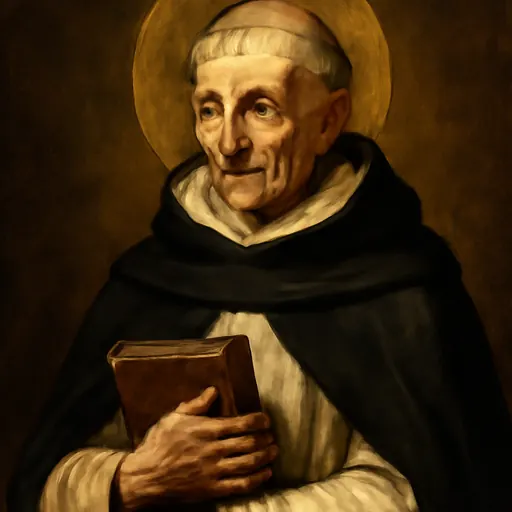
Blessed Sebastian Maggi (1414–1496) was a Dominican friar from Brescia who governed many convents of the Lombard reform, twice served as its vicar general, and was for a time the superior and confessor of Girolamo Savonarola. He died at Santa Maria di Castello in Genoa, where his body is kept incorrupt. His feast is December 16.
Who was Blessed Sebastian Maggi?
Blessed Sebastian Maggi was a Dominican friar of the 15th century, a preacher and a prior who spent sixty-seven years in the Order of Preachers. He was born into the noble Maggi family of Brescia in 1414, governed one convent after another in the reformed Dominican Congregation of Lombardy, and twice led the whole Congregation as its vicar general. He is remembered most widely for one of the men he formed: he was the superior, confessor and friend of Girolamo Savonarola. He died at Genoa in 1496, and his body still rests incorrupt in the church of Santa Maria di Castello.
The life of Blessed Sebastian Maggi
A boy of Brescia
He was baptized Salvatico, the son of Falco Maggi. In 1429, at fifteen, he entered the Dominican convent of San Domenico in Brescia and took the name Sebastian. The 1901 Short Lives of the Dominican Saints says he joined great innocence of life to hard bodily penance and kept the Rule "with the minutest fidelity." He became a master of sacred theology and a preacher whose sermons, the same book says, brought many sinners to confession and reconciled people who had long been at odds.
Prior of many houses
He was prior of San Domenico in Brescia from 1450 to 1454, and the biography on Santi e Beati remembers his charity there during a plague. Later he led the convents of Mantua, Milan, Cremona, Vicenza and Bologna, and he was twice prior of Santa Maria delle Grazie in Milan, in 1479–1480 and 1489–1491. The Short Lives says he built the friars a larger church in Milan with the help of the faithful, especially Duchess Beatrice, whose confessor he was. He served twice as vicar general of the Lombard Congregation, from 1480 to 1483 and again in 1495.

His friars loved him because he served them. He waited on them at table and nursed them when they were sick; it was said he went to visit the sick "as joyfully as some would go to a wedding." He never missed choir or the refectory. When someone had failed, he wanted the brother to come to him first. His words have come down to us:
When you have committed a fault, come to me, not as Prior, but as your father. If you will not have me as a father, you will find me a severe judge.
Those who owned their faults openly he treated gently, with hidden penances, so they would not lose heart. He also spent a long time reforming the convent of Lodi, where the friars lived on what they begged from door to door.

Savonarola's superior
Sebastian made the young Girolamo Savonarola master of novices when he was only twenty-nine and had been in the Order less than seven years. Burlamacchi, Savonarola's early biographer, wrote that Sebastian heard his confession more than a hundred times and esteemed him all his life as a man of pure and blameless life.

In 1495, by a brief of Pope Alexander VI dated September 9, Sebastian was given charge of the case against Savonarola and of returning the convents of Florence and Fiesole to the Lombard Congregation. As superior he had to carry out the papal order forbidding Savonarola to preach. It was a hard duty laid on an old friend. Sebastian died the next year, before Savonarola's own end in 1498.
A last visitation
Old and gravely ill, he still made the visitation of his province. Arriving at Santa Maria di Castello in Genoa, he told his companions that this would be the place of his rest forever. He received the last rites and died there in 1496, between August and November. Genoese tradition holds that while visiting this convent he was confessor to the great mystic St. Catherine of Genoa.
Miracles and incorrupt body
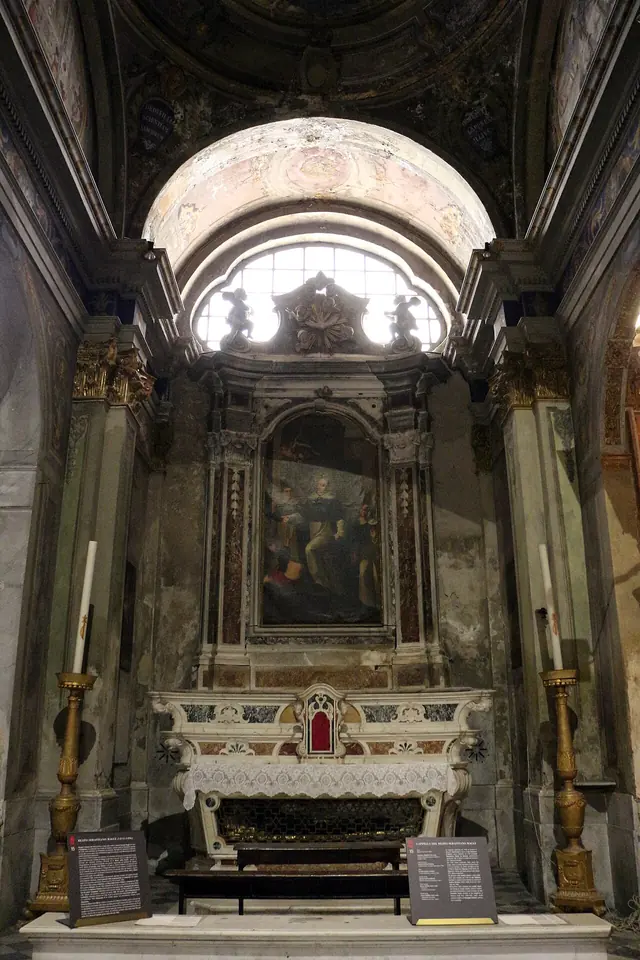
The Short Lives of 1901 says that his body "remains incorrupt even to our own day" and that he "has worked many miracles." The friars of Genoa moved his body to a new altar in 1797, when it was again found incorrupt. These graces are reported: his cult was confirmed by Pope Clement XIII on April 15, 1760, as a long-standing devotion, not through a modern miracle process. Read more about incorruptible saints.
Symbols of Blessed Sebastian Maggi in art
- White habit and black cloak: the dress of the Order of Preachers.
- A book: his learning as a master of theology and his preaching.
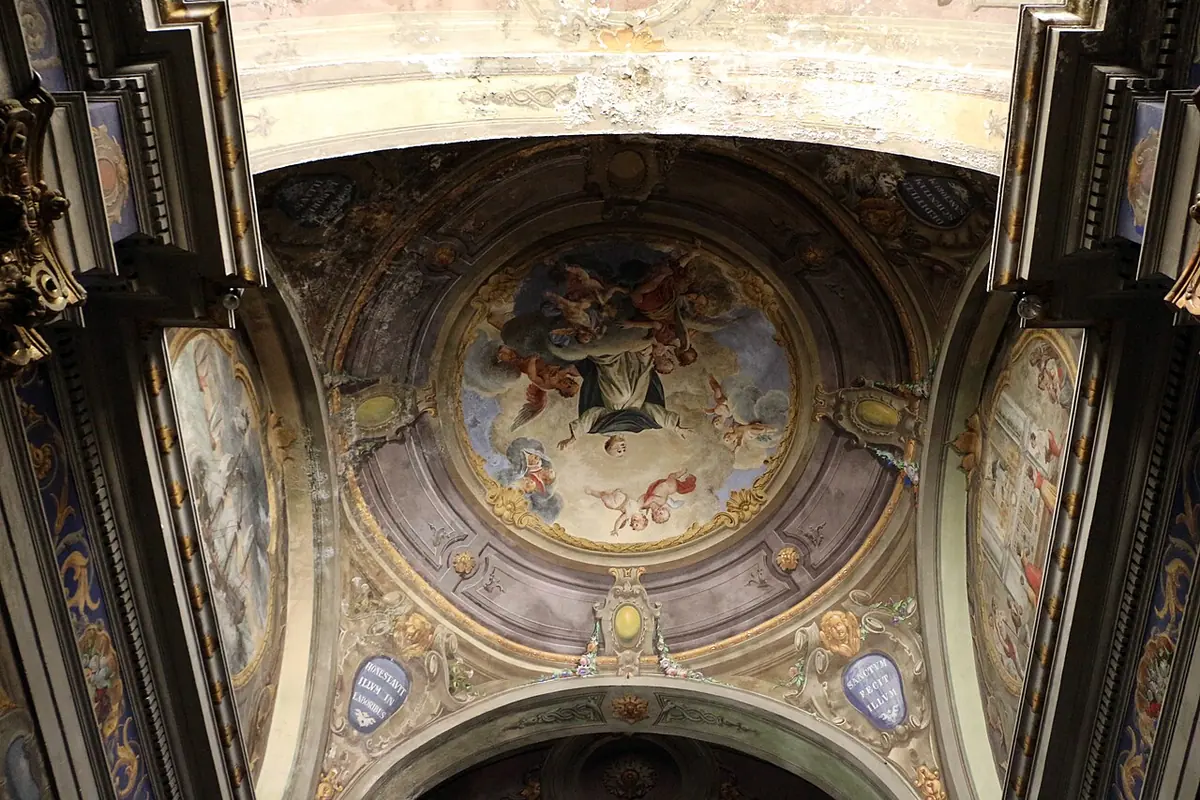
- Rays of light or angels: glory, as in Corradi's ceiling.
- An urn beneath an altar: his incorrupt body in Genoa.
In Santa Maria di Castello an elderly Dominican arriving at a convent door, or rising to heaven above the chapel, is Blessed Sebastian.

Feast day and prayer
We keep his feast on December 16; see more of December's saints on our feast days page. The Dominican prayer for his day, as printed in the Short Lives of the Dominican Saints (1901):
O God, who madest Blessed Sebastian, Thy Confessor, wonderful for his singular zeal in the practice of regular discipline and evangelical perfection, mercifully grant that, following his example, we may be mortified in the flesh but quickened in the spirit, and so attain to everlasting rewards. Through Christ our Lord. Amen.
Frequently asked questions
Who was Blessed Sebastian Maggi?
A nobleman of Brescia, baptized Salvatico, who became a Dominican in 1429 and spent his life as a preacher and prior in the reformed Congregation of Lombardy. Pope Clement XIII confirmed his cult in 1760.
What was Sebastian Maggi's connection to Savonarola?
He made the young Savonarola master of novices, heard his confession more than a hundred times according to Savonarola's early biographer Burlamacchi, and in 1495 was put in charge of the case against him by Pope Alexander VI.
Is Blessed Sebastian Maggi incorrupt?
Yes. The Dominican Short Lives of 1901 says his body 'remains incorrupt even to our own day.' It rests in the church of Santa Maria di Castello in Genoa.
When is the feast of Blessed Sebastian Maggi?
December 16. The Diocese of Brescia also remembers him on November 7.
Keep exploring
Sources
- A Sister of the Congregation of St. Catharine of Siena (Stone), Short Lives of the Dominican Saints, ed. John Procter, O.P. (London: Kegan Paul, 1901), December 16. His government of the convents, Savonarola, the larger church in Milan, the convent of Lodi, his words to his friars, his death, incorruption, and the Dominican collect
- Luigi Abele Redigonda, Beato Sebastiano (Salvatico) Maggi, Santi e Beati. His baptismal name, the list of convents he led, the dates of his terms as vicar general, the 1495 brief, the 1797 translation, and the 1760 confirmation of cult