St. Dominic of Silos: Benedictine Abbot, Friend of Captives
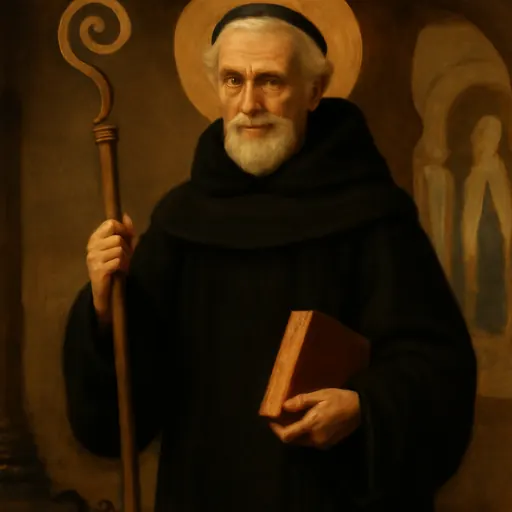
St. Dominic of Silos (about 1000 to 1073) was a shepherd from La Rioja who became a Benedictine monk and was sent by King Ferdinand I to restore the abbey of Silos, which he made one of the great monasteries of Spain. We keep his feast on December 20. He is the patron of expectant mothers and of captives.
Who was St. Dominic of Silos?
St. Dominic of Silos was a Spanish Benedictine abbot of the eleventh century, a shepherd boy who became one of the great monastic founders of Castile. He restored the ruined monastery of San Sebastián de Silos near Burgos, which after his death took his name, Santo Domingo de Silos. He died there on December 20, 1073, and we keep his feast on that day.
Spain has loved him for nine centuries as a friend of captives and of mothers waiting for a child. One of those mothers named her son after him, and that son became St. Dominic, founder of the Dominicans.
The shepherd from Cañas
He was born Domingo Manso around the year 1000 in Cañas, a village in La Rioja. The abbey of Silos tells his early life simply: he grew up tending his family's sheep, felt called to the priesthood, served the parish priest who taught him, and was ordained by the Bishop of Nájera at 26. After a short time as a hermit he entered the Benedictine abbey of San Millán de la Cogolla, where he finished his formation and was made master of the boys educated in the monastery. In 1038 Abbot García named him prior.
The prior who said no to a king
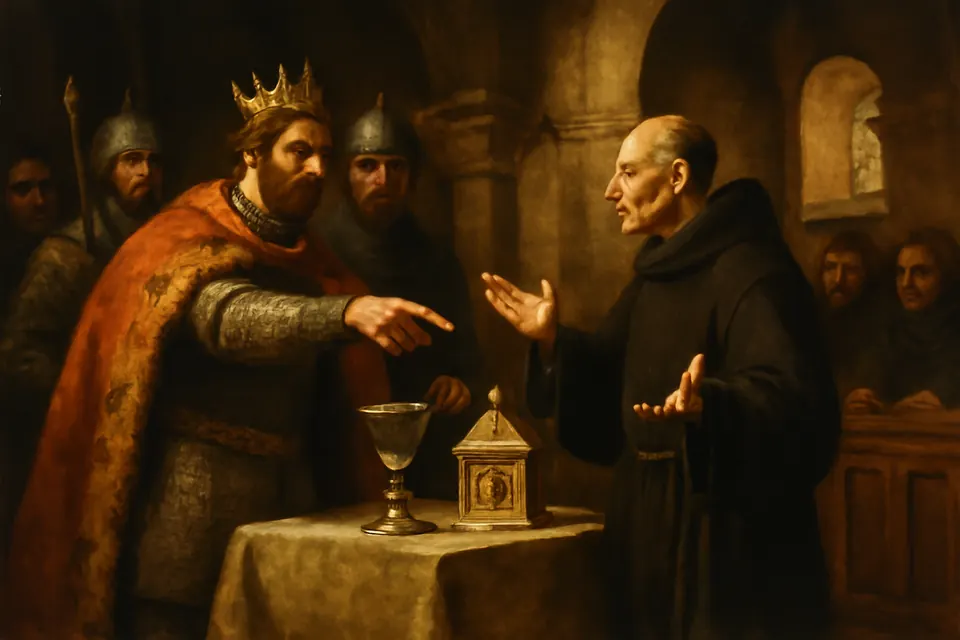
In 1040, King García of Navarre came to San Millán demanding a large sum of money for his wars. Dominic's refusal, the abbey says, was respectful but flat. The king in his anger had him removed as prior and sent into exile. In 1041 Dominic crossed into Castile, where King Ferdinand I offered him his protection.
Restoring Silos
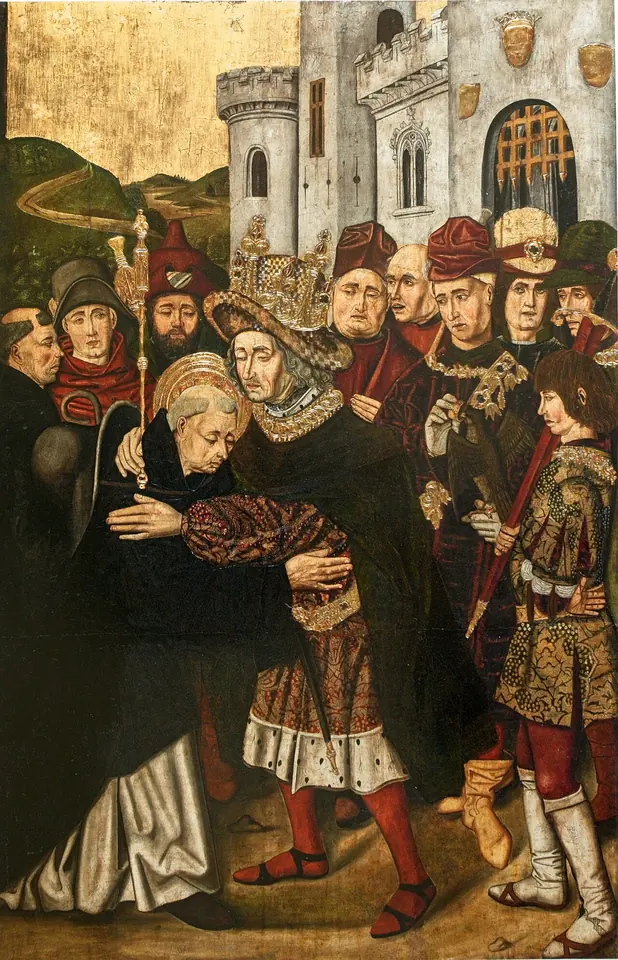
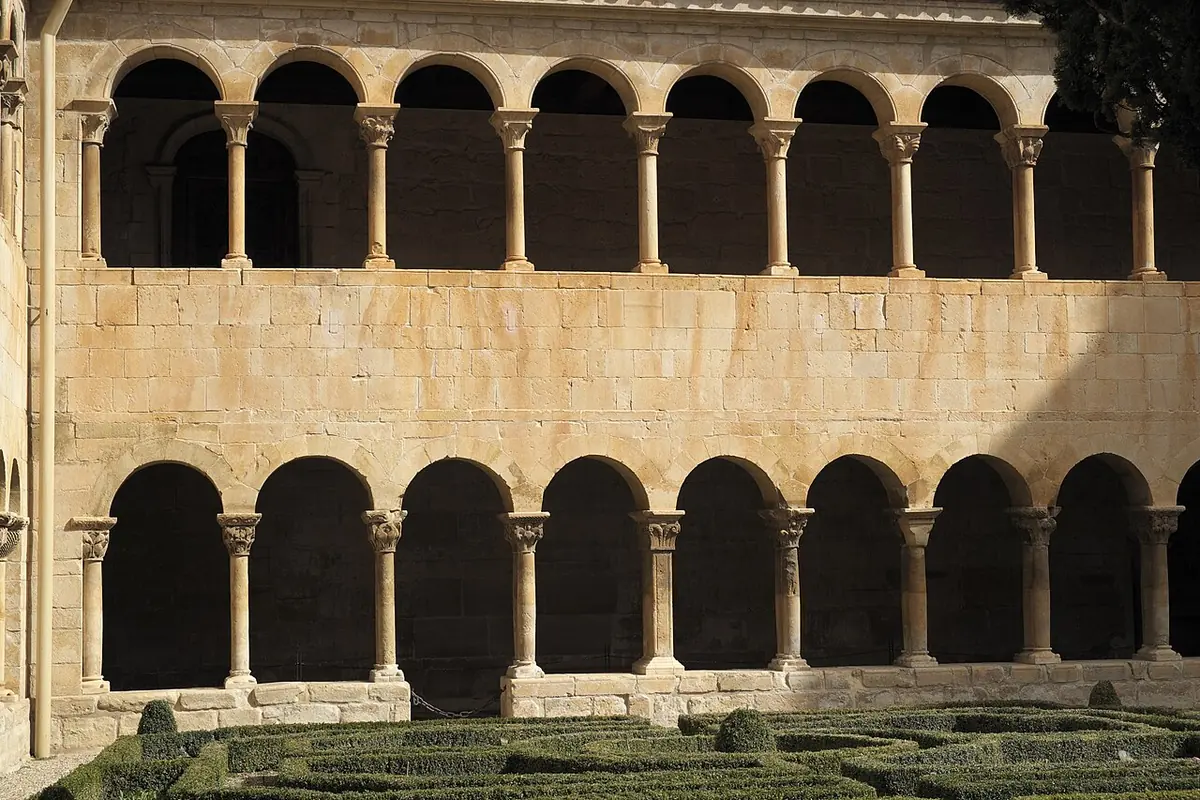
Ferdinand had a task for him. The old monastery of San Sebastián de Silos, first mentioned in a document of 954, had fallen into deep decay after the raids of the Moorish general Almanzor. The king made Dominic abbot and asked him to rebuild it. He began with the church, then the monastic buildings and the cloister. Under him the community grew in number and in holiness, and Silos became a center of prayer, learning and charity on the Castilian frontier.
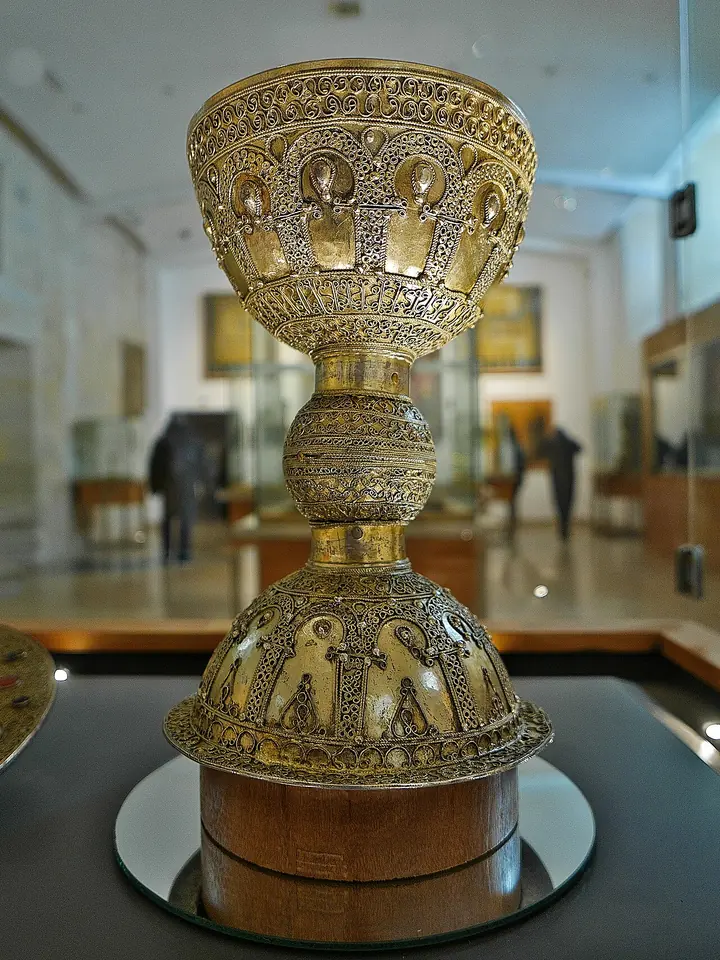
The Romanesque cloister of Silos, one of the most famous in Europe, was built in the generations after him. A silver chalice made in a Mozarabic workshop during his years as abbot is still kept at the abbey as the chalice of St. Dominic.
He died on December 20, 1073. The abbey records that he was canonized in 1076, three years later, and that the fame of his miracles quickly made his tomb a place of pilgrimage.

The miracles of St. Dominic of Silos
The miracles told of him fall into two groups.
- Freeing captives (reported): in the thirteenth century a monk of Silos, Pedro Marín, wrote down in Spanish the stories of Christian captives held across the Moorish frontier who prayed to St. Dominic and escaped. A 2025 study by Juan Manuel Carmona Pérez examines these accounts from the frontier of the kingdom of Córdoba. Freed captives brought their chains and fetters to his tomb as offerings. The walls of the Romanesque room beside the church, the Burgos tourist office notes, are still covered with chains.
- Healings and help in childbirth (reported): pilgrims came to his tomb for healing and for children. These graces are recorded in the old miracle collections, not in a modern Church investigation, so we call them reported.
Both kinds of miracles shaped how Spain prays to him today.
Why St. Dominic of Silos is the patron of mothers and captives
Expectant mothers have prayed at Silos for centuries. The English Dominicans tell how Bl. Jane of Aza, a noblewoman of Caleruega, made a pilgrimage to the tomb of the great abbot to pray that God would give her a son. Her prayer was answered, and she named the boy Dominic after the saint. That child became St. Dominic de Guzmán, founder of the Order of Preachers. See also St. Gerard Majella and St. Raymond Nonnatus, the other great patrons of mothers.
Captives and prisoners ask his help because of the many on the medieval frontier who escaped through his prayers. Shepherds claim him because he kept sheep as a boy in La Rioja. Browse more in our patron saints index.
Symbols of St. Dominic of Silos in art
Spanish painters and sculptors give him a few clear signs:
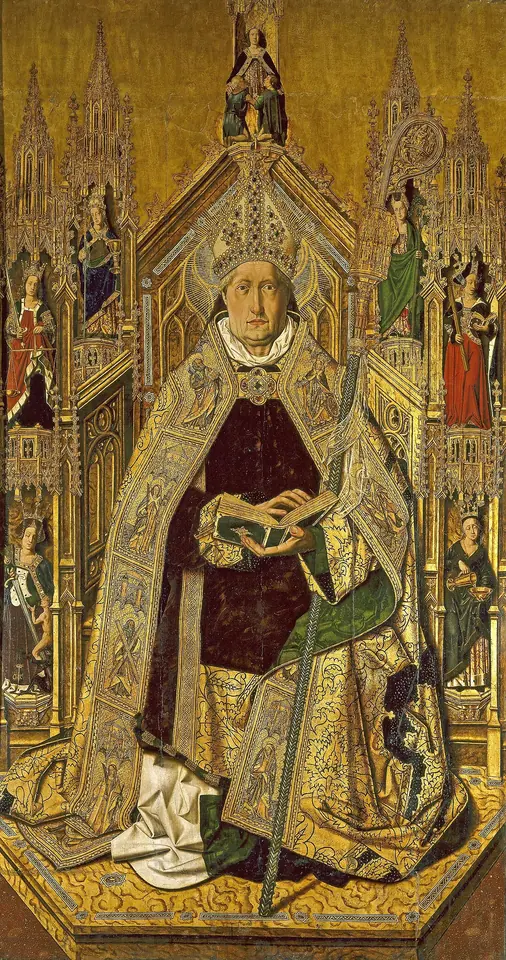
- Abbot's crosier, miter and cope: he was abbot of Silos. Bermejo's great panel even shows him enthroned like a bishop in a jeweled miter.
- Black Benedictine habit and the book of the Rule: his monastic life.
- Chains and freed captives: often shown kneeling at his feet, holding their broken fetters.
- A shepherd's crook or sheep: his childhood in Cañas, in some later images.
In a church in Spain, an abbot in black with chains at his feet is almost always Santo Domingo de Silos.
Feast day and the Abbey of Silos
We keep the feast of St. Dominic of Silos on December 20. His relics rest in a silver-gilt urn with three crowns in his octagonal eighteenth-century chapel at the abbey of Silos, south of Burgos. Monastic life there was broken off in 1835 by the Spanish government's suppression of religious houses, and restored in 1880 by French Benedictines from Ligugé, of the Solesmes congregation. Today the monks of Silos are known around the world for their Gregorian chant, and pilgrims still come to pray at the tomb. See our feast day calendar.
Prayer to St. Dominic of Silos
The prayers to him in Spanish devotional books are not standardized, and we won't invent one in his name. Let us ask St. Dominic of Silos, in our own words, to pray for mothers waiting for their children to be born, for all who are held captive in body or spirit, and for monks and nuns who keep the praise of God alive in quiet places.
Frequently asked questions
Who was St. Dominic of Silos?
Domingo Manso, born about 1000 at Cañas in La Rioja, a shepherd boy who became a priest at 26 and then a monk of San Millán de la Cogolla. Exiled after refusing King García of Navarre the monastery's treasure, he went to Castile, where King Ferdinand I made him abbot of the ruined monastery of San Sebastián de Silos in 1041. He rebuilt it and died there on December 20, 1073.
When is the feast of St. Dominic of Silos?
December 20, the day of his death in 1073.
Why is St. Dominic of Silos the patron of expectant mothers?
Women in Castile prayed at his tomb for children and safe births. The most famous of them was Bl. Jane of Aza, who made a pilgrimage to Silos to ask for a son; she named the boy Dominic, and he became St. Dominic, founder of the Order of Preachers.
Is St. Dominic of Silos the same as St. Dominic?
No. St. Dominic of Silos was an eleventh-century Benedictine abbot. St. Dominic de Guzmán, founder of the Dominicans, was born about a century after his death and was named after him.
Keep exploring
- Patron saint pages
- Pregnancy
- Feast-day calendar
- Saints remembered in DecemberSaint of the dayWhat saint is my birthday?
- Same name
- Other saints named Dominic →
- Relics
- Where the relics are kept (map)
- More
- Saints A to ZPatron saints A to ZExplore every section
Sources
- Abadía de Silos: Sto. Domingo de Silos (official abbey website, Spanish). His birth at Cañas, ordination at 26, years at San Millán, his refusal of King García in 1040, exile, and his welcome by King Ferdinand
- Abadía de Silos: Historia (official abbey website, Spanish). The ruin of Silos after Almanzor, his arrival in 1041, his death on December 20, 1073, his canonization in 1076, and the restoration of monastic life by the monks of Ligugé in 1880
- Juan Manuel Carmona Pérez, Cautiverio y redención en los milagros de Santo Domingo de Silos (Medievalismo, 2025). Captives on the Castilian-Granadan frontier who escaped through his intercession, as told in Pedro Marín's thirteenth-century Miráculos romanzados
- English Dominicans (english.op.org): Santo Domingo de Silos. Bl. Jane of Aza's pilgrimage to his tomb to pray for a son
- Turismo Burgos: Monasterio de Santo Domingo de Silos (Spanish, PDF). The room beside the church whose walls are covered with chains, and his relics in an urn with three silver-gilt crowns in the octagonal Baroque chapel