St. Seraphim Chichagov, Metropolitan and New Martyr of Russia

St. Seraphim Chichagov (1856–1937) was a colonel of the Russian Imperial Guard who became a priest, a monk and finally Metropolitan of Leningrad. His Chronicle of the Seraphim-Diveyevo Monastery helped bring about the glorification of St. Seraphim of Sarov. Arrested at eighty-one, he was shot at Butovo near Moscow in 1937. We keep his memory on December 11.
Who was St. Seraphim Chichagov?
St. Seraphim Chichagov was a Russian Orthodox metropolitan and one of the New Martyrs of the Soviet persecution. Before he was a bishop he was a colonel of the Imperial Guard, a military historian and the author of a book on medicine. In the middle of a brilliant career he left the army to be ordained a priest. His great work, the Chronicle of the Seraphim-Diveyevo Monastery, gathered the memories of those who had known St. Seraphim of Sarov, and it helped lead to that saint's glorification in 1903. At eighty-one he was arrested and shot at Butovo near Moscow. The Russian Orthodox Church honors him on December 11.
His life, as Azbuka Very gives it, comes from the work of Hegumen Damaskin (Orlovsky), who drew on archives and the memories of his family and spiritual children.
A guards officer finds his calling
Leonid Mikhailovich Chichagov was born on June 9, 1856, the great-grandson of Admiral Vasily Chichagov, an early explorer of the Arctic Ocean. He studied at the First St. Petersburg Classical Gymnasium and the elite Page Corps and joined the Preobrazhensky Guards Regiment. By thirty-seven he was a colonel, and he had published a diary of the Tsar's stay with the Danube army in 1877 and studies of artillery. Moved by compassion for the sick, he studied medicine and wrote Medical Conversations.
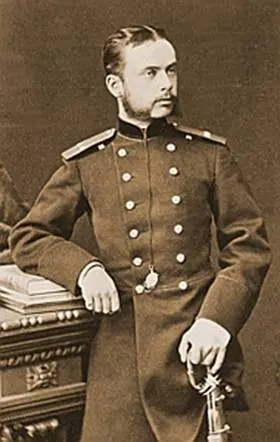
He married Natalia Nikolaevna Dokhturova in 1879, and they had four daughters. Even as an officer he was warden of the Transfiguration Cathedral in St. Petersburg. His spiritual father was St. John of Kronstadt. In 1893 Leonid resigned his commission to become a priest, to his family's amazement and his wife's distress. Father John told her, in the words his life records (our translation): "Your husband must become a priest, and you must not stand in the way he has chosen."
Priest, widower and monk
He was ordained in the Dormition Cathedral of the Moscow Kremlin on February 28, 1893, and later restored a long-closed Moscow church of St. Nicholas at his own expense. Within a few years his wife died suddenly, leaving four girls, the youngest ten. He entrusted his daughters to two guardians, entered the Holy Trinity-St. Sergius Lavra, and on August 14, 1898, was tonsured a monk with the name Seraphim.
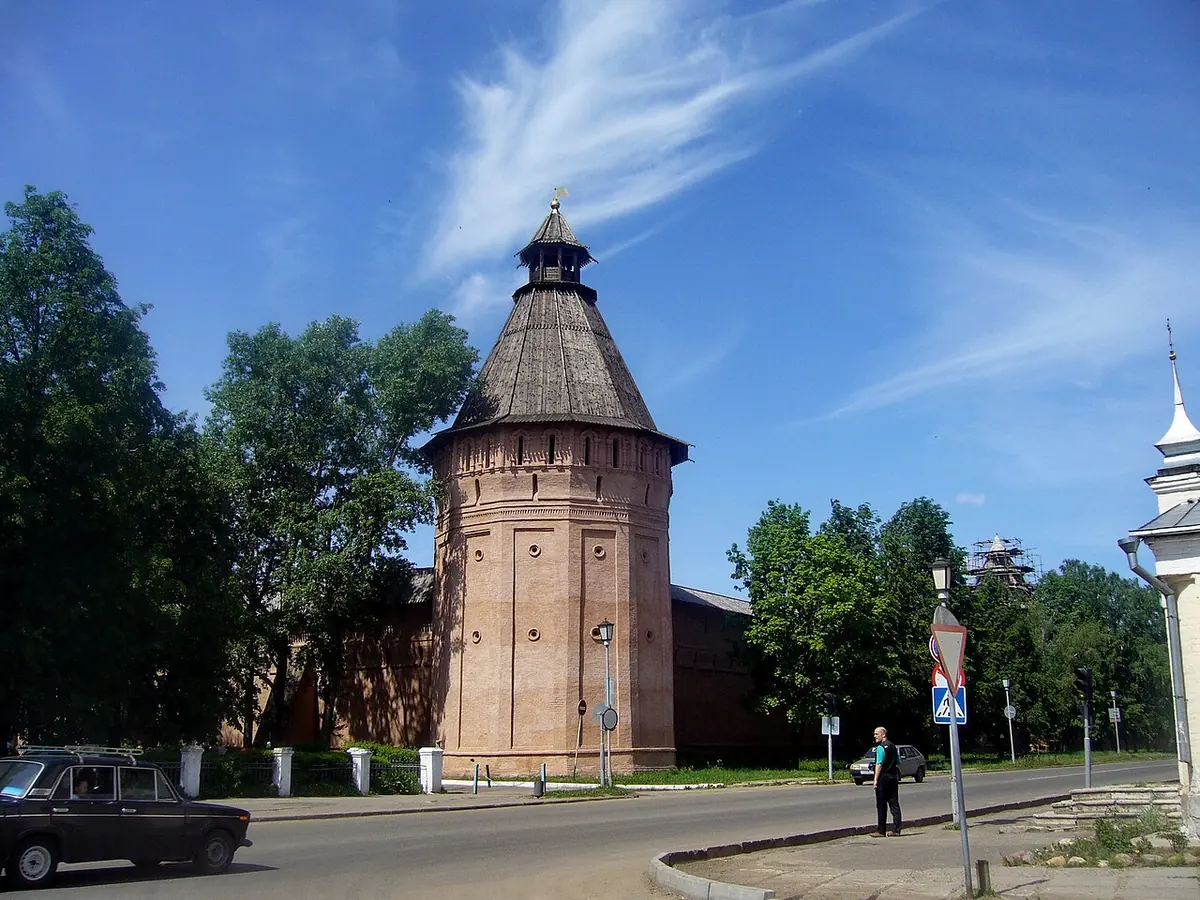
As abbot of the Monastery of the Savior and St. Euthymius at Suzdal, he rebuilt the old house and reformed the prison that the monastery held. Thirteen prisoners were released at his request, and the monastery prison ceased to exist.
The Chronicle of Diveyevo and St. Seraphim of Sarov
As a young priest he visited Sarov and the convent of Diveyevo, where three nuns still remembered St. Seraphim. One of them, the holy fool Pasha of Sarov, greeted him, his own account says, with the words: "St. Seraphim told me to tell you to report to the Sovereign that the time has come to uncover his relics and glorify him." He thought he could never do such a thing. Then it struck him that he could gather everything the witnesses remembered, search the archives of Sarov and Diveyevo, and present the book to the Tsar.

The Chronicle appeared in 1896, with a second edition in 1903, and he presented it to Nicholas II. In 1902, he later told his spiritual son, St. Seraphim appeared to him in his cell at Diveyevo and bowed to thank him for the Chronicle. This is a reported vision, recorded from his own words.
In August 1902 he served on the commission that examined St. Seraphim's remains. It found bones, not an incorrupt body, and most of the Synod hesitated, but the Tsar pressed on. St. Seraphim of Sarov was glorified in July 1903.

Bishop and metropolitan
On April 28, 1905, he was consecrated bishop in the Kremlin's Dormition Cathedral and sent to Sukhum in the Caucasus. He served next in Orel (1906–1908), where he worked to revive parish life, then Kishinev (1908–1912), and from 1912 as Archbishop of Tver. After the Council of 1917–1918 he was made Metropolitan of Warsaw, but the Soviet authorities would not let him go to Poland. He was also a composer of church music and loved to rehearse choirs himself.
The Soviet years brought arrests and exile. In 1922 the secret police sent him to Arkhangelsk; arrested again in April 1924, he was held in Butyrka prison until Patriarch Tikhon vouched for him, and he was freed that July. From 1928 to 1933 he governed the diocese of Leningrad and served his first Liturgy there in the Transfiguration Cathedral, where he had once been warden as an officer. Retired in October 1933, he lived quietly at Udelnaya near Moscow, old and ill.
His martyrdom at Butovo
Not long before his arrest he said (our translation): "The Orthodox Church is now living through a time of trial. Whoever stays faithful now to the holy Apostolic Church will be saved... This persecution will end, and Orthodoxy will triumph again."
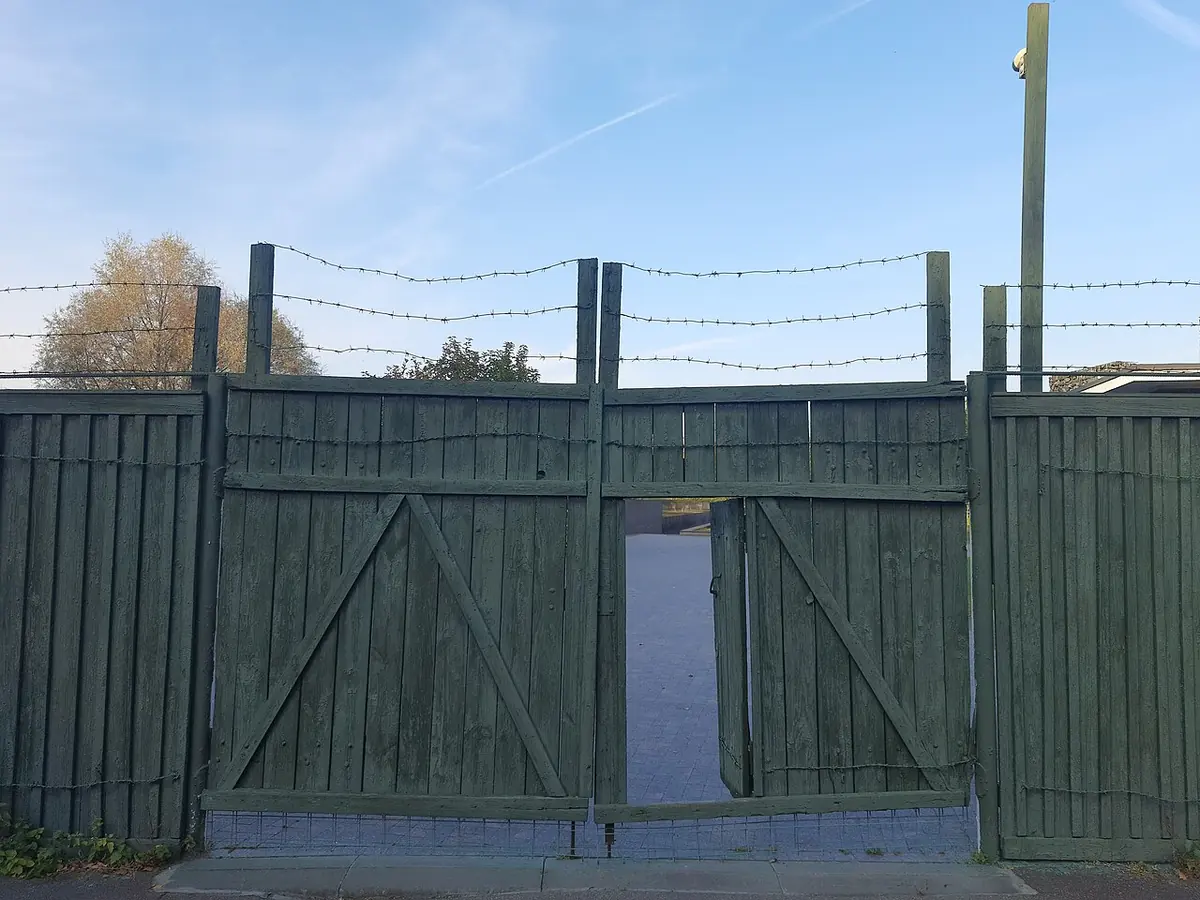
He was arrested in late autumn 1937, at eighty-one, so sick that the NKVD had to send an ambulance to carry him to Taganka prison. On December 7 a troika sentenced him to death. He was shot on December 11, 1937, at the Butovo firing range south of Moscow, in a fenced oak grove where the NKVD carried out mass executions, and buried there in a common grave. He was one of five people shot that day.
Symbols of St. Seraphim Chichagov in icons
Icons show him as an aged metropolitan with a long white beard, wearing the white klobuk of a Russian metropolitan and the blue mantle, often holding a book or scroll for his Chronicle and sometimes a martyr's cross. He appears among the New Martyrs of Butovo and in icons of the Diveyevo saints, often near St. Seraphim of Sarov, whose name and memory he served.
Feast day and prayer
The Russian Orthodox Church keeps his memory on December 11 (November 28 old style) and with the New Martyrs of Butovo. Its service for him includes a troparion and kontakion; the kontakion sings that he "bore the name of the wonderworker of Sarov" and "was granted the thankful visit of the saint himself" (our translation).
Let us ask the holy hieromartyr Seraphim to pray for all who suffer for the faith, and for the courage to stay faithful in our own time of trial.
Frequently asked questions
Who was St. Seraphim Chichagov?
Leonid Mikhailovich Chichagov, a guards officer and writer who left the army in 1893 to be ordained a priest. After his wife's death he became the monk Seraphim, then a bishop, archbishop of Tver and metropolitan. He governed the Leningrad diocese from 1928 to 1933 and was shot for his faith in 1937.
When is the feast of St. Seraphim Chichagov?
December 11 (November 28 in the old calendar), the day of his martyrdom. He is also honored with the New Martyrs of Butovo and the New Martyrs and Confessors of Russia.
What did St. Seraphim Chichagov have to do with St. Seraphim of Sarov?
As a young priest he collected the memories of nuns who had known St. Seraphim of Sarov and published them in the Chronicle of the Seraphim-Diveyevo Monastery (1896), which he presented to Tsar Nicholas II. He sat on the 1902 commission that examined St. Seraphim's remains, and he took the saint's name as a monk.
How did St. Seraphim Chichagov die?
He was arrested in late autumn 1937, so ill that the secret police had to call an ambulance to take him to Taganka prison. An NKVD troika sentenced him to death on December 7, and he was shot at the Butovo firing range near Moscow on December 11, 1937.
Keep exploring
Sources
- Azbuka Very: Hieromartyr Seraphim (Chichagov), Metropolitan of Petrograd, life and days of commemoration (Russian). Drawn from Hegumen Damaskin (Orlovsky), Martyrs, Confessors and Ascetics of the Russian Orthodox Church of the 20th Century, book 2 (Tver, 2001); his military career, ordination, the Chronicle and Pasha of Sarov, the 1902 commission, his sees, arrests, sentence and execution, and his words before his arrest (quotations are our translation)