Blessed Innocent XI, the Pope Who Saved Vienna
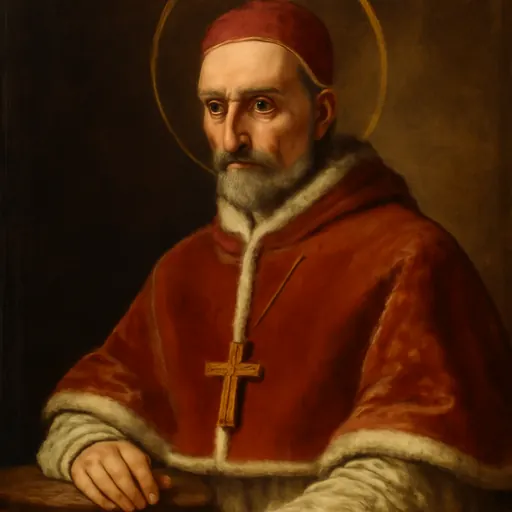
Blessed Innocent XI (Benedetto Odescalchi, 1611–1689) was pope from 1676 to 1689. A frugal reformer called "father of the poor," he cleaned up the papal finances, fought nepotism, defended the Church's freedom against Louis XIV and rallied the Christian princes who relieved Vienna from the Ottoman siege in 1683. Pius XII beatified him on October 7, 1956. His feast is August 12.
Who was Blessed Innocent XI?
Blessed Innocent XI was Benedetto Odescalchi, a nobleman from Como who became pope in 1676 and governed the Church for thirteen hard years. He lived like a poor man in the Vatican, balanced the books of the Papal States, fought nepotism and stood up to the most powerful king in Europe. Above all, Christian Europe remembers him for 1683, when his prayers, letters and money helped bring the armies together that lifted the Ottoman siege of Vienna.

The life of Blessed Innocent XI
From Como to the College of Cardinals
He was born in Como on May 16, 1611, and educated by the Jesuits there before studying law in Rome and Naples. The Catholic Encyclopedia lists his early offices under Urban VIII: protonotary, president of the Apostolic Camera, administrator in Ancona and Macerata. Pius XII added a detail from the beatification files: as a young man he once worked as a merchant in Genoa while he searched for his vocation, and he was nearly thirty when he became a cleric.
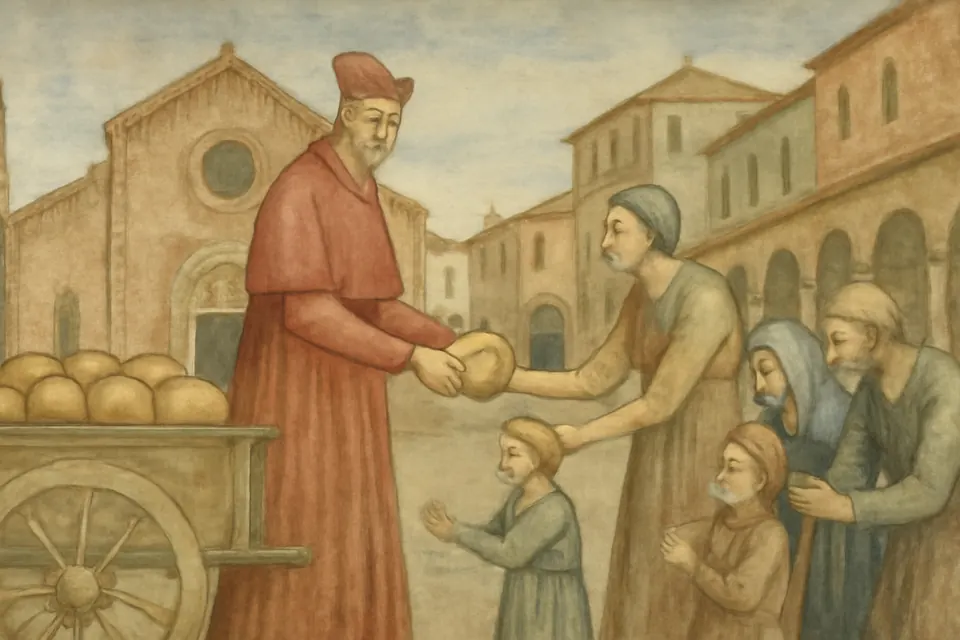
Innocent X made him a cardinal on March 6, 1645. Sent as legate to Ferrara during a famine, he fed the hungry so generously that the people hailed him as "father of the poor." In 1650 he became bishop of Novara and gave the revenues of the see to the poor and the sick.
A pope of prayer and reform
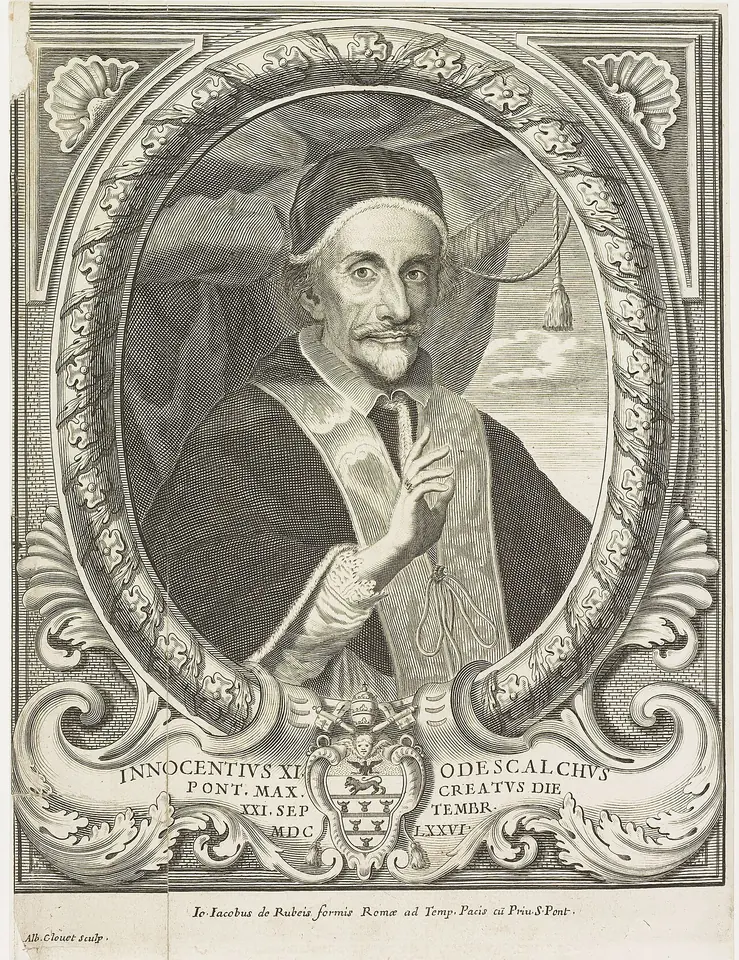
The French crown blocked his election in 1669, but on September 21, 1676, the cardinals chose him unanimously, and he took the name Innocent. He cut the costs of the Curia, wiped out a yearly deficit of 170,000 scudi and passed strict rules against nepotism. He closed Rome's gambling houses, reformed monasteries and pressed for better-trained priests. His decree of February 12, 1679, encouraged frequent and even daily Communion.
In doctrine he was firm. On March 2, 1679, he condemned 65 lax moral propositions, and in 1687 he condemned 68 propositions of the Quietist Miguel de Molinos.
The man behind all this was a man of prayer. Pius XII, quoting witnesses from the cause, said the pope thought it his duty "to stay withdrawn at home and pray to Christ for his people," that the Divine Office was his greatest relief and pleasure, and that on certain days he gave three hours to Holy Mass: one to prepare, one to celebrate, one to give thanks (our translations from the Italian).
Standing up to Louis XIV
Innocent's reign was a long struggle with Louis XIV. When the 1682 Assembly of the French Clergy adopted the Gallican Four Articles, he annulled them and refused to confirm bishops who had taken part. He objected to the persecution of Protestants after the revocation of the Edict of Nantes in 1685. When the French ambassador entered Rome in 1687 with some 800 armed men to defend an abolished right of asylum, the pope treated him as excommunicated. Louis seized Avignon in reply.
Vienna, 1683
The great work of his pontificate was the defense of Christian Europe. The Catholic Encyclopedia credits his urging with bringing the German princes and King John III Sobieski of Poland to relieve Vienna during the Ottoman siege of 1683, and says he later gave millions of scudi to the war in Austria and Hungary. Belgrade was taken on September 6, 1688.
Pius XII called him the "undisputed promoter and architect" of Vienna's liberation, and added that when public honors were paid to him for it, the pope was grieved to the point of tears. He wanted the glory to go to God.


Last years and death
Illness weighed on him through all thirteen years of his reign, and by the end his pain was severe. He bore it patiently, Pius XII said. He died in Rome in August 1689.
Beatification
His cause opened soon after his death. Benedict XIV took it up, but, as the Catholic Encyclopedia puts it, French influence and accusations of Jansenism led to its being dropped. Pius XII finally beatified him on October 7, 1956, the feast of the Holy Rosary, saying that careful historical research had shown his decisions came not from political enmity but from his duty to defend the freedom of the Church. We have not found a published account of the miracle approved for the beatification, so we do not describe one here. Favors that the faithful attribute to his prayers since then remain reported graces unless the Church examines one for a canonization.
Symbols of Blessed Innocent XI in art
- Red camauro and mozzetta: the everyday papal dress of his time, as in the Baciccio-circle portrait above.
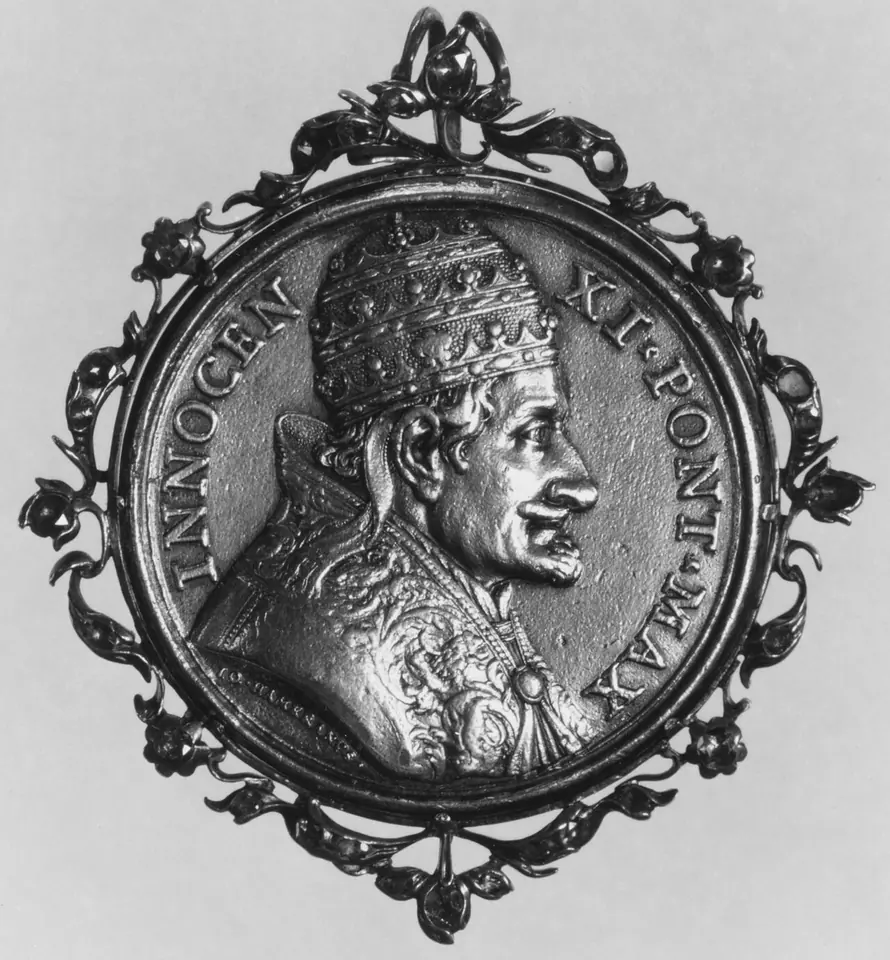
- Papal tiara: worn on his medals, as on Giovanni Martino Hamerani's medal of 1679 below.
- Lean face and pointed beard: the easiest way to recognize him among Baroque popes.
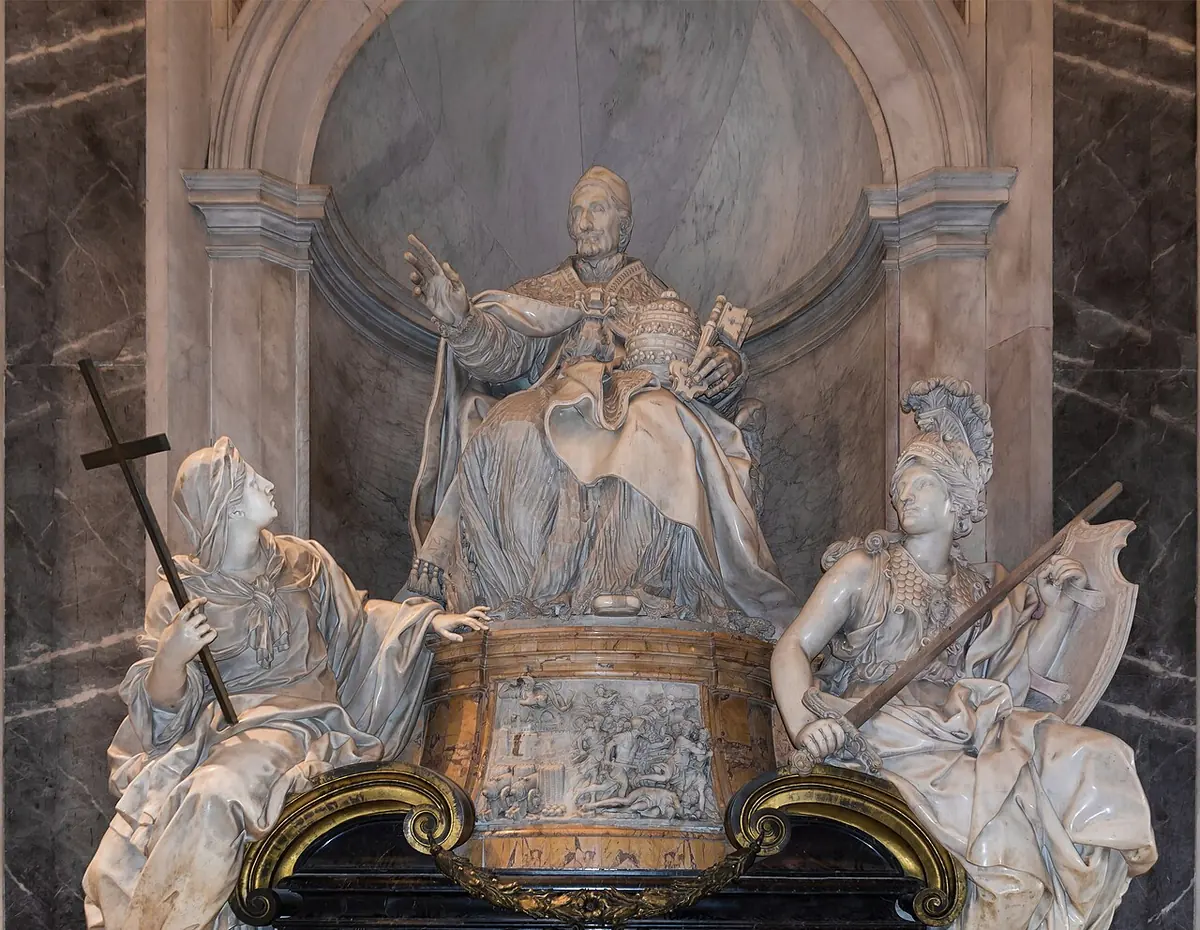
- Seated figure blessing: Pierre-Étienne Monnot's marble monument in St. Peter's shows him enthroned above a gilded sarcophagus, raising his hand, with two marble women beside him, one holding a cross and the other a sword.
Feast day and where he is honored
We keep his feast on August 12. His body rests in St. Peter's Basilica. Until 2011 it lay under the altar of St. Sebastian; in April 2011 his urn was carried in procession to the altar of the Transfiguration in the left aisle, so that Blessed John Paul II could be laid in the Chapel of St. Sebastian. See others honored in August on our feast days page.
Praying with Blessed Innocent XI
We have not found a traditional prayer to Blessed Innocent XI in English, so we do not print one. Pius XII recorded that the young Odescalchi kept as his rule of life to "send the good on ahead" and to help his neighbor, "the only thing that can usefully be done in the world." That is a prayer in itself.
Let us ask Blessed Innocent XI to pray for the pope and the Church, for peace among nations, and for all who hold power, that they may serve the poor as he did.
Frequently asked questions
Who was Blessed Innocent XI?
Benedetto Odescalchi of Como, elected pope on September 21, 1676. He reformed the Roman Curia and its finances, encouraged frequent Communion, condemned laxist moral teaching and Quietism, resisted Louis XIV's Gallicanism, and worked tirelessly for the alliance that saved Vienna in 1683.
When is the feast of Blessed Innocent XI?
August 12. He died in Rome in August 1689 and was beatified by Pope Pius XII on October 7, 1956.
What did Innocent XI do for the Battle of Vienna?
His urging and his money helped bring the German princes and King John III Sobieski of Poland to the relief of Vienna in 1683. Pius XII called him the undisputed promoter of Vienna's liberation, and noted that the pope wept when public honors were paid to him for it.
Where is Innocent XI buried?
In St. Peter's Basilica. His remains lay under the altar of St. Sebastian until April 2011, when they were moved to the altar of the Transfiguration to make room for Blessed John Paul II. His marble monument by Pierre-Étienne Monnot stands elsewhere in the basilica.
Keep exploring
Sources
- Michael Ott, "Pope Innocent XI," The Catholic Encyclopedia (1910), New Advent. Birth in Como, offices under Urban VIII and Innocent X, "father of the poor" at Ferrara, election of September 21, 1676, finances, the 1679 Communion decree, the 65 propositions, the Four Articles, Lavardin, Vienna and the earlier halted cause
- Pius XII, Radio message in honor of Blessed Innocent XI, Castel Gandolfo, 7 October 1956 (Italian), Vatican. The beatification and its two-century delay, his three-hour Mass on certain days, his tears at the honors after Vienna, and the sayings quoted from the cause's Summarium (our translations)
- New resting place prepared for Pope John Paul II, Vatican Radio, April 11, 2011. Transfer of Innocent XI's urn from the Chapel of St. Sebastian to the altar of the Transfiguration