St. Afra of Augsburg, Martyr and Patron of Augsburg
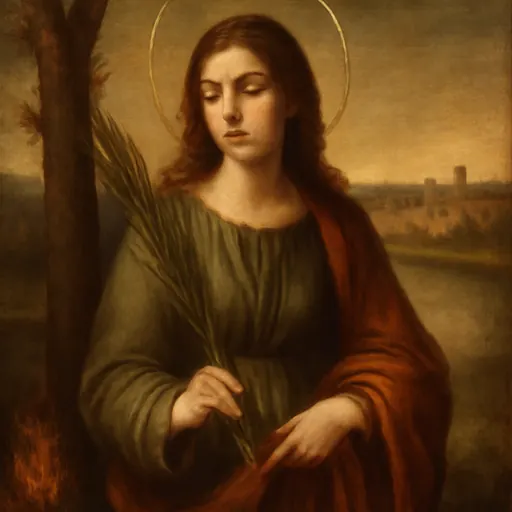
St. Afra of Augsburg was a Christian woman burned to death for her faith on an island in the Lech River in about 304, during the persecution of Diocletian. Her martyrdom is a historical fact, and her grave in Augsburg has been honored since at least the sixth century. Her feast is August 7, and she is the patron of Augsburg and of penitents.
Who was St. Afra?
St. Afra of Augsburg was a Christian woman of the Roman town of Augusta Vindelicorum, now Augsburg in Bavaria, who was burned alive for her faith in about 304, during the last great persecution under Diocletian. She would not offer sacrifice to the gods, and she was put to death on a small island in the river Lech. Her grave became a place of prayer, and the great church of Sts. Ulrich and Afra stands over it today. The Church keeps her feast on August 7.
Afra is a case where we can say clearly what is history and what is legend. Her martyrdom is certain. The Catholic Encyclopedia calls it "an indisputable historical fact" and says it proves that the faith had reached Augsburg before Constantine. The colorful story of her early life, though, was written much later.
The life and martyrdom of St. Afra
What the oldest sources say
The Martyrology of St. Jerome, a list of martyrs that goes back in its first form to the fourth century, names Afra under August 5 as a martyr who suffered and was buried at Augsburg. In the sixth century the poet Venantius Fortunatus, later bishop of Poitiers, told travelers in his poem on St. Martin that at Augsburg they would venerate "the bones of the holy martyr Afra."
The account of her death
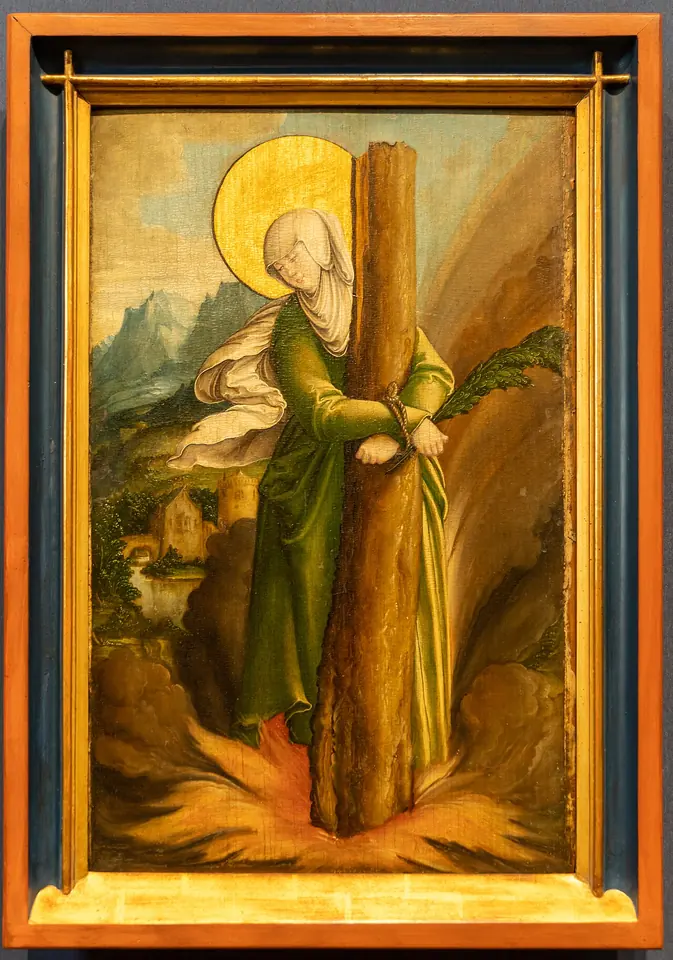
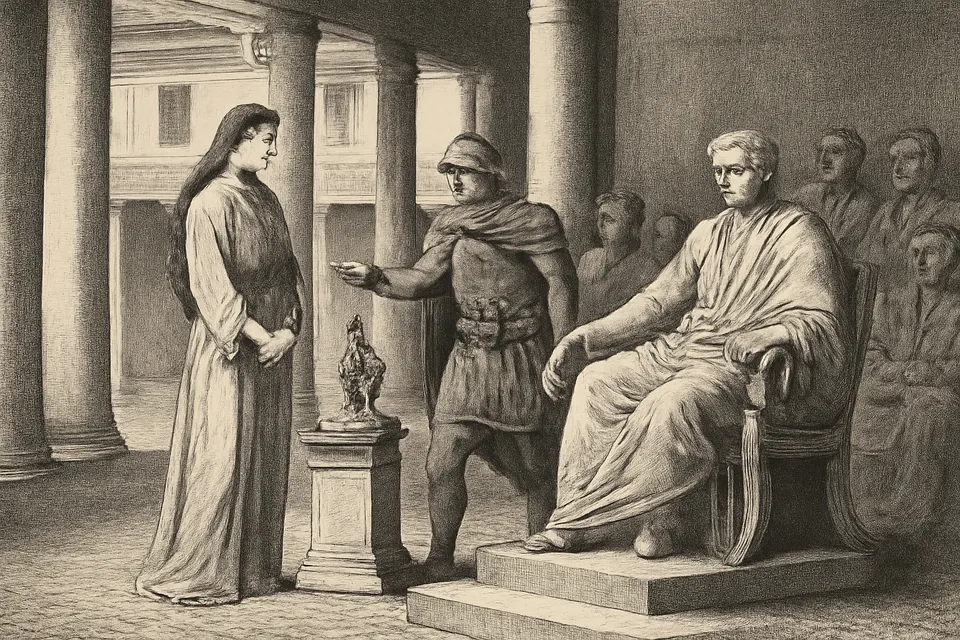
Her Acts, as they have come down to us, join two different stories. The account of her trial and death is the older one. The Catholic Encyclopedia notes that Louis Duchesne dated it to the end of the fourth century or the start of the fifth, close enough to the event to keep real details. In it, Afra alone stands before the judge. She confesses that she is a Christian and refuses to take part in pagan rites, and she is condemned to the fire. She is burned on a little island in the Lech, and her body is buried at some distance from the place where she died.
The legend of her conversion
The other part of the Acts, the story of her conversion, comes from Carolingian times. It says Afra's grandparents had come from Cyprus, that her mother Hilaria dedicated her as a prostitute in the service of Venus, and that when Bishop Narcissus of Gerona fled to Augsburg from the persecution in Spain, he found shelter in Afra's house and converted the whole family. The legend ends with her mother and three maidservants, Digna, Eunomia and Eutropia, burying her and then dying as martyrs by fire themselves.
The Catholic Encyclopedia judges this conversion story to be legend, written to connect Afra with the beginnings of the Church in Augsburg. Still, it shaped how Christians have loved her: as a sinner who became a saint, and a sign that no past is beyond the mercy of God.
The miracles of St. Afra
No miracles from her life are recorded in the oldest account. Her martyrdom is history. The details of her conversion, and the martyrdom of her mother and maids, are traditional. Through the centuries pilgrims have come to pray at her grave, as Venantius Fortunatus urged them to, and her church grew into a great abbey.

Why St. Afra is the patron saint of Augsburg and of penitents
Afra is the oldest known martyr of Augsburg, and the city and diocese honor her as a patron, with the bishops St. Ulrich and St. Simpert. Because of the legend of her conversion, she is also a patron of penitents and of women leaving a life of sin, much like St. Mary Magdalene and St. Mary of Egypt.
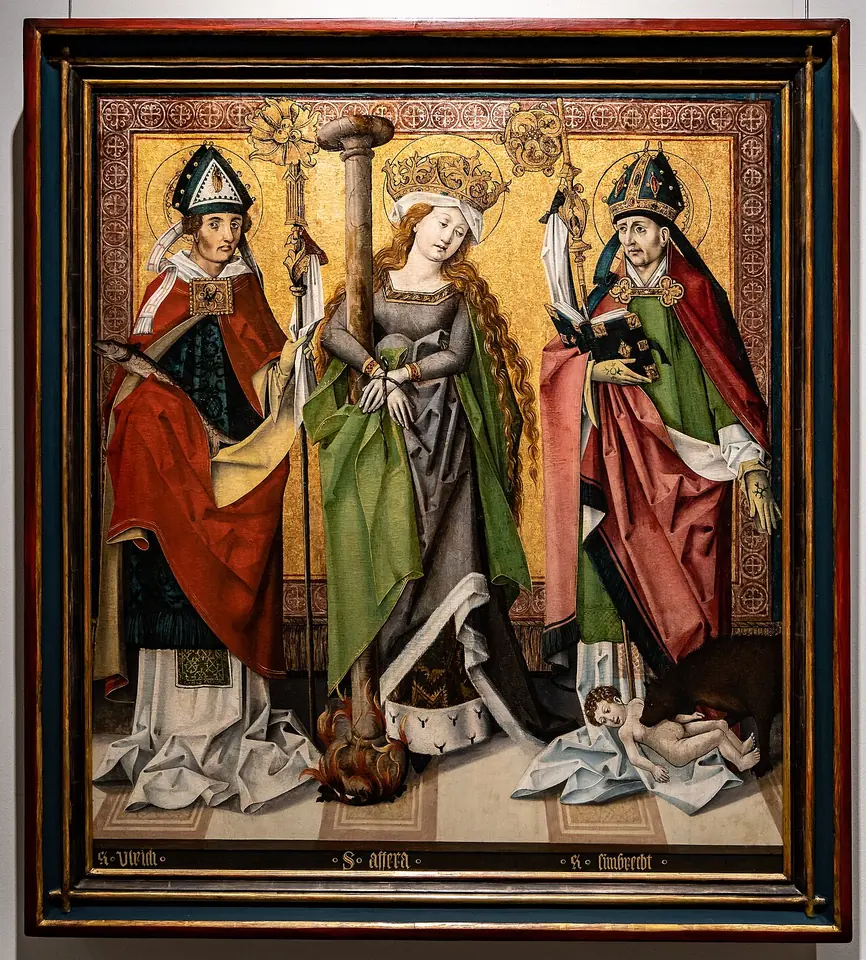
Symbols of St. Afra in art
Artists in southern Germany painted her often. Look for:
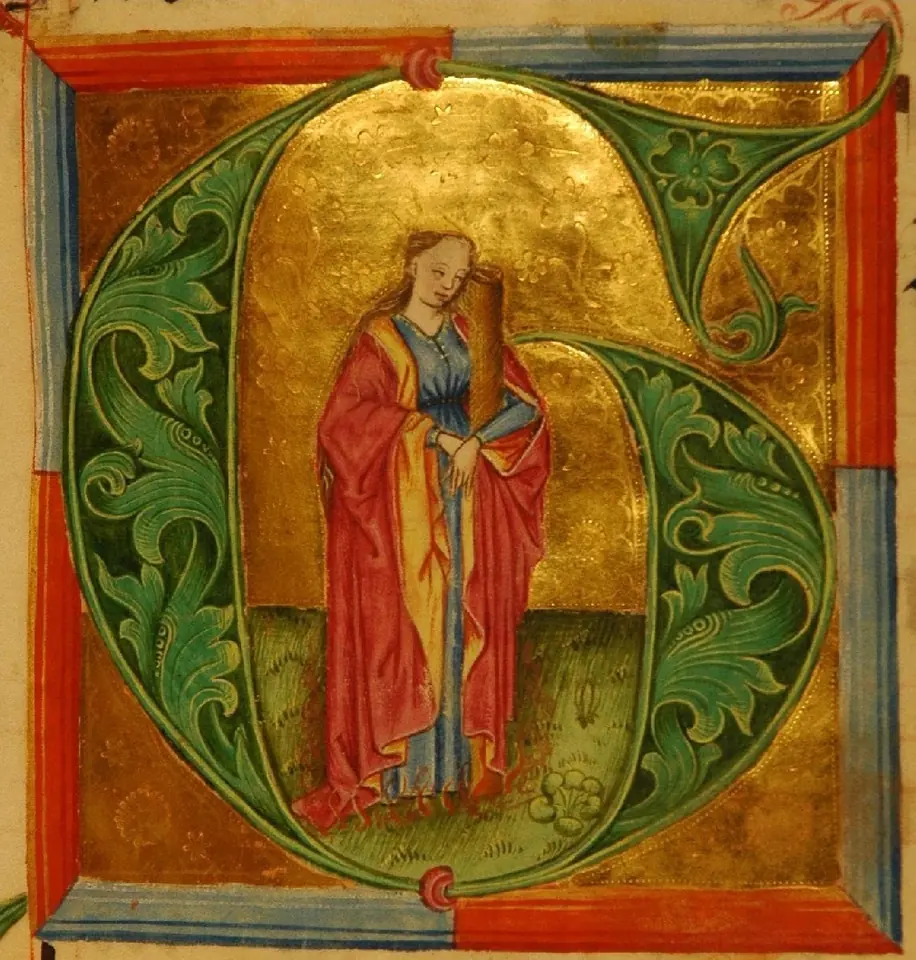
- A young woman bound to a tree or stake, since the old account says she was burned on the island, and artists pictured her tied to a tree.
- Flames at her feet.
- The martyr's palm, and sometimes a crown, the reward of martyrdom.
- Long, loose hair, often a sign of the penitent in late medieval art.
- In Augsburg paintings she often stands between two bishops, Ulrich and Simpert.

Feast day, tomb and prayer
Her feast is August 7. See our feast days calendar and patron saints list for others.
Her remains are still in Augsburg, in the Basilica of Sts. Ulrich and Afra, beside which stood a Benedictine abbey for many centuries. Her stone sarcophagus rests in the crypt.

We know of no widely used traditional English prayer to St. Afra. We may simply ask her, in our own words, to pray for us, and especially for anyone who carries the weight of a past they regret: St. Afra, pray for us.
Frequently asked questions
When is the feast of St. Afra?
August 7 in the Roman Martyrology and in the Diocese of Augsburg. The ancient Martyrology of St. Jerome gives August 5 (with August 6 or 7 in some manuscripts).
Was St. Afra a real person?
Yes. The Catholic Encyclopedia calls her martyrdom at Augsburg under Diocletian an indisputable historical fact: she is named in the fourth-century Martyrology of St. Jerome, and the poet Venantius Fortunatus mentions pilgrims to her grave in the sixth century.
Why is St. Afra the patron saint of penitents?
A later legend, written down in Carolingian times, says she had been a prostitute dedicated to the worship of Venus before a fugitive bishop, St. Narcissus of Gerona, converted her family. That story is not reliable history, but it made her a patron of penitents and of women seeking a new life.
Where is St. Afra buried?
In Augsburg, in the crypt of the Basilica of Sts. Ulrich and Afra, which grew up over her grave. St. Ulrich, the great bishop of Augsburg, is buried in the same church.
Keep exploring
Sources
- Catholic Encyclopedia (1913): St. Afra. The historical martyrdom, the Martyrology of St. Jerome, Venantius Fortunatus, the two parts of her Acts and their dates, and her tomb