St. Leonides of Alexandria, Martyr and Father of Origen
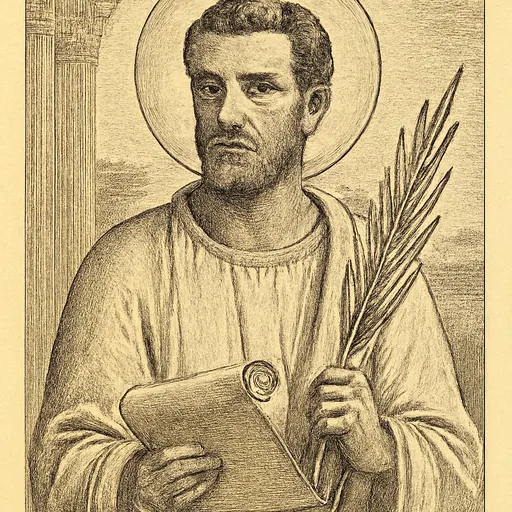
St. Leonides of Alexandria was a Christian of second-century Egypt and the father of the great teacher Origen. He schooled his son in the Scriptures every day before any other study. When the persecution of Septimius Severus broke out, he was imprisoned and beheaded, about 202. We keep his memory on April 22.
Who was St. Leonides of Alexandria?
St. Leonides of Alexandria was a Christian husband and father in Roman Egypt who died a martyr about the year 202, in the persecution of the emperor Septimius Severus. He is remembered above all as the father of Origen, the brilliant and controversial teacher who became one of the most influential Christian writers of the early Church. Everything we know about Leonides comes from one source, the Church History of Eusebius of Caesarea, written about a century later from Origen's letters and the memories of people who had known him. It is short, but it is one of the most tender portraits of a Christian father that the early Church left us. We keep his memory on April 22.
A father who taught the Scriptures
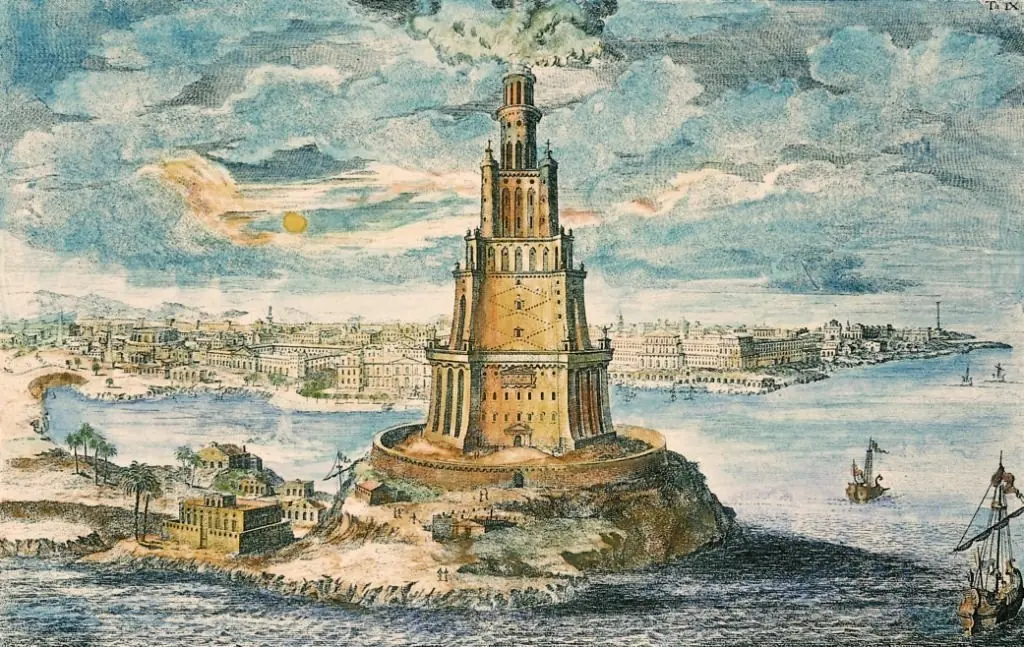
Alexandria was the great city of learning in the Roman world, with its library, its schools of philosophy and its lighthouse, the Pharos, one of the wonders of the ancient world. It was also home to a large Christian community and a famous catechetical school.
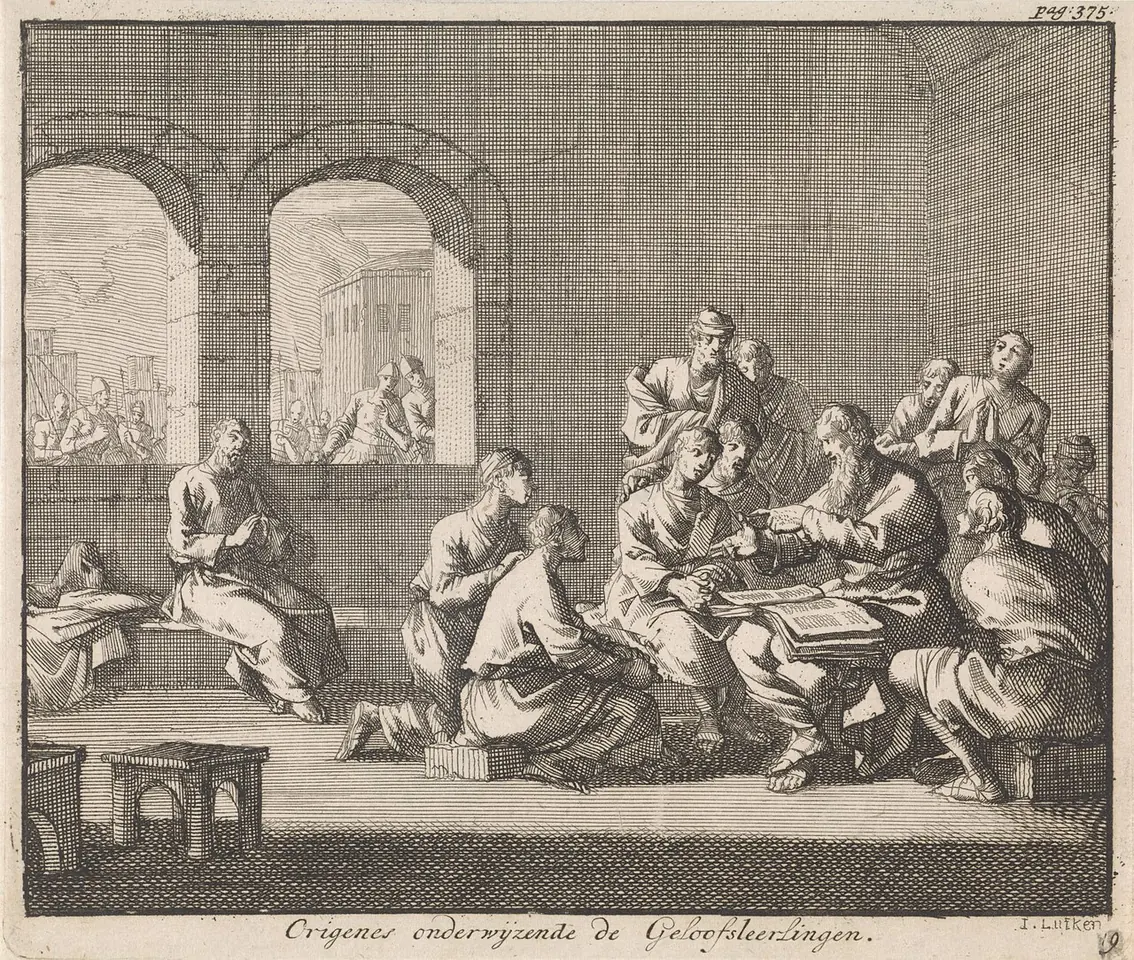
Leonides gave his eldest son the usual liberal education of a well-to-do family. But Eusebius says that "before inducting him into the Greek sciences, he drilled him in sacred studies, requiring him to learn and recite every day." The boy loved it, and he was not content with the plain sense of the text. He kept asking his father what the Scriptures really meant, until Leonides rebuked him to his face and told him not to search beyond his age.
In private, though, he was delighted. Eusebius records that Leonides "rejoiced greatly and thanked God, the author of all good, that he had deemed him worthy to be the father of such a child." Then comes the detail every reader remembers: "they say that often, standing by the boy when asleep, he uncovered his breast as if the Divine Spirit were enshrined within it, and kissed it reverently."

Arrest and martyrdom under Severus
In the tenth year of Septimius Severus, about 202, persecution broke out in earnest. Eusebius says Christians were brought to Alexandria "from Egypt and all Thebais" and that they "won crowns from God through their great patience under many tortures and every mode of death." Leonides was arrested and put in prison.
Origen, not yet seventeen, wanted to share his father's fate and was ready to run to the authorities. His mother pleaded with him, and when that failed she hid all his clothes so that he could not leave the house. Shut indoors, the boy wrote to his father in prison instead. Eusebius preserves one line of that letter: "Take heed not to change your mind on our account."

Leonides did not change his mind. He was beheaded, and the imperial treasury confiscated his property. His widow was left with seven sons and nothing to live on. Origen, the eldest, supported the family by teaching grammar, and he was soon teaching the faith in the catechetical school of Alexandria.
The faith he handed on
There are no miracles told of St. Leonides, and no legend grew up around him. His witness is plainer. He taught his son the Word of God, he honored the work of the Holy Spirit in a sleeping child, and when the hour came he chose Christ over his own household, as his son begged him to.
Origen went on to become the most learned Christian scholar of his age, a tireless student of the Scriptures, and in the end a confessor who suffered torture in another persecution. As the Catholic Encyclopedia explains, some ideas drawn from his writings were fiercely disputed after his death, and the Church has never counted him among the saints. His father, though, is honored as a martyr in the Roman Martyrology.
Symbols of St. Leonides in art
Old images of St. Leonides are very rare, and he has no fixed iconography of his own. When he is shown, look for:
- A martyr's palm: the sign of every martyr's victory.
- A sword: the manner of his death, since he was beheaded.
- A scroll or book of the Scriptures: the daily lessons he gave his son.
- A young boy at his side: Origen.
Feast day and prayer
We keep the memory of St. Leonides of Alexandria on April 22, the day the Roman Martyrology gives for him. See the feast day calendar for the other saints of April.
We know of no traditional prayer to St. Leonides. He is a good saint for Christian fathers, for parents who teach their children the Scriptures, and for families who suffer for the faith. Let us ask him to pray for them: St. Leonides, pray for us.
Frequently asked questions
Who was St. Leonides of Alexandria?
A Christian of Alexandria and the father of Origen. The historian Eusebius, writing about a century later, says he was beheaded in the persecution of Septimius Severus while his son was still young, about 202.
Was Leonides the father of Origen?
Yes. Eusebius calls Leonides "the father of Origen" and describes how he taught the boy the Scriptures, and how Origen, at sixteen, wrote to his imprisoned father urging him not to give up his martyrdom for the family's sake.
When is the feast of St. Leonides of Alexandria?
April 22 in the Roman Martyrology.
How did St. Leonides die?
He was arrested, imprisoned and beheaded at Alexandria under the emperor Septimius Severus. His property was confiscated, leaving his widow and seven sons in poverty.
Keep exploring
Sources
- Eusebius, Church History, Book VI, chapters 1–2 (New Advent). His beheading under Severus, his teaching of Origen, the kiss on the sleeping boy's breast, Origen's letter and the confiscation of his property
- Catholic Encyclopedia (1911): Origen and Origenism. Origen born in 185; his father's imprisonment and martyrdom; the later controversy over his writings
- The Roman Martyrology (1916), April 22