St. Maximus of Rome: The Merchant Martyr of the Decian Persecution

St. Maximus was a merchant of Asia Minor who, during the persecution of Emperor Decius about 250, told the proconsul Optimus that he was a Christian, refused to sacrifice, and was stoned to death. He is often listed online as St. Maximus of Rome, though his acts place his martyrdom in Asia Minor and the Roman Martyrology names Ephesus. His feast day is April 30.
Who was St. Maximus?
St. Maximus was a Christian merchant who gave his life for Christ in the persecution of Emperor Decius, about the year 250. Brought before the proconsul, he said plainly who he was and what he believed, refused to offer sacrifice, and was stoned to death outside the city walls. We keep his feast on April 30.
On the web he is usually called St. Maximus of Rome. That name is a little misleading. The record of his trial says he suffered in Asia, the Roman province in what is now western Turkey, and the Roman Martyrology names the city as Ephesus. He was a martyr of the Roman Empire, not, as far as we know, of the city of Rome.
The persecution of Decius
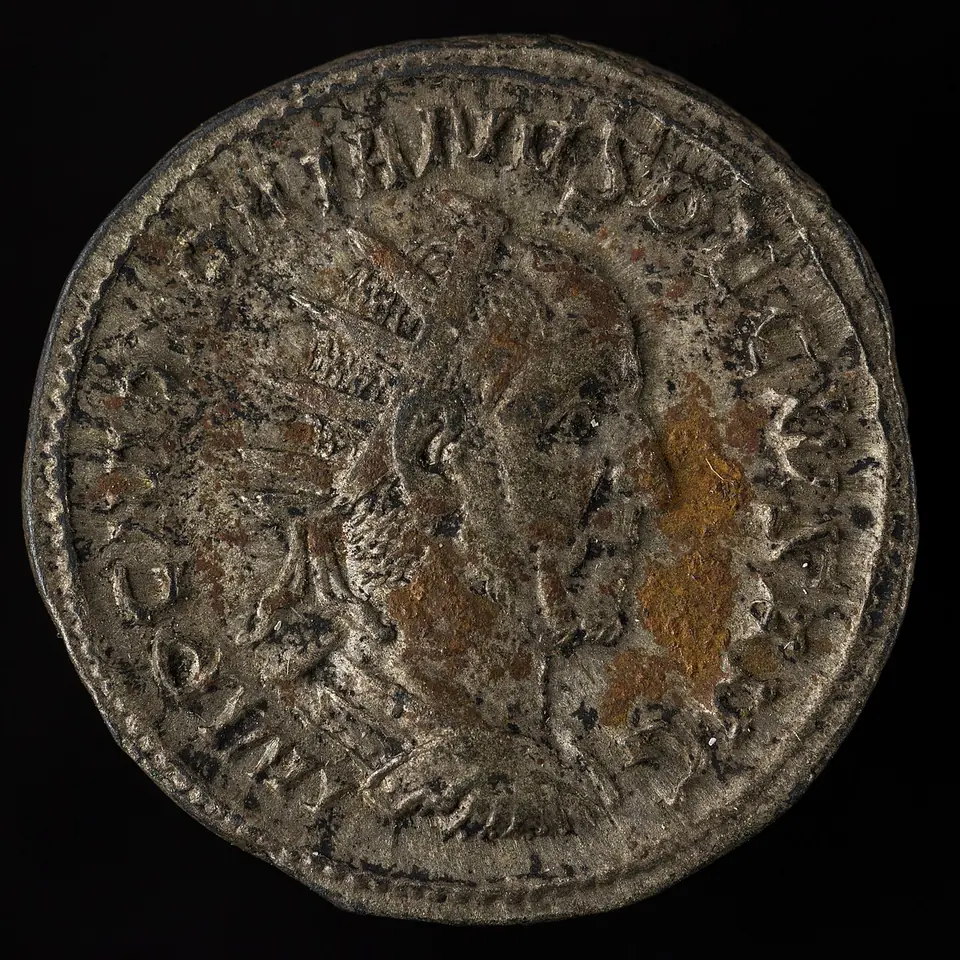
Decius became emperor in 249. Early in 250 he ordered everyone in the empire to sacrifice to the gods before local officials, and to get a signed certificate, a libellus, proving they had done it. For the first time, Christians everywhere were forced to choose at once between the altar and their faith. Many gave in. Many fled, among them bishops such as St. Cyprian of Carthage, who went into hiding to guide his flock from a distance. Some, like Maximus, stood firm and died. Pope Fabian was among the first, put to death in Rome in January 250.
The trial of St. Maximus
"My name is Maximus"
The story of his death survives in a short Latin text, the acts of his martyrdom, said to have been drawn from the record of the proconsul's court. The scholar Thierry Ruinart included it in 1689 among the genuine acts of the martyrs, and S. Baring-Gould calls the acts "brief and genuine."
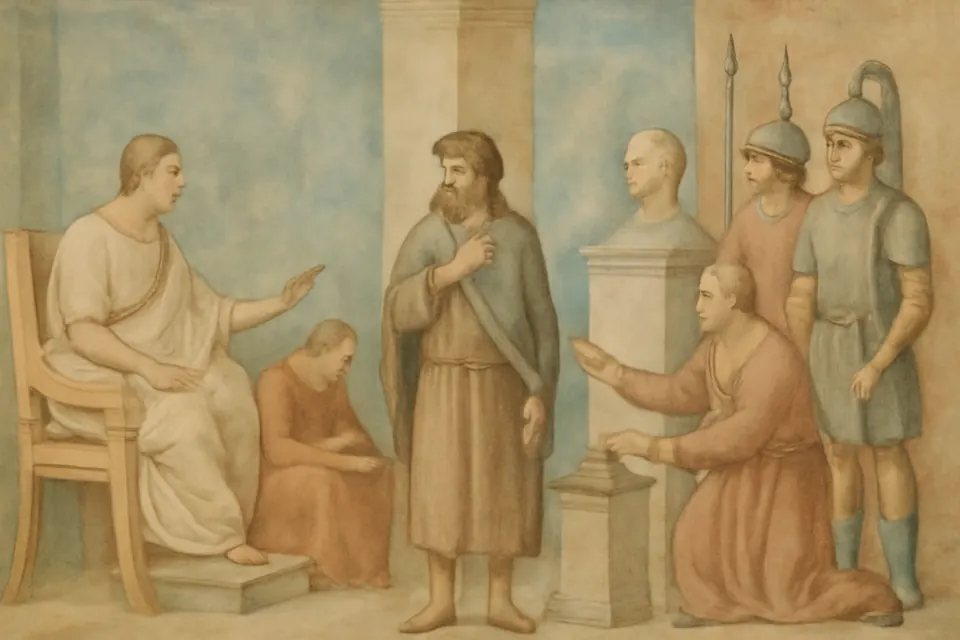
Maximus was brought before the proconsul Optimus. Asked who he was, he gave his name and his trade, a merchant, and said that he was a Christian. Optimus told him to obey the emperor's decree and sacrifice, or die in torment. Maximus answered that this was what he had always wanted: to leave this short life and pass to eternal life by confessing his faith.
Rack, rods and stones
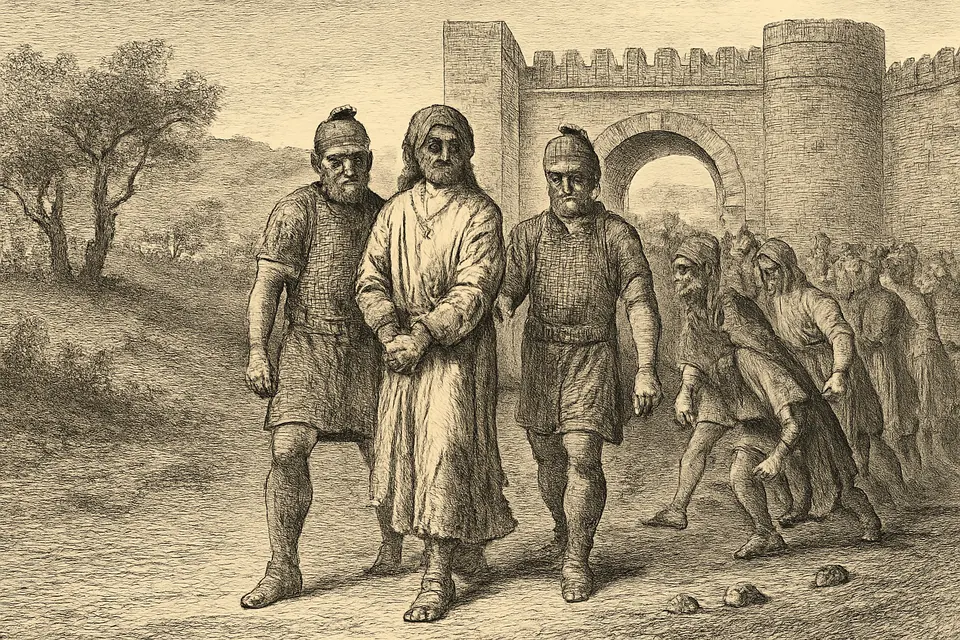
The proconsul had him stretched on the rack and beaten with rods. Maximus would not give way. Optimus then sentenced him to be taken outside the walls and stoned. The sentence was carried out, and Maximus died like St. Stephen, the first martyr, under a shower of stones.
Why Ephesus?
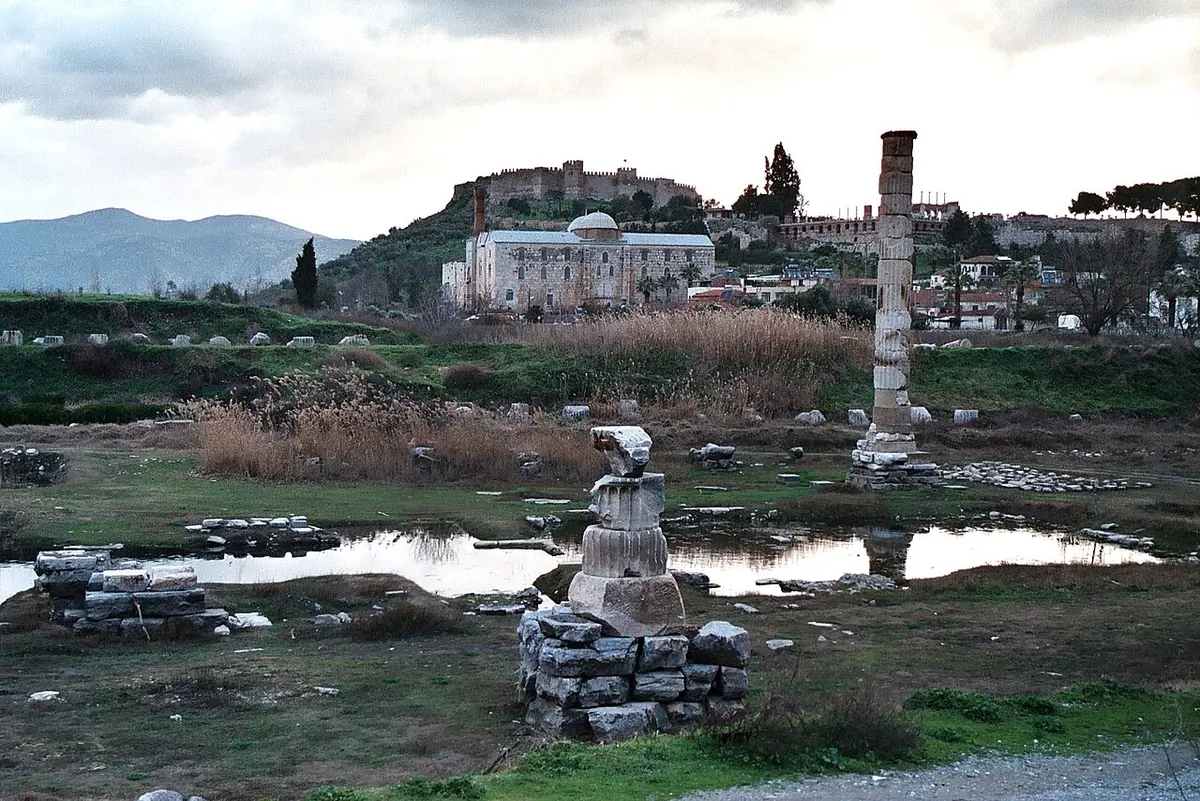
Baring-Gould notes that the acts "do not state further as to where he suffered than that it was in Asia Minor." One passage mentions Diana as the great goddess of the city. Cardinal Baronius took this as a pointer to Ephesus, home of the famous Temple of Artemis (the Greek name of Diana), and wrote Ephesus into the Roman Martyrology. It is a reasonable guess, and we treat it as one.
Miracles and legends
No miracles are told of St. Maximus, and no legends grew around him. His acts contain only the questions, the answers and the sentence. That plainness is the reason historians trust them. The account of his trial and death is traditional in the sense that it comes down to us through these acts, not through a formal process.
Two saints named Maximus
Searches for "St. Maximus of Rome" also turn up a different martyr. In the story of St. Cecilia, her husband Valerian and his brother Tiburtius were beheaded at Rome for the faith. Maximus, an official of the prefect, was so moved by their courage that he believed in Christ and was beaten to death with leaded whips. The Roman Martyrology keeps those three on April 14. He is a separate saint from the merchant of the Decian persecution.
Symbols of St. Maximus in art
No old painting or icon of this Maximus is known to survive, and he has no fixed type in art. When he is shown, artists use the signs of his trial and death:
- The martyr's palm: the sign of victory over death given to every martyr.
- Stones: the means of his death, held in his hand or lying at his feet.
- A merchant's tunic and cloak: the dress of his trade, which he named at his trial.
- The rack or rods: the tortures he endured first, shown rarely.
Our portrait and scenes on this page are modern illustrations made in a classic style.
Feast day and prayer
The Roman Martyrology lists him on April 30. Eastern calendars remember him on May 14, and some old Latin martyrologies on September 28. No relics or shrine of his are known. See the other saints of spring on our feast days page.
There is no traditional prayer to St. Maximus. We can ask his help in our own words, especially for Christians who must choose between their work and their faith, and for those who are persecuted today. Let us pray with him for the grace he showed before the proconsul: to say simply, when we are asked, that we belong to Christ.
Frequently asked questions
Was St. Maximus of Rome really from Rome?
Probably not. His short acts say only that he was tried and killed in Asia, meaning the Roman province in Asia Minor. Cardinal Baronius placed the martyrdom at Ephesus because the acts mention the goddess Diana, and the Roman Martyrology follows him. The name "of Rome" seems to come from his being a martyr of the Roman Empire.
When is the feast day of St. Maximus the martyr?
April 30 in the Roman Martyrology. Eastern calendars remember him on May 14, and some old Latin martyrologies on September 28.
How did St. Maximus die?
After he refused to sacrifice to the gods, he was stretched on the rack and beaten with rods. When he still would not give way, the proconsul sentenced him to be stoned, and he was taken outside the city walls and killed.
Is he the same St. Maximus as in the story of St. Cecilia?
No. That Maximus was a Roman official who believed in Christ after watching Sts. Tiburtius and Valerian die, and was beaten to death himself. The Roman Martyrology remembers him on April 14.
Keep exploring
Sources
- S. Baring-Gould, The Lives of the Saints, vol. 4 (April), new edition 1914: S. Maximus, M. (April 30). His acts brief and genuine; only Asia Minor named; Baronius and Ephesus; Greek dates May 14 and March 6; Latin September 28; clubs, rack and stoning
- The Roman Martyrology (English edition, 1916), April 30 and April 14. April 30: "At Ephesus, St. Maximus, martyr, who was crowned in the persecution of Decius"; the Roman Maximus with Tiburtius and Valerian on April 14
- Thierry Ruinart, Acta primorum martyrum sincera et selecta (1689): Acta S. Maximi. The Latin acts of his trial before the proconsul Optimus, which Ruinart counted among the genuine records of the martyrs