St. Rafael Arnáiz Barón
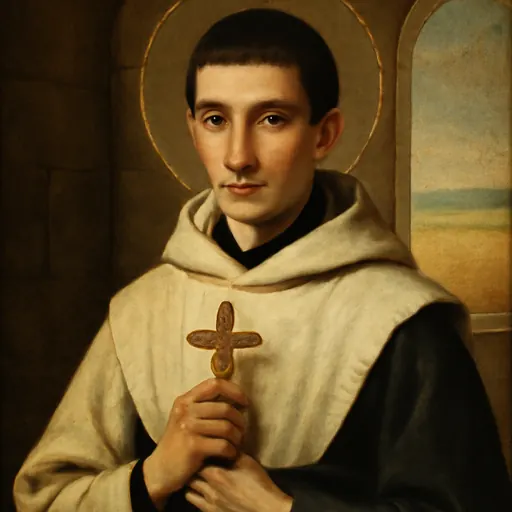
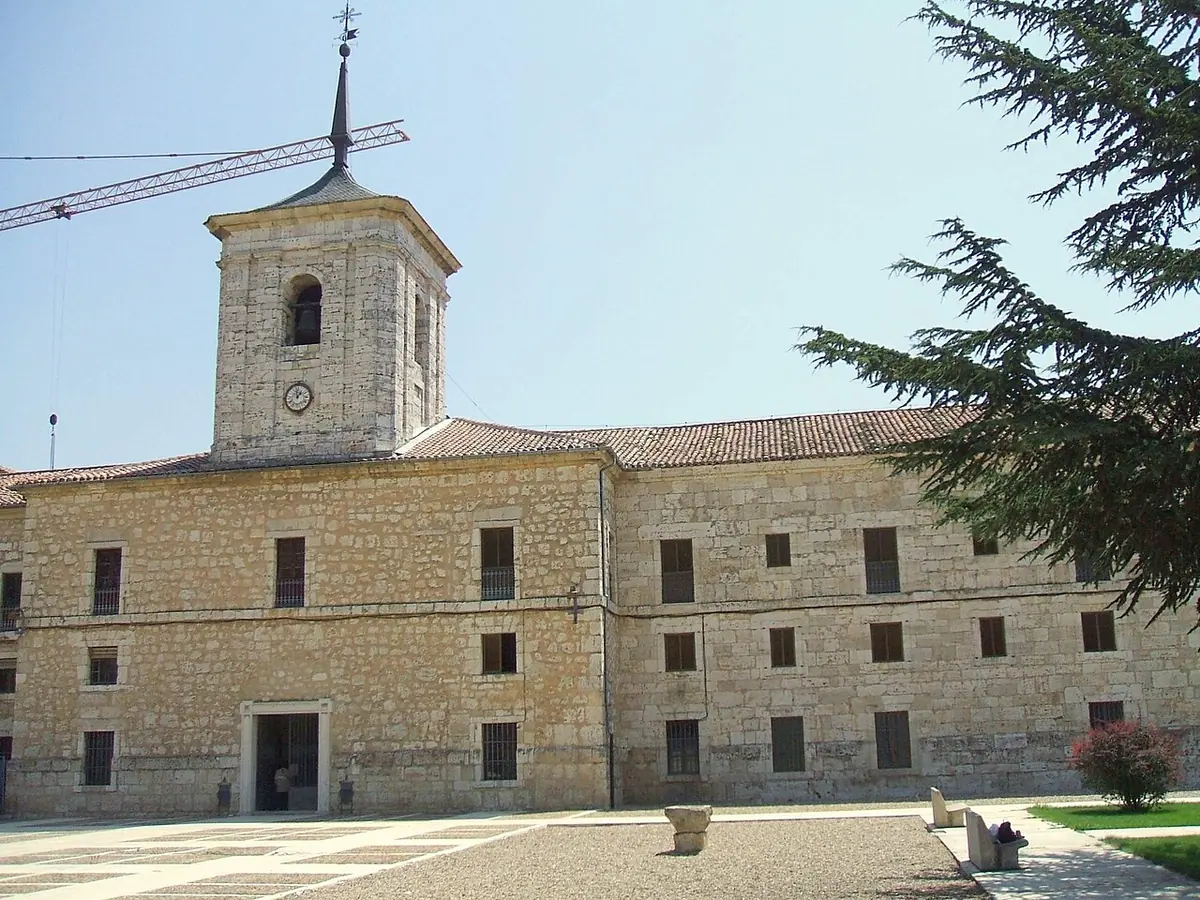
St. Rafael Arnáiz Barón (1911–1938) was a Spanish architecture student from Burgos who entered the Trappist abbey of San Isidro de Dueñas in 1934. Struck by severe diabetes, he had to leave and return several times, and he died there as an oblate at 27. Pope Benedict XVI canonized him in 2009, and his memorial falls on April 26 in the Roman Martyrology and April 27 among the Trappists.
Who was St. Rafael Arnáiz Barón?
St. Rafael Arnáiz Barón was a young Spaniard who gave up a promising life as an architecture student to become a Trappist at the abbey of San Isidro de Dueñas, near Palencia. Within months of entering he fell ill with severe diabetes. He left and returned several times, could never take vows, and died in the monastery infirmary on April 26, 1938, at 27, as an oblate in the last place of the community.
In those four years he went, in Pope Benedict XVI's words, from realizing that "he did not know how to pray" to "the peak of spiritual life." His letters and notebooks are read across Spain, and the Church holds him up especially to young people. Pope Benedict XVI canonized him on October 11, 2009, at the same Mass as St. Damien of Molokai and St. Jeanne Jugan.

The life of St. Rafael Arnáiz Barón
A happy boy from Burgos
Rafael was born in Burgos on April 9, 1911, the eldest of four children in a well-to-do Christian family. He went to Jesuit schools. The Vatican's biography describes a boy with a feeling for both spiritual things and art, joyful, humorous and humble. Bouts of fever and pleurisy interrupted his schooling. When he recovered, his father took him to Zaragoza and consecrated him to Our Lady of the Pillar. The family moved to Oviedo, where he finished secondary school.
Madrid, and a monastery in Castile
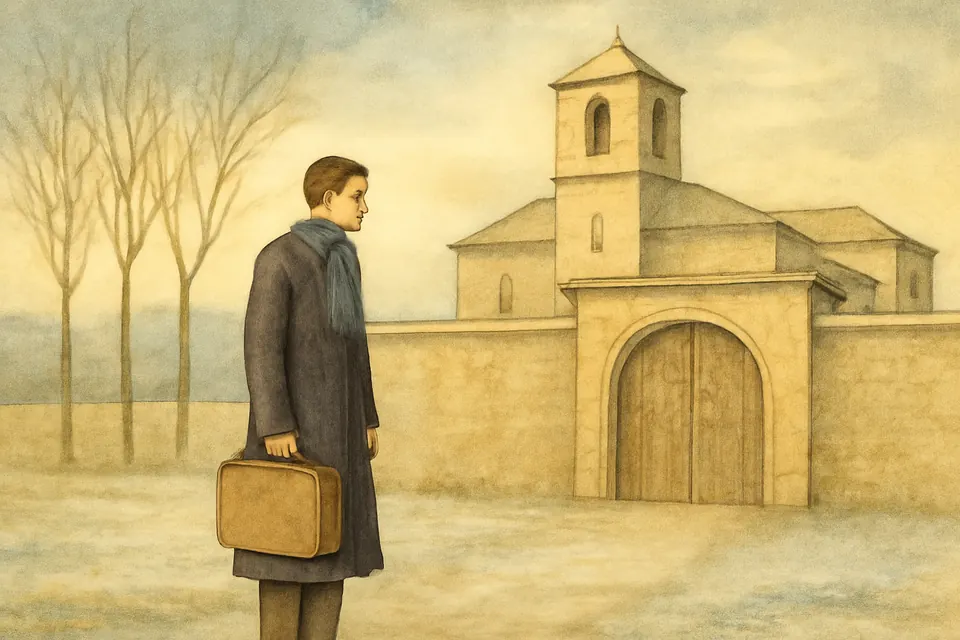
In 1930 he began to study architecture in Madrid. That same year his faith deepened. Over a summer holiday near Ávila, his uncle and aunt, the Duke and Duchess of Maqueda, introduced him to the Trappist monastery of San Isidro de Dueñas, and its beauty and prayer drew him.
He was called up for military service and declared unfit. He left his studies and entered San Isidro on January 16, 1934, at 23. He said the choice was not born of suffering or disappointment but from God, who "in his infinite goodness" had given him far more in life than he deserved.
Illness, leaving and coming back
Four months later, after a hard Lent, he was struck by a severe form of diabetes mellitus and had to go home for treatment. Between 1935 and 1937 he went back and forth between his family and the monastery again and again, through the years of the Spanish Civil War. Each time he chose to return.
Canon law at that time did not let a man in his condition take monastic vows. So on his last return he was received as an oblate, taking the last place and living on the edge of the community. The Vatican's biography lists what he lived through: illness, war, the inability to make his vows, awkward relations in the community. Humiliation, it says, was his constant companion. He died in the infirmary on April 26, 1938, after a final attack of the disease.
His words
Rafael wrote many letters, above all to his mother, who gathered them into a book after his death, and to his uncle and aunt. At his canonization Pope Benedict XVI quoted him: "A life of love.... This is the only reason for living." And one of his last prayers: "Take me to yourself and give yourself to the world."
The Trappists read a passage from his writings on his memorial. It begins:
I see, brother, that your way is a simple life.
God requires no more than that we be simple from without and love from within.
The miracles of St. Rafael Arnáiz Barón
Approved: the miracle accepted for his canonization was the healing of Begoña León Alonso, a woman from Madrid who developed HELLP syndrome during pregnancy and fell into a coma after doctors operated to save her child. A nun of the Cistercian convent of San Bernardo in Burgos heard of her case, and the community prayed a novena to Blessed Rafael. From then on she improved until she recovered completely. Pope Benedict XVI approved the miracle in 2008.
Reported: the Vatican's biography says his grave at San Isidro quickly became a place of pilgrimage "where many favours were received."
Why St. Rafael is honored by young people
He has no formal patronage. On August 19, 1989, at World Youth Day in Santiago de Compostela, Pope John Paul II proposed him as a model for young people, and he beatified him in Rome on September 27, 1992. Pope Benedict XVI said he offers an attractive path "especially for young people who are not content with little." Many who are discerning a vocation, or living with a long illness, ask his prayers.
Symbols of St. Rafael Arnáiz Barón in art
He is a modern saint, and his images are taken from his photographs. Look for:
- The Trappist habit: the white cowl and black scapular of the Cistercians of the Strict Observance.
- A young, thin face, often smiling: he died at 27, worn down by diabetes.
- A crucifix: he spoke of loving the Cross above all.
- Letters or a notebook: his writings are how most people come to know him.
Feast day and shrine
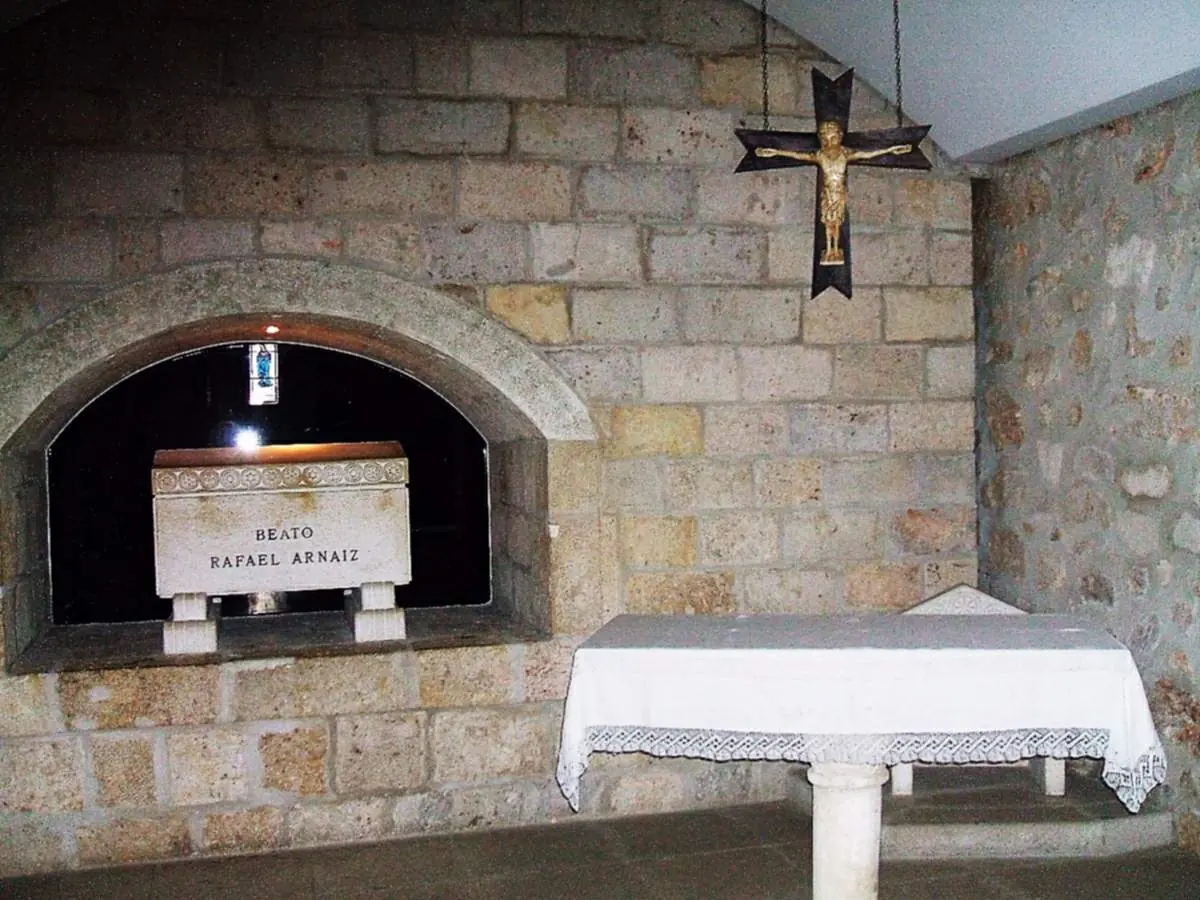
The Roman Martyrology lists him on April 26, and the Trappists keep his memorial on April 27. He was buried in the monastery cemetery and later moved into the abbey church of San Isidro de Dueñas, where pilgrims pray at his tomb. See our feast days page for other saints of April.
Prayer to St. Rafael Arnáiz Barón
The Trappists pray this collect, approved by the Congregation for Divine Worship, on his memorial:
God our Father, you made Blessed Raphael an outstanding disciple in the knowledge of the cross of Christ. By his example and intercession may we love you above all things, and, with hearts filled with love, hasten along the way of the cross and so attain the paschal joy. We ask this through our Lord Jesus Christ.
Let us also make his last prayer our own: "Take me to yourself and give yourself to the world." St. Rafael, pray for us, for the sick, and for all young people seeking God.
Frequently asked questions
When is the feast day of St. Rafael Arnáiz Barón?
The Roman Martyrology lists him on April 26, the day he died in 1938. The Trappists keep his memorial on April 27.
What miracle led to the canonization of St. Rafael Arnáiz Barón?
The Church approved the healing of Begoña León Alonso, a woman from Madrid who suffered HELLP syndrome in pregnancy and fell into a coma after surgery to save her child. Cistercian nuns in Burgos prayed a novena to Blessed Rafael for her, and she recovered completely. The miracle was approved in 2008, and he was canonized on October 11, 2009.
Why was St. Rafael an oblate and not a Trappist monk?
Severe diabetes forced him to leave the monastery several times. Under the canon law of the day, a man in his state of health could not take monastic vows, so on his last return he was received as an oblate and lived on the edge of the community.
What did St. Rafael Arnáiz Barón write?
Letters, especially to his mother and to his uncle and aunt, and spiritual notebooks. His mother gathered his letters into a book after his death. His collected works are published in Spanish as the Obras Completas.
Keep exploring
Sources
- Vatican: St Rafael Arnáiz Barón (1911-1938), Biography. His family, studies, entry on January 16, 1934, illness, life as an oblate, death in the infirmary and burial; John Paul II at Santiago in 1989
- Benedict XVI, Homily for the canonization of five new saints, October 11, 2009. The quotations "A life of love.... This is the only reason for living" and "Take me to yourself and give yourself to the world"
- Dicastery for the Causes of Saints: Rafael Arnáiz Barón. Beatification and canonization dates and the consecration to Our Lady of the Pillar
- OCSO: 26 April (27 April for OCSO monasteries), Saint Raphael Arnáiz Barón, Cistercian Oblate, liturgical texts. The Trappist date, the approved collect, and the reading on simplicity of heart from his writings
- Catholic News Agency: Young Trappist monk one step away from canonization (2008). The healing of Begoña León Alonso and the novena of the nuns of San Bernardo in Burgos