St. Vincenza Maria Poloni, Foundress of the Sisters of Mercy of Verona
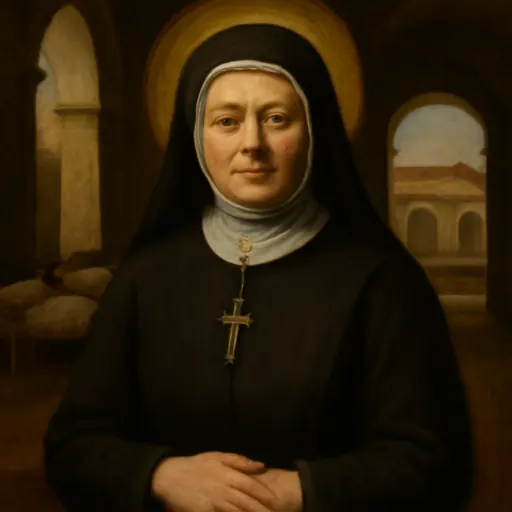
St. Vincenza Maria Poloni (1802–1855), born Luigia Poloni in Verona, founded the Institute of the Sisters of Mercy of Verona to care for the sick, the old and orphans. She nursed the sick through the cholera of 1836. She was canonized by Pope Leo XIV on October 19, 2025, and we keep her feast on November 11.
Who was St. Vincenza Maria Poloni?
St. Vincenza Maria Poloni was a woman of Verona who founded the Institute of the Sisters of Mercy to look after the sick, the old and orphans. Born Luigia Poloni in 1802, the daughter of a pharmacist, she nursed the sick through the cholera epidemic of 1836, gathered her first companions in Verona's poorhouse in 1840, and taught them to serve the poor as they would serve Jesus Christ himself. She was beatified in 2008, and on October 19, 2025, Pope Leo XIV declared her a saint. Many people still search for her as Blessed Vincenza Maria Poloni. We keep her feast on November 11.
The life of Vincenza Maria Poloni
The pharmacist's youngest daughter
Luigia Francesca Maria Poloni was born in Verona on January 26, 1802, and baptized the same day. She was the last of the twelve children of Gaetano Poloni, a pharmacist and grocer, and Margherita Biadego, who came from a family of notaries. She grew up in a deeply Christian home and from her youth paid special attention to the poor and the needy.
When her father died in 1822, Luigia took on much of the running of the family and its business, and she proved to be a capable manager. Her spiritual director was the priest Blessed Carlo Steeb, a convert from Lutheranism who had given his life to the sick of Verona's hospitals. He helped her find her calling and drew her more and more into works of charity.
The cholera of 1836
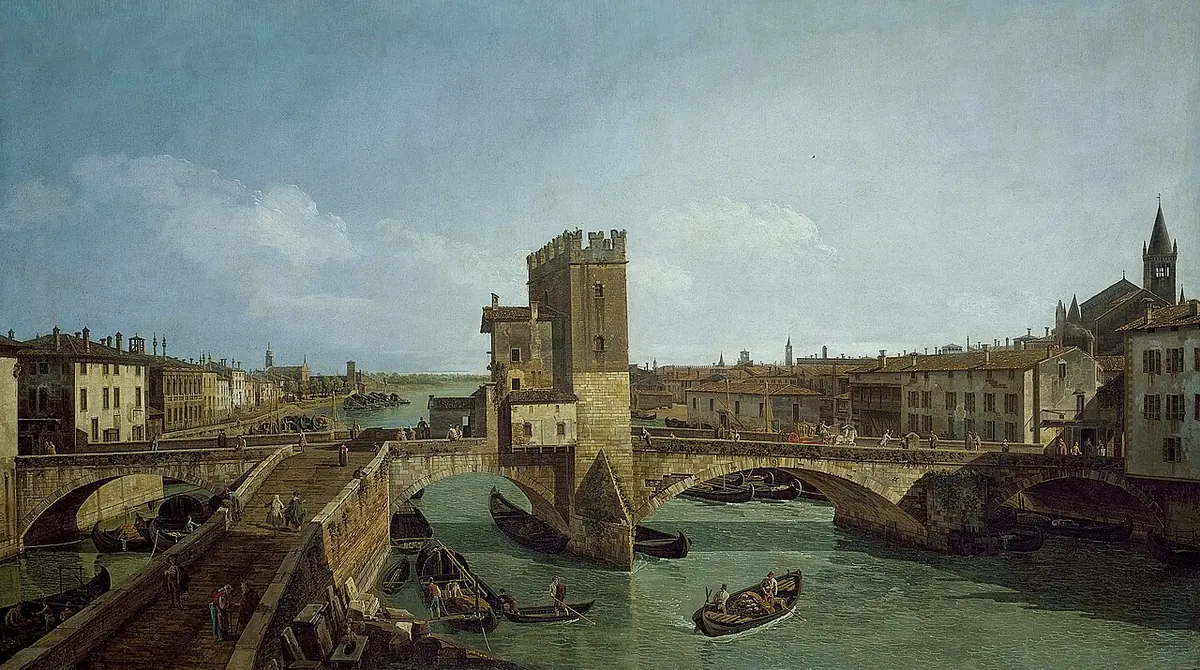
In 1836 cholera swept through Verona. Luigia threw herself into nursing the sick with what the Church calls heroic devotion. The Dicastery for the Causes of Saints says this heroic service confirmed her call to a life given entirely to others.
The Sisters of Mercy
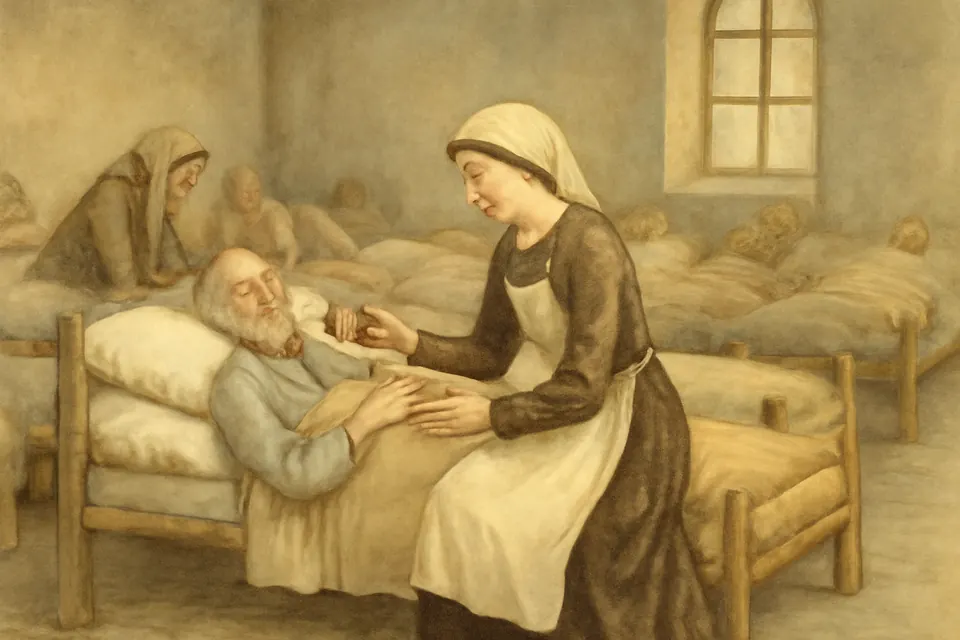
In 1840 Luigia and three companions moved into the Pio Ricovero, Verona's poorhouse for the old and destitute, and began the community that became the Institute of the Sisters of Mercy. They followed the spirit and rules of St. Vincent de Paul. In 1848, with the approval of the Bishop of Verona, she made her vows and took the name Vincenza Maria.
Two sayings of hers sum up what she asked of her sisters. "The poor are our masters: let us love them and serve them as we would serve Jesus Christ himself in person." And the motto of the institute: "To serve Christ in the poor." She wanted tenderness toward the suffering, patience in trouble and honesty in everything, and she prayed much before the Eucharist and to the Sacred Heart of Jesus and the Virgin Mary. The quotations here are our translations of the Italian.
The community grew quickly and became known throughout Verona for its care of the old, the sick and the poor, and for the education of girls.
Her last years
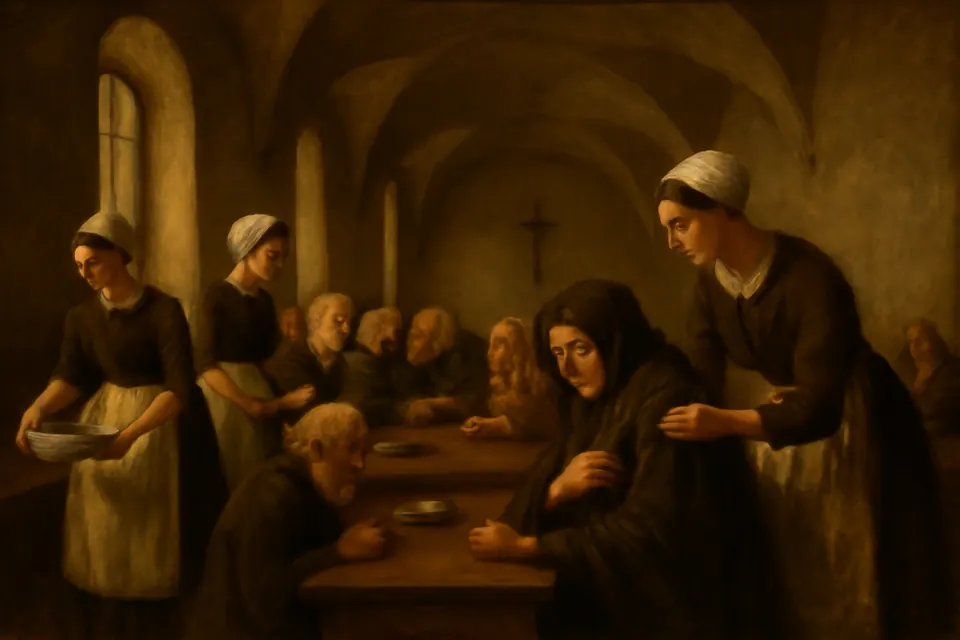
In her last years Mother Vincenza suffered a painful illness. She kept leading the institute and offered her pain in union with Christ crucified. Before she died, she left her sisters one charge: keep charity alive as the foundation of the institute, because that would be the key to its future. She died on November 11, 1855.
She was buried in the bare earth of the city cemetery of Verona. Later her remains were moved, with those of many of her sisters, into a common grave, so that they can no longer be told apart.
The miracles of St. Vincenza Maria Poloni
The Church approved two healings through her intercession:
- Approved (beatification): a sister of her own institute, who between 1937 and 1939 had undergone several operations for breast cancer with no success, was found healed one morning after the sisters had prayed to their foundress. The Dicastery's medical board declared in 2006 that the healing from advanced breast cancer, which had spread through her body, was rapid, complete, lasting and medically unexplained. Pope Benedict XVI approved the miracle on December 17, 2007, and she was beatified in Verona on September 21, 2008.
- Approved (canonization): in Chile, a woman whose aorta was torn during gallbladder surgery in December 2013 suffered hemorrhagic shock, kidney failure and a series of deadly complications. Her grandson asked Blessed Vincenza Maria's help, and many people prayed before her image on the house of the Sisters of Mercy at Quilleco. She left the hospital on January 31, 2014, fully recovered. Pope Francis approved the miracle, and Pope Leo XIV canonized her on October 19, 2025.
Symbols of St. Vincenza Maria Poloni in art
Images of Mother Vincenza are devotional portraits rather than famous works of art. Look for:
- The black habit and veil of the Sisters of Mercy of Verona, with a white cap;
- A sick or elderly person in her care, for the work of her institute;
- A crucifix, for the sufferings she offered with Christ;
- Sometimes the Sacred Heart, to which she was devoted.
Feast day and prayer
We keep the feast of St. Vincenza Maria Poloni on November 11, the day of her death. See the feast day calendar.
We know of no traditional English prayer to her that we can quote. In his canonization homily Pope Leo XIV named her among the "charismatic foundresses" and asked that the new saints' intercession help us in our trials. Let us ask St. Vincenza Maria to pray for the sick, the elderly who live alone, nurses and caregivers, and all who serve Christ in the poor. St. Vincenza Maria Poloni, pray for us.
Frequently asked questions
Who was St. Vincenza Maria Poloni?
Luigia Francesca Maria Poloni, born in Verona on January 26, 1802, the youngest of twelve children of a pharmacist. Guided by Blessed Carlo Steeb, she gave her life to the sick and poor, and in 1840 began the community that became the Sisters of Mercy of Verona. She took the name Vincenza Maria at her vows in 1848 and died on November 11, 1855.
Is Vincenza Maria Poloni a saint or a blessed?
She is a saint. She was beatified in Verona on September 21, 2008, and Pope Leo XIV canonized her in St. Peter's Square on October 19, 2025, together with Bartolo Longo, Peter To Rot, José Gregorio Hernández and others.
What miracles are attributed to Vincenza Maria Poloni?
Two healings were approved. For her beatification, a sister of her institute was healed of advanced breast cancer that had spread after surgery. For her canonization, a woman in Chile recovered in 2014 from a torn aorta, hemorrhagic shock and multiple organ failure after many people prayed for her intercession.
Where is St. Vincenza Maria Poloni buried?
She was buried in the bare earth of the city cemetery of Verona. Her remains were later placed in a common grave with those of many of her sisters, so they can no longer be identified.
Keep exploring
Sources
- Dicastery for the Causes of Saints: Vincenza Maria Poloni. Her birth, family, Blessed Carlo Steeb, the cholera of 1836, the Pio Ricovero in 1840, her vows in 1848, her sayings, her death and burial, the course of the cause, both approved miracles, the beatification of September 21, 2008, and the canonization homily of Pope Leo XIV, October 19, 2025