Blessed Francisco Palau y Quer, Carmelite Hermit and Apostle of the Church
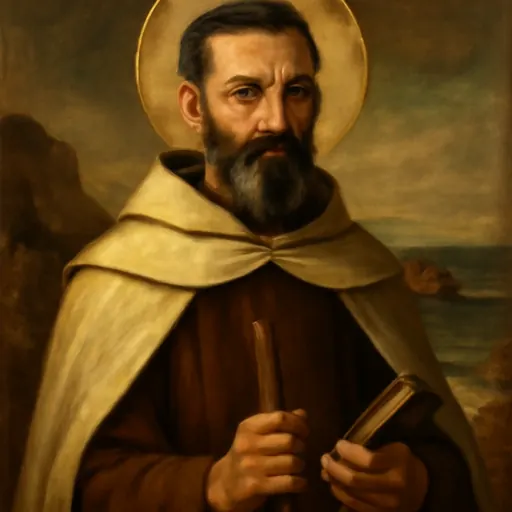
Blessed Francisco Palau y Quer (1811–1872) was a Spanish Discalced Carmelite friar from Aitona, Catalonia. Driven from his convent by persecution, he lived as a hermit in France and on the islet of Es Vedrà off Ibiza, preached across Catalonia and the Balearics, and founded the groups that became the Carmelite Missionary Sisters and the Teresian Carmelite Missionary Sisters. John Paul II beatified him on April 24, 1988. His feast is November 7.
Who was Blessed Francisco Palau?
Blessed Francisco Palau y Quer was a Carmelite who loved solitude and spent his life in the noise of a revolutionary century. Driven out of his convent as a young friar, he never stopped being a Carmelite. He prayed for years in caves in France and on a bare islet off Ibiza, preached missions and catechism to the people of Catalonia and the Balearic Islands, and founded the women's communities that became the Carmelite Missionary Sisters and the Teresian Carmelite Missionary Sisters. The center of it all, John Paul II said at his beatification, was his love for the Church.
The life of Blessed Francisco
A Carmelite without a convent
Francisco Palau was born in Aitona, in the province of Lleida, on December 29, 1811, to a humble farming family. He entered the seminary of Lleida in 1828, and in 1832, after three years of philosophy and a year of theology, he joined the Discalced Carmelites in Barcelona. He made his vows on November 15, 1833.
He did not have long in the cloister. In 1835 religious persecution, as John Paul II put it, forced him to leave the Carmelite convent of Barcelona. He was ordained a priest at Barbastro in 1836 anyway, and lived the rest of his life as a friar without a convent.

Exile and solitude in France
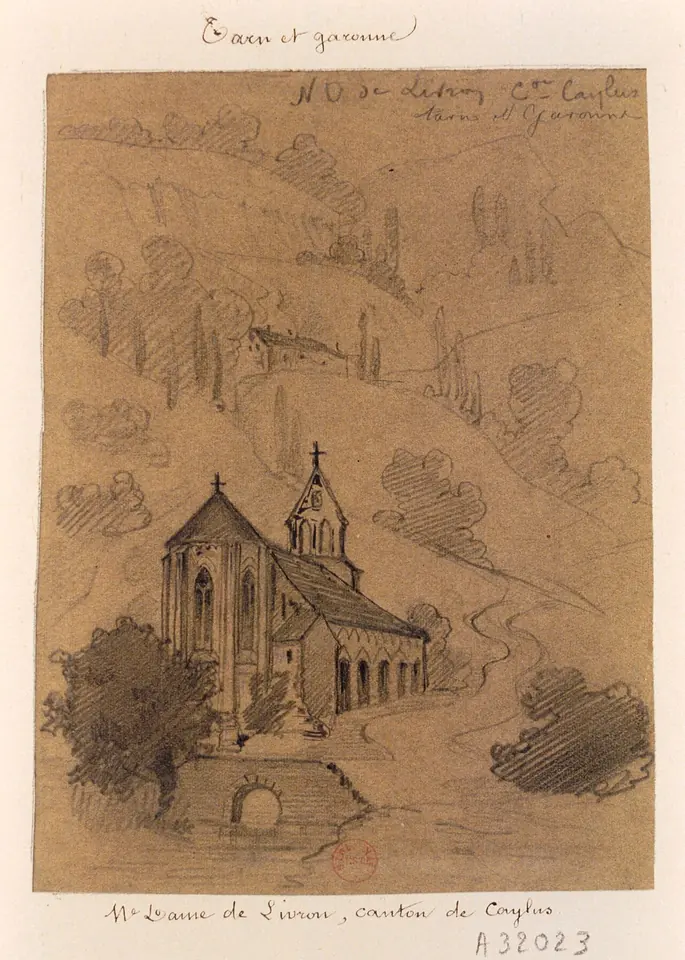
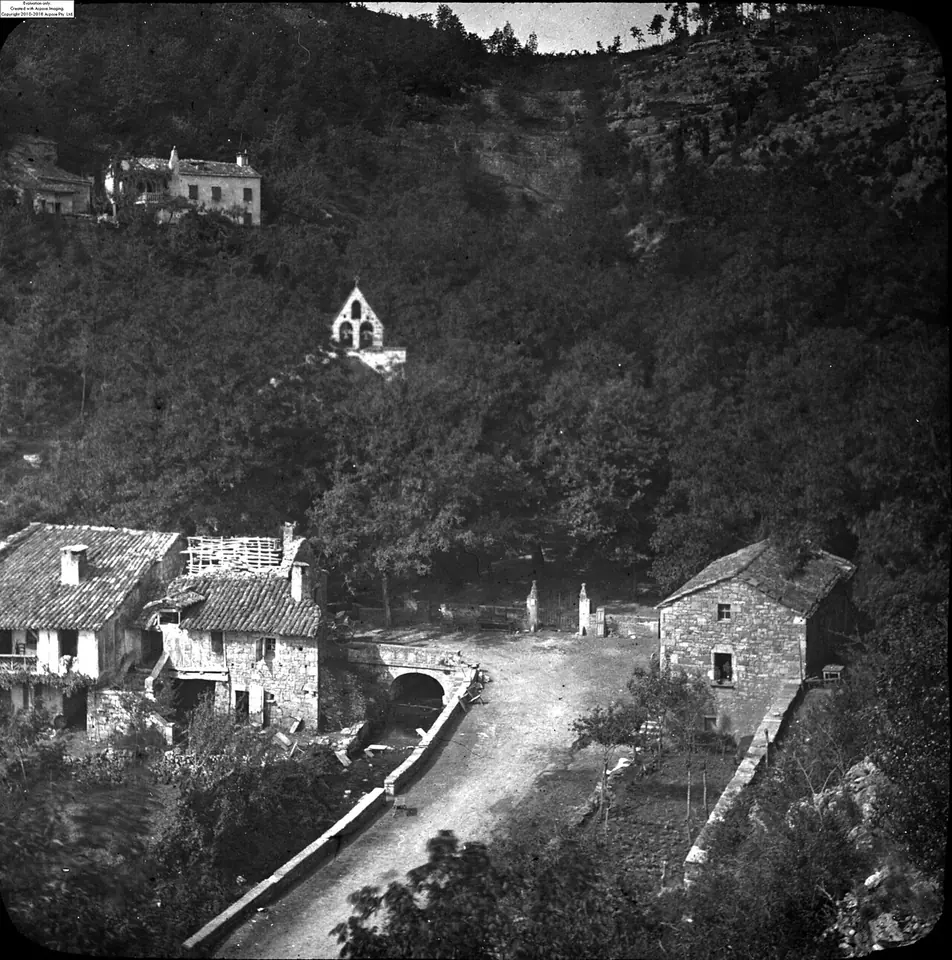
Political upheaval drove him into exile in France from 1840 to 1851. In 1843 he lived an intense solitary life near the sanctuary of Our Lady of Livron, in a wooded gorge near Caylus. The Carmelite curia describes him as a man who loved to be "among the caves and solitude of the mountains."
The School of Virtue
He returned to Spain in April 1851 and joined the clergy of Barcelona. That November he founded the "School of Virtue," a school of catechesis and Christian renewal for the people of Barcelona, which his sisters still count among his great works. The School was suppressed, and on April 9, 1854, Palau was confined to the island of Ibiza.

Es Vedrà and the mystery of the Church
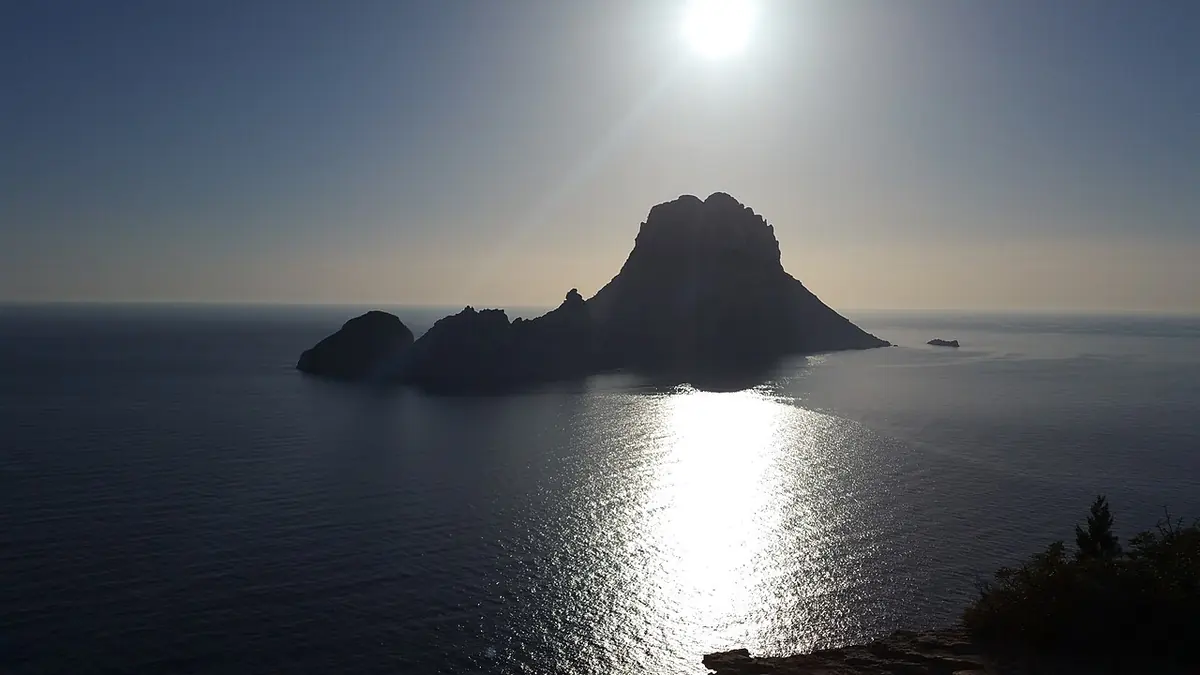
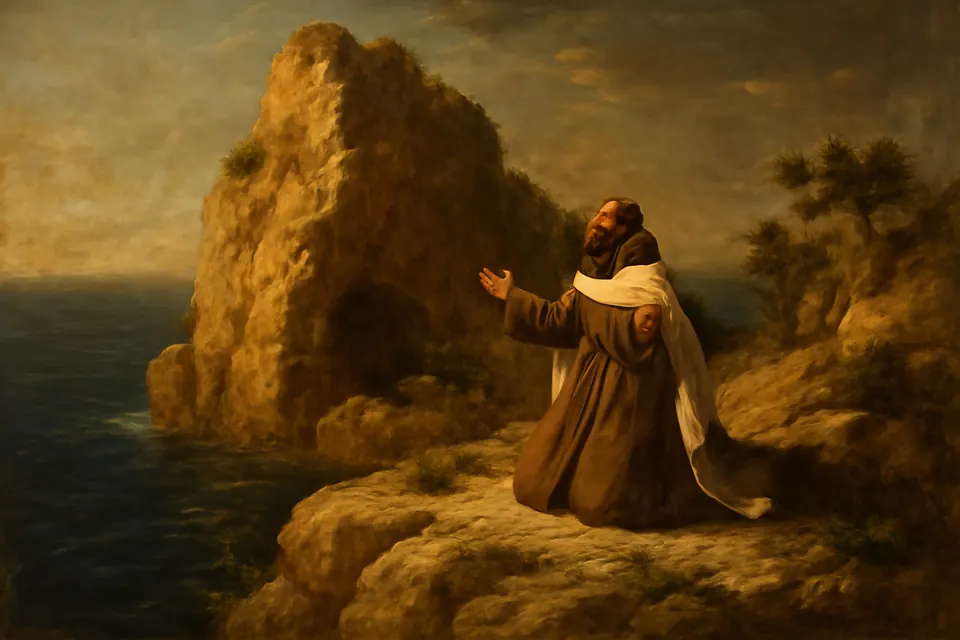
Ibiza became the place of his deepest discovery. He withdrew to pray on Es Vedrà, a steep, uninhabited rock rising from the sea off the island's southwest coast, and there, in the words of John Paul II, he contemplated in solitude "this mystery of communion which is the Mystical Body of Christ." He came to see the Church as a person he loved, a mother and a spouse, and wrote: "My mission is to proclaim to the peoples that you, Church, are infinitely beautiful and lovable, and to preach that they love you" (My Relations with the Church, 341; our translation from the Italian of the homily).
Founder and apostle
In the Balearic Islands, in 1860 and 1861, he began gathering groups of women who would live the Carmelite life and serve where charity was needed. They grew into the Carmelite Missionary Sisters and the Teresian Carmelite Missionary Sisters. He also founded brothers, a branch that no longer exists. He preached popular missions, wrote, edited a newspaper, and in his last years gave himself to a difficult ministry of prayer for the sick and for people tormented by evil. Early in 1872 he wrote and published the Rule and Constitutions of the Third Order of Discalced Carmelites. He died in Tarragona on March 20, 1872.
Beatification
John Paul II beatified Francisco Palau in Rome on April 24, 1988, with three other servants of God, presenting him as a good shepherd who made his priestly life "a generous offering to the Church." Favors attributed to his prayers since then remain reported graces until the Church examines one for a canonization.
Symbols of Blessed Francisco in art
- Brown habit and white mantle: the dress of the Discalced Carmelites.
- Hermit's staff: for his years of solitude near Livron and on Es Vedrà.
- Rocky islet and sea: Es Vedrà, the place of his contemplation of the Church.
- The Church as a beloved woman: in his writings he spoke to the Church as a tender mother and a pure spouse, the theme of his book My Relations with the Church.
Feast day and where he is honored
We keep his memorial on November 7. His remains are kept in Tarragona, in the motherhouse of the Carmelite Missionary Sisters on Estanislau Figueres, where the sisters also run a school. See others honored in November on our feast days page.
Praying with Blessed Francisco
We have not found a traditional English prayer to Blessed Francisco Palau, so we do not print one. Pray instead with his own words of self-offering, quoted by John Paul II: "On the day I was ordained a priest... I was handed over to you, Church, and from that day I no longer belong to myself; I am yours, and yours are my actions, all that I am and have" (our translation).
Let us ask Blessed Francisco Palau to pray for the Church he loved, for hermits and missionaries, and for all who are troubled in body and spirit.
Frequently asked questions
Who was Blessed Francisco Palau?
A Discalced Carmelite friar born in Aitona in 1811 and ordained at Barbastro in 1836. Expelled from his convent, he spent years in exile and solitude, founded the School of Virtue in Barcelona and two congregations of Carmelite missionary sisters, and died in Tarragona on March 20, 1872.
When is the feast of Blessed Francisco Palau?
November 7, an optional memorial in the Carmelite calendar for Spain.
What is Francisco Palau's connection to Es Vedrà?
While confined to Ibiza from 1854, he withdrew to pray in solitude on the rocky islet of Es Vedrà. There, his family says, he lived the mystery of the Church, which became the center of his spirituality.
Where is Francisco Palau buried?
In Tarragona, in the motherhouse of the Carmelite Missionary Sisters on Estanislau Figueres, which keeps his remains.
Keep exploring
Sources
- John Paul II, Homily for the beatification of four Servants of God, 24 April 1988 (Italian), Vatican. His love for the Church, the quotations from Mis relaciones con la Iglesia, his solitude on Ibiza, and the two congregations (our translations)
- Bl. Francis Palau y Quer, OCD, Priest, O.Carm. General Curia. Feast of November 7, seminary of Lleida in 1828, entry in 1832, ordination at Barbastro in 1836, France 1840–1851, and the founding of 1860–1861
- Fundador, Padre Palau, Carmelitas Misioneras. Profession on November 15, 1833, solitude near Our Lady of Livron in 1843, the School of Virtue, confinement to Ibiza on April 9, 1854, and the 1872 Rules
- Las Carmelites cumplen 150 años en Tarragona, Diari de Tarragona, March 19, 2021. The motherhouse in Tarragona that keeps his remains