Blessed Barbara Maix
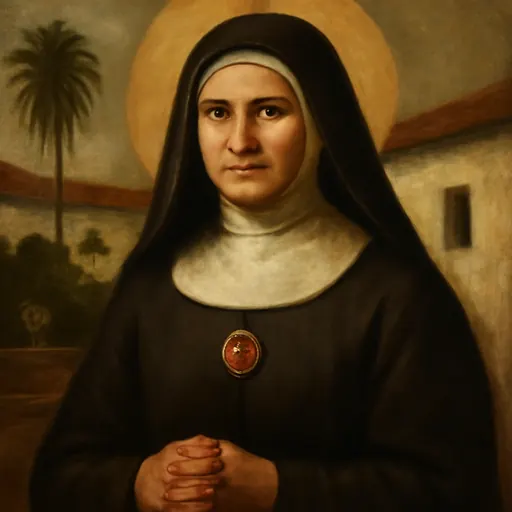
Blessed Barbara Maix (1818–1873) was a poor young woman of Vienna who founded the Congregation of the Sisters of the Immaculate Heart of Mary. She and 21 companions sailed for Brazil in 1848, where they served orphans, the sick and the poor. She was beatified at Porto Alegre in 2010. Her memorial is November 6.
Who was Blessed Barbara Maix?
Blessed Barbara Maix was a poor girl from Vienna who founded a congregation of sisters and then, when her own country would not let it exist, took it across the Atlantic to Brazil. There the Sisters of the Immaculate Heart of Mary opened schools and orphanages and nursed the sick through epidemics and wars. She took the religious name Maria Barbara of the Most Holy Trinity.
She trusted Providence to a remarkable degree. "God will find ways and means," she said. "Let us leave Him to do it calmly." The Church keeps her memorial on November 6, the day she was beatified at Porto Alegre in 2010.
Childhood in Vienna
Barbara Maix was born in Vienna on June 27, 1818. The biography published by the Dicastery for the Causes of Saints says her family was very poor and that typhus and hunger struck it again and again. By about fifteen she had lost both her parents.
She knew what it was to be young, female and without support in a big city. In 1843, seeing how many young working women had no work and no safe place to live, she opened a home for them, guided by a Redemptorist priest, Fr. Pöckl. From that work grew the community of women that became the Sisters of the Immaculate Heart of Mary.
Exile to Brazil
Austrian law at the time made new religious foundations nearly impossible, and the year 1848 brought revolution. Barbara and 21 companions decided to leave and planned to sail for North America. They waited about thirty days in the port of Hamburg, but no ship for North America came. A ship for Brazil did. Barbara, then thirty years old, saw in it the will of Providence, and they boarded. It was the kind of turn her whole life would take: plans laid down, and something unplanned accepted in faith.
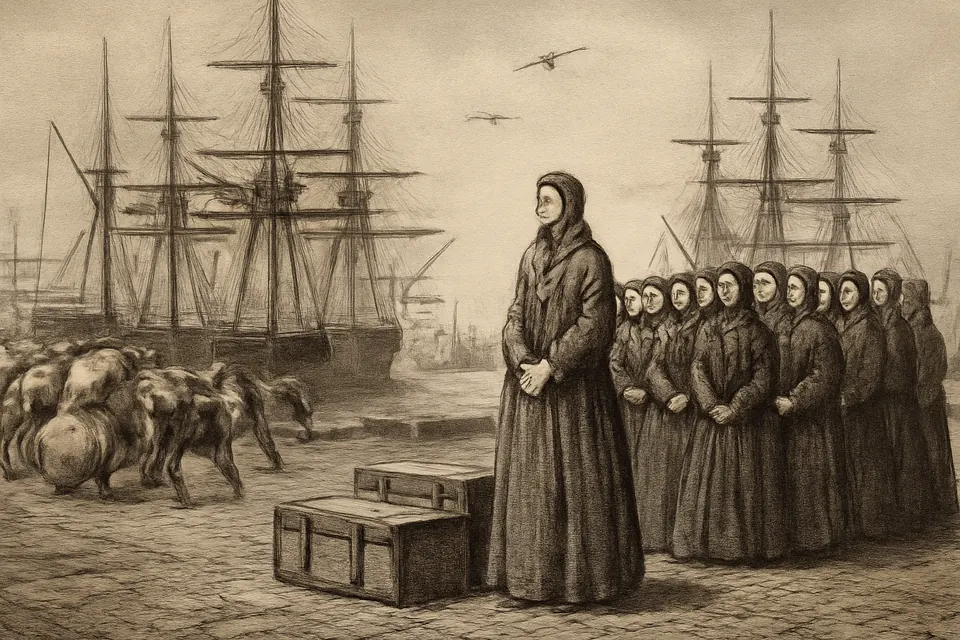
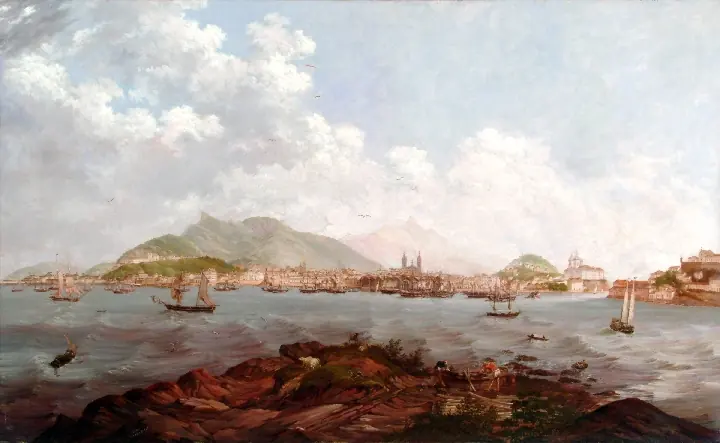
After some 52 days at sea they reached Rio de Janeiro. The bishop lodged them with the Conceptionist nuns. On May 8, 1849, Barbara and a companion made their religious vows in the bishop's hands, and the Congregation of the Sisters of the Immaculate Heart of Mary was born on Brazilian soil.
Building the congregation
In 1852 she went back to Vienna to bring twelve more sisters. On October 18, 1852, she met Pope Blessed Pius IX, who encouraged her to let the congregation grow. She returned to Brazil in 1854 and never left it again.
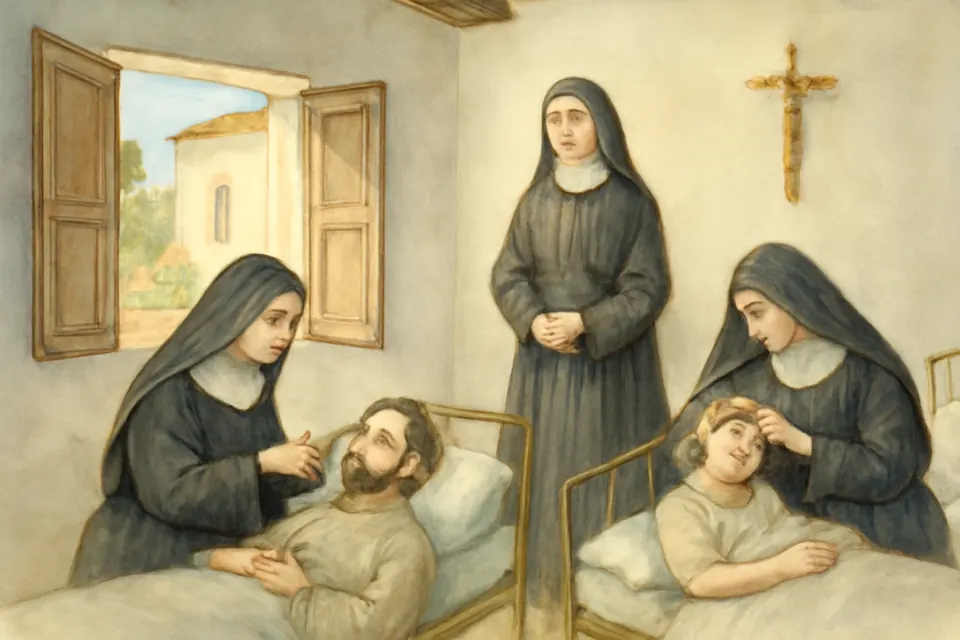
The sisters opened schools, orphanages and homes for young people, educated girls, and nursed the sick in epidemics and in times of war. Barbara's own spirit shows in a line from one of her letters: "Let us make the Heart of Mary a strongbox in which to put all our sorrows." She asked her daughters above all to forgive always and to love the truth.
Her death
She fell ill and died on March 17, 1873, at Catumbi, Rio de Janeiro, at fifty-four.
The miracle of Blessed Barbara Maix
- Approved: the healing of Onorino Ecker. In July 1944, in the Archdiocese of Porto Alegre, the four-year-old pulled on a chain holding a pot of boiling water and fell onto the embers. He reached the hospital about four hours later, badly burned and in a coma. Prayers were offered for Barbara Maix's intercession. On the seventh day he woke, and about fifteen days after he was admitted he went home healed, without visible scars or infection. Medical experts judged the cure scientifically inexplicable in November 2008.
Her cause moved carefully. The diocesan inquiry was held at Porto Alegre from June 19, 1993, to November 29, 1996. The decree on her heroic virtues, which made her Venerable, came on July 3, 2008, and the decree approving the miracle followed on March 27, 2010, after doctors and theologians had each studied the case. On November 6, 2010, in Porto Alegre, Cardinal Angelo Amato read the apostolic letter of Pope Benedict XVI declaring her Blessed.
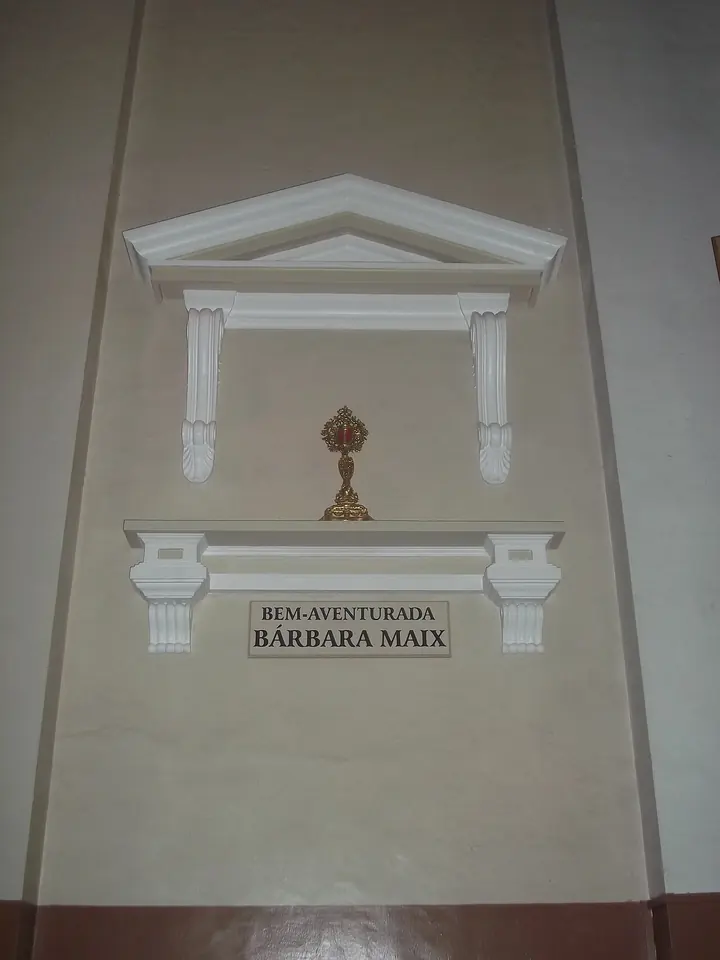
Symbols of Blessed Barbara Maix in art
Her images are modern. Look for:
- The dark habit and veil of her congregation;
- The Immaculate Heart of Mary, a heart crowned with roses or flames, the devotion that gave her sisters their name;
- Children and the sick, the people her sisters served.
Feast day and prayer
We keep the memorial of Blessed Barbara Maix on November 6. See the feast day calendar and our page on the Immaculate Heart of Mary.
There is no traditional prayer to her in wide use in English. Let us take her own words as a prayer of trust: God will find ways and means. And let us ask Blessed Barbara to pray for migrants and exiles, for young women alone in big cities, and for burned and injured children.
Frequently asked questions
Who was Blessed Barbara Maix?
An Austrian religious, born in Vienna in 1818, who founded the Congregation of the Sisters of the Immaculate Heart of Mary. In 1848 she took 21 companions to Brazil, where the congregation grew to run schools, orphanages and care for the sick. She died on March 17, 1873, in Catumbi, Rio de Janeiro.
What miracle led to her beatification?
The healing of Onorino Ecker, a four-year-old boy in the Archdiocese of Porto Alegre, who in July 1944 fell onto hot embers and was badly scalded by boiling water. He arrived at the hospital in a coma. After prayers to Barbara Maix he woke on the seventh day and left the hospital about two weeks later, healed without scars or infection.
When was Barbara Maix beatified?
On November 6, 2010, in Porto Alegre, Brazil. Cardinal Angelo Amato read the apostolic letter of Pope Benedict XVI and preached the homily.
When is her feast day?
November 6, the anniversary of her beatification. Some lists give March 17, the day she died.
Keep exploring
Sources
- Dicastery for the Causes of Saints: Maria Barbara della Santissima Trinità (Barbara Maix, 1818–1873). Her life, the voyage via Hamburg, the vows of May 8, 1849, the audience with Pius IX on October 18, 1852, her death, the 1944 healing of Onorino Ecker, the steps of her cause, the beatification of November 6, 2010, the November 6 memorial, and her words quoted here