St. Joseph Oriol, the "Doctor Bread and Water" of Barcelona

St. Joseph Oriol (1650–1702) was a priest of Barcelona who served at the church of Santa Maria del Pi, lived for years on bread and water, gave his income to the poor and was famous across the city for healing the sick. Barcelona called him "Doctor Bread and Water." Pius X canonized him in 1909, and we keep his feast on March 23.
Who was St. Joseph Oriol?
St. Joseph Oriol was a priest of Barcelona in the late 1600s, a man so poor by choice and so quick to pray over the sick that the whole city came to know him. He was born there on November 23, 1650, and died there on March 23, 1702. People called him "Doctor Pa i Aigua," Doctor Bread and Water, because he had earned a doctorate in theology and lived on almost nothing else. We keep his feast on March 23.
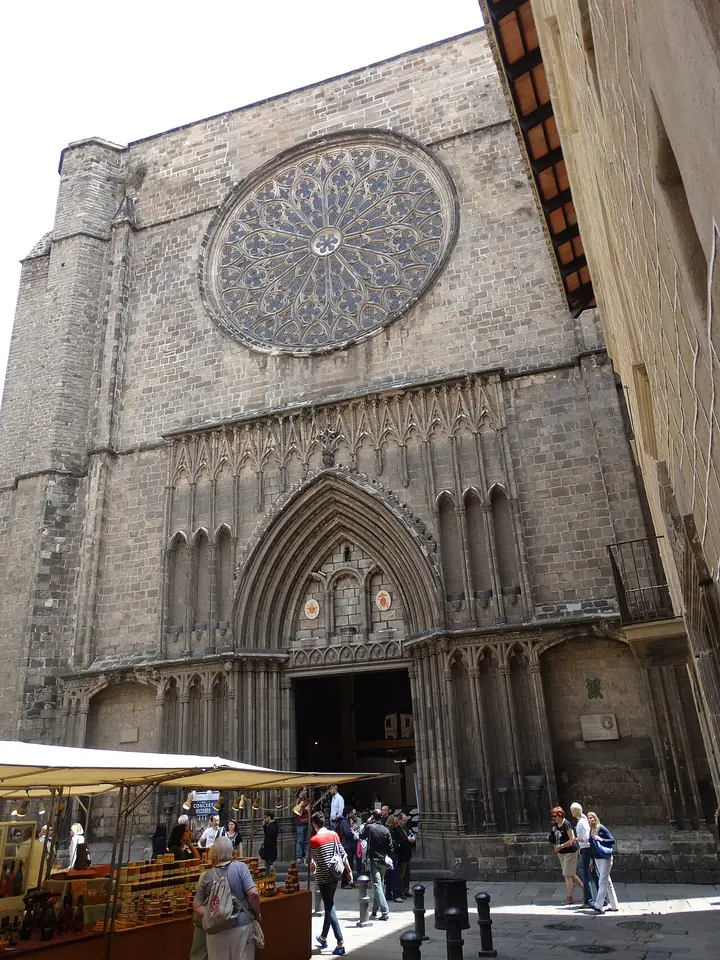
His life was spent almost entirely in one neighborhood. He grew up as an altar boy at the Gothic church of Santa Maria del Pi, served there as a priest for the last sixteen years of his life, and lies buried there today. The square beside the church is named Plaça de Sant Josep Oriol in his honor.
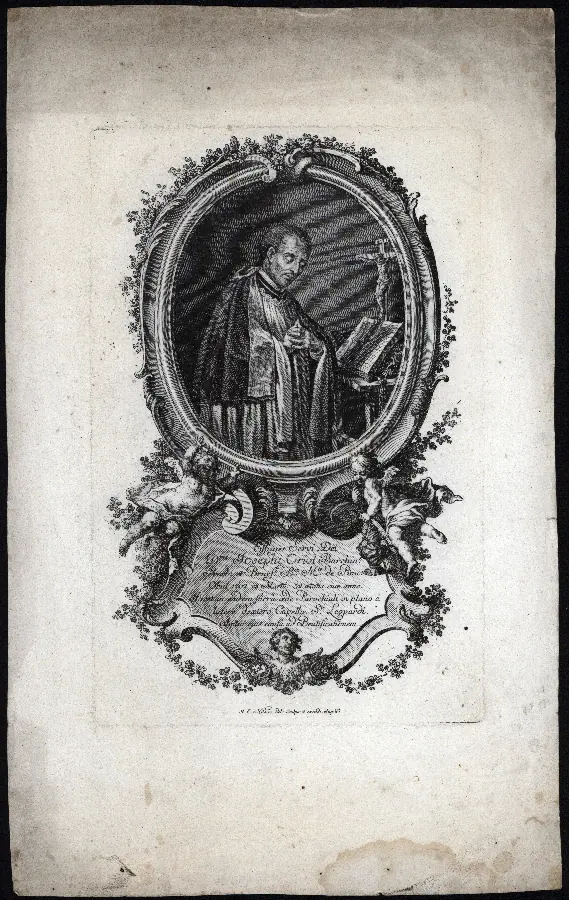
His early life and priesthood
His father, Joan, was a silk-velvet weaver who died when Joseph was about a year old. His mother, Gertrudis, married again, and her second husband, Domènec Pujolar, raised the boy as his own. According to the Gran Enciclopèdia Catalana, the clergy of the Pi saw promise in their altar boy and paid for his studies. He earned his doctorate in theology, tried without success for a chair in Hebrew in 1674, and was ordained a priest at Vic in 1676.
For about nine years he worked as a tutor to the children of a Barcelona family and served at the church of St. Philip Neri. In 1686 he walked to Rome as a pilgrim, begging his way. There Pope Innocent XI gave him a benefice at the altar of St. Leonard in Santa Maria del Pi, a small fixed income tied to that altar. He went home and stayed.
Bread, water and the poor
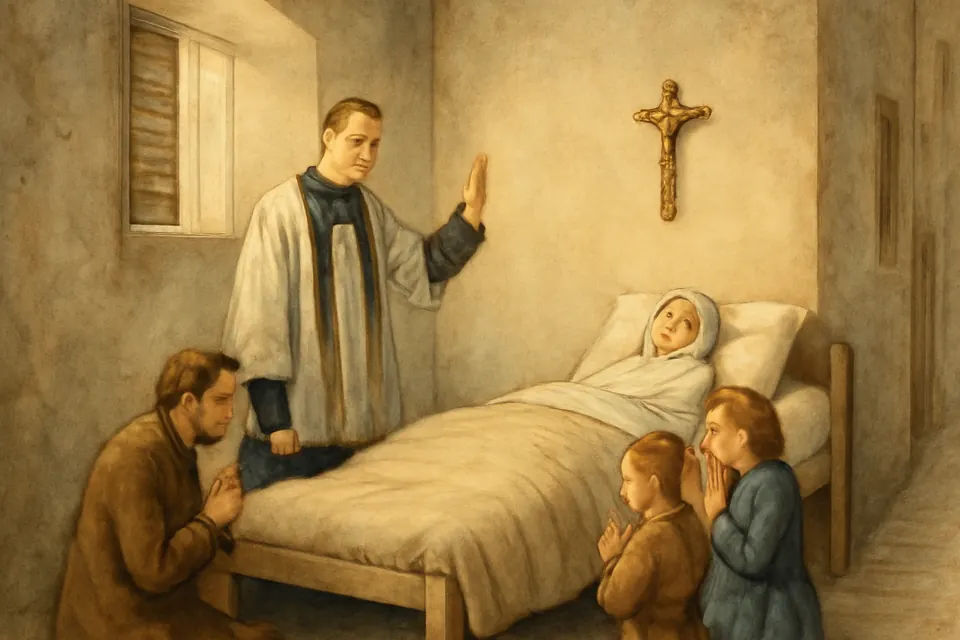
Joseph gave his income away to the needy and kept for himself a diet of bread and water. The Hong Kong diocesan paper, drawing on his biographers, says he kept this fast for some twenty-six years. He heard confessions for long hours and visited the sick in the poorest streets of the old city. The Roman Martyrology sums him up in one line: he "was remarkable for his love of poverty and his charity towards the needy and the infirm."
He longed to go further. In 1698 he set out for Rome to offer himself for the foreign missions, hoping, his biographers say, even for martyrdom. He fell ill on the road at Marseille and had to turn back. He took it as God's answer, went back to his altar at the Pi, and spent his last four years where he had always been.

The miracles of St. Joseph Oriol
- Reported: in his lifetime Barcelona credited him with many healings. The city's own culture office says he "became very popular all over the city for the miraculous healings attributed to him." The Roman Martyrology says he was "distinguished both in life and after death by the working of miracles."
- Approved: the Church examined miracles at his intercession for his beatification by Pope Pius VII on September 5, 1806, and for his canonization by Pope St. Pius X on May 20, 1909. The individual cases are not described in the sources we have checked, so we do not list them here.
He died on March 23, 1702. The Gran Enciclopèdia Catalana describes his funeral as a huge outpouring of popular devotion.
Symbols of St. Joseph Oriol in art
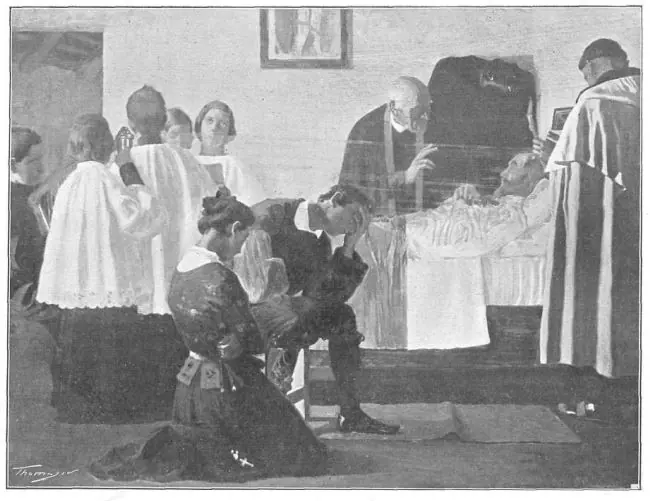
Joseph Oriol is shown as what he was: a Spanish priest of the late 1600s in a black cassock, often with a white surplice. He may hold a crucifix, kneel in prayer, or lay his hand on a sick person. Some images add bread and a jug of water for his long fast. Paintings of his deathbed, like Joan Llimona's, show the clergy and poor of Barcelona gathered around him.
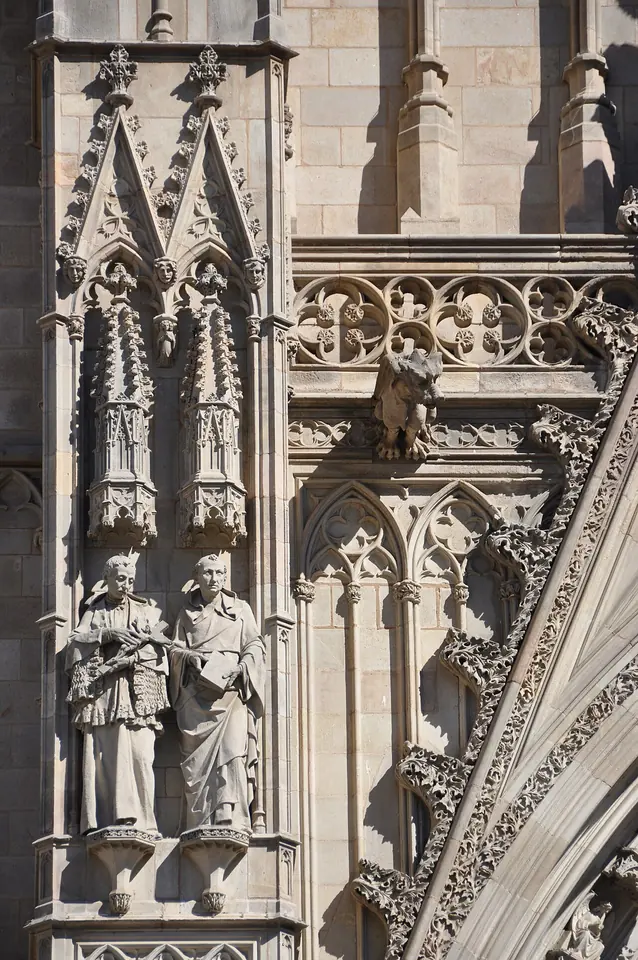
In Barcelona you will find him on the Gothic Revival facade of the cathedral, carved by Agapit Vallmitjana around 1890, standing beside his fellow Barcelona saint St. Raymond of Penyafort. The city's patroness, St. Eulalia, is honored inside the same cathedral.
Feast day and devotion in Barcelona
We keep his feast on March 23, the anniversary of his death. His body was first buried at St. Leonard's altar, the altar he had served, and was moved to an altar of its own in 1806 for his beatification. Every year around his feast the Associació del Retaule de Sant Josep Oriol stages a play of his life in Santa Maria del Pi, a tradition kept since 1997. It opens with a procession through the Gothic Quarter with Barcelona's festival giants, and ends with altar boys singing of his death.
Prayer to St. Joseph Oriol
We know of no traditional prayer to St. Joseph Oriol in the standard English prayer books. The faithful of Barcelona come to his tomb at the Pi to ask his help for the sick. Let us ask St. Joseph Oriol, who lived on bread and water so the poor could eat, to pray for all who are ill and for priests who serve in hidden places. St. Joseph Oriol, pray for us.
Frequently asked questions
Who was St. Joseph Oriol?
A priest of Barcelona, born in 1650, who held a benefice at the church of Santa Maria del Pi. He fasted on bread and water, gave away his income, and was sought out by the sick for his prayers. He died on March 23, 1702.
Why is he called "Doctor Bread and Water"?
He held a doctorate in theology and lived for years on little more than bread and water, giving his salary to the needy. The people of Barcelona joined the two facts in the nickname "Doctor Pa i Aigua."
When is the feast of St. Joseph Oriol?
March 23, the anniversary of his death. Barcelona marks it with Masses at Santa Maria del Pi and, since 1997, a street play of his life.
Where is St. Joseph Oriol buried?
In the Basilica of Santa Maria del Pi in Barcelona's Gothic Quarter, where his remains were moved to their own altar in 1806.
Keep exploring
Sources
- Gran Enciclopèdia Catalana: Josep Oriol. His family, ordination at Vic in 1676, the benefice from Innocent XI, the nickname, the illness of 1698, his burial and the 1806 translation
- The Roman Martyrology (1916 English edition), March 23. "Remarkable for his love of poverty and his charity towards the needy and the infirm"; miracles in life and after death
- Sunday Examiner (Diocese of Hong Kong): St. Joseph Oriol the Miracle Worker of Barcelona. Beatification on September 5, 1806, canonization on May 20, 1909, and the journey that ended in illness at Marseille
- Ajuntament de Barcelona, Cultura Popular: Sant Josep Oriol Tableau. The yearly play of his life at Santa Maria del Pi, staged since 1997