Blessed Christopher Wharton, Oxford Fellow and Martyr of York
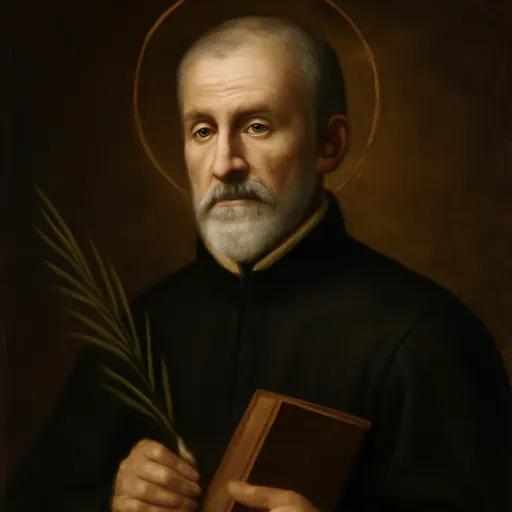
Blessed Christopher Wharton (born before 1546, died 1600) was a Yorkshireman and fellow of Trinity College, Oxford, who left the university for the Catholic faith, was ordained at Reims and served secretly as a priest in England. He was condemned at York and executed on March 28, 1600, and beatified in 1987. His feast is March 28.
Who was Blessed Christopher Wharton?
Blessed Christopher Wharton was an Oxford scholar who gave up a fellowship for the Catholic faith, became a priest, and died for it at York in 1600, when he was already an old man. He served in secret for years, was taken in the house of a widow who sheltered him, and refused every offer of life and liberty in exchange for conforming to the new religion. Pope John Paul II beatified him in 1987 among the 85 Martyrs of England and Wales.
The life of Blessed Christopher Wharton
The Oxford fellow
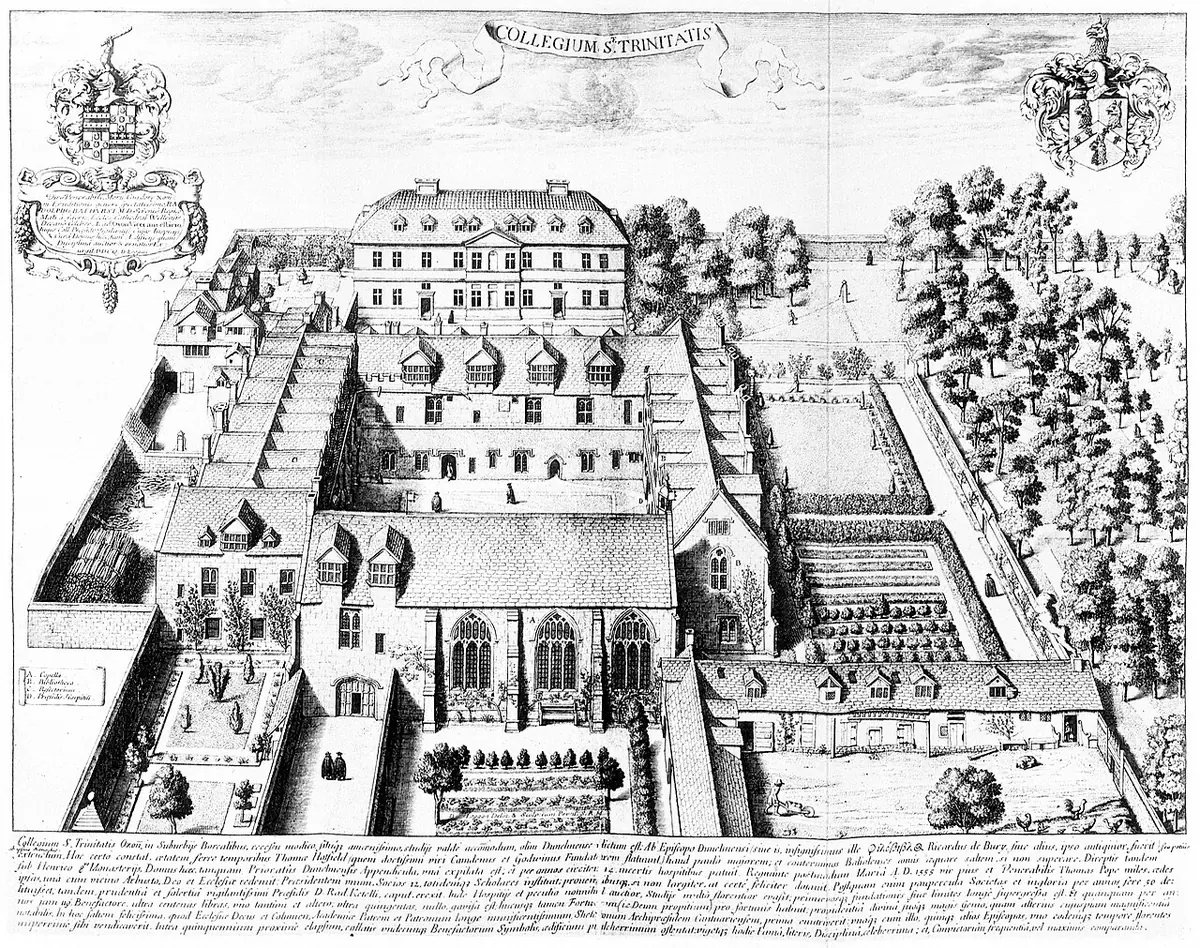
Christopher Wharton was born at Middleton in Yorkshire, some time before 1546. He studied at Trinity College, Oxford, took his Master of Arts on February 3, 1564, and was elected a fellow of the college. Bishop Challoner, who wrote the lives of the English martyrs in the 1740s, puts his choice simply: "preferring the old religion before the new, he left Oxford."
It was not a light choice. Oxford in the 1560s and 1570s was being remade as a Protestant university, and a Catholic fellow had no future there. Several of the most gifted priests of the English mission, St. Edmund Campion among them, came out of Oxford.
Priest of the English mission
He was no longer young when he crossed to the English College, then at Reims, on July 28, 1583. The Cardinal de Guise, Archbishop of Reims, ordained him a priest on March 31, 1584. He stayed to finish his studies and on May 21, 1586, left for England with another future martyr, Edward Burden.
Of his years as a hunted priest in Yorkshire no details survive. Dr. Thomas Worthington, who published an account of sixteen martyrs at Douai in 1601, singled out his "humility, fervent charity, and other great virtues."

Arrest and York Castle
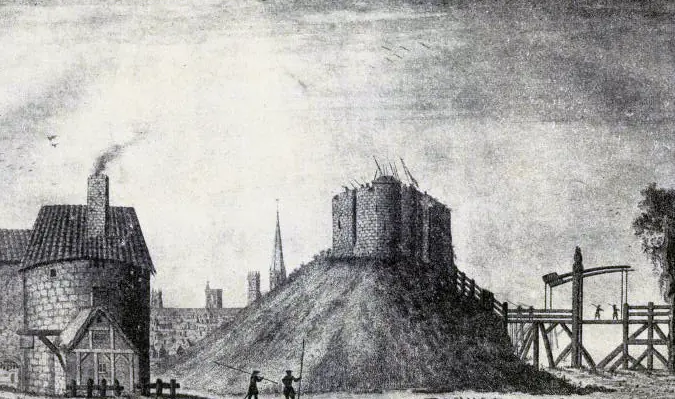
In 1599 he was arrested in the house of Eleanor Hunt, a widow who had taken him in. She was arrested with him, and both were held in York Castle. There, with other Catholic prisoners, he was forcibly taken to hear Protestant sermons.
The trial and martyrdom
At the Lent Assizes of 1600 he was indicted under the statute of 1585 for being a seminary priest who had returned into the realm. He admitted he was a priest, but he made the court prove when he had been ordained: a man of his age, he pointed out, might have been ordained before Elizabeth's reign, and the law would not touch him. The prosecution answered by attacking the Pope, the cardinals and the priests as idolaters and traitors. Challoner gives his reply:
That in the Catholic Roman religion (which he professed, and for which he was ready to die) there is neither idolatry, nor superstition, nor falsehood, nor contrariety of doctrine.
The judge, Baron Savile of the Exchequer, settled the question himself: he said he had known Wharton at Oxford some years after the date in the statute, when he was not taken for a priest. The jury found him guilty of high treason. Eleanor Hunt was condemned for felony for receiving him, though, as Challoner notes, she had hardly known him before he came to her door.

Both were offered their lives if they would go to the Protestant church, and both refused. Mrs. Hunt was not executed but left in prison under a reprieve, where she died. Father Wharton "suffered death, according to sentence, with great constancy at York, the 28th of March, being Easter-Week, 1600."
Beatification
English Catholics honored him as a martyr from the day of his death, and by 1912 he held the title of Venerable. Pope John Paul II beatified him on November 22, 1987, with Blessed George Haydock and 83 other martyrs of England and Wales. As a martyr he needed no approved miracle for beatification, and no miracles are recorded of him.
Symbols of Blessed Christopher Wharton in art
No portrait of him from his own time survives. Images of him use the signs of the English martyrs:
- Priest's cassock: his priesthood, the crime for which he died.
- Academic gown or a book: the Oxford fellow and scholar.
- Rope or noose: the manner of his death.
- Martyr's palm: the martyr's victory.
In modern images, look for a gray-bearded priest with a palm and a book, often among the other martyrs of York.
Feast day and prayer
We keep his feast on March 28, and he is remembered with the 85 Martyrs of England and Wales on November 22. See more saints of March on our feast days page.
We have not found a traditional prayer to Blessed Christopher Wharton to reprint. Let us ask him to pray for scholars and teachers who must choose between their careers and their conscience, for priests who serve in hidden places, and for all who, like Eleanor Hunt, open their homes to those in danger.
Frequently asked questions
Who was Blessed Christopher Wharton?
A priest born at Middleton in Yorkshire who took his M.A. at Trinity College, Oxford, in 1564 and became a fellow there, then went abroad to the English College at Reims, was ordained in 1584, and returned to England in 1586. He was executed at York in 1600.
Why was Christopher Wharton executed?
He was indicted under the 1585 statute that made it high treason for a priest ordained abroad to enter England. He admitted he was a priest but argued that he might have been ordained before the law applied; the judge said he had known him at Oxford when he was not yet a priest, and the jury convicted him.
Who was Eleanor Hunt?
A widow who sheltered Father Wharton and was arrested with him. She was condemned to death for felony at the same assizes, refused to save her life by attending Protestant services, and was left in York Castle until she died there.
When is Blessed Christopher Wharton's feast?
March 28, the day of his martyrdom. He is also honored with the 85 Martyrs of England and Wales on November 22.
Keep exploring
Sources
- Edwin Burton, Ven. Christopher Wharton, Catholic Encyclopedia (1912). His Oxford degree on February 3, 1564, entry at Reims on July 28, 1583, departure with Edward Burden on May 21, 1586, the forced sermons at York Castle, and Worthington's praise of his virtues
- Richard Challoner, Memoirs of Missionary Priests, ed. J. H. Pollen (London, 1924). His ordination by the Cardinal de Guise on March 31, 1584, the argument at his trial, his answer on the Catholic faith, Baron Savile's evidence, Eleanor Hunt's sentence, and his death in Easter Week 1600
- Pope John Paul II, Homily for the Beatification of 85 English Martyrs, November 22, 1987. The beatification of George Haydock and 84 companions