St. George of Sofia (the Elder), Martyr of Adrianople, 1437
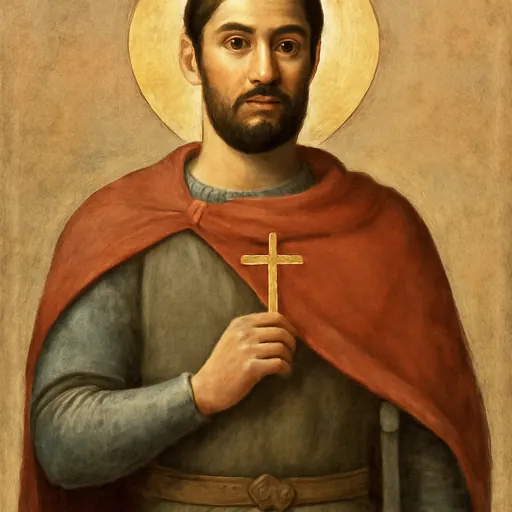
St. George of Sofia, called the Elder to tell him from two later martyrs of the same name, was a Christian soldier born in Sofia in 1407. In Adrianople, today's Edirne, he defended his faith when a Turkish bowmaker mocked it, and he was stabbed and burned on March 26, 1437. The Bulgarian Orthodox Church keeps his feast on March 26.
Who was St. George of Sofia?
St. George of Sofia was a Christian soldier from Sofia who gave his life for Christ in the Ottoman city of Adrianople on March 26, 1437. He was thirty years old. The Bulgarian Orthodox Church calls him St. George the Elder (Georgi Sofiyski Stari), because Sofia later gave the Church two more martyrs named George, and we keep his feast on March 26.
We know only a little about him, and we should say so plainly. His Life was written by an unknown author, and the Slavonic original is lost; the story has come down to us only in a Greek copy. What it tells is short and clear: a faithful man, mocked for his faith, would not deny it.
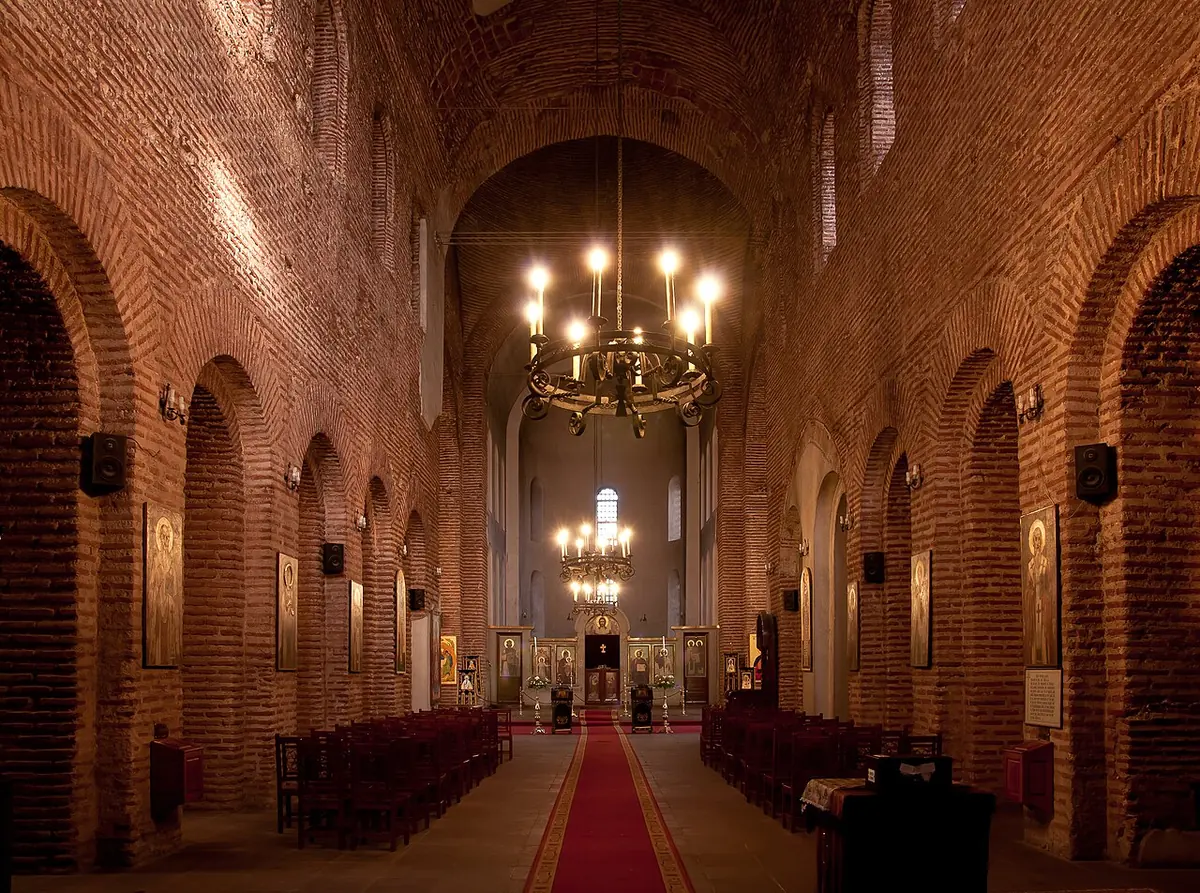
The life of St. George of Sofia
A soldier from Sofia
George was born in Sofia in 1407, about a quarter century after the city fell to the Ottoman Turks. His parents raised him in the Christian faith. The Life describes him as a handsome young man who held a military rank and was decorated for good service, but it does not say whether he served in the Ottoman or the Byzantine army. The Bulgarian Orthodox life notes that he took as his model his heavenly patron, the soldier and Great Martyr St. George, and served honorably.
Adrianople, 1437
At thirty he found himself in Adrianople, the Ottoman capital of the time, today's Edirne in Turkey. His Greek biographer mourns the city as once "blessed" for its Christian people and now unhappy and full of error.
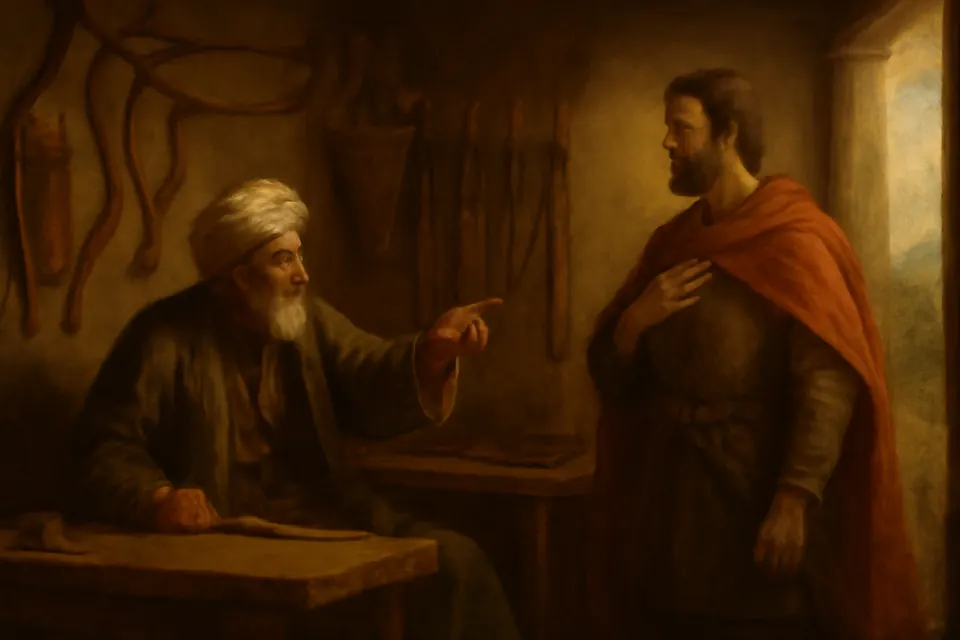
There George took his bow to a Turkish bowmaker to be repaired. The craftsman insulted the Christian faith. George did not keep silent. He confessed Christ openly and defended his faith without fear, trusting, as his Life says, in the endless blessed life with God.
Martyrdom
He was arrested. His captors first tried to persuade him, then threatened him, then tortured him cruelly. When he stood firm, he was condemned to death. On March 26, 1437, he was stabbed with a knife and then burned on a pyre.

Miracles and memory
No miracles of St. George the Elder are recorded in the sources we could find, and we will not invent any. What the record does show is that Sofia remembered him. When the priest Peyo wrote the Life of St. George of Kratovo after that young goldsmith was burned in Sofia in 1515, his account shows that the earlier George's martyrdom was known in the city. Bulgarian Christians under Ottoman rule drew courage from these local martyrs, and today his image appears on the icon of the Synaxis of All Saints of Sofia.

The three Georges of Sofia
Because the name is the same, the three are easily confused:
- St. George the Elder (this page), born in Sofia in 1407, martyred in Adrianople on March 26, 1437.
- St. George the New, also called St. George of Kratovo, a young goldsmith burned in Sofia on February 11, 1515.
- St. George the Newest, a later Sofia martyr honored on May 26.
When someone searches for "St. George of Sofia," they may mean any of the three; the date is the surest guide.
Why St. George of Sofia is honored
He has no formal patronage. He is honored as one of the new martyrs, ordinary Christians of the Ottoman centuries who confessed Christ at the cost of their lives. As a soldier who would not let his Lord be mocked, he is a natural friend to Christians in military service, and to anyone who is ridiculed at work for believing. See our patron saints page for others.
Symbols of St. George of Sofia in art
Icons of him are rare and mostly modern, so there is no fixed tradition. When he appears, usually among the saints of Sofia on a group icon, look for these signs:
- The martyr's cross: held in his right hand, the mark of one who died for Christ.
- A soldier's dress: a belted tunic and cloak rather than a monk's habit, recalling his rank.
- A bow: sometimes shown to recall the bowmaker's shop where his confession began.
- Fire: the pyre on which he died.
He is easy to mistake for the Great Martyr St. George. The difference is that the Great Martyr is usually shown in Roman armor on a horse, slaying a dragon, while George of Sofia stands on foot among the local saints of Sofia.
Feast day
The Bulgarian Orthodox Church keeps his feast on March 26, the day of his death. No relics of him are known to survive. Find other saints of the season on our feast days page.
Praying with St. George of Sofia
The Bulgarian Orthodox Church sings the common troparion for a martyr on his feast. In Pravoslavieto's Bulgarian text it says, in our own English rendering: "Your martyr, O Lord, in his suffering received from You, our God, an incorruptible crown; for, having Your strength, he cast down his tormentors and crushed the powerless boldness of demons. Through his prayers save our souls." Let us ask him to pray for all who are mocked for the name of Christ.
Frequently asked questions
Who was St. George of Sofia?
A Christian from Sofia, born in 1407, who served as a soldier and was martyred at thirty in Adrianople (Edirne) on March 26, 1437, after he defended Christ against a Turkish bowmaker who insulted his faith.
When is the feast of St. George of Sofia?
March 26, the day of his martyrdom (April 8 on the civil calendar in churches that keep the Julian calendar).
How many saints are called George of Sofia?
Three martyrs of the Ottoman period carry the name: St. George the Elder (died 1437), St. George the New, also called St. George of Kratovo (died 1515, feast February 11), and St. George the Newest (feast May 26). This page is about the first.
How do we know about St. George of Sofia?
His Life was written by an unknown author and survives only in a Greek copy. The Life of St. George the New, written in Sofia about 1515, shows that his martyrdom was remembered in his home city.
Keep exploring
Sources
- Св. мъченик Георги Софийски Стари - Pravoslavieto.com. His birth in Sofia in 1407, military rank, the bowmaker, his death in Adrianople on March 26, 1437, the Greek copy of his Life, and the troparion (in Bulgarian)
- Св. Георги Софийски Нови (Кратовски) - Pravoslavieto.com. The Life of the later martyr, which records that the elder George's martyrdom was known in Sofia (in Bulgarian)