St. José Gabriel Brochero, the Gaucho Priest of Argentina
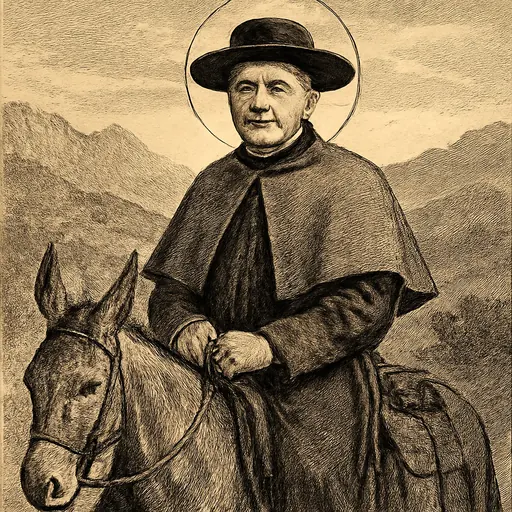
St. José Gabriel Brochero (1840–1914), the beloved "Cura Brochero" of Argentina, was a country priest who rode his mule across the mountains of Córdoba to reach the poor, led thousands to the Spiritual Exercises, and built roads, schools and churches with his people. Pope Francis canonized him in 2016, and we keep his feast on March 16.
Who was St. José Gabriel Brochero?
St. José Gabriel Brochero was a country priest from Córdoba, Argentina, who spent more than forty years in the mountains west of the city, riding his mule from ranch to ranch so that no one would die without the sacraments. Argentines call him simply Cura Brochero, Father Brochero, and he was so much one of the people he served that he is also remembered as the "Gaucho Priest." He was born on March 16, 1840, and died, blind and sick with leprosy, on January 26, 1914. Pope Francis canonized him on October 16, 2016, and we keep his feast on March 16.
Seminarian and young priest
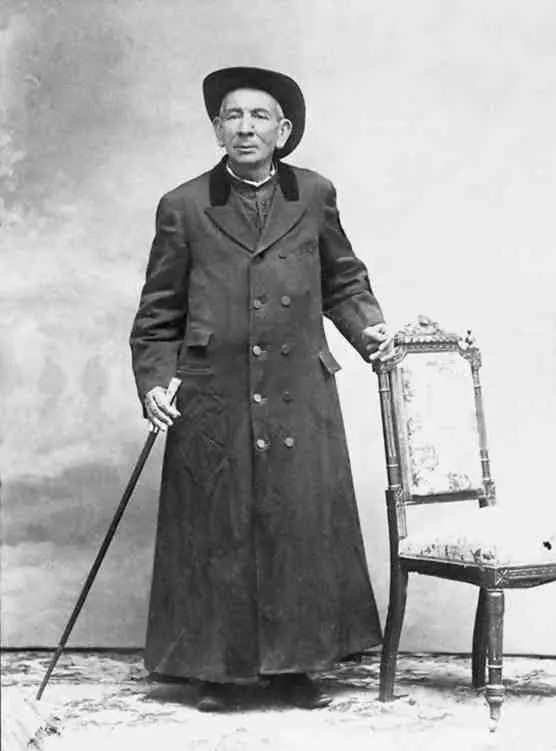
He was born near Santa Rosa de Río Primero, in the north of Córdoba province, the fourth of ten children of a farming family with a deep Christian life; two of his sisters became nuns. He entered the seminary of Our Lady of Loreto in Córdoba on March 5, 1856, and was ordained a priest on November 4, 1866.
As a young priest at the cathedral he worked through a cholera epidemic that struck the city. His friend Ramón J. Cárcano remembered that "se le veía correr de enfermo en enfermo," you could see him running from one sick person to the next. He also served as prefect of studies at the seminary and earned a master's degree in philosophy at the University of Córdoba.
The parish beyond the mountains
At the end of 1869 he was sent to the parish of San Alberto, west of the Sierras Grandes, mountains over 2,000 meters high. It covered 4,336 square kilometers, with a little over ten thousand people scattered without roads or schools, cut off from the city, and very poor.
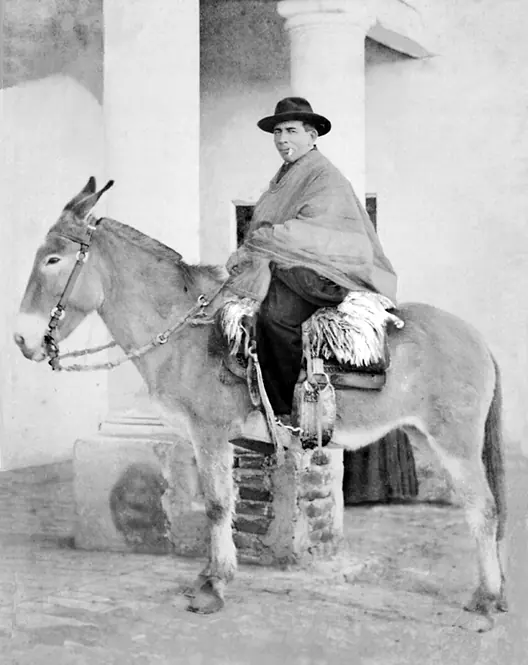
He did not stay in the church. He took the Mass kit in the saddlebags of his mule and went out in rain and cold to reach the sick, saying, "Ya el diablo me va a robar un alma," the devil is about to steal a soul from me. He preached in the plain speech of his people so they could understand. He used to say that they were "abandonados de todos pero no por Dios," abandoned by everyone, but not by God.
The Spiritual Exercises
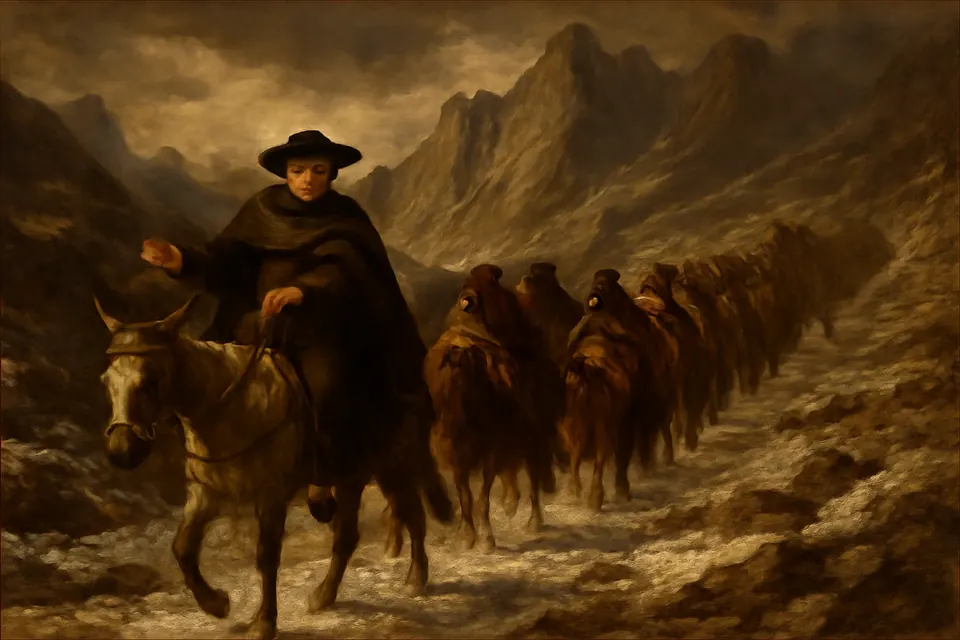
He believed the retreat of St. Ignatius could change a person's life. The year after he arrived, he began leading his parishioners to Córdoba to make the Spiritual Exercises: two hundred kilometers, three days on muleback over the mountains, in caravans that often numbered more than five hundred people. More than once they were caught in snowstorms. After nine days of silence, prayer and penance, they came home changed.
In 1875, with the help of his parishioners, he began building a house for the Exercises in Villa del Tránsito itself. It opened in 1877, sometimes with more than seven hundred people in a single retreat, and over forty thousand people made the Exercises there during his years as pastor. He added a house for the sisters, a school for girls and a residence for priests.
Roads, water and a railroad
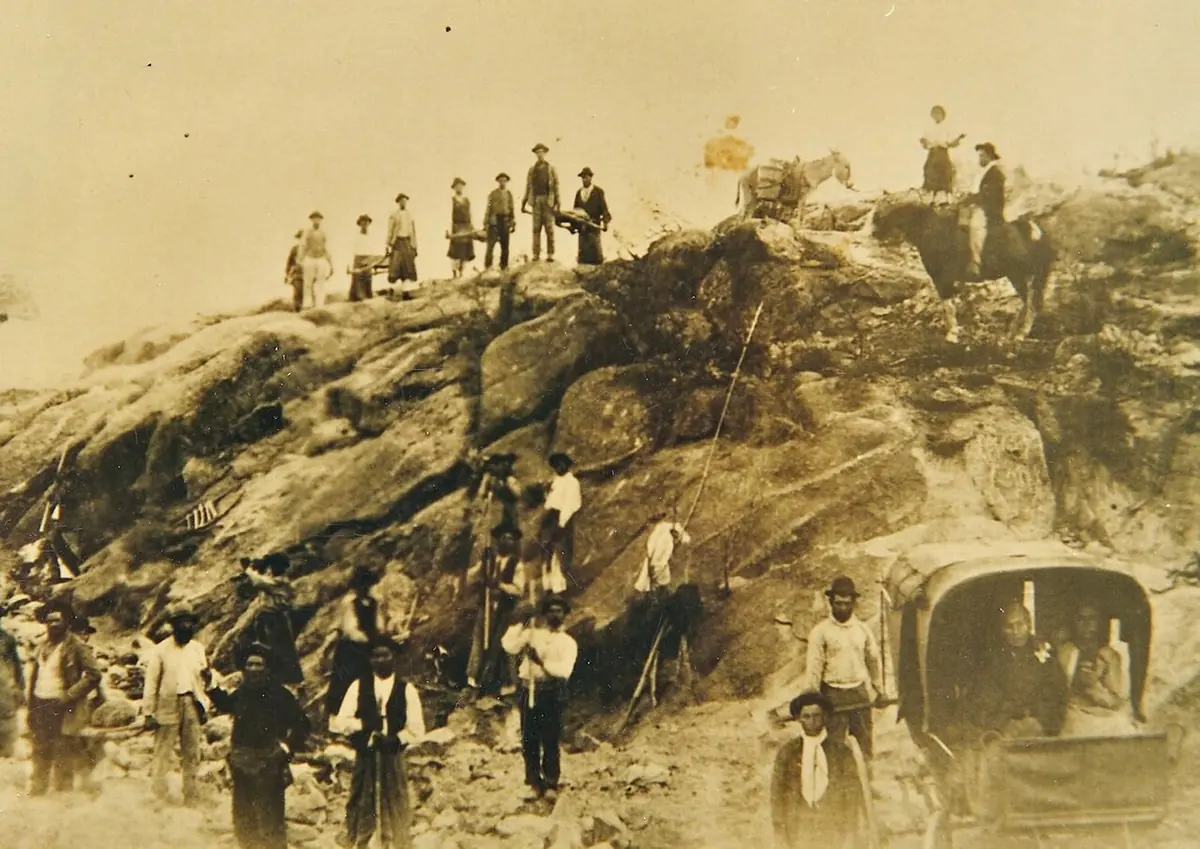
He was convinced that faith and the welfare of his people went together. With his parishioners he built more than two hundred kilometers of roads, including the route over the Altas Cumbres, and several churches. He brought water to the town with an aqueduct from the Panaholma River. He asked the authorities for mail coaches, post offices and telegraph stations, and won them. He even planned a railroad branch through the Traslasierra Valley, from Villa Dolores to Soto, to lift his mountain people out of poverty.

Leprosy, blindness and death
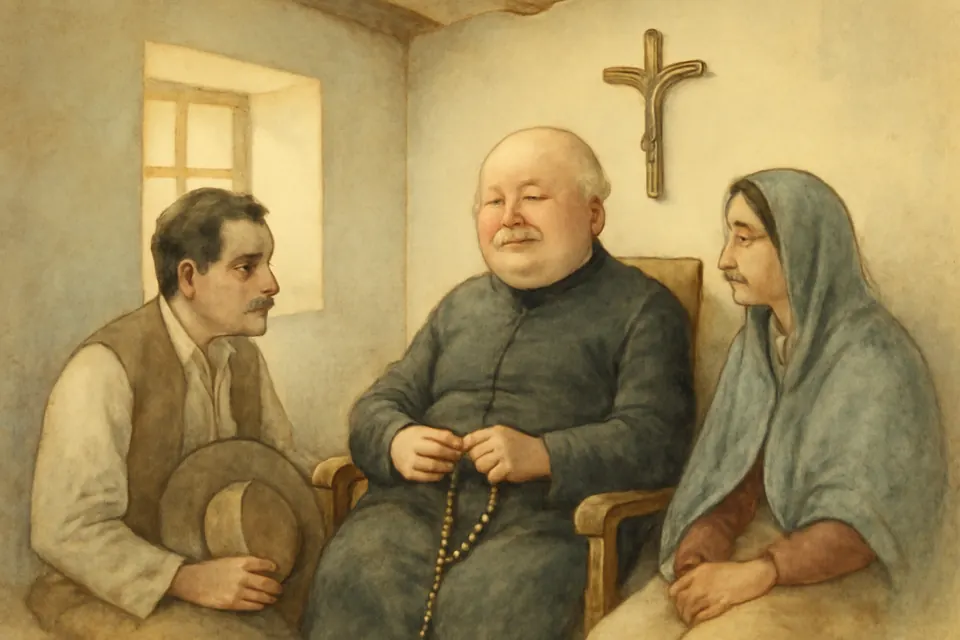
Days after he died, the Catholic newspaper of Córdoba wrote that he had caught the illness that took his life by visiting at length, and even embracing, an abandoned leper. Because of the disease he gave up his parish and lived for a few years with his sisters in his home town. His old parishioners begged him to come back, and he returned to his house in Villa del Tránsito, where he died, blind and deaf, on January 26, 1914. His last words are remembered as "Ahora tengo ya los aparejos listos pa'l viaje": now I have my gear ready for the journey. In 1916 the town took his name, Villa Cura Brochero.
The miracles of St. José Gabriel Brochero
His cause was opened in 1967, and St. John Paul II declared him Venerable in February 2004.
- Approved: on December 20, 2012, Benedict XVI approved as a miracle the recovery of a child who, after a serious road accident, had been given a prognosis of a vegetative life with grave neurological damage, and who recovered with no medical explanation. Brochero was beatified at Villa Cura Brochero on September 14, 2013, at a Mass celebrated by Cardinal Angelo Amato.
- Approved: on January 22, 2016, Pope Francis approved a second miracle: the healing of a nine-year-old girl who came out of a coma after forty-five days. It opened the way to his canonization in Rome that October.
Symbols of St. José Gabriel Brochero in art
Because he lived in the age of photography, his images follow the old photographs. Look for:
- A hat and poncho: the dress of the country people of Córdoba, which he wore on his rounds.
- A mule: his companion on the mountain trails, and the most familiar sign of him.
- A cassock and crucifix: the priest underneath the poncho.
- A rugged older face: many images show him late in life, marked by his illness.
Feast day and prayer
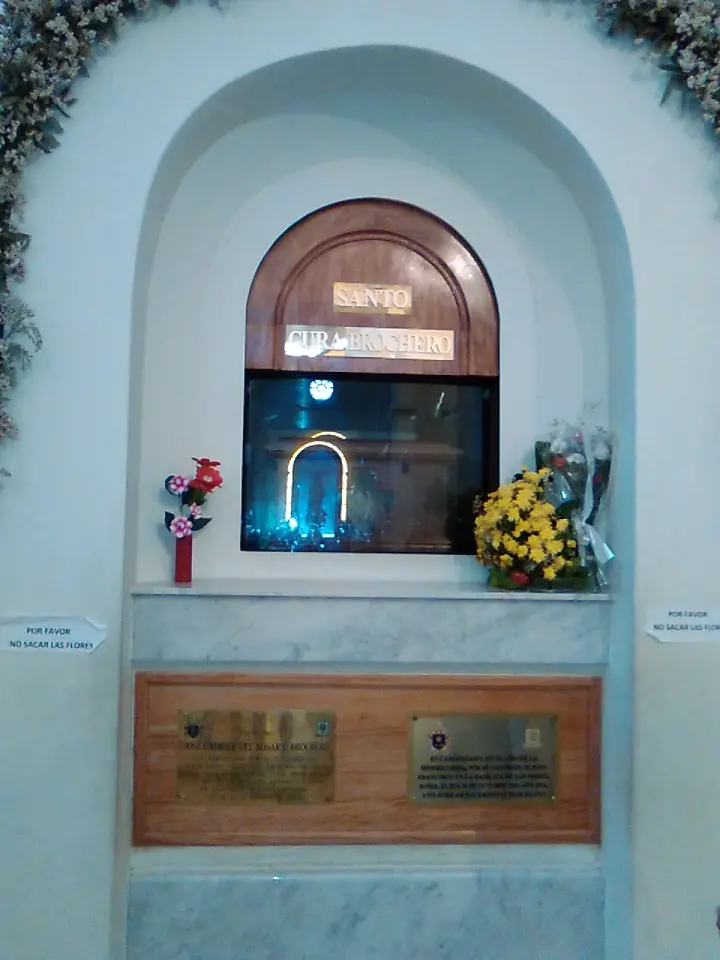
We keep his feast on March 16, the day he was born. Pilgrims go to Villa Cura Brochero, in the Traslasierra Valley west of Córdoba, to pray at his tomb and visit the house where he died. See the feast day calendar for other saints of March.
We know of no single traditional prayer to him that we could confirm, so we do not print one. Let us ask St. José Gabriel Brochero, who never let a soul go without the sacraments, to pray for parish priests, for people in remote places, and for all who suffer from diseases that drive others away. Santo Cura Brochero, pray for us.
Frequently asked questions
Who was St. José Gabriel Brochero?
An Argentine priest of the Archdiocese of Córdoba who from 1869 served the huge mountain parish of San Alberto, now called Traslasierra. He brought the Gospel, the sacraments and the Spiritual Exercises to its scattered people and worked with them to build roads, schools and churches. He died of leprosy, blind, in 1914.
When is the feast of St. José Gabriel Brochero?
March 16, the day he was born in 1840.
What miracles made Cura Brochero a saint?
Two approved healings. For his beatification, Benedict XVI recognized in 2012 the recovery of a child left with grave brain injuries after a serious road accident. For his canonization, Pope Francis approved in January 2016 the healing of a nine-year-old girl who came out of a coma after forty-five days.
Why is he called the Gaucho Priest?
Because he lived and traveled like the country people he served, in a hat and poncho on the back of a mule, spoke their plain language in his preaching, and shared their hard life in the hills.
Keep exploring
Sources
- Archdiocese of Córdoba, "José Gabriel del Rosario Brochero" (Catholic.net, in Spanish). His family, seminary and ordination, the size of his parish, the caravans to the Spiritual Exercises, the retreat house from 1875 to 1877 and its numbers, his roads and railroad plans, the newspaper report of how he caught leprosy, his death
- "San José Gabriel del Rosario Brochero," ACI Prensa (in Spanish). His appointment of November 19, 1869, the cholera epidemic, the beatification miracle and his beatification on September 14, 2013
- "Cura Brochero, a priest close to the people": joy after the announcement of the canonization, Agenzia Fides, January 25, 2016. The approval of the canonization miracle on January 22, 2016
- "Cura Brochero: el hombre que trabajó en una epidemia y los dos milagros que lo convirtieron en santo," La Nación (in Spanish). The aqueduct from the Panaholma River, the road over the Altas Cumbres, his blindness and deafness, his last words
- Pope Francis, Homily at the canonization of seven blesseds, including José Gabriel del Rosario Brochero, October 16, 2016. The date of his canonization