Pope St. Innocent I, Defender of St. John Chrysostom
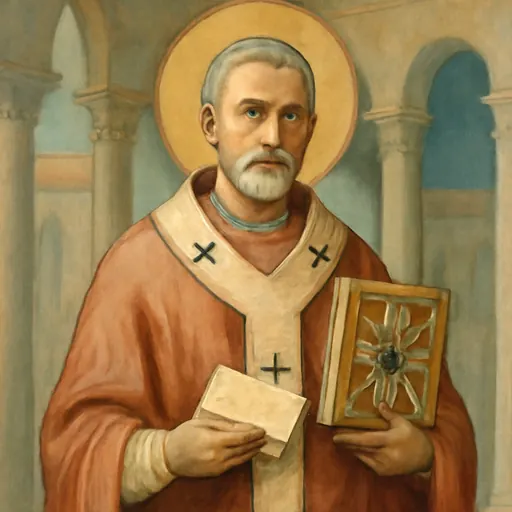
Pope St. Innocent I was bishop of Rome from 401 to 417. He defended St. John Chrysostom when he was unjustly deposed, confirmed the African councils of St. Augustine against Pelagius, sent the bishops of Gaul and Spain guidance on Church discipline, and lived through Alaric's sack of Rome in 410. His feast is March 12.
Who was Pope St. Innocent I?
Pope St. Innocent I led the Church of Rome for sixteen years, from 401 to 417, in one of the most dangerous times the city ever knew. Barbarian armies besieged and sacked Rome, the East was torn over the fate of St. John Chrysostom, and the teaching of Pelagius was unsettling the faithful. Through all of it, Innocent wrote letter after letter to bishops in Gaul, Spain, Africa, Illyria and the East, and the Church came to rely on his answers. The Catholic Encyclopedia calls him "a very energetic and active man, and a highly gifted ruler, who fulfilled admirably the duties of his office."
The life of St. Innocent I
A Roman cleric
The Liber Pontificalis, the old book of the lives of the popes, says Innocent was a native of Albano, near Rome, and that his father was also called Innocent. He grew up among the Roman clergy. When Pope Anastasius I died in December 401, the clergy and people chose Innocent unanimously.

Shepherd of Rome
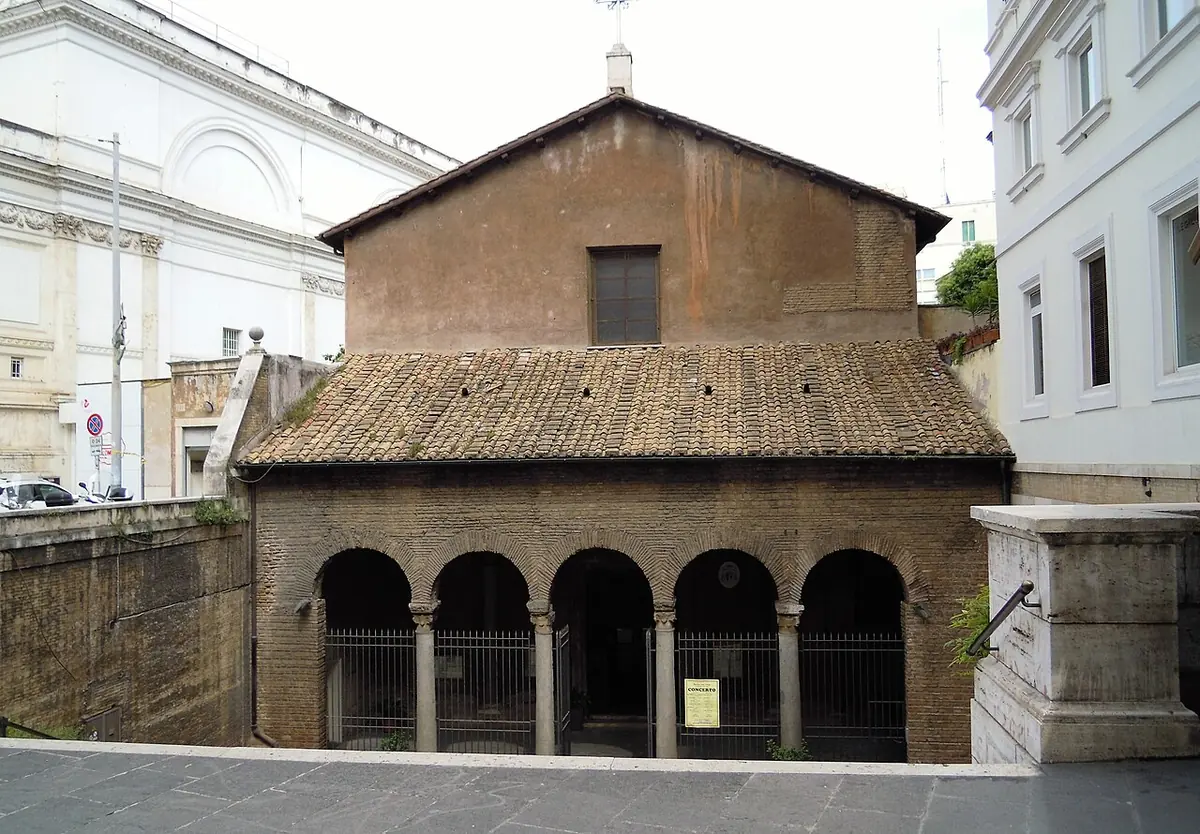
In the city he took several churches back from the Novatian sect. With money left by a wealthy Roman lady named Vestina, who directed in her will that her jewels and pearls be sold to pay for it, he dedicated a church in honor of the martyrs Sts. Gervasius and Protasius. The Church of San Vitale on Rome's Via Nazionale stands on the same site today.
The fall of Rome
During the Gothic siege of Rome in 408 and 409, Alaric demanded a peace on his own terms, and the Romans sent an embassy to the emperor Honorius at Ravenna. Innocent went with it. The talks failed, the siege began again, and the pope could not get back into his own city. In August 410 Rome was taken and sacked, the first time in eight hundred years that a foreign army had plundered it.

A voice for the whole Church
From the start, Innocent acted as a father to bishops far beyond Rome. He made the archbishop of Thessalonica his vicar for Eastern Illyria. On February 15, 404, he sent a long decretal to St. Victricius of Rouen on ordinations, clerical celibacy and the reception of converts, holding up the practice of Rome as the norm. In 405 he sent a Gallic bishop, Exuperius of Toulouse, a list of the books of Holy Scripture. According to the Catholic Encyclopedia, it matches the canon later confirmed by the Council of Trent.
In 416 he answered questions from Decentius, bishop of Gubbio. Among other things, he explained that the anointing with oil in the Letter of St. James is for the sick faithful, and that it is "a sacrament." The Catholic Encyclopedia calls this letter "the most celebrated of all patristic testimonies" on the anointing of the sick.
Defender of St. John Chrysostom
When St. John Chrysostom, archbishop of Constantinople, was deposed by the illegal Synod of the Oak and driven into exile, he appealed to Innocent. The pope refused to accept the sentence, wrote to the clergy and people of Constantinople rebuking them, and asked for a new council. The Eastern emperor would not allow it. Innocent kept writing to the exiled bishop, who received his last letter shortly before he died in 407. Innocent then refused communion with the bishops who had wronged John until they restored his name to the lists of bishops prayed for at the altar.
Against Pelagius
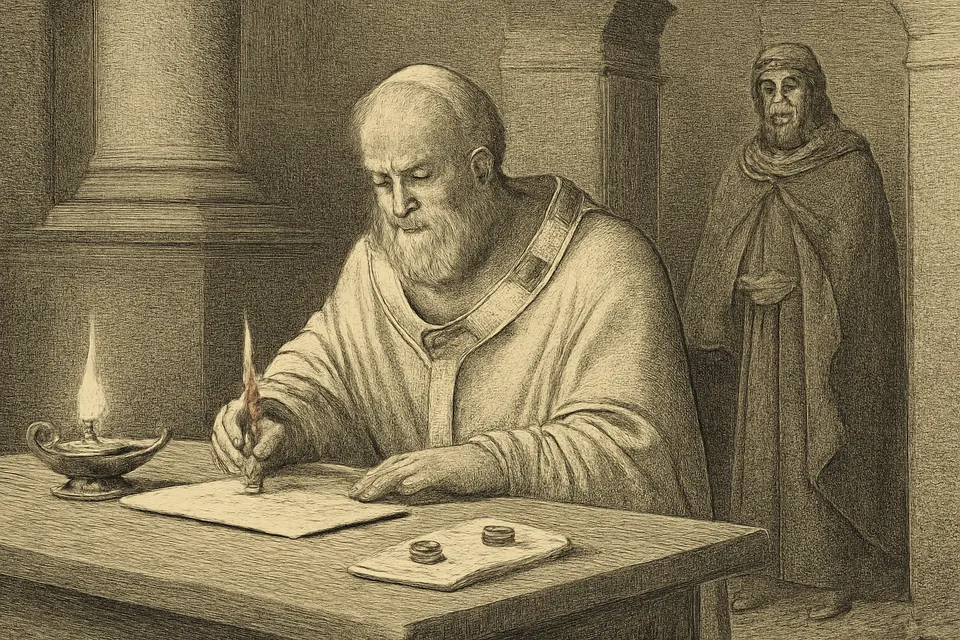
He also wrote to comfort St. Jerome after followers of Pelagius attacked his monasteries at Bethlehem. In 416 the African bishops, meeting at Carthage and Mileve, condemned the teachings of Pelagius and Celestius and sent their decisions to Rome. St. Augustine and four other bishops wrote to Innocent personally. Innocent confirmed the African decisions. Augustine told his people: "Already have two councils on this question been sent to the Apostolic see; and rescripts also have come from thence. The question has been brought to an issue." Those words lie behind the famous saying, "Rome has spoken; the case is closed."
Innocent died on March 12, 417. He was buried in a basilica above the catacomb of Pontian on the Via Portuensis and was honored as a saint.
Miracles
No miracles, approved, reported or traditional, are recorded of St. Innocent I. He was venerated as a saint from his burial, long before formal canonization existed, for his holy and faithful government of the Church.
Symbols of St. Innocent I in art
He is shown as a pope: in early images in a bishop's chasuble and pallium, in later ones with the papal tiara, as in Cavalieri's engraving of 1580. A book or letter suits him well, for his many decretals. He has no personal attribute, so a picture of him is usually identified by an inscription.
Feast day
His feast is March 12, the day of his death. Until the reform of the calendar in 1969 he was kept on July 28. See more saints of March on our feast days page.
Praying with St. Innocent I
We know of no traditional prayer to St. Innocent I apart from the Church's common prayers for holy popes. Let us ask him to pray for the pope and all bishops, for Christians who are falsely accused, and for all who must guide others through times of fear and upheaval.
Pope St. Innocent, faithful shepherd in the fall of Rome, pray for us.
Frequently asked questions
Who was Pope St. Innocent I?
The bishop of Rome from 401 to 417, a native of Albano near Rome, chosen unanimously after Pope Anastasius I. He was one of the most active popes of the early Church, writing to bishops across East and West on questions of faith and discipline.
When is the feast of St. Innocent I?
March 12 in the current Roman Martyrology, the day he died in 417. Older calendars kept him on July 28.
What did Pope Innocent I do for St. John Chrysostom?
He refused to accept Chrysostom's deposition by the Synod of the Oak, wrote to console him in exile, called for a new council, refused to recognize the men put in his place, and insisted that Chrysostom's name be restored to the lists of bishops prayed for in the liturgy.
What did Innocent I teach about the anointing of the sick?
In a letter of 416 to Bishop Decentius of Gubbio, he explained that the anointing with holy oil in the Letter of St. James is for the sick faithful and called it a sacrament. The Catholic Encyclopedia calls it the most celebrated early witness to this sacrament.
Keep exploring
Sources
- Pope Innocent I, Catholic Encyclopedia (1910), New Advent. Native of Albano, election after Anastasius, the embassy to Honorius at Ravenna, the vicariate of Thessalonica, the decretal to Victricius of Rouen (February 15, 404), the defense of Chrysostom, the letters to Jerome and to Bishop John of Jerusalem, the Pelagian controversy, burial above the catacomb of Pontian
- The Book of the Popes (Liber Pontificalis), trans. Louise Ropes Loomis (1916), archive.org. The church of Sts. Gervasius and Protasius built from Vestina's jewels and pearls (now San Vitale), the Saturday fast, burial near Ursus Pileatus on July 28
- Extreme Unction, Catholic Encyclopedia (1909), New Advent. The letter of 416 to Decentius of Gubbio on anointing the sick, quoted
- Canon of the Old Testament, Catholic Encyclopedia (1908), New Advent. The canon of Scripture Innocent sent to a bishop of Gaul in 405
- St. Augustine, Sermon 81 on the New Testament (Sermon 131), New Advent. "Already have two councils on this question been sent to the Apostolic see; and rescripts also have come from thence"