Blessed Engelmar Unzeitig, the Angel of Dachau

Blessed Engelmar Unzeitig (1911–1945) was a Moravian-born priest of the Missionaries of Mariannhill, arrested by the Gestapo in 1941 for his preaching and sent to Dachau. There he volunteered to nurse prisoners dying of typhus, caught the disease and died. Called the "Angel of Dachau," he was beatified as a martyr in 2016; his memorial is March 2.
Who was Blessed Engelmar Unzeitig?
Blessed Engelmar Unzeitig was a young priest of the Missionaries of Mariannhill who died in the Dachau concentration camp on March 2, 1945, after volunteering to nurse prisoners sick with typhus. His fellow prisoners called him the "Angel of Dachau." The Church honors him as a martyr, killed in hatred of the faith, and we keep his memorial on March 2.
At the Angelus the day after his beatification, Pope Francis said of him: "He countered hatred with love, and he responded to ferocity with meekness." People sometimes search for "St. Engelmar Unzeitig," but the Church has declared him Blessed.
A boy from Greifendorf
He was born Hubert Unzeitig on March 1, 1911, in Greifendorf (today Hradec nad Svitavou) in Moravia, a German-speaking village in what was then Austria-Hungary. His father, Johann, died of typhus in 1916, during World War I. The same disease would one day take the son.
In 1928 Hubert entered the Missionaries of Mariannhill, a congregation that grew out of a Trappist monastery in South Africa and trained missionaries for Africa. He went to the congregation's seminary at Reimlingen and studied in Würzburg, took the religious name Engelmar at his novitiate in Arcen in the Netherlands in 1934, and made his first vows in 1935. He was ordained a priest on August 6, 1939, and celebrated his first Mass in his home village on August 15, two weeks before the war began.
Pastor of Glöckelberg
Missions in Africa were closed to him by the war. In 1940 he was sent first to Riedegg in Austria and then made pastor of Glöckelberg (Zvonková), a village in the Bohemian Forest that Germany had annexed. He preached plainly, and he was watched.
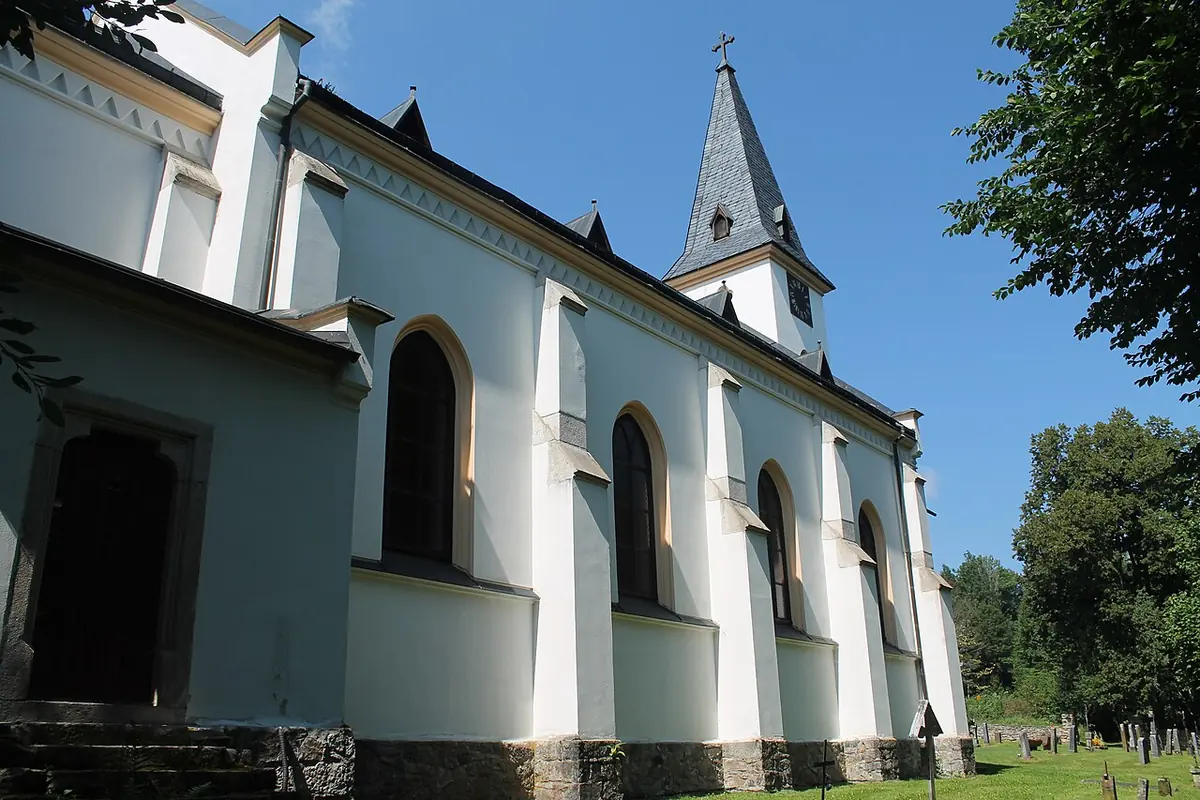
Someone denounced him. On April 21, 1941, the Gestapo arrested him. According to the Dicastery for the Causes of Saints, the charges were that he preached the universal kingship of Christ, did not recognize Hitler's authority, and taught that the Jews had the same rights and duties as everyone else. After six weeks in prison in Linz he was sent, without trial, to Dachau.

Four years in Dachau
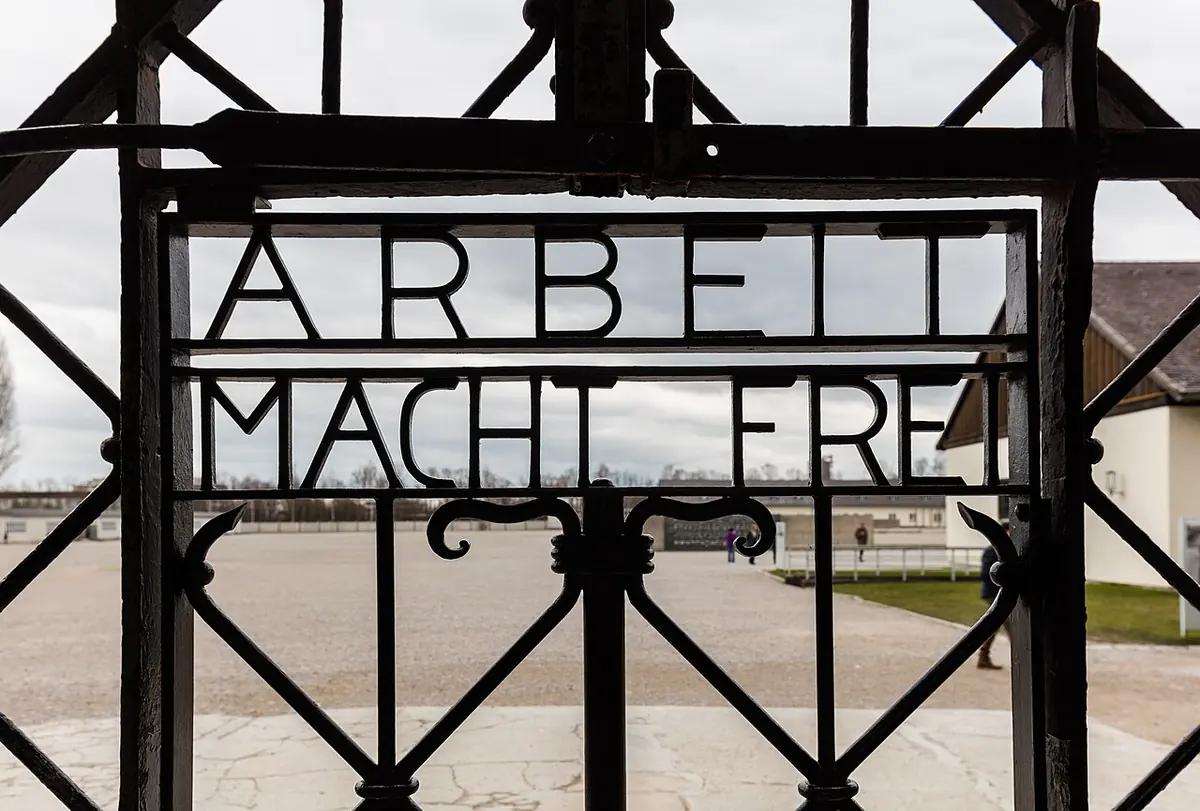
Dachau held thousands of priests, most of them in a separate "priests' block." Fr. Engelmar went hungry with the rest, and still shared what he had. The Austrian Catholic news service recalls that he saved several fellow prisoners from starving.
He also studied Russian in the camp so that he could help the prisoners from Eastern Europe, many of whom had no one to speak to them in their own language. From the camp he wrote to his sister, in words his congregation keeps: "Whatever we do, whatever we want, is surely simply the grace that carries us and guides us."
The typhus barracks
In late 1944 typhus swept through the overcrowded camp. The sick were shut in barracks where men died in great numbers. Fr. Engelmar volunteered to go in and care for them, washing them, feeding them, praying with them and giving them the sacraments. Other priests volunteered with him, and many of them did not come out alive.
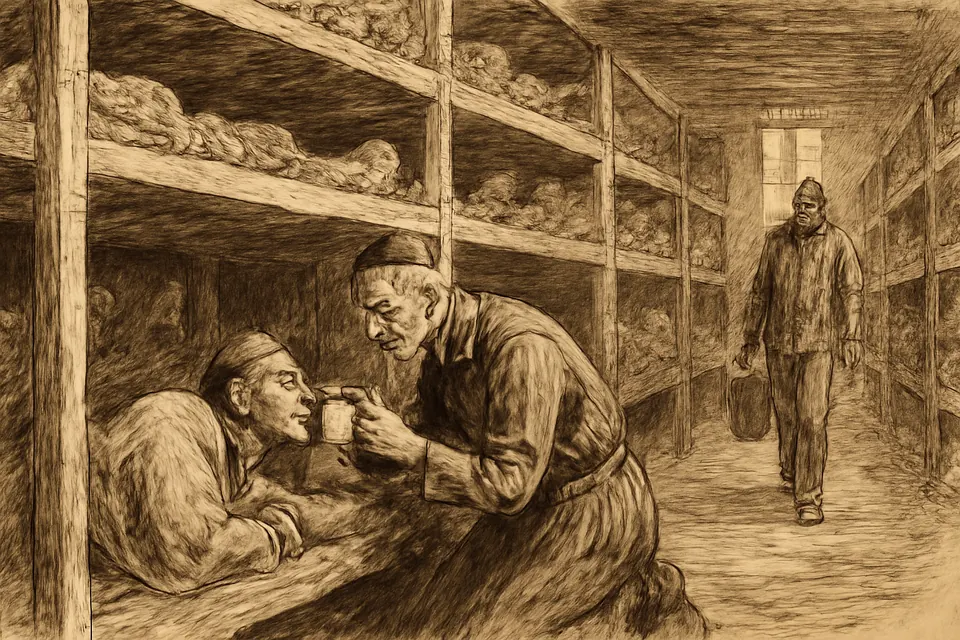
He caught the disease and died on March 2, 1945, a day after his thirty-fourth birthday and only weeks before American troops liberated the camp. His body was cremated, but his ashes were smuggled out of Dachau and reached his community. They were buried in the Mariannhill crypt in Würzburg on March 30, 1945, and moved into the Mariannhill Herz-Jesu-Kirche on November 20, 1968.

Beatification
His cause opened in Würzburg in 1991. Pope Francis recognized that he had died in odium fidei, in hatred of the faith, and on September 24, 2016, Cardinal Angelo Amato beatified him in Würzburg on the Pope's behalf. As a martyr he did not need a miracle for beatification; his canonization would require one. We have no approved miracle to report.

Why Blessed Engelmar is a patron of prisoners and the sick
No decree names him patron of anything. Prisoners turn to him because he was one of them for four years, and he spent himself on the men around him. The sick, and those who care for them, ask his help because he went freely into the typhus barracks and died there serving the dying. Look for him among the patron saints of prisoners and the sick, alongside St. Maximilian Kolbe, who also gave his life for another prisoner.
Symbols of Blessed Engelmar Unzeitig in art
As a twentieth-century martyr, he is usually shown from his photographs: a slight young priest with round glasses and a gentle face. Some images put him in the black cassock of a priest; others in the striped uniform of a Dachau prisoner, sometimes with the camp number on his chest, to show where he gave his life. A sick man beside him, or a cup of water in his hand, recalls the typhus barracks, and a martyr's palm marks his death for the faith. On the memorial plaque at his old parish in Zvonková, his witness is summed up in words rather than pictures: "a martyr of love of neighbor."
Praying with Blessed Engelmar
We know of no traditional prayer to Blessed Engelmar in English. The Missionaries of Mariannhill, who keep his cause, gather in Würzburg on March 2, and pilgrims pray at the urn holding his ashes. We can take his own words to his sister as a prayer of trust, that whatever we do is "simply the grace that carries us and guides us," and ask Blessed Engelmar to pray for prisoners, for the sick and for all who nurse them, and for us, that we may answer hatred with love as he did.
Frequently asked questions
Why is Engelmar Unzeitig called the Angel of Dachau?
Because of his charity in the camp. He shared his food with starving prisoners, learned Russian to help prisoners from Eastern Europe, and in the winter of 1944–45 volunteered to nurse the men dying of typhus, knowing he would probably catch it. He did, and died on March 2, 1945.
Is Engelmar Unzeitig a saint?
He is Blessed. Pope Francis recognized that he was killed in hatred of the faith, and Cardinal Angelo Amato beatified him in Würzburg on September 24, 2016. As a martyr, he did not need a miracle for beatification; one is needed for canonization.
When is the feast of Blessed Engelmar Unzeitig?
March 2, the anniversary of his death at Dachau in 1945.
Where is Blessed Engelmar Unzeitig buried?
His ashes were smuggled out of the camp. They were buried in the Mariannhill crypt in Würzburg on March 30, 1945, and moved into the Mariannhill Herz-Jesu-Kirche in Würzburg in 1968, where they rest today.
Keep exploring
- Patron saint pages
- Healing
- Feast-day calendar
- Saints remembered in MarchSaint of the dayWhat saint is my birthday?
- Relics
- Where the relics are kept (map)
- More
- Saints A to ZPatron saints A to ZExplore every section
Sources
- Dicastery for the Causes of Saints: Engelmar Unzeitig (Italian). Birth, family, novitiate, ordination, the charges at his arrest, death, the burial and translation of his ashes, beatification
- Pope Francis, Angelus, September 25, 2016. The Pope's words on the new Blessed
- Mariannhill Missionaries: History – Engelmar. His congregation's account, Russian studies in the camp, the typhus barracks, and his letter to his sister
- katholisch.at: Rund 100 Heilige und Selige haben einen Österreich-Bezug (German). The ashes smuggled out of Dachau, the urn in Würzburg, the title Engel von Dachau