Blessed Assunta Marchetti, Mother of Orphans
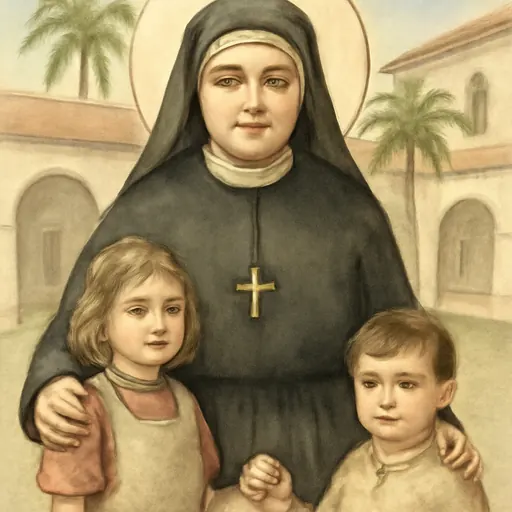
Blessed Assunta Marchetti (1871–1948) was an Italian religious sister from near Lucca who, with her brother Fr. Giuseppe Marchetti and Bishop St. Giovanni Battista Scalabrini, began the Missionary Sisters of St. Charles Borromeo, the Scalabrinians, in 1895. For more than fifty years in São Paulo, Brazil, she mothered the orphans of Italian emigrants and of former slaves. She was beatified in 2014, and her feast is July 1.
Who was Blessed Assunta Marchetti?
Blessed Assunta Marchetti was an Italian sister who crossed the ocean at twenty-four to care for the orphaned children of emigrants in Brazil and never came home. With her brother, Fr. Giuseppe Marchetti, and Bishop St. Giovanni Battista Scalabrini, she began the congregation now called the Missionary Sisters of St. Charles Borromeo, the Scalabrinians. For more than half a century she was, in the words of the Dicastery for the Causes of Saints, a mother to the orphans of São Paulo.
When she died in 1948, one of her sisters said, "Oggi in questa casa è morta la carità," "Today charity has died in this house." We keep her feast on July 1.
A girl from the hills of Lucca
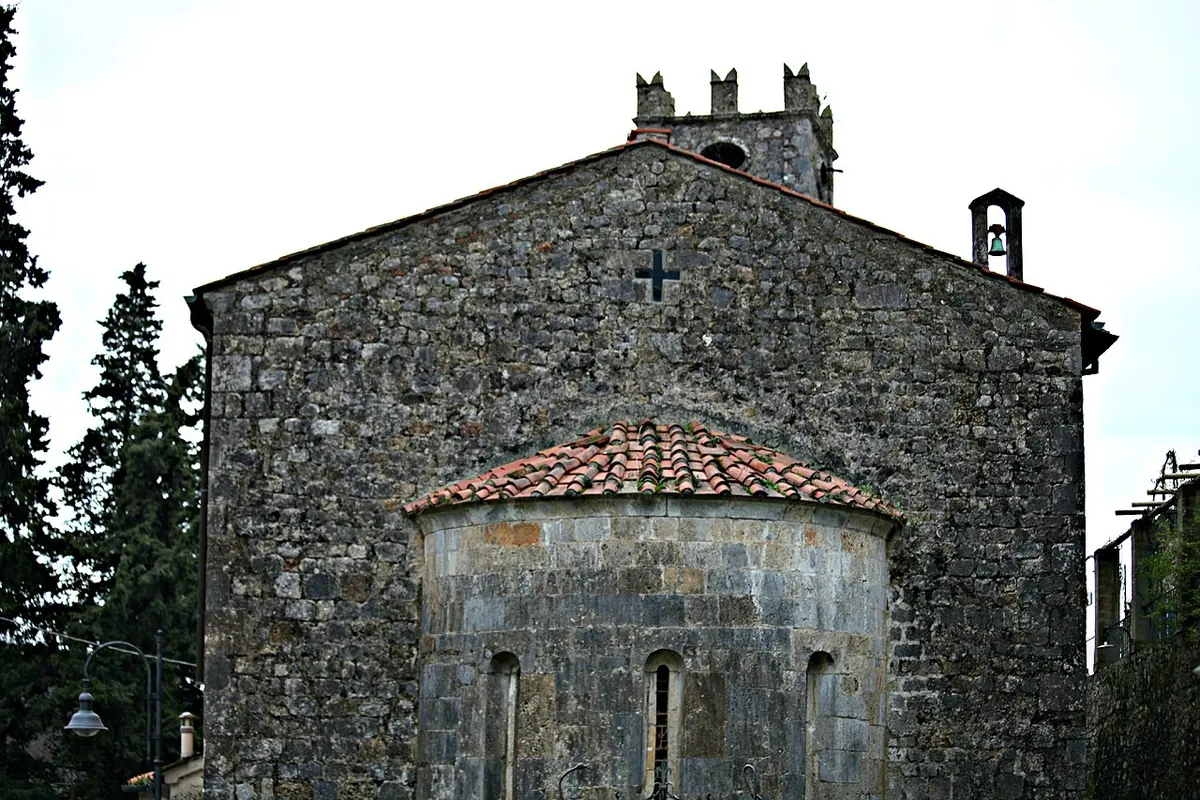
Assunta Caterina Marchetti was born on August 15, 1871, the feast of the Assumption, at Lombrici di Camaiore in the hills near Lucca. The Scalabrinian Sisters describe her family, Angelo Marchetti and Carolina Ghilarducci, as poor in goods but rich in faith and in children. From girlhood she wanted to give herself wholly to God, perhaps in a cloistered convent. Her father's early death, her mother's illness and the work of the household kept putting it off.
The call to Brazil
Her brother Giuseppe had become a priest and a missionary to the Italian emigrants in Brazil. Many of them worked on the coffee plantations, and many children were left orphaned. He gathered them and built an orphanage on the hill of Ipiranga in São Paulo, then came back to Italy looking for young women to care for them. The Scalabrinian Sisters remember the words he used to persuade his sister: "Assunta, look at the Heart of Jesus, listen to his calls, and then answer me!"
She said yes. On October 25, 1895, Assunta, her widowed mother Carolina and two friends, Angela Larini and Maria Franceschini, were received by Bishop Scalabrini, and their religious life began. Scalabrini gave them a crucifix and called it their "inseparable companion." They sailed the next day.
On the crossing, the sisters say, the little group prepared 83 children on board for their First Communion.

Mother of the orphans
In São Paulo they served at the Cristoforo Colombo orphanage at Ipiranga. Their first name says what they were for: Servants of the Orphans and the Abandoned Abroad. They took in hundreds of children, chiefly the children of Italian migrants and the children of former slaves.
A year later the young community lost its founder in Brazil. Fr. Giuseppe cared for the sick in a typhus epidemic and died on December 14, 1896, at only twenty-seven. Assunta gradually took on the leadership of the small institute and kept it faithful to its purpose. She was later twice superior general.
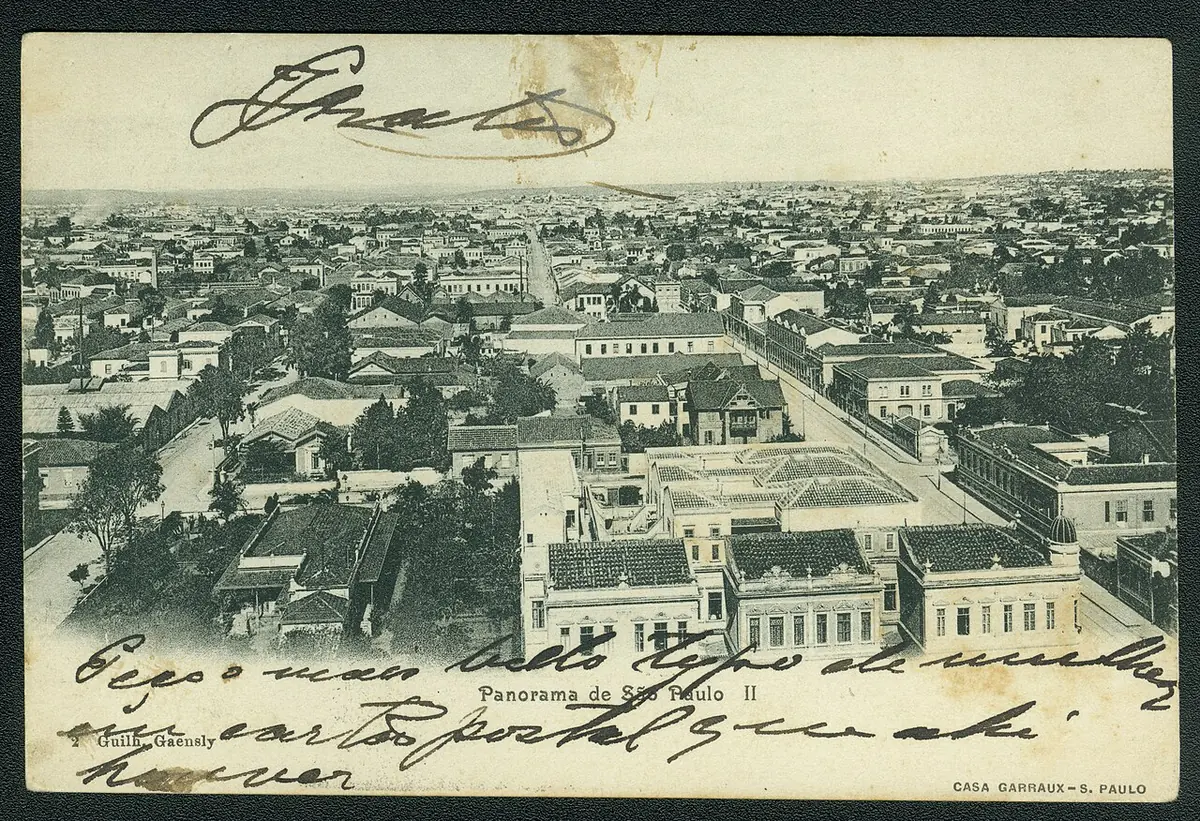
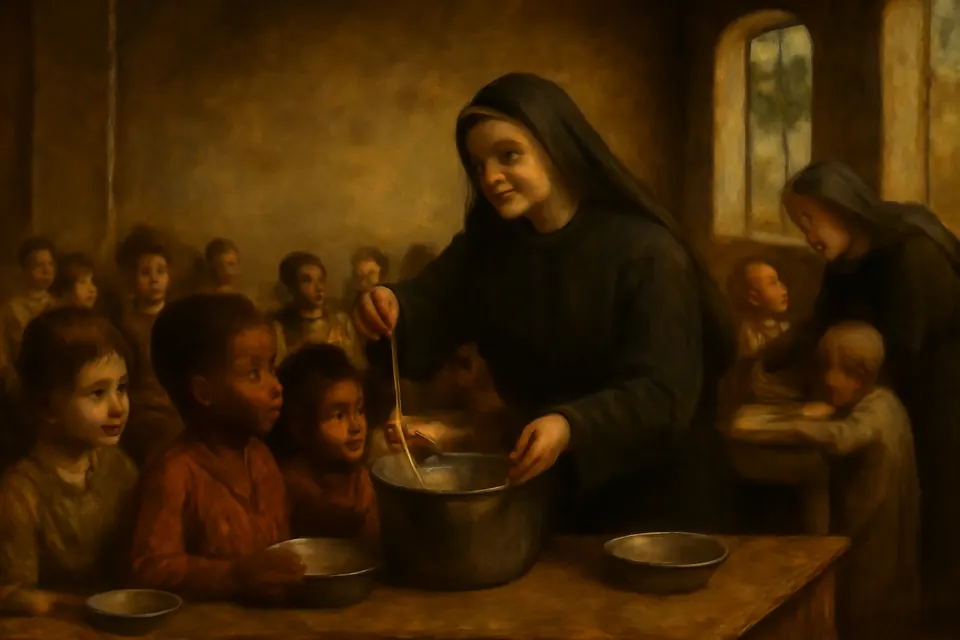
She did every kind of work: nurse, administrator, cook and, above all, mother. She served in orphanages, homes for the elderly and hospitals in São Paulo and Rio Grande do Sul. A serious leg injury, received while visiting a sick person, left her in pain for many years. The children she raised remembered her simply: "Madre Assunta viveva di carità," "Mother Assunta lived on charity."
Her death
She died at the Cristoforo Colombo orphanage in Vila Prudente, São Paulo, on July 1, 1948, at seventy-six. The Scalabrinians record the orphans' cry: "Today charity has died! Today a saint has died!"
Miracles and beatification
- Approved: a miracle attributed to her intercession was recognized by the Church before her beatification, after her heroic virtues had been declared. The public sources we have consulted do not describe the case.
She was beatified on October 25, 2014, in the Metropolitan Cathedral of São Paulo. Cardinal Angelo Amato presided on behalf of Pope Francis and summed up her life in three words: "La carità, immensa, sacrificata, materna," "Charity: immense, sacrificed, motherly."
Symbols of Blessed Assunta Marchetti in art
Images of her come from photographs and are recent. Look for:
- The dark habit and veil of the Scalabrinian Sisters;
- A crucifix, recalling the one Scalabrini gave the first sisters as their companion;
- Children at her side, the orphans who called her mother.
Feast day and prayer
We keep the feast of Blessed Assunta Marchetti on July 1. See the feast day calendar.
Her own sayings, kept by her sisters, are short enough to pray with: "Dio ci mette alla prova, ma non ci abbandona," "God tests us, but He does not abandon us." And: "The motto of our Congregation is: to do the will of God!" Let us ask Blessed Assunta to pray for orphans, for migrant families, and for all who care for children who have no one else.
Frequently asked questions
Who was Blessed Assunta Marchetti?
An Italian sister, born in 1871 at Lombrici di Camaiore near Lucca, who co-founded the Missionary Sisters of St. Charles Borromeo (Scalabrinian Sisters) in 1895 and spent the rest of her life in Brazil caring for orphans, the sick and migrants. She served two terms as superior general and died in São Paulo on July 1, 1948.
When was Assunta Marchetti beatified?
On October 25, 2014, in the Metropolitan Cathedral of São Paulo, Brazil, under Pope Francis. Cardinal Angelo Amato presided, exactly 119 years after the day she and her companions were presented to Bishop Scalabrini.
What is Blessed Assunta Marchetti's feast day?
July 1, the day she died in 1948.
Keep exploring
Sources
- Dicastery for the Causes of Saints: Maria Assunta Caterina Marchetti (1871–1948). Her birth, the founding on October 25, 1895, her injury and death, the beatification of October 25, 2014, the July 1 memorial, and the words of Cardinal Amato and of the sister at her death quoted here
- Scalabrinian Sisters (Suore Missionarie Scalabriniane): Madre Assunta Marchetti. Her family, her brother's invitation and death in 1896, the crucifix from Scalabrini, the 83 children prepared for First Communion at sea, the Cristoforo Colombo orphanage, and her own sayings quoted here