Blessed Maria Restituta Kafka, Nurse and Martyr of Vienna

Blessed Maria Restituta Kafka (1894–1943) was a Franciscan Sister of Christian Charity and head surgical nurse in Mödling. She hung crucifixes in the wards in defiance of the Nazis, was arrested in 1942 and beheaded in Vienna on March 30, 1943. John Paul II beatified her as a martyr on June 21, 1998. Her feast is October 29.
Who was Blessed Maria Restituta Kafka?
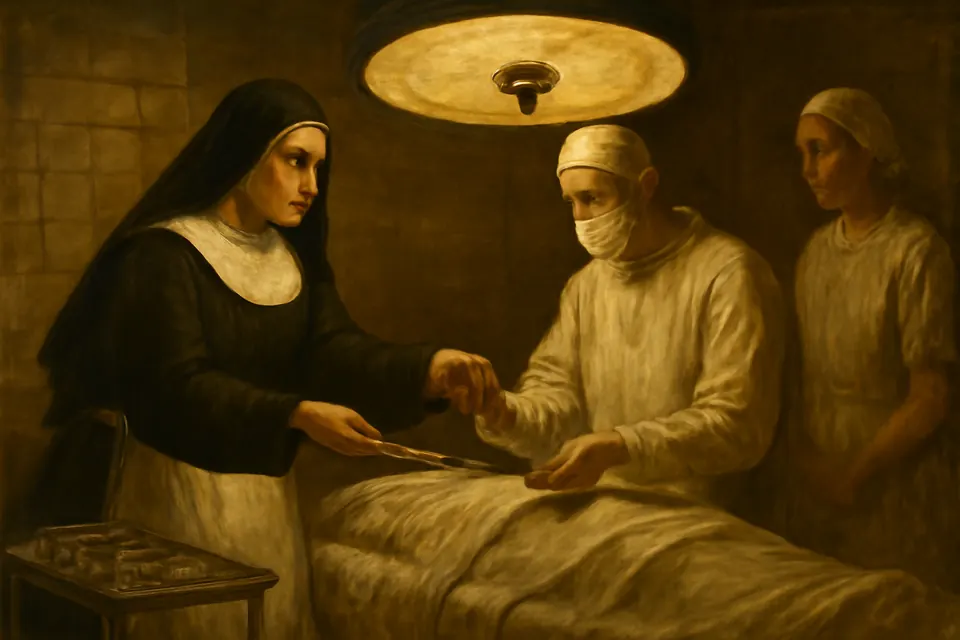
Blessed Maria Restituta Kafka was a Franciscan nursing sister who would not take the crucifixes down. For more than twenty years she ran the operating room of the hospital in Mödling, just outside Vienna. When the Nazis took over Austria she spoke her mind, and against their ban she had a crucifix hung in every hospital room. Arrested on Ash Wednesday 1942, she was sentenced to death and beheaded in Vienna on March 30, 1943. She was the first Austrian martyr beatified, and her sisters still call her simply "Restituta."
The life of Blessed Restituta
A shoemaker's daughter in Vienna
Helene Kafka was born on May 1, 1894, in Husovice, then a suburb of Brünn in Moravia and now part of Brno in the Czech Republic. Her family moved to Vienna when she was small, and she grew up in the working-class district of Brigittenau. She wanted to be a sister from her youth. Her parents opposed it, but, as John Paul II said, she held to her goal of becoming a sister "for the love of God and men."
In October 1913 she began work as an auxiliary nurse at the city hospital in Lainz, and there she met the Franciscan Sisters of Christian Charity. She entered their congregation in 1914 and took the name Maria Restituta, after an early Christian martyr.

"Sister Resoluta" of Mödling
From 1919 she worked at the hospital in Mödling, now the Lower Austrian state hospital, and she became its head surgical nurse. The pope described her hospital work as often hard and monotonous, and he said she became a skilled nurse and a well-known figure in Mödling. Her ability, determination and warmth were such that many called her "Sister Resoluta" instead of Sister Restituta.
The crucifixes
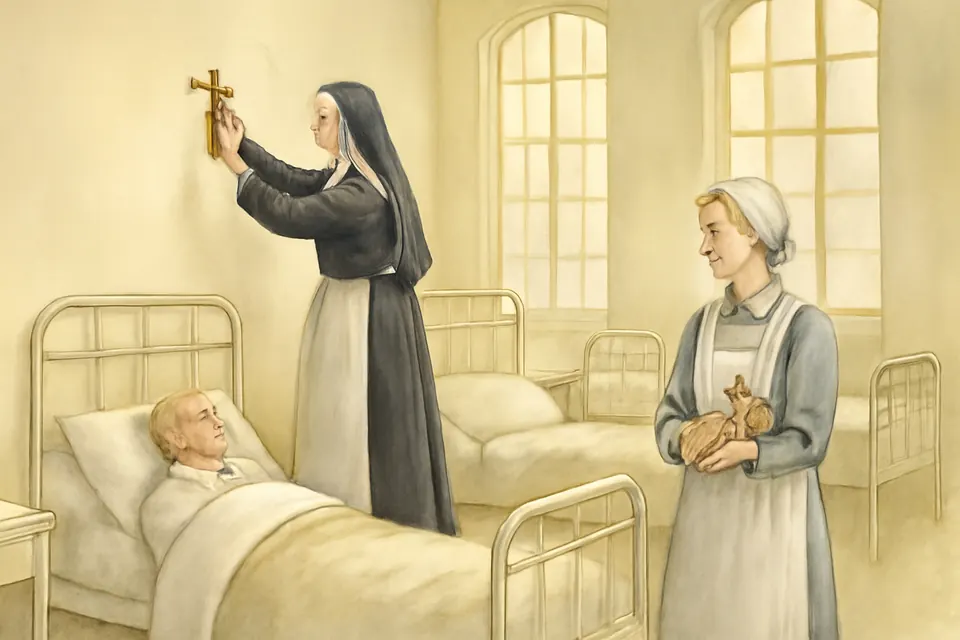
After Austria was annexed by Nazi Germany in 1938, she refused to stay silent. Defying the authorities' bans, John Paul II said, "she had crucifixes hung in all the hospital rooms." The Gestapo arrested her on Ash Wednesday 1942, as she came out of surgery. On October 29, 1942, she was sentenced to death. Three days later, on November 1, she wrote from prison: "I have forgiven from my heart all who contributed to my condemnation" (our translation from the German).
Prison and martyrdom
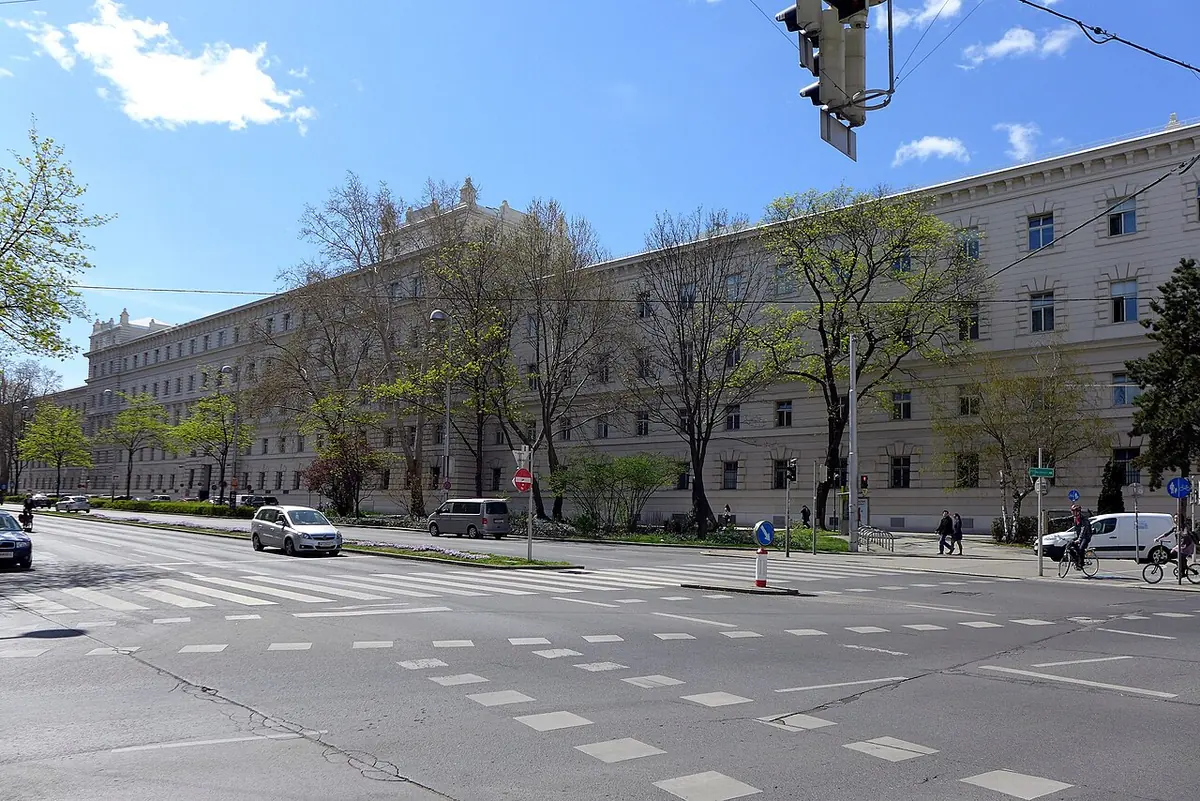
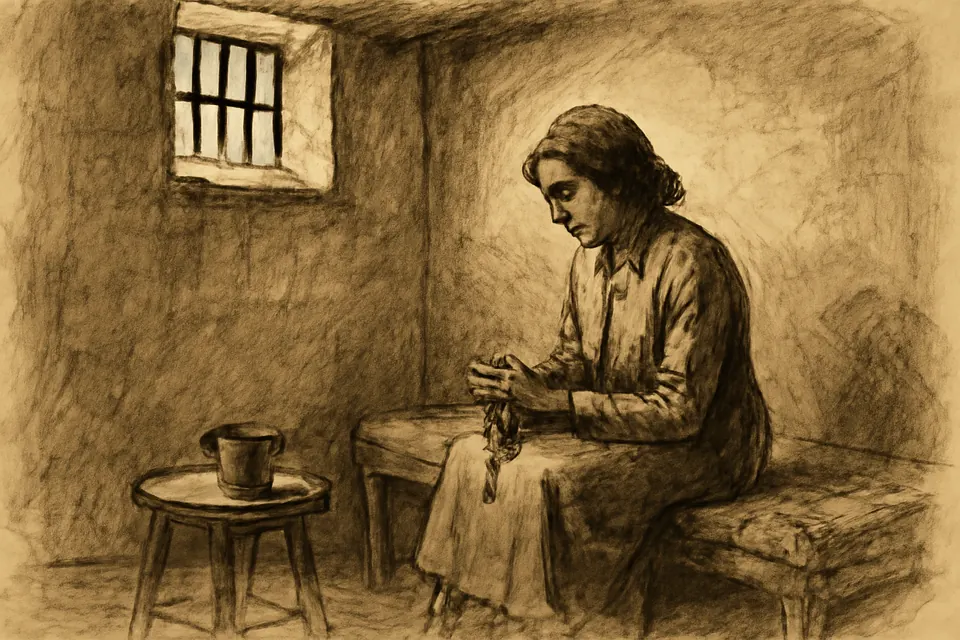
She spent thirteen months in the Vienna Regional Court prison, the Landesgericht. Before her execution she asked the prison chaplain to "make the Sign of the Cross on my forehead." Her last words, as the pope recalled them, were: "I have lived for Christ; I want to die for Christ." She was beheaded at the Landesgericht on March 30, 1943. She was forty-eight.
Beatification as a martyr
John Paul II beatified her on the Heldenplatz in Vienna on June 21, 1998, with Jakob Kern and Anton Maria Schwartz. As a martyr she needed no approved miracle. The pope called her a witness to the Cross and thanked her for "swimming against the tide of the times." Favors received through her prayers remain reported graces until one is examined for her canonization.
Symbols of Blessed Restituta in art
Sister Restituta lived in the age of photography, so artists show her as photographs record her: a sturdy, smiling sister with a broad face.
- Franciscan habit and veil: the habit of the Franciscan Sisters of Christian Charity, often shown white in modern images.
- Crucifix: the crosses she hung in the hospital rooms, which led to her arrest.
- Nurse's apron: for her years in the operating room at Mödling.
- Rosary: she is often shown with a long rosary and cross at her side, as in the statue in the Herz-Jesu-Kirche in Mödling.
Feast day and where she is honored
We keep her feast on October 29, the anniversary of her death sentence, as her congregation does. Her sisters celebrate her memorial in their convent chapel on Hartmanngasse in Vienna, and a permanent exhibition in Vienna, "Restituta: Faith against Nazi Violence," tells her story. In Mödling a plaque at the hospital remembers that she "served the sick in this house from 1919 to 1942," and a Stolperstein, or "stumbling stone," marks her among the victims of the regime. See more on our feast days page.
Praying with Blessed Restituta
We have not found an official English prayer to Blessed Restituta, so we do not print one. Her last words are a prayer we can make our own: "I have lived for Christ; I want to die for Christ."
Let us ask Blessed Maria Restituta Kafka to pray for nurses and all who care for the sick, for Christians who are told to hide the cross, and for the courage to forgive those who wrong us.
Frequently asked questions
Who was Blessed Maria Restituta Kafka?
An Austrian Franciscan sister and nurse, born Helene Kafka in Brno in 1894 and raised in Vienna. For more than twenty years she nursed the sick in Mödling. She was executed by the Nazi regime in 1943 for her faith and her open opposition.
Why was Sister Restituta executed?
She refused to stay silent under National Socialism and, against the authorities' ban, had crucifixes hung in all the hospital rooms. The Gestapo arrested her in 1942, and she was sentenced to death on October 29, 1942.
When is the feast of Blessed Maria Restituta Kafka?
October 29, the anniversary of her death sentence. Her congregation celebrates her liturgical memorial in late October.
What were Sister Restituta's last words?
According to John Paul II, her last words were: 'I have lived for Christ; I want to die for Christ.'
Keep exploring
Sources
- John Paul II, Homily at the beatification of Jakob Kern, Restituta Kafka and Anton Maria Schwartz, Vienna, 21 June 1998, Vatican. The crucifixes, 'Sr Resoluta,' her arrest on Ash Wednesday 1942, her request to the chaplain and her last words
- Selige Maria Restituta – Helene Kafka, Franziskanerinnen von der christlichen Liebe, Vienna. Birth in Brünn-Husovice, Lainz in 1913, entry in 1914, Mödling from 1919, thirteen months in the Landesgericht, the October 29 memorial and her letter of November 1, 1942
- Restituta (website of the Restituta-Forum, Vienna). The permanent exhibition 'Restituta: Glaube gegen NS-Gewalt' in Vienna and the 2024 memorial at the Mödling hospital