Blessed Urban II, Pope
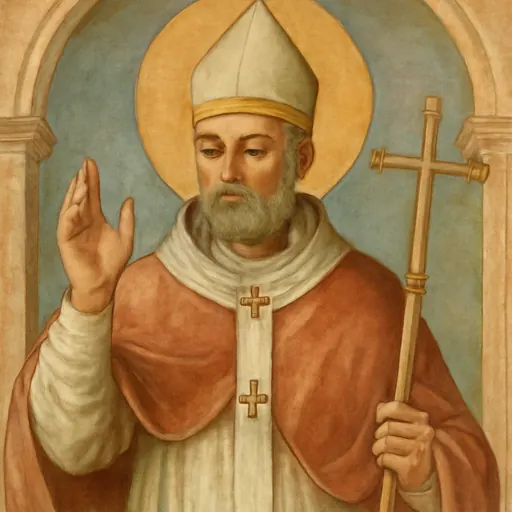
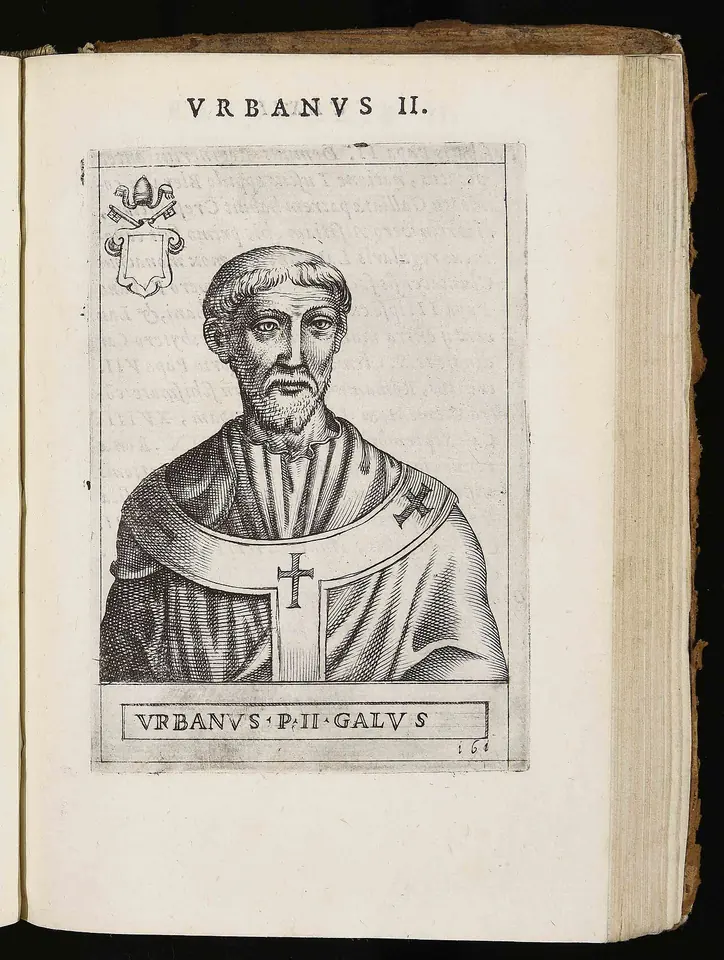
Blessed Urban II (Odo of Lagery, about 1042–1099) was a French monk of Cluny who became pope in 1088 and carried on the reform of St. Gregory VII. At the Council of Clermont in 1095 he called the First Crusade. Leo XIII confirmed his cult in 1881, and his feast is July 29.
Who was Blessed Urban II?
Blessed Urban II was the monk-pope who called the First Crusade. Born Odo of Lagery into a knightly family at Châtillon-sur-Marne in Champagne about 1042, he studied under St. Bruno at Reims, became a monk of Cluny, and was the closest helper of Pope St. Gregory VII in his reform of the Church. Elected pope in 1088, he spent years in exile and poverty while an antipope held Rome. In November 1095, at Clermont in France, he called the knights of Europe to the aid of the Christian East.
He died in Rome on July 29, 1099, two weeks after the crusaders took Jerusalem, before the news could reach him. We keep his feast on July 29.
Monk of Cluny and friend of Gregory VII
Odo studied at Reims under Bruno, who would later found the Carthusians, and became canon and archdeacon there. About 1070 he gave it up to enter Cluny under the great abbot St. Hugh, who made him prior. Hugh sent him to Rome as one of the monks Gregory VII had asked for, and in 1078 Gregory made him Cardinal Bishop of Ostia. As legate in France and Germany he was briefly taken prisoner by the Emperor Henry IV and filled empty sees with bishops loyal to the reform.
After Gregory's death and the short reign of Victor III, the loyal bishops met at Terracina. On March 12, 1088, they elected Odo unanimously, and he took the name Urban. His first act was to pledge himself to his master's work:
All that he rejected, I reject, what he condemned I condemn, what he loved I embrace, what he considered as Catholic, I confirm and approve.
A pope in exile
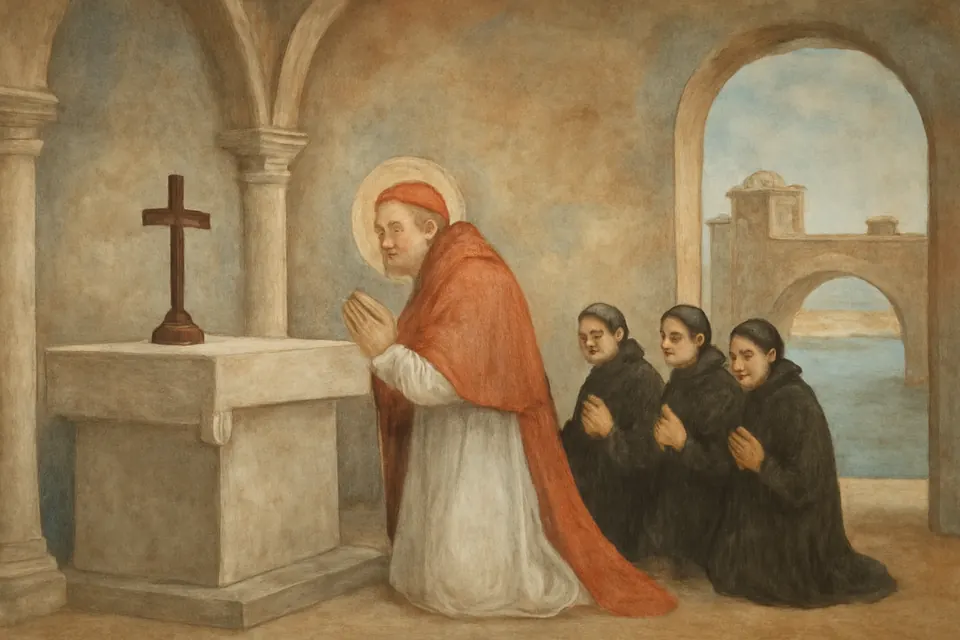
He could not even enter his own city. Rome was in the hands of the antipope Guibert of Ravenna, set up by Henry IV. Urban lived for a time on the island of St. Bartholomew in the Tiber, protected by the Pierleoni family, and for three years wandered through southern Italy holding councils against simony and for the discipline of the clergy. When he finally returned, he lodged in a fortress of the faithful Frangipani family and lived on charity, deep in debt. Only in 1094, when a French abbot of Vendôme sold his monastery's goods to pay the governor of the Lateran palace to hand it over, could Urban sit on the papal throne, six years after his election.
Clermont and the First Crusade
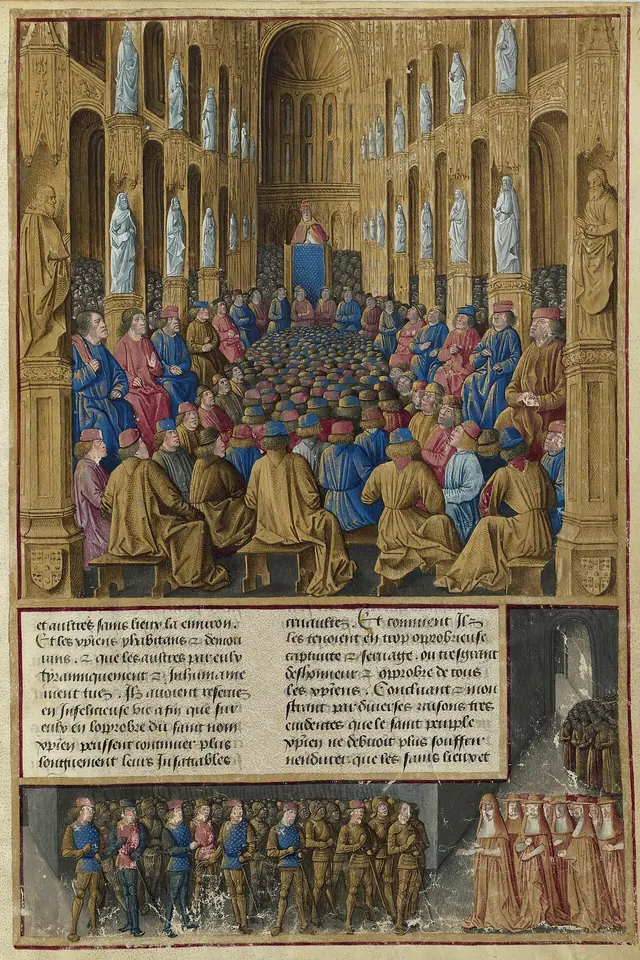
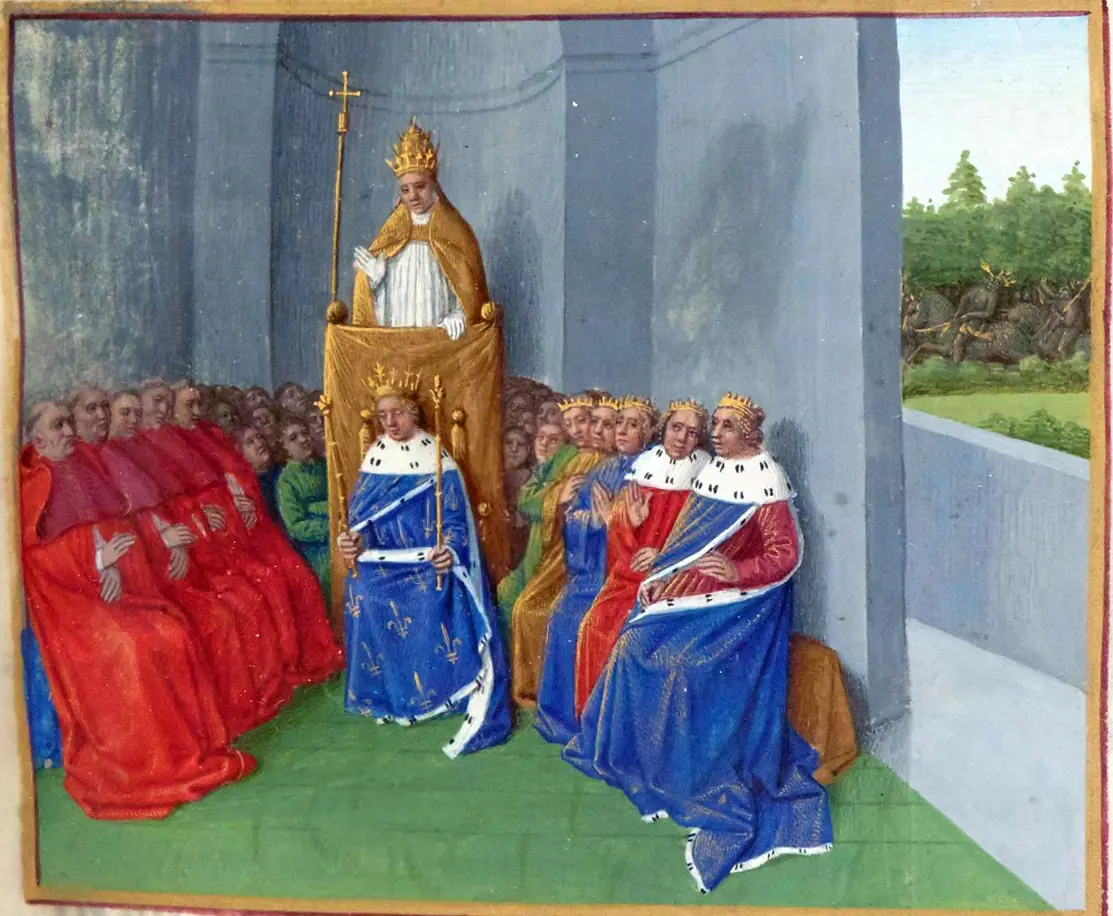
At the Council of Piacenza in March 1095, envoys of the Byzantine emperor Alexius I asked for help against the Seljuk Turks. In November 1095 Urban held a great council at Clermont in Auvergne, with thirteen archbishops, more than two hundred bishops and some ninety abbots. They renewed the reform decrees and excommunicated King Philip I of France for adultery. Then the pope came out of the church and spoke to an immense crowd in the open air.
No exact text of the sermon survives. The chroniclers who wrote it down later agree that he described the sufferings of the Christians of the East and of the holy places, and urged the knights of the West to turn their weapons from fighting one another to their defense. A plenary indulgence was granted to those who went for devotion alone, and the Truce of God was extended. The crowd answered with one shout: Deus lo volt, "God wills it."

Urban refused to lead the army himself and named Bishop Adhemar of Le Puy as his legate. He spent the next months preaching across France. The crusade he called also brought grave sins by many who took the cross, among them the massacres of Jewish communities in the Rhineland in 1096 and the slaughter at the fall of Jerusalem in 1099. The Church has since asked God's forgiveness for violence done in the name of the faith.
His last years and death
Back in Rome, Urban held a council at the Lateran in 1097 and finally won the Castle of Sant'Angelo in 1098. In October 1098 he met with 180 bishops at Bari to seek reunion with the Greeks on the question of the filioque. Among them was St. Anselm of Canterbury, who had fled England and taken refuge with him. Urban held his last council at Rome in April 1099.
He died on July 29, 1099, in the house of the Pierleoni that had so often sheltered him. Jerusalem had fallen on July 15, but word had not yet reached Rome. Because the antipope's followers still held the Lateran, he was buried in the crypt of St. Peter's, near the tomb of Pope Adrian I.
Miracles and the cult
- Reported: the chronicler Guibert of Nogent wrote that miracles were worked at Urban's tomb.
He appears as a saint in many medieval martyrologies. In the apse of the oratory that Pope Callixtus II built in the Lateran Palace, Urban was painted at the feet of Our Lady, labeled sanctus Urbanus secundus. The cause was opened by the Archbishop of Reims in 1878, and Pope Leo XIII confirmed his cult on July 14, 1881.
Symbols of Blessed Urban II in art
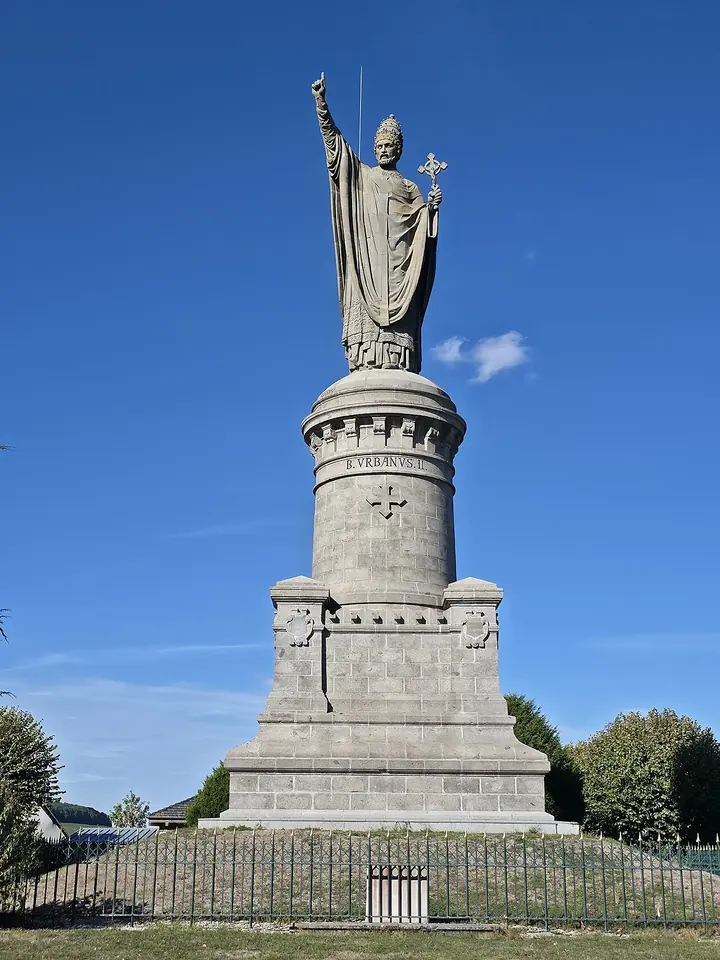
- The papal tiara and pallium, the signs of his office;
- Preaching from a platform or pulpit, the Clermont scene that late medieval manuscripts and nineteenth-century painters loved;
- Crusaders with red crosses on their shoulders around him;
- The square nimbus of the Lateran apse portrait, used for a living or recently dead person.
To recognize him, look for a pope preaching to knights and crowds, often in a French setting, or enthroned in council among bishops.
Feast day and prayer
We keep the feast of Blessed Urban II on July 29. See the feast day calendar.
We know of no traditional prayer to him. Let us ask Blessed Urban to pray for the reform and holiness of the clergy, for the persecuted Christians of the East, for unity between the Churches of East and West, and for peace in the Holy Land.
Frequently asked questions
Who was Blessed Urban II?
Odo (or Otho) of Lagery, a knight's son from Champagne, student of St. Bruno at Reims, monk and prior of Cluny under St. Hugh, then Cardinal Bishop of Ostia and chief helper of Pope Gregory VII. Elected pope in 1088, he spent years in exile while an antipope held Rome, and in 1095 called the First Crusade at Clermont.
Is Pope Urban II a saint?
He is a Blessed. Guibert of Nogent wrote that miracles took place at his tomb, and he was honored as a saint in many medieval martyrologies. The formal confirmation of his cult came from Pope Leo XIII on July 14, 1881, after the Archbishop of Reims opened the cause in 1878.
What did Urban II say at Clermont?
No exact text survives; several chroniclers wrote versions of the sermon years later. All agree that he called on the knights of the West to help the Christians of the East and free Jerusalem, granted a plenary indulgence to those who went out of devotion, and that the crowd answered with the cry "Deus lo volt" (God wills it).
When is the feast of Blessed Urban II?
July 29, the day he died in Rome in 1099.
Keep exploring
Sources
- Catholic Encyclopedia (1912): Pope Bl. Urban II. His life, his declaration on Gregory VII's policy, exile on Tiber Island, the Lateran bought back in 1094, the Councils of Piacenza, Clermont and Bari, his death and burial, Guibert of Nogent's report of miracles, the Lateran apse portrait and the beatification of 1881