Blessed Edmund Ignatius Rice
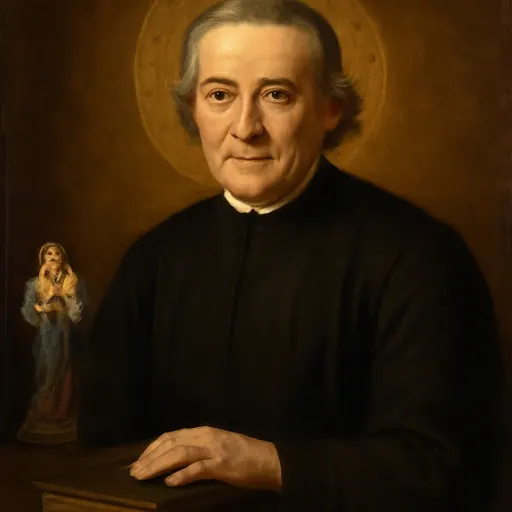
Blessed Edmund Ignatius Rice (1762 to 1844) was a wealthy Irish merchant of Waterford who, after the early death of his wife, gave his fortune and his life to educating poor boys. He founded the Christian Brothers and the Presentation Brothers, whose schools spread around the world. Pope John Paul II beatified him in 1996, and his feast day is May 5.
Who was Blessed Edmund Ignatius Rice?
Blessed Edmund Ignatius Rice was an Irish merchant who gave away his fortune to teach poor boys and founded two religious brotherhoods to carry on the work. Born on June 1, 1762, at Westcourt, near Callan in County Kilkenny, he grew up under the Penal Laws, when Catholic schooling in Ireland was banned or barely tolerated. He made money in the shipping trade in Waterford, lost his young wife, and at about forty turned his life over to the education of the poor. The Christian Brothers and the Presentation Brothers both look to him as their founder.
At his beatification on October 6, 1996, Pope John Paul II called him "an outstanding model of a true lay apostle and a deeply committed religious" and asked, "Who will ever measure all the good that has come from the spiritual insight, warm heart and determined faith of Blessed Edmund Ignatius Rice?"

The life of Edmund Rice
Farm boy and merchant
Edmund was one of a family of farmers. The Edmund Rice Schools Trust says he received his first lessons secretly in a hedge school in Callan and then spent about two years at a commercial academy in Kilkenny. In 1779 he was apprenticed to his uncle Michael Rice in Waterford, a port city whose ships traded across the Atlantic, supplying vessels with everything they needed. By his late twenties he was rich.

Widower
In 1786 he married Mary Elliott, the daughter of a prosperous Waterford businessman. After three years of marriage she suffered an accident, gave birth to a daughter, also named Mary, who was disabled, and died soon after. Edmund was devastated. At his beatification Pope John Paul II put it this way: "The love which he first gave to his young wife and which, after her untimely death, he always showed for his daughter, blossomed into a host of spiritual and corporal works of mercy, as he helped the clergy of his parish meet the pressing needs of his fellow citizens oppressed by poverty and the weight of anti-Catholic legislation."
The school in the stable
EWTN News recounts the story of the moment he chose his path. He was thinking of entering a monastery on the Continent when a crowd of ragged boys went by, and a friend burst out, "What! Would you bury yourself in a cell on the continent rather than devote your wealth and your life to the spiritual and material interest of these poor youths?"
He sold his business and opened a school for poor boys in a converted stable in New Street, Waterford. In 1802 two men from Callan, Thomas Grosvener and Patrick Finn, came to join him, and the three lived together in rooms above the classrooms.
Mount Sion and the brothers
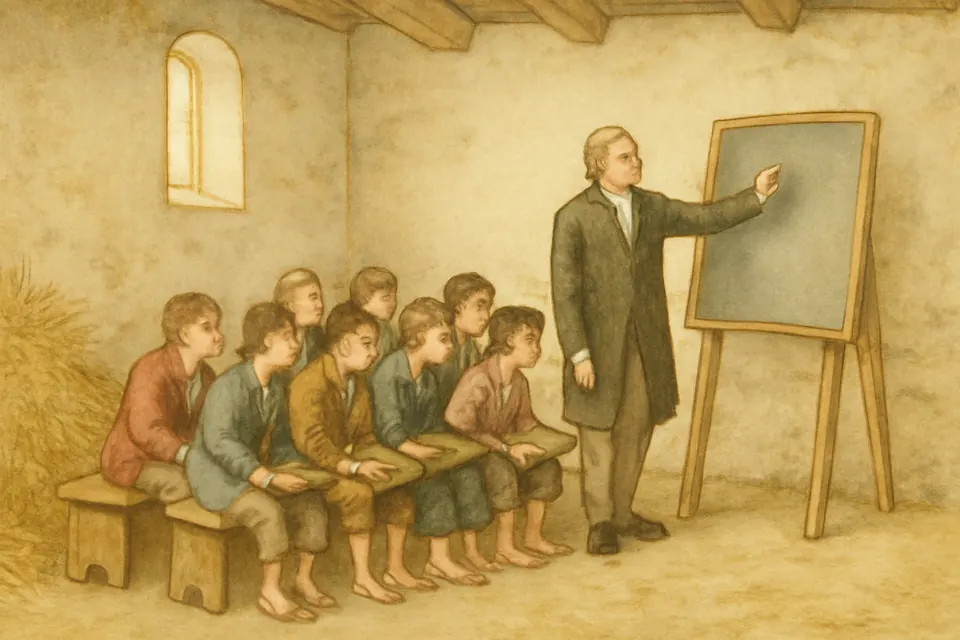
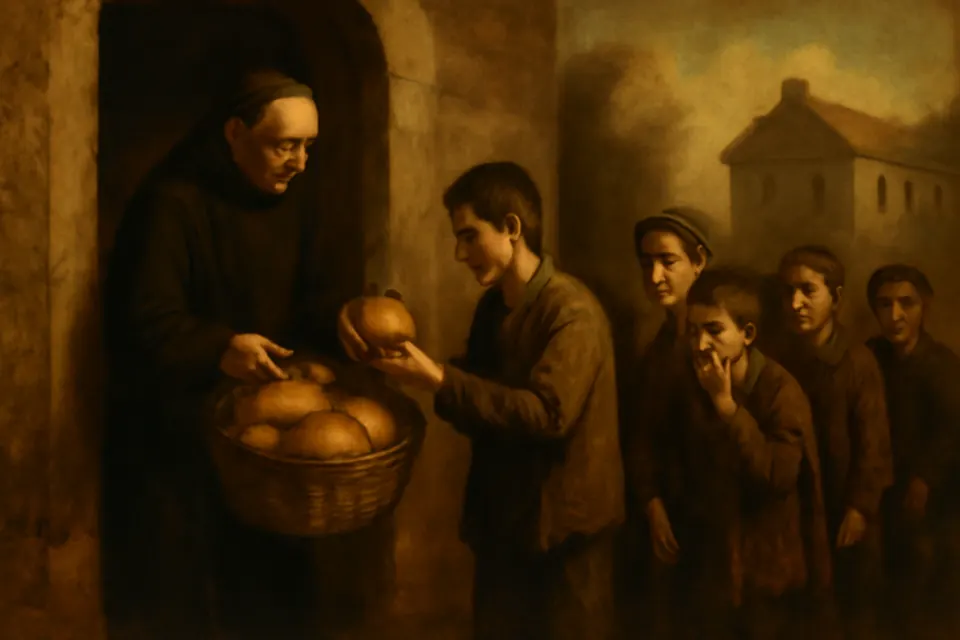
In June 1802 he began building a house and school on a hill in a working-class part of Waterford, paid for out of his own money. He called it Mount Sion. Each classroom held about a hundred boys, who learned reading, writing, arithmetic and religion, with bookkeeping and navigation for the older ones. He added a bakehouse so that hungry boys got fresh bread each morning, and a tailor's shop to make them clothes.
On August 15, 1808, Edmund and his companions took vows under the rule of the Presentation Sisters, founded by Nano Nagle. Pope Pius VII approved the Congregation of Christian Brothers on September 5, 1820, and in January 1822 Edmund was elected its first superior general. The brothers who chose to stay under the local bishop in Cork kept the original rule and became the Presentation Brothers. When asked how his schools would survive without money, he answered, "Providence will be our inheritance."
Last years
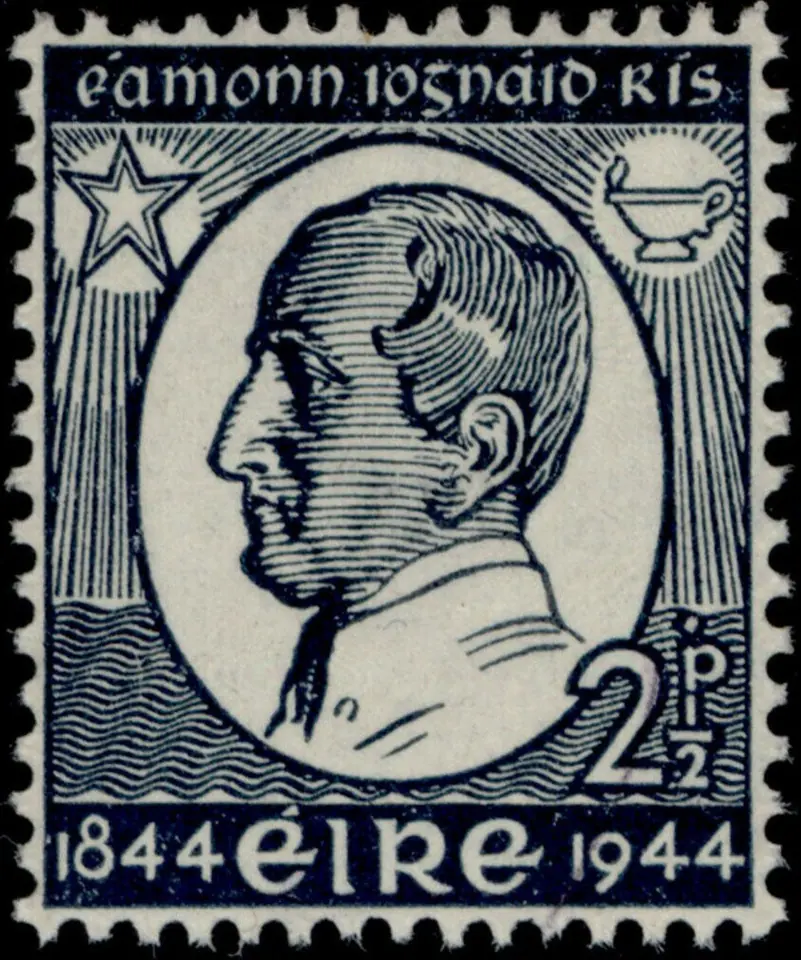
He stepped down as superior general in 1838, at 76, and went home to Mount Sion, where arthritis and failing memory confined him to his room. He died on Thursday, August 29, 1844, and was buried at Mount Sion. By the time of his death the brothers had opened schools in England (1825), India (1841), Australia (1842) and the United States (1843).
Beatification and miracles
Edmund Rice was not a martyr, so his beatification required a miracle attributed to his intercession, which the Holy See examined and approved before Pope John Paul II declared him blessed in Rome on October 6, 1996. A second approved miracle is needed for his canonization. Favors his followers attribute to his prayers since then remain reported.
Why Blessed Edmund Rice is honored by teachers and Catholic schools
He has no formal patronage, but he is the founding figure for the many schools around the world in the Edmund Rice tradition, and teachers in those schools look to him as their model. The Edmund Rice Schools Trust notes that the brothers fed and clothed their pupils as well as teaching them, and that Daniel O'Connell admired him. We can ask his prayers for every teacher who works with poor children and for every school that serves them. See our patron saints page for patrons of students and teachers, among them St. John Baptist de La Salle.
Symbols of Blessed Edmund Rice in art
As a 19th-century blessed, Edmund has no ancient attributes, but his images repeat a few signs:
- The black habit of a religious brother, or in earlier portraits a merchant's dark coat and white neckcloth.
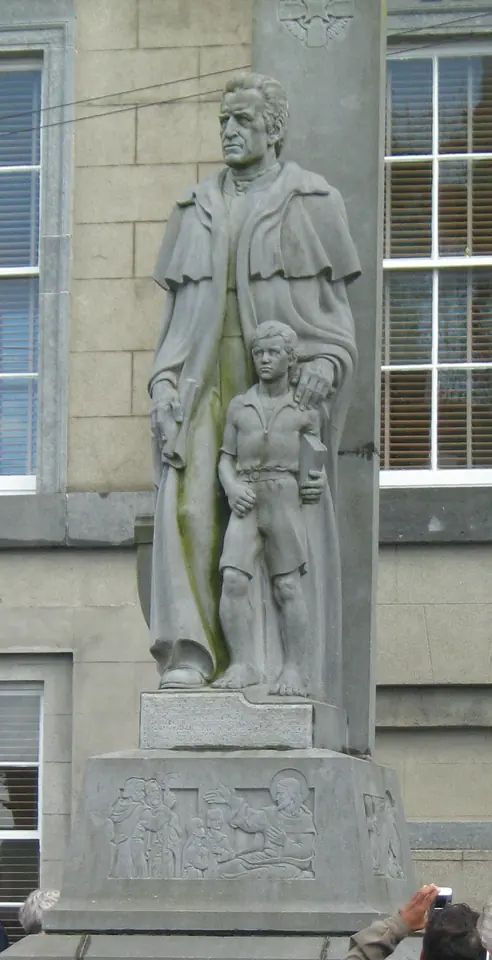
- A boy at his side: usually one schoolboy with his hand on the boy's shoulder, for the poor children he taught.
- A Bible or book: his love of Scripture and of learning.
- A statue of the Virgin and Child: seen in his old portraits, a sign of his devotion to Our Lady.
- Bread: for the bakehouse at Mount Sion.
The statue unveiled in 1951 in his hometown of Callan shows him with a schoolboy.
Feast day and where he is honored
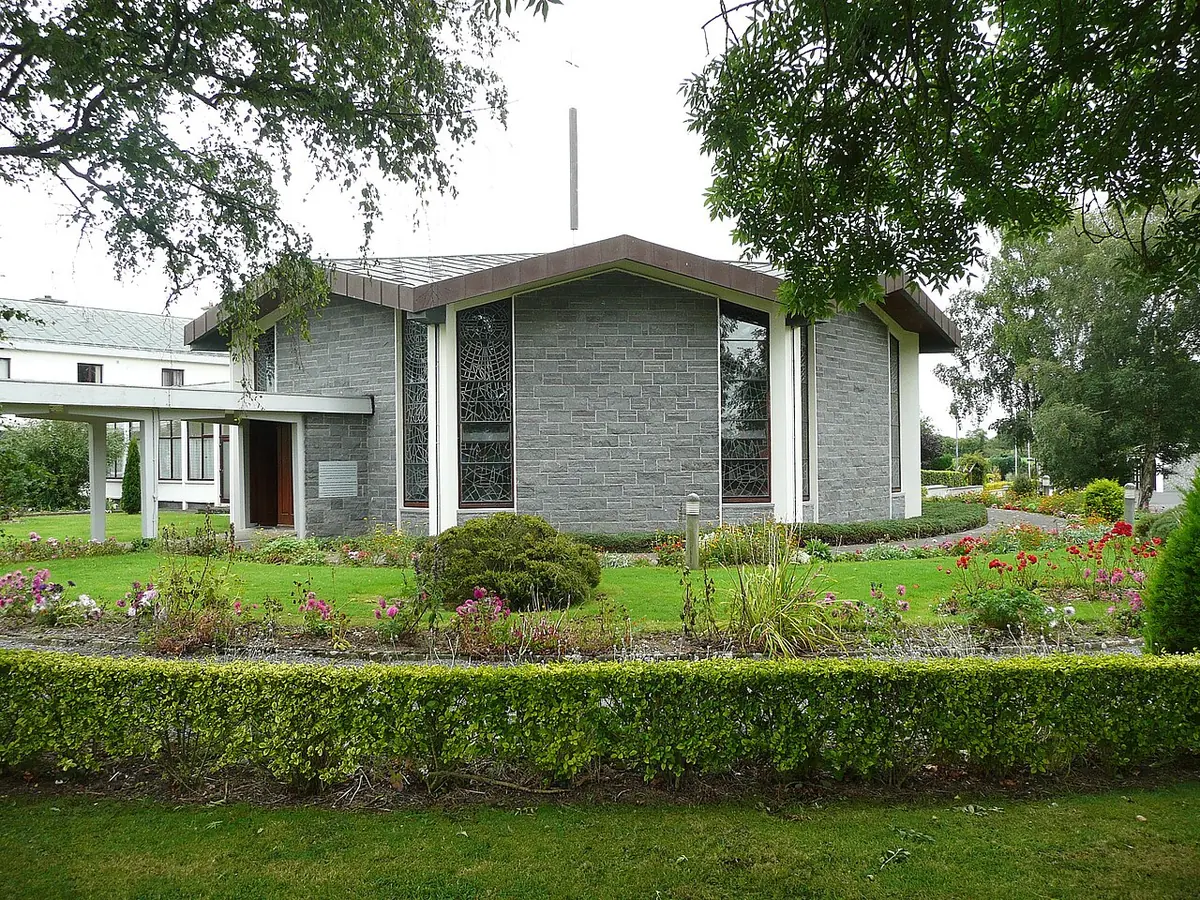
We keep his feast on May 5. His tomb is in the Edmund Rice Chapel at Mount Sion in Waterford, and his birthplace at Westcourt, Callan, is a heritage center with a chapel for pilgrims.
Prayer to Blessed Edmund Rice
The brothers and their schools use several prayers for his canonization; no single text is standard in English. We can pray in his own spirit, taking up the words John Paul II quoted at his beatification: let us ask Blessed Edmund to help us educate our children "to be good Catholics and good citizens," and to trust, as he did, that "Providence will be our inheritance." Blessed Edmund Rice, pray for us.
Frequently asked questions
Who was Blessed Edmund Rice?
An Irish Catholic businessman, born in Callan, County Kilkenny, in 1762, who became a successful merchant in Waterford. Widowed after three years of marriage, he opened a free school for poor boys in 1802 and gathered companions who became the Christian Brothers and the Presentation Brothers. He died at Mount Sion in Waterford in 1844.
Why did Edmund Rice found the Christian Brothers?
To give poor Catholic boys, shut out of education by the Penal Laws and by poverty, a free Christian schooling. Pope John Paul II quoted his own statement of purpose at his beatification - "Trusting in God's help, I hope to be able to educate these boys to be good Catholics and good citizens."
When was Edmund Rice beatified?
On October 6, 1996, in Rome, by Pope John Paul II, who called him "an outstanding model of a true lay apostle and a deeply committed religious."
When is the feast of Blessed Edmund Rice?
May 5. Schools of the Edmund Rice tradition around the world celebrate it each year.
Keep exploring
- Patron saint pages
- Teachers
- Feast-day calendar
- Saints remembered in MaySaint of the day
- More
- Saints A to ZPatron saints A to ZExplore every section