St. Peter Mogila
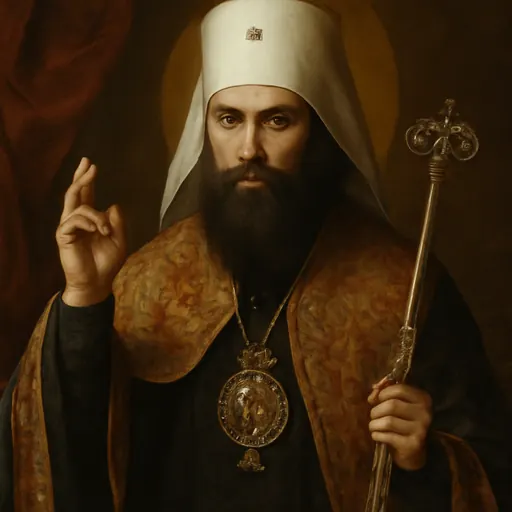
St. Peter Mogila (Petro Mohyla, 1597–1647) was a prince of Moldavia who became archimandrite of the Kyiv Caves Monastery and then Metropolitan of Kyiv. He founded the school that became the Kyiv-Mohyla Academy, wrote the Orthodox Confession of Faith and a great book of services, and rebuilt Kyiv's oldest churches. The Ukrainian Orthodox Church glorified him in 1996; his feast is December 31.
Who was St. Peter Mogila?
St. Peter Mogila, in Ukrainian Petro Mohyla, was Metropolitan of Kyiv from 1633 until his death in 1647. He was born a prince of Moldavia, fought as a soldier, became a monk, and gave the rest of his life to rebuilding the Orthodox Church of Ukraine at a time when it had been pushed to the margins of the Polish-Lithuanian Commonwealth. His school became the Kyiv-Mohyla Academy, and his Orthodox Confession of Faith and great book of services shaped Orthodox teaching and worship far beyond Kyiv.
The Orthodox keep his feast on December 31.
The life of St. Peter Mogila
A prince in exile
He was born in Moldavia, on January 10, 1597, according to the Encyclopedia of Ukraine. His father, Simeon Movilă, ruled Wallachia and then Moldavia as hospodar; his mother, Margareta, was a Hungarian princess, and three of his brothers later ruled Moldavia too. After his father was murdered in 1607, the boy and his mother fled to relatives among the great landowners of western Ukraine, then part of the Polish-Lithuanian Commonwealth.
He was tutored by teachers from the Orthodox brotherhood school of Lviv, studied at the academy of Zamość, and traveled for study in the Netherlands and France. As a young man he served under the Polish hetman Stanisław Żółkiewski and fought the Turks at Cecora in 1620 and Khotyn in 1621.
Archimandrite of the Caves
Then he turned to God. He became a monk, and in September 1627 he was chosen archimandrite of the Kyiv Caves Monastery, the Pechersk Lavra, the oldest and holiest monastery of the Rus'. In 1631 he opened a school there.
In 1632 the Orthodox won back legal recognition in the Commonwealth, and that November their deputies in the Polish Sejm put Peter forward as Metropolitan of Kyiv. He was consecrated in the Dormition Church in Lviv on May 7, 1633.
The school, the books and the churches
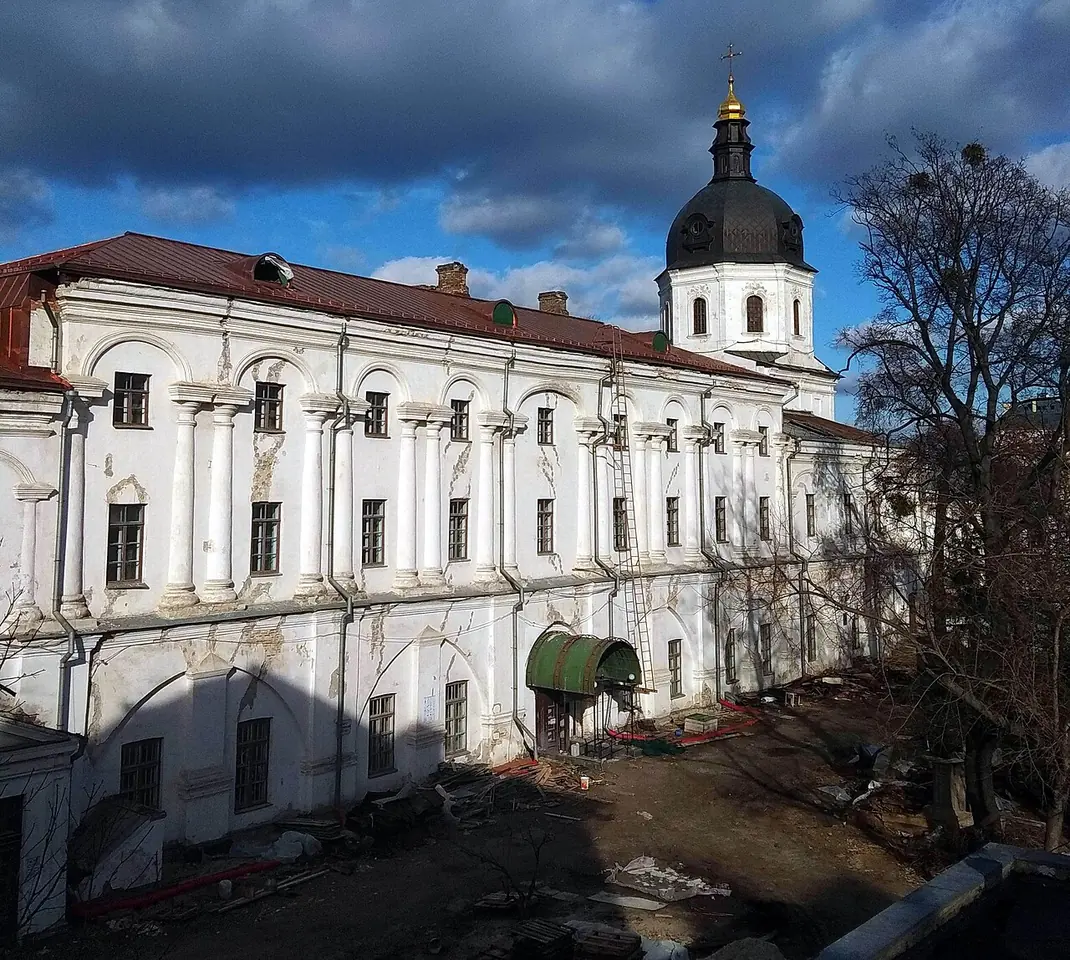
In 1632 he joined the Lavra school to the school of the Kyiv Epiphany Brotherhood. The new college, later the Kyiv-Mohyla Academy, taught in Latin on the model of the Western colleges, so that Orthodox young men could study at home. The OCA calls it "the most influential institution of theological education in all of Russia" for generations afterward. St. Paisius Velichkovsky studied there as a boy.
His Orthodox Confession of Faith was accepted by a council in Kyiv in 1640, approved with changes by a council at Iași in Moldavia in 1642, and confirmed by the Greek patriarchs in 1643. In 1646 he published his great Euchologion, or Trebnyk, the book of services and sacraments that priests used for generations.
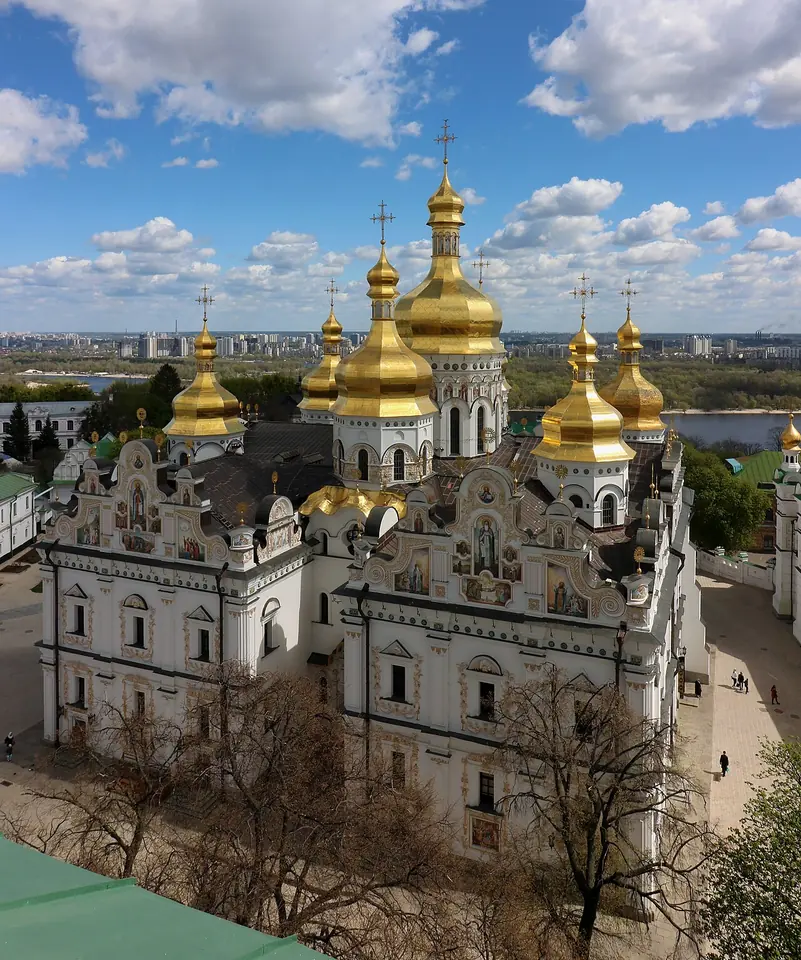
He also cleared and restored the ancient churches of Kyiv: St. Sophia Cathedral, the Church of the Savior at Berestove, and the ruins of the Church of the Tithes, built by St. Vladimir. The Encyclopedia of Ukraine calls his work at the Tithe Church the first archaeological excavation in Ukraine.

The OCA, writing from the Orthodox side, notes that Mogila's school and books brought in "significant Latin influences" from the Catholic theology he had studied, and calls his Confession, in the form approved at Iași, the most Latin-influenced document an Orthodox council ever endorsed. The Church glorified him for his holiness and his labors all the same.

Death and burial
He died at Kyiv at the turn of the year 1646–47 and was buried in the Dormition Cathedral of the Caves Monastery.
Miracles
No miracles are told of St. Peter Mogila in the sources we consulted. The Church glorified him for his holy life and his service as a bishop, teacher and builder.
Symbols of St. Peter Mogila in art
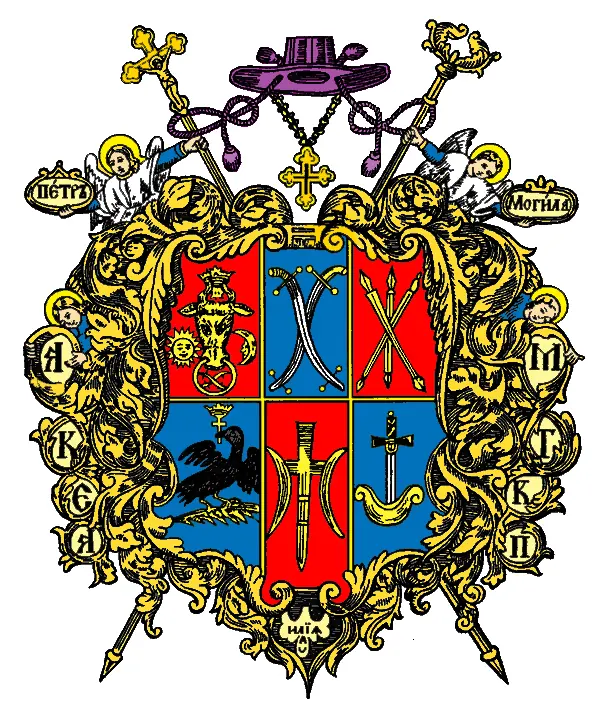
Icons and portraits show him as a dark-bearded hierarch in the white cowl (klobuk) worn by the metropolitans of Kyiv, with a bishop's mantle and staff, often blessing. Old portraits, like the one at the top of this page, add the coat of arms of the Movilă family.
Feast day and glorification
The Holy Synod of the Ukrainian Orthodox Church canonized him on December 6, 1996, and he was solemnly glorified at the Kyiv Caves Lavra on December 15 that year. About nine years later his name was added to the calendar of the whole Russian Orthodox Church. His feast is December 31 (January 13 on the Julian calendar), and in 2025 the Kyiv Theological Academy added a second commemoration on December 15. See other saints of the season on our feast days calendar.
Prayer to St. Peter Mogila
The Orthodox Church honors him with the hymns of his feast, sung in Ukrainian and Church Slavonic. There is no common traditional prayer to him in English. Let us ask St. Peter Mogila to pray for the Church in Ukraine, for teachers and students of theology, and for peace in his land. Holy Hierarch Peter, pray to God for us.
Frequently asked questions
Who was St. Peter Mogila?
The son of a ruling prince of Moldavia, raised in exile in Ukraine, who served as an officer against the Turks, became a monk, and led the Orthodox Church of Kyiv from 1633 to his death in 1647. He is remembered for his school, his books and his defense of the Orthodox Church in the Polish-Lithuanian Commonwealth.
What is the Kyiv-Mohyla Academy?
The school Mogila founded in 1632 by joining his school at the Kyiv Caves Monastery to the school of the Kyiv Epiphany Brotherhood. It grew into one of the most important centers of learning in Eastern Europe and still exists as a university in Kyiv.
When is the feast of St. Peter Mogila?
December 31 (January 13 on the civil calendar for churches that keep the Julian calendar). Since 2025 the Kyiv Theological Academy has also kept December 15, the day he was glorified in 1996.
Is Peter Mogila a saint?
Yes, in the Orthodox Church. The Holy Synod of the Ukrainian Orthodox Church canonized him on December 6, 1996, and about nine years later his name was added to the calendar of the whole Russian Orthodox Church. The OCA notes that the Churches of Romania and Poland also honor him as a saint.
Keep exploring
Sources
- Internet Encyclopedia of Ukraine: Mohyla, Petro. His family and exile, his military service at Cecora and Khotyn, the dates of his election and consecration, the school of 1631–1632, the councils that approved his Confession, the restored churches and his burial
- Orthodox Church in America, The Orthodox Faith, vol. 3: Saint Peter Mogila. The Latin influence on his books and the councils of Kyiv (1640) and Jassy (1642)
- OrthoChristian.com: Kiev theological schools celebrate second feast of St. Peter (Mogila) for first time (December 16, 2025). His canonization on December 6, 1996, glorification on December 15, 1996, and the feast of December 31/January 13
- OrthoChristian.com: Holy Hierarch, Educator, Warrior for Orthodoxy. His addition to the general calendar of the Russian Orthodox Church nine years after 1996