Blessed Titus Zeman, Salesian Priest and Martyr
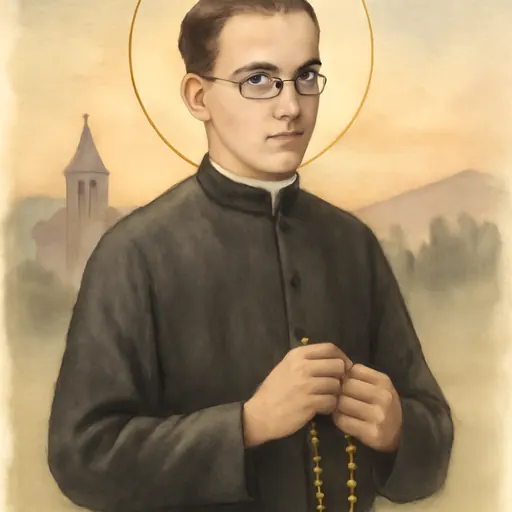
Blessed Titus Zeman (1915–1969) was a Slovak Salesian priest who, after the Communists closed the religious houses in 1950, led young Salesians secretly across the border so they could finish their studies for the priesthood. Caught in 1951, he spent thirteen years in prisons and labor camps and died of their effects in 1969. He was beatified as a martyr in Bratislava on September 30, 2017, and the Salesians honor him as patron of vocations. His memorial is January 8.
Who was Blessed Titus Zeman?
Blessed Titus Zeman was a Slovak Salesian priest who gave his freedom, and in the end his life, so that other young men could become priests. When the Communist government of Czechoslovakia closed the religious houses in 1950, he led young Salesians across the Iron Curtain to finish their studies in Italy. Caught on the third attempt, he spent thirteen years in prisons and labor camps and died in 1969, broken in body.
He was beatified as a martyr in Bratislava on September 30, 2017. The Salesians honor him as patron of vocations, and his memorial is January 8.

A boy who promised to be a priest
Titus was born on January 4, 1915, in Vajnory, a village near Bratislava, the first of ten children of a family of farmers and sacristans. He was sick much of his childhood. The Dicastery for the Causes of Saints records that at about ten he was suddenly healed through the intercession of the Virgin Mary, and that he promised her then to be "her son forever" and to become a Salesian priest.
- Reported: his sudden childhood healing, which he attributed to Our Lady, as told in his official biography.
He entered the Salesian novitiate in 1931, made his first vows in 1932 and his perpetual vows in 1938, studied in Italy, and was ordained a priest in Turin in 1940. Back in Slovakia he taught and worked as a chaplain and catechist. When the new Communist regime ordered crucifixes out of the schools, he defended them and lost his teaching post.
The crossings
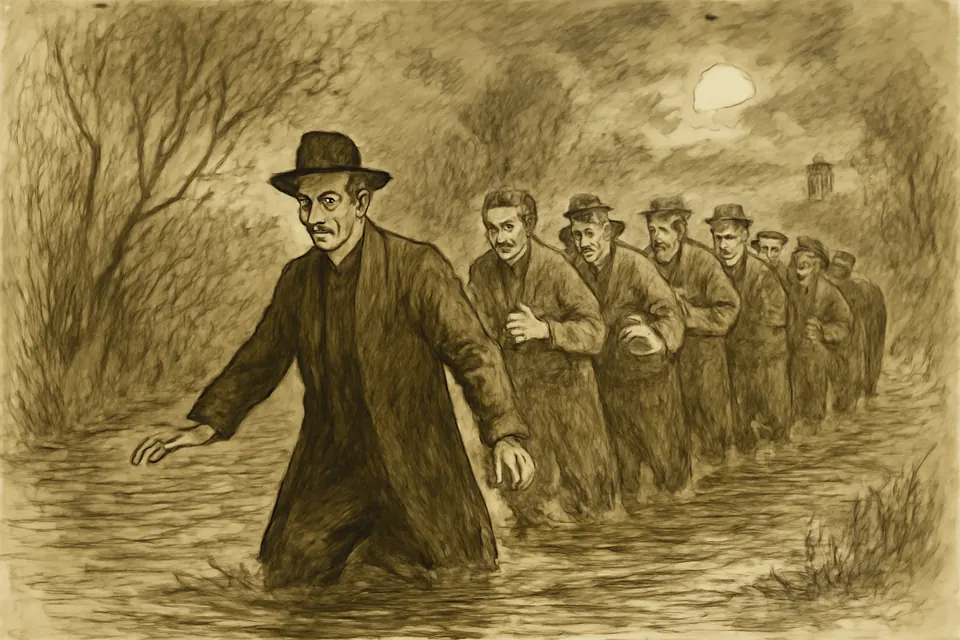
In April 1950, on what Slovaks call the "Night of the Barbarians," state security raided the religious houses of Czechoslovakia and interned their members. Father Titus escaped because he was serving in a diocesan parish. He asked himself what he could do for the young Salesian seminarians who now had no way to become priests. With the blessing of the Salesian Rector Major in Turin, he decided to take them across the border himself.
"I regarded it as a special mission," he later said, in words kept by the Slovak Salesians (our translation), "to help Salesian seminarians leave to study in Turin and finish their theology, when they could no longer study for the priesthood here after the religious houses were closed."
Two crossings succeeded. On the third, in April 1951, almost the whole group was caught.
Thirteen years in prison
The Dicastery's biography lists what followed: a week of torture between capture and formal arrest, ten more months of interrogation, and a trial in February 1952 on charges of espionage, high treason and illegal border crossing. The prosecutor asked for death. The sentence was commuted, to general surprise, to twenty-five years of hard prison without parole. The Slovak Salesians count fifty-eight interrogations with torture.
He was labeled a "MUKL," a man marked for elimination. He was sent to the camps where prisoners crushed uranium ore by hand without protection, in the place Cardinal Amato called the "Tower of Death." He spent long periods in solitary confinement on a fraction of the normal ration. Through it all, witnesses said, he refused to name those who informed on him and forgave his persecutors. "Better to forgive and forget," he used to say, as quoted by Cardinal Amato in Italian.
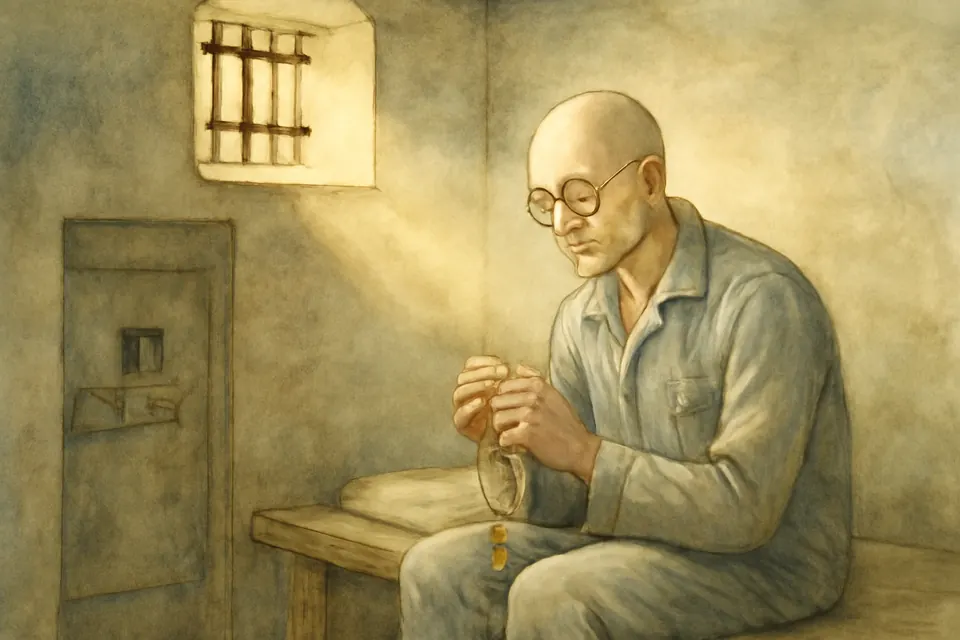
On March 10, 1964, he was released on parole, barely recognizable, his lungs scarred. He was watched and followed and forbidden to minister publicly as a priest. He died on January 8, 1969, after three heart attacks, an amnesty granted just before his death. Even the secret police informers at his funeral wrote in their reports of a martyr who had suffered for the Church. In 1991 a court declared him fully innocent.
Beatification and relics
Pope Francis approved his martyrdom, and Cardinal Angelo Amato beatified him in Bratislava on September 30, 2017. At the Angelus the next day the Pope said:
He joins the long line of martyrs of the twentieth century, because he died in 1969 after a long time in prison on account of his faith and his pastoral service.
That is our translation of the Italian text. His main reliquary rests in the left side altar of the parish church of Our Lady of Sorrows in Vajnory; his first grave is in the cemetery beside it. Small first-class relics have been given to churches for public veneration.

Why Blessed Titus Zeman is the patron of vocations
The Salesians of Slovakia call him "martyr for priestly vocations." They count twenty-one vocations he saved by his crossings. The words chosen by the Dicastery to head his biography, translated from the Italian, say it plainly: even if he lost his life, he would not consider it wasted, knowing that at least one of those he had helped had become a priest in his place.
Symbols of Blessed Titus Zeman in art
His images are recent, and they keep to a few signs:
- The black Salesian cassock and round glasses of the photographs taken in his lifetime;
- The rosary, for the Marian promise of his childhood and his devotion to Mary Help of Christians;
- Chains or prison stripes, for his thirteen years in prison;
- Young seminarians at his side or behind him, for the men he led to the priesthood.
Feast day and prayer
We keep the memorial of Blessed Titus Zeman on January 8. See the feast day calendar.
The Slovak Salesians publish prayers for his intercession and his canonization. Let us ask Blessed Titus to pray for young men and women discerning a vocation, for seminarians in countries where the Church is persecuted, and for the grace to forgive those who wrong us.
Frequently asked questions
Who was Blessed Titus Zeman?
A Salesian priest from Vajnory near Bratislava. When the Communist regime closed the religious houses in 1950, he organized secret crossings to bring young Salesians to Turin to finish their studies. He was arrested in 1951, sentenced to twenty-five years, tortured, and made to crush uranium ore by hand. Released on parole in 1964, he died in 1969.
Why is Titus Zeman called the patron of vocations?
Because he risked his life to save the vocations of young men who could not study for the priesthood at home. The Slovak Salesians say he saved twenty-one vocations, and the Salesian family honors him as patron of vocations.
When was Titus Zeman beatified?
On September 30, 2017, in Bratislava, with Cardinal Angelo Amato presiding for Pope Francis. The next day Pope Francis said at the Angelus that Zeman joined "the long line of martyrs of the twentieth century."
Where are the relics of Blessed Titus Zeman?
His main reliquary is in the left side altar of the parish Church of Our Lady of Sorrows in Vajnory, his home parish. His first grave is in the cemetery beside it.
Keep exploring
Sources
- Dicastery for the Causes of Saints: Titus Zeman (1915-1969). Biography, his healing as a boy, the crossings, the trial of February 1952, the uranium work, his death and rehabilitation, Pope Francis's Angelus of October 1, 2017, and Cardinal Amato's beatification homily (in Italian)
- Saleziáni don Bosca na Slovensku: Titus Zeman. Patron of vocations, 13 years in prison, 21 vocations saved, 58 interrogations with torture, and his own words on his mission (in Slovak)
- Saleziáni don Bosca na Slovensku: Relikvie. The reliquary in Vajnory and his first grave (in Slovak)