St. Peter of Sebaste, Youngest Brother of St. Basil
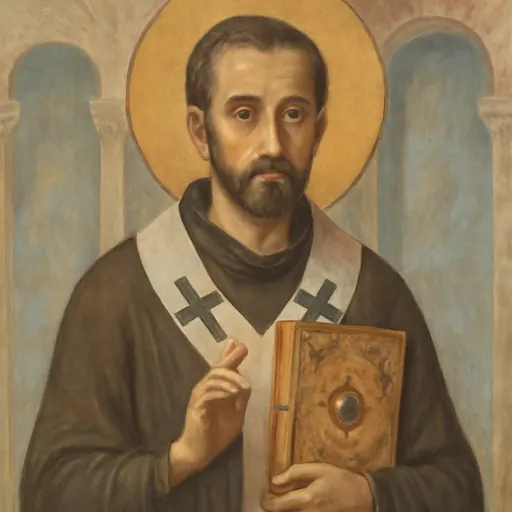
St. Peter of Sebaste (about 340–391) was the youngest child of a family of saints: his brothers were St. Basil the Great and St. Gregory of Nyssa, and his sister St. Macrina raised him. He led the family's monastery for men, became bishop of Sebaste in Armenia and attended the Council of Constantinople. His feast is January 9.
Who was St. Peter of Sebaste?
St. Peter of Sebaste was the youngest child of what may be the holiest family in Church history. His grandmother was St. Macrina the Elder, his parents St. Basil the Elder and St. Emmelia, and his older siblings included St. Macrina the Younger, St. Basil the Great and St. Gregory of Nyssa. Peter was born about 340, became a monk, then a priest, and about 380 bishop of Sebaste in Armenia. He stood with his brothers against the Arian heresy and died in 391. We keep his feast on January 9.
He wrote nothing that survives, and we know him mostly through the eyes of his brother Gregory. What Gregory tells us is enough to see a quiet, capable, generous man who was never far from his sister's side.
Raised by his sister
Peter came into the world as his father left it. Gregory, in his Life of St. Macrina, puts it in one line: "At one and the same time he received the names of son and orphan, for as he entered this life his father passed away from it."
Macrina, the eldest of the ten, took the baby from his nurse and raised him herself. Gregory writes that she became "all things to the lad—father, teacher, tutor, mother, giver of all good advice." She trained him from infancy in Scripture and prayer, and before he was out of boyhood he had set his heart on the ascetic life.
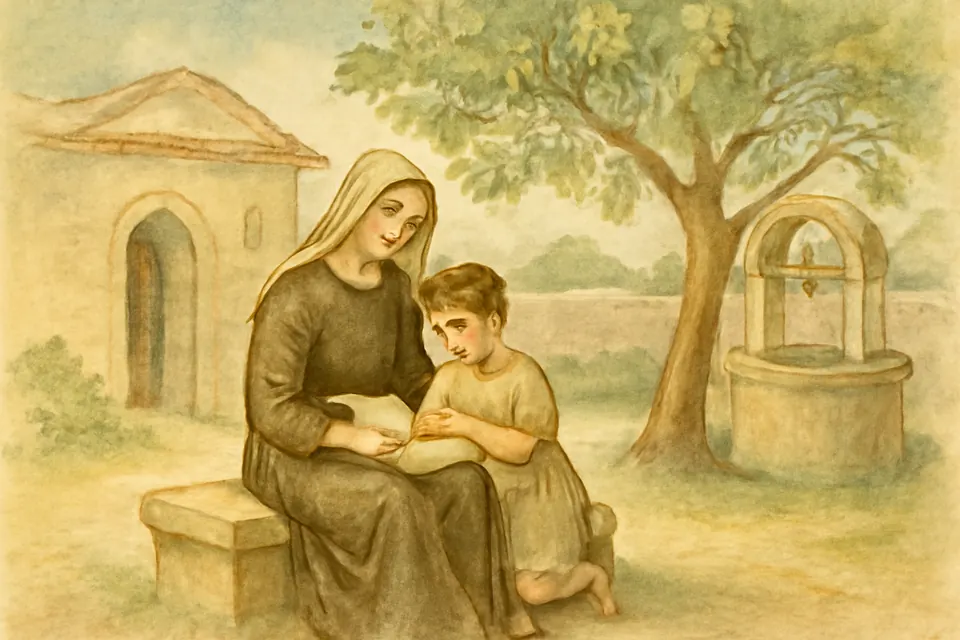
Gregory adds a detail that brings him to life: Peter was clever with his hands, able to learn on his own any craft that other people needed years to master. He chose not to spend his youth on worldly studies, and Gregory judged that in virtue he was "in no whit inferior to the great Basil."
The monastery on the Iris
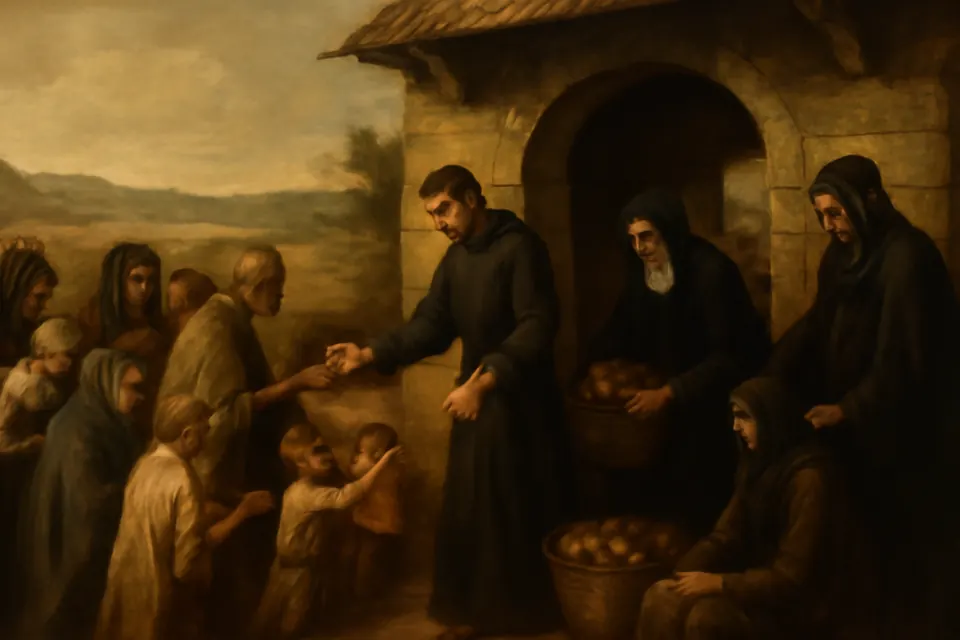
On the family estate beside the Iris River in Pontus, Macrina and their mother Emmelia turned their household into a community of women living in prayer and common work. A community of men grew up beside it, and Peter led it. Gregory tells how, during a severe famine, crowds came from all sides to the retreat, "drawn by the fame of their benevolence," and "Peter's kindness supplied such an abundance of food that the desert seemed a city by reason of the number of visitors."
When Emmelia was dying, Peter and Macrina sat on either side of her bed. She blessed them both, calling Macrina her first-fruits and Peter her tenth, and offered them to God. A visitor quoted in the Life remembered staying at the monastery and being served at table by "great Peter waiting on us with his own hands."
Priest, bishop and brother
After Basil became bishop of Caesarea in 370, he ordained Peter a priest himself. Peter went back to his ascetic life and helped his sister with the monastery.
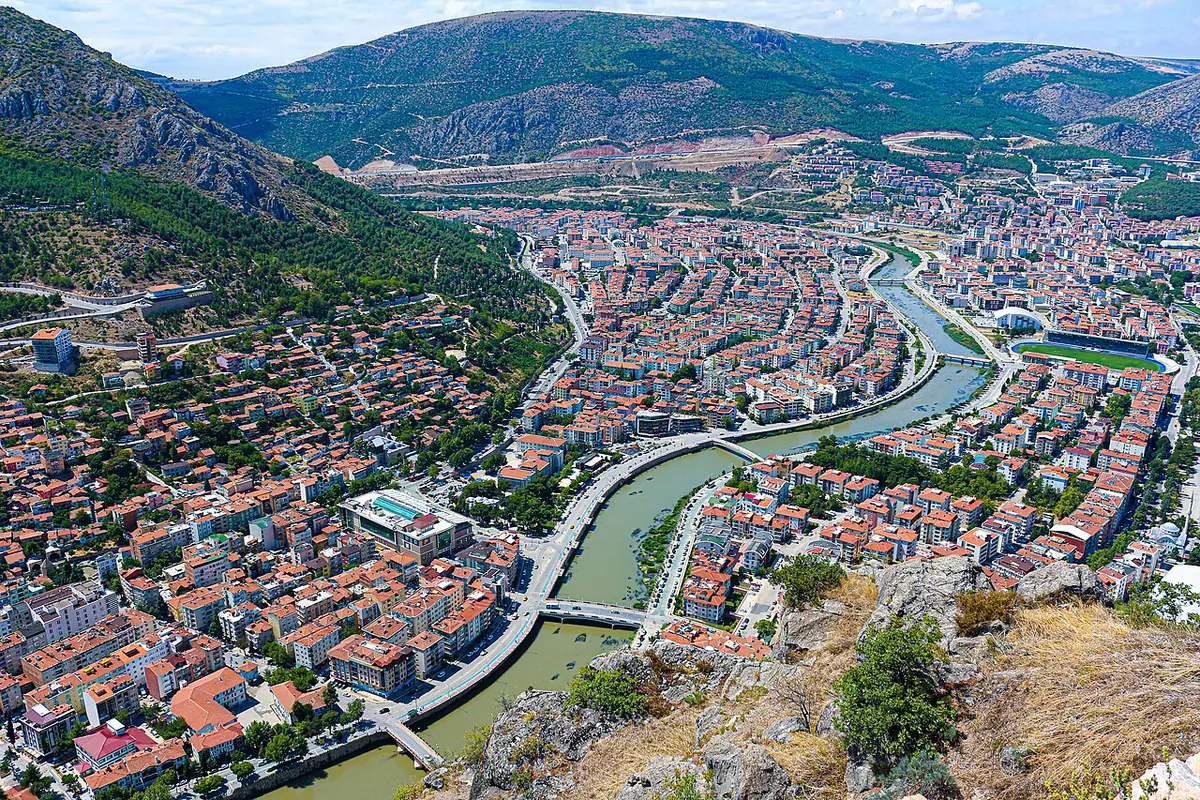
About 380 or 381 he was made bishop of Sebaste, the city in Lesser Armenia that is now Sivas in Turkey. The Catholic Encyclopedia notes that we know little about his work as bishop, except that he was present at the Council of Constantinople in 381, the second ecumenical council, which completed the Nicene Creed we still pray. He took his stand beside his brothers against the Arians.

Gregory's books for Peter
Peter's greatest legacy may be what he asked his brother to write. At his urging Gregory of Nyssa wrote Against Eunomius, defending Basil's teaching on the Trinity, and the treatise on the six days of creation that completed Basil's sermons. Gregory also sent him On the Making of Man at Easter, with a letter that begins: "Gregory, Bishop of Nyssa, to his brother Peter, the servant of God." The book, Gregory says, was "the accustomed gift of love" that "the holy Eastertide demands."

Peter died in 391, a few years before Gregory. He was honored as a saint from the time of his death.
Miracles and legends
No miracle stories of St. Peter of Sebaste come down to us, not even traditional ones. The feeding of the famine crowds in Gregory's account is charity, not a wonder, and it is a better portrait for that.
Symbols of St. Peter of Sebaste in art
He is rarely painted on his own. In Byzantine and Russian art he appears as a bishop in a white omophorion marked with crosses, holding a Gospel book, usually among the holy bishops on calendar icons for January. Look for:
- Bishop's vestments and Gospel book: his office at Sebaste.
- His brothers beside him: Basil and Gregory in the same robes, since the family is often honored together.
Prayer to St. Peter of Sebaste
On his feast the Orthodox Church sings a troparion that praises him as a rule of faith and a teacher of self-denial whose humility lifted him up; the OCA prints the full text on its website.
Let us ask St. Peter to pray for the youngest in every family, for brothers and sisters who help one another toward God, and for all who feed the hungry. St. Peter of Sebaste, pray for us.
Frequently asked questions
Who was St. Peter of Sebaste?
The youngest brother of Sts. Basil the Great, Gregory of Nyssa and Macrina the Younger. His father died around the time he was born, and Macrina raised him. He became a monk, was ordained a priest by Basil, and about 380 became bishop of Sebaste in Lesser Armenia. He died in 391.
When is the feast day of St. Peter of Sebaste?
January 9, in both the Roman Martyrology and the Orthodox calendar.
Did St. Peter of Sebaste write anything?
No writings of his own survive, but his brother Gregory of Nyssa wrote several major works at his request, including Against Eunomius and On the Making of Man, which Gregory addressed to him as an Easter gift.
How many saints were in St. Peter of Sebaste's family?
His grandmother St. Macrina the Elder, his parents St. Basil the Elder and St. Emmelia, his sister St. Macrina the Younger and his brothers St. Basil the Great and St. Gregory of Nyssa are all honored as saints, as is Peter himself.
Keep exploring
Sources
- J. P. Kirsch, "St. Peter of Sebaste," Catholic Encyclopedia (1911). His ordination by Basil, his episcopate from about 380, the Council of 381, the works Gregory wrote at his request
- Gregory of Nyssa, Life of St. Macrina, translated by W. K. Lowther Clarke (1916), at Tertullian.org. Macrina raising Peter, the famine, his mother's blessing and the men's monastery (quoted)
- Gregory of Nyssa, On the Making of Man, dedicatory letter to Peter (Nicene and Post-Nicene Fathers), at New Advent
- Orthodox Church in America: Saint Peter, Bishop of Sebaste in Armenia, troparion for January 9