St. Charles of Mount Argus, Passionist Priest of Dublin
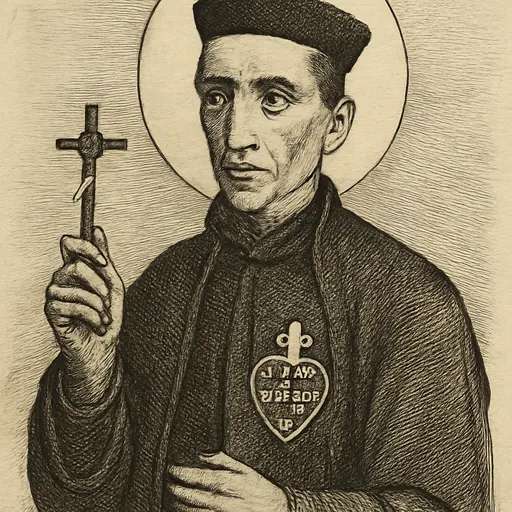
St. Charles of Mount Argus (1821–1893), born John Andrew Houben in the Netherlands, was a Passionist priest who spent most of his life at Mount Argus in Dublin. A poor preacher in English but a gifted confessor, he became famous for blessing the sick, and crowds came from all over Ireland. Benedict XVI canonized him in 2007. His feast is January 5.
Who was St. Charles of Mount Argus?
St. Charles of Mount Argus was a Dutch Passionist priest whom the people of Dublin claimed as their own. Born John Andrew Houben in the Limburg village of Munstergeleen in 1821, he spent most of his priestly life at the Passionist monastery of Mount Argus, on the edge of Dublin, and the Irish loved him so much that they named him after the place. He never mastered English well enough to preach, but he heard confessions, comforted the sick and blessed everyone who came, and in his own lifetime people called him a miracle worker.
Pope Benedict XVI canonized him in Rome on June 3, 2007. We keep his feast on January 5, the day he died.
The life of St. Charles of Mount Argus
A Limburg farm boy
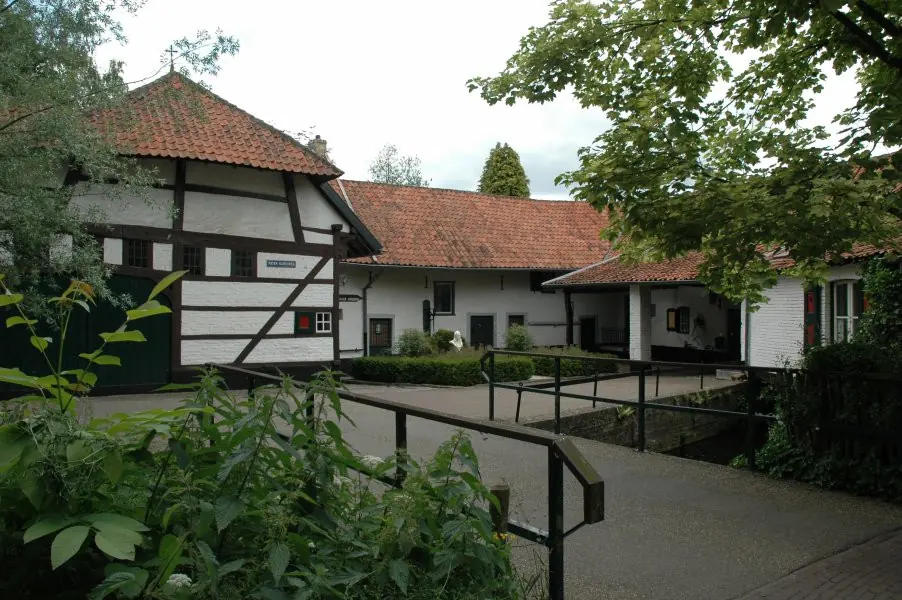
The Vatican biography says John Andrew was the fourth of eleven children and was baptized on the day he was born, December 11, 1821. He went to school in Sittard and Broeksittard, but in 1840 his studies were interrupted by military service. It was during his time in the army that he first heard about the Congregation of the Passion, founded by St. Paul of the Cross to preach Christ crucified.
Passionist and priest
When his service ended, he asked to join the Passionists and was received by Blessed Dominic Barberi, the Italian missionary who had received John Henry Newman into the Church that same autumn. Andrew entered the novitiate at Ere, near Tournai in Belgium, on November 5, 1845, and took the name Charles of St. Andrew. He was ordained a priest at Tournai by Bishop Labis in 1850.
He was sent at once to England, where the Passionists had three houses. There he was vice-master of novices at Broadway and worked in the parish of St. Wilfrid's, where, the Mount Argus parish notes, he first met the Irish who were emigrating in the wake of the Famine.
Father Charles of Mount Argus
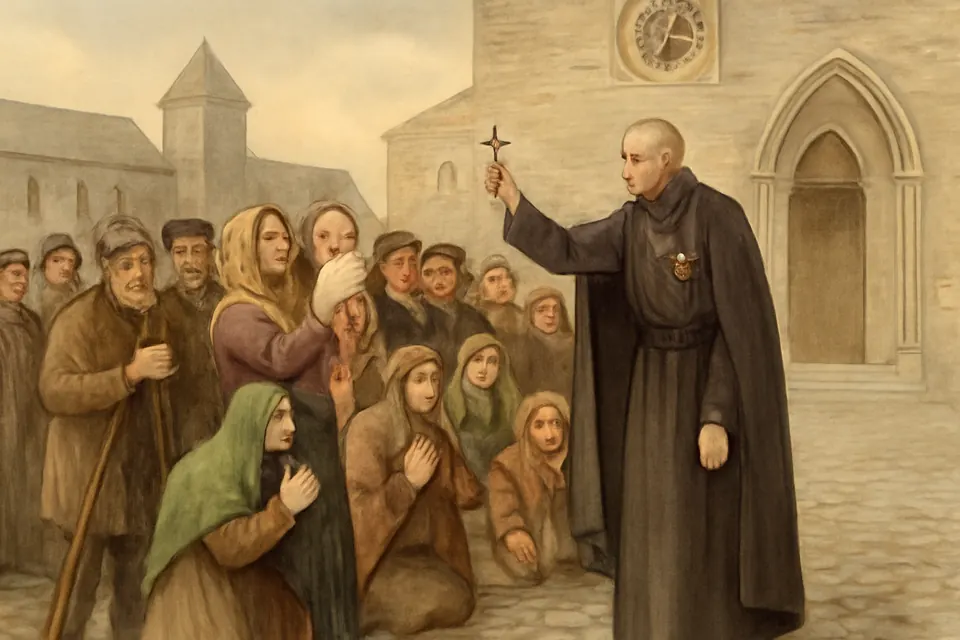
On July 9, 1857, according to the parish, he arrived at the new monastery of Mount Argus in Dublin. He was not a good preacher and never gave missions. Instead, he gave himself to the confessional and to the sick. The parish records that as many as 300 people a day came to be blessed by him. His fame spread through Britain, America and Australia, the Vatican biography says, so much that in 1866 his superiors moved him to England to give him some rest. Even there, at Broadway, Sutton and London, Catholics and non-Catholics alike sought him out.
He came back to Dublin in 1874, and the daily stream of sick and troubled people began again almost at once.
His last years
His last years were hard. His family in Holland were dying, and old injuries came back to trouble him. He said his last Mass on the feast of the Immaculate Conception, 1892, and died at about half past five on the morning of January 5, 1893. Crowds came from all over Ireland to his funeral. A newspaper of the time wrote, in the Vatican's translation, "Never before has the memory of any man sparked an explosion of religious sentiment and profound veneration." His superior wrote to his family:
"The people have already declared him a saint."
Miracles and canonization
During his life, people reported many cures after his blessing. These are reported wonders, remembered by the crowds who came to him.
His cause was opened on November 13, 1935, and Pope John Paul II beatified him on October 16, 1988. The miracle for his canonization is approved: the healing of Adolf Dormans of Munstergeleen, Charles's own birthplace. The diocese of Roermond examined it in 2002 and 2003. The medical board found the cure of his "perforated, gangrenous appendicitis with generalized peritonitis" to be "not scientifically explainable," the theologians and cardinals agreed in 2006, and the decree was issued before Pope Benedict XVI on December 21, 2006.
At the canonization Mass the pope said that in the sick and suffering "he recognized the face of the Crucified Christ, to whom he had a lifelong devotion."
Why St. Charles is the patron of the sick and of emigrants
The Mount Argus parish calls him "a Saint for the poor, for the sick, for immigrants and for emigrants." He was himself an immigrant twice over, a Dutchman in England and in Ireland, and he spent his life among Irish families broken up by emigration and poverty. The sick he served every day. See more on our patron saints page.
Symbols of St. Charles of Mount Argus in art
- Black Passionist habit and mantle: the dress of the Congregation of the Passion.
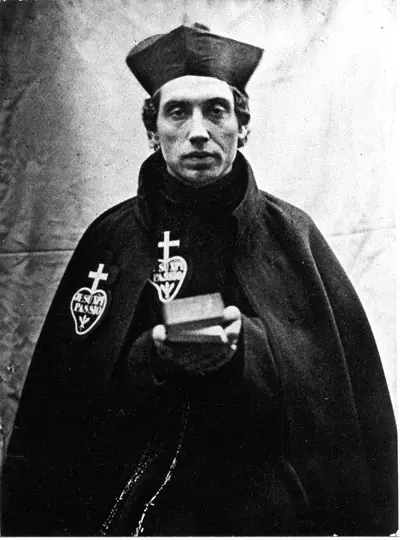
- The Passionist sign: a white heart with a cross above it and the words Jesu XPI Passio, worn on the chest, as in his photograph.
- Crucifix and raised hand: his devotion to the Passion and the blessings he gave the sick.
Because he lived in the age of photography, most images of him follow his photographs closely.
Feast day and shrine
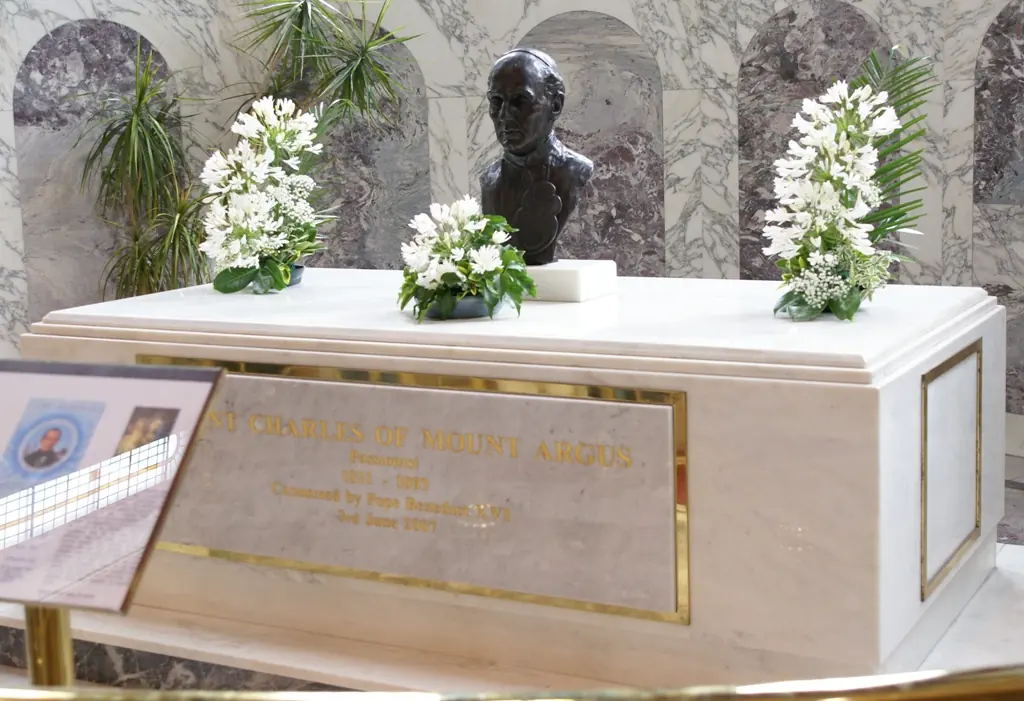
We keep his feast on January 5. He was first buried in the cemetery beside the monastery, and his grave soon drew pilgrims; in 1949 his remains were moved to a new tomb inside the church. Every Saturday morning Mount Argus celebrates a novena Mass in honor of Our Lady of Holy Hope and St. Charles, with a blessing with his relic, and the relic blessing is given after Masses through the week. See other saints of January on our feast days page.
Prayer to St. Charles of Mount Argus
The shrine at Mount Argus has its own novena prayers, said at the Saturday Mass. With Pope Benedict at his canonization, let us entrust to him all who are sick and suffering, and ask him to pray for us: St. Charles of Mount Argus, you saw the face of the crucified Christ in the sick who came to you; pray for the sick, for emigrants far from home, and for all who carry heavy crosses.
Frequently asked questions
Who was St. Charles of Mount Argus?
A Dutch Passionist priest, born John Andrew Houben in Munstergeleen in 1821, who served in England and above all at Mount Argus in Dublin, where he died in 1893. The Irish loved him so much that they named him after the monastery: Father Charles of Mount Argus.
What miracle made St. Charles of Mount Argus a saint?
The healing of Adolf Dormans of Munstergeleen, the saint's own birthplace, from perforated, gangrenous appendicitis with generalized peritonitis. Doctors consulted by the Congregation for the Causes of Saints found it 'not scientifically explainable,' and the decree on the miracle was issued on December 21, 2006.
Where is St. Charles of Mount Argus buried?
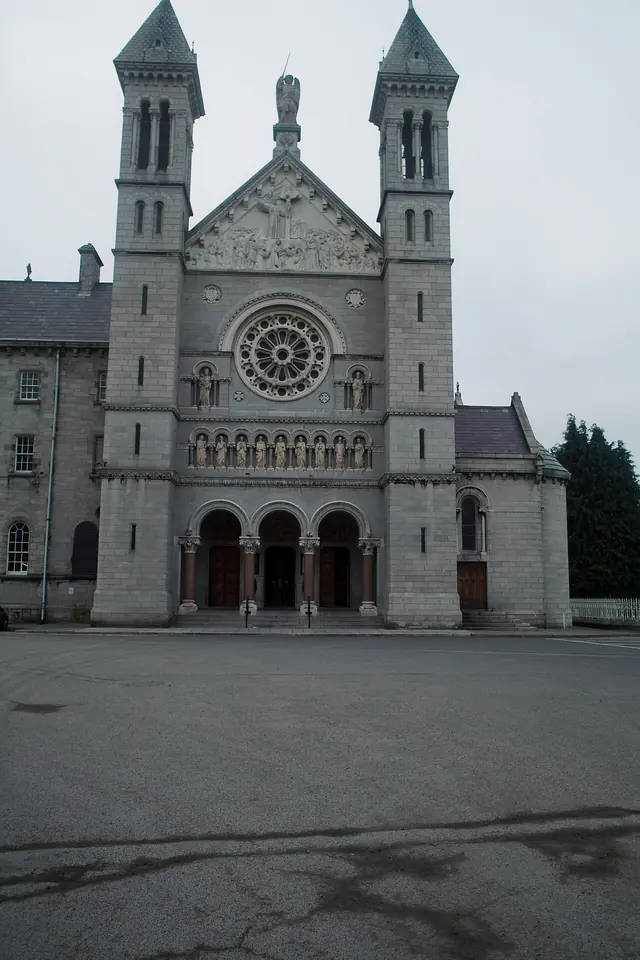
In Mount Argus church (St. Paul of the Cross) in Harold's Cross, Dublin. He was first buried in the monastery cemetery, and in 1949 his remains were moved to a tomb inside the church.
When is the feast of St. Charles of Mount Argus?
January 5, the day he died in 1893.
Keep exploring
- Patron saint pages
- Healing
- Feast-day calendar
- Saints remembered in JanuarySaint of the dayWhat saint is my birthday?
- Same name
- Other saints named Charles →
- Relics
- Where the relics are kept (map)
- More
- Saints A to ZPatron saints A to ZExplore every section
Sources
- Fr. Charles of St. Andrew (1821–1893), biography, Office of Liturgical Celebrations, vatican.va. Birth, novitiate at Ere, work in England and Dublin, the superior's letter, beatification, and the details of the canonization miracle
- Homily of Benedict XVI at the canonization of George Preca, Simon of Lipnica, Charles of St. Andrew Houben and Marie Eugénie Milleret, June 3, 2007, vatican.va. The pope's words on his ministry in England and Ireland
- Saint Charles of Mount Argus, Mount Argus Parish. Arrival at Mount Argus on July 9, 1857, up to 300 visitors a day, his death, the 1949 transfer of his remains, and his patronage of the poor, the sick, immigrants and emigrants
- Devotions to Saint Charles of Mount Argus, Mount Argus Parish. The Saturday novena Mass and blessings with his relic