Blessed Paolo Manna, PIME Missionary and Founder of the Missionary Union
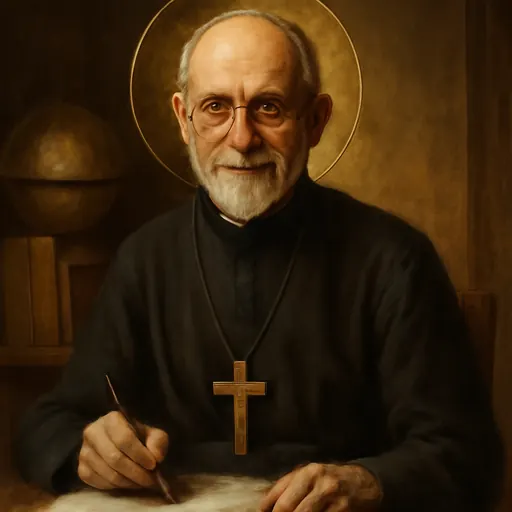
Blessed Paolo Manna (1872–1952) was an Italian priest of the Foreign Missions Institute of Milan (later PIME) who worked in Burma until illness sent him home, then spent forty years rousing the Church to the missions. He founded the Missionary Union of the Clergy in 1916. Pope John Paul II beatified him in 2001. His feast is September 15.
Who was Blessed Paolo Manna?
Blessed Paolo Manna was an Italian missionary priest whose own mission lasted barely a decade, and who then spent forty years making sure others could go. He served in the jungle mission of Toungoo in Burma until tuberculosis forced him home for good in 1907. Instead of settling down, he became the great voice of the missions in Italy, writing books and founding magazines, starting the Missionary Union of the Clergy in 1916 and leading his institute, which became the Pontifical Institute for Foreign Missions (PIME). His motto was "The whole Church for the whole world."
He died in Naples on September 15, 1952. Pope John Paul II beatified him on November 4, 2001, and we keep his feast on September 15.
The life of Blessed Paolo Manna
From Avellino to Milan
Paolo Manna was born in Avellino, in southern Italy, on January 16, 1872. He studied in Avellino and Naples and went on to Rome to study philosophy at the Gregorian University. There he heard the call to the missions. In September 1891 he entered the seminary of the Foreign Missions Institute of Milan to study theology, and he was ordained a priest in Milan Cathedral on May 19, 1894.
Missionary in Burma
On September 27, 1895, he left for the mission of Toungoo in eastern Burma, today's Myanmar. He worked there in three separate periods over about ten years, each one cut short by illness. In 1907 he came home for good, seriously ill.
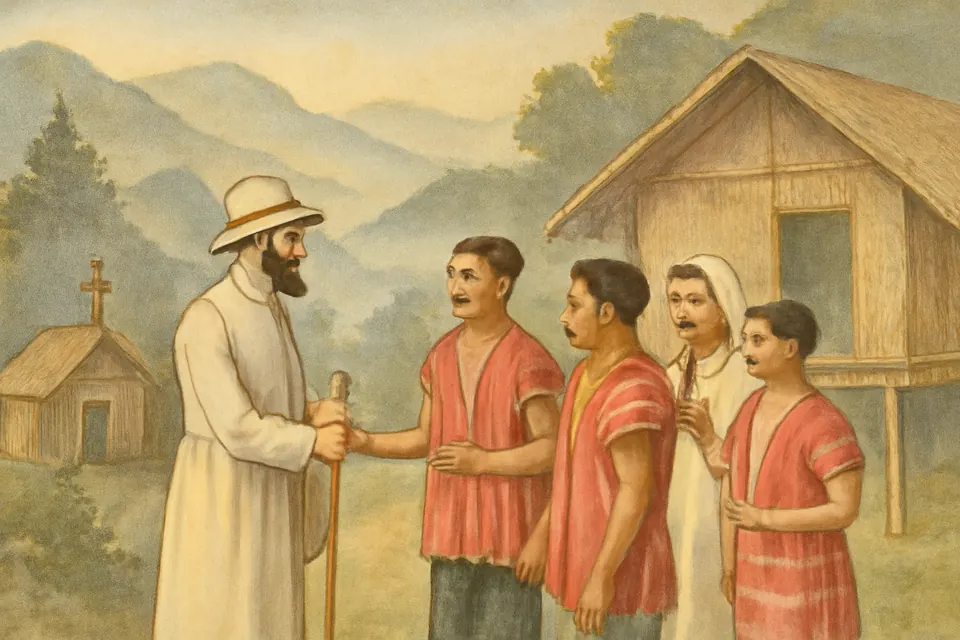
The return was a sorrow to him. In the introduction to his first book, Operarii autem pauci ("The Workers Are Few"), translated into English in Boston in 1911, he wrote:
"Forced by our Lord to return from a beloved mission, I have asked myself how I could most usefully employ that time which, through failing health, I am obliged to spend far from my desired field of labor."
A voice for the missions
His answer was to give the rest of his life to awakening the Church at home. In 1909 he became editor of the magazine Le Missioni Cattoliche. In 1914 he founded Propaganda Missionaria, a popular paper that reached a very wide readership, and in 1919 Italia Missionaria for young people. His books, including The Workers Are Few, called young priests to the foreign missions and reminded those who stayed home that the missions were their concern too.
The Missionary Union of the Clergy
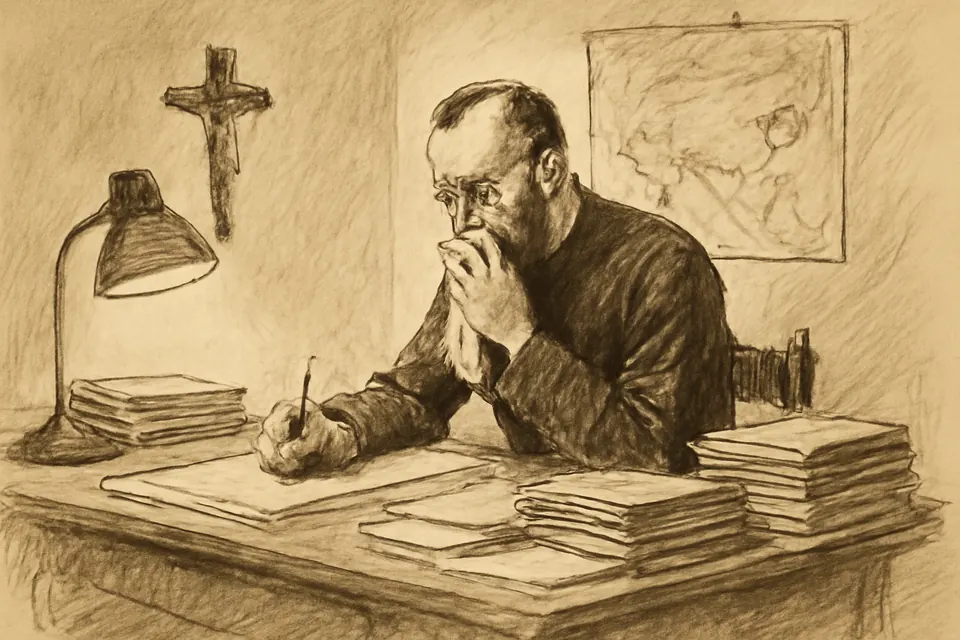
In 1916 he founded the Missionary Union of the Clergy. His principle, as the Holy See's biography sums it up, was that a missionary-minded clergy would make the whole Christian people missionary. Before founding it he sought the advice of St. Guido Maria Conforti, founder of the Xaverian Missionaries. The Union spread quickly, and Pope Pius XII raised it to "Pontifical" in 1956. Today the Pontifical Missionary Union is one of the four Pontifical Mission Societies and welcomes seminarians, religious and lay people as well as priests.
Superior general and founder
At the request of the Congregation for the Propagation of the Faith, he opened the Sacred Heart Seminary for the foreign missions at Ducenta, near Caserta, to draw missionary vocations from southern Italy. In 1924 he was elected superior general of the Foreign Missions Institute of Milan, and in 1926, by the will of Pope Pius XI, the institute joined with the Roman mission seminary to form the Pontifical Institute for Foreign Missions (PIME). He had a leading part in founding the Missionaries of the Immaculate, a women's institute, in 1936, and from 1937 to 1941 he directed the international secretariat of the Missionary Union.
In 1943 he became the first superior of PIME's new province of southern Italy and moved to Ducenta, where he started one more magazine, Venga il tuo regno, for families.
Ideas ahead of their time
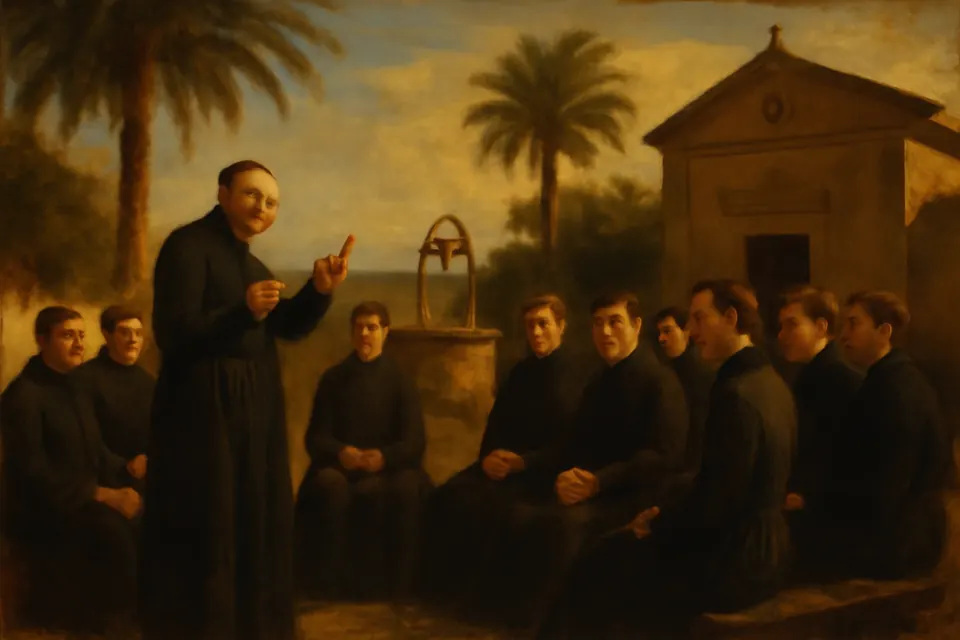
Manna thought hard about how the missions should work, and the Holy See's biography says his proposals on missionary method looked ahead to the Second Vatican Council. He also wrote about Christian unity in I fratelli separati e noi ("The Separated Brethren and Us"). The Roman Martyrology remembers him for both his preaching of the Gospel and his work for the unity of Christians. His first biographer, Fr. Tragella, called him "a soul of fire."
He died in Naples on September 15, 1952. His remains rest in the seminary at Ducenta, where Pope John Paul II came to pray on December 13, 1990.
The miracle and beatification
His cause for beatification began in Naples in 1971. On April 24, 2001, Pope John Paul II approved the decree on a miracle attributed to his intercession, an approved miracle examined by the Congregation for the Causes of Saints. The sources we consulted do not describe the healing itself.
Pope John Paul II beatified him on November 4, 2001, with seven others. In his homily the Pope said that "in every page of his writings there stands out the person of Jesus, centre of his life and reason for the missions," and he quoted Manna's sixth letter to his missionaries:
"In fact the missionary is nothing if he does not put on the person of Jesus Christ.... Only the missionary who copies Jesus Christ faithfully in himself can reproduce his image in the souls of others."
Symbols of Blessed Paolo Manna in art
Fr. Manna lived in the age of photography, so the truest image of him is a photograph: a thin, bearded priest in a black cassock and spectacles. Devotional pictures add a missionary crucifix, a book and pen for his writing, and sometimes a globe for his motto, "The whole Church for the whole world." There is no traditional iconography for him yet.
Feast day and prayer
We keep his feast on September 15; PIME remembers him on January 16. See the feast day calendar.
We know of no traditional prayer to Blessed Paolo Manna that we can quote. Let us ask him to pray for missionaries and for those discerning a call to the missions, for priests at home, that they may keep the whole world in their hearts, and for the unity of all Christians. Blessed Paolo Manna, pray for us.
Frequently asked questions
Who was Blessed Paolo Manna?
He was an Italian missionary priest, born in Avellino in 1872, who served in the mission of Toungoo in Burma until tuberculosis forced him home in 1907. From then on he wrote, edited and organized tirelessly for the missions. He founded the Missionary Union of the Clergy, led his institute as superior general, and died in Naples in 1952.
What is the Pontifical Missionary Union?
It began as the Missionary Union of the Clergy, which Paolo Manna founded in 1916 so that priests would understand the missions and lead their people to support them. Pope Pius XII made it "Pontifical" in 1956, and today it also welcomes religious and lay people. It is one of the Pontifical Mission Societies.
When is Blessed Paolo Manna's feast day?
The Roman Martyrology lists him on September 15, the day he died in 1952. His own institute, PIME, keeps his memorial on January 16, his birthday.
Where is Blessed Paolo Manna buried?
His remains are venerated at the Sacred Heart Seminary in Ducenta, near Caserta, the seminary for southern Italy that he founded. Pope John Paul II prayed at his tomb there on December 13, 1990.
Keep exploring
Sources
- Pope John Paul II, homily for the beatification of eight Servants of God, November 4, 2001. The beatification and the quotation from his Letter 6
- Santi e Beati: Beato Paolo Manna, sacerdote del PIME. The Roman Martyrology entry, the PIME memorial on January 16, his foundations and offices, the papal visit of 1990, the decree on the miracle of April 24, 2001 (from the Holy See's biography)
- Paolo Manna, The Workers Are Few: Reflections upon Vocation to the Foreign Missions, translated by Joseph F. McGlinchey (Boston, 1911). The quotation from his introduction