St. Juvenaly of Alaska, Protomartyr of America

St. Juvenaly of Alaska (1761–1796) was a Russian Orthodox monk-priest who came to Alaska with the first mission in 1794 and was killed in 1796 while preaching on the mainland. Born John Hovorukhin in Siberia, he had been a mining engineer and an army officer before becoming a monk. The Orthodox Church honors him as the protomartyr of America and remembers him on September 24.
Who was St. Juvenaly of Alaska?
St. Juvenaly of Alaska was a Russian Orthodox monk-priest, one of the band of missionaries who brought the Gospel to Alaska in 1794. Two years later he was killed on the Alaskan mainland while preaching, and the Orthodox Church honors him as the protomartyr of America, the first Orthodox Christian to give his life for Christ on this continent. We remember him on September 24, with all the saints of Alaska.
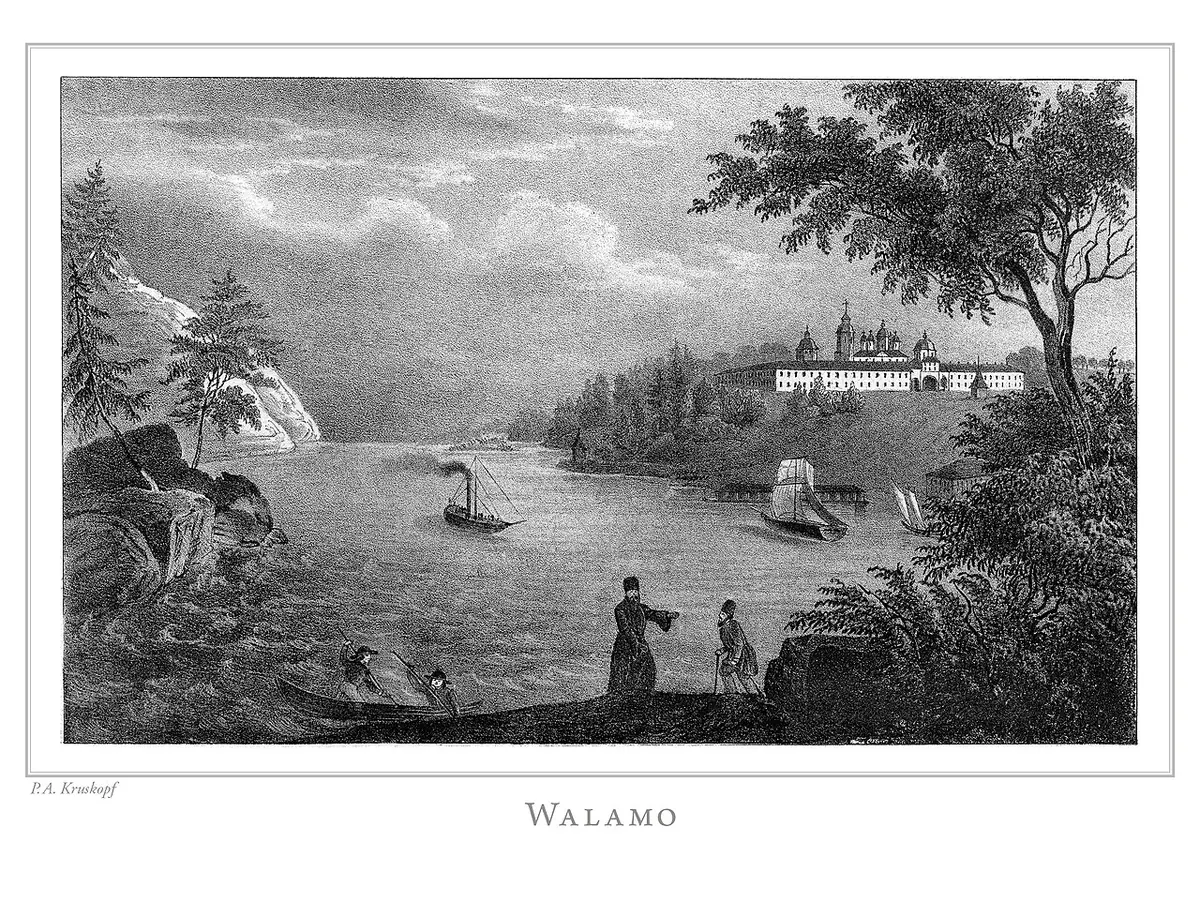
He was born in 1761 in Nerchinsk, in eastern Siberia, and baptized John; his family name was Hovorukhin. He trained as a mining engineer and served as an officer. He married, and when his wife died in 1791 he entered a monastery in St. Petersburg and was tonsured a monk with the name Juvenaly. St. Herman, who knew him, wrote in a letter of 1819 that he "had been an assistant at our monastery and was a former officer." Herman's monastery was Valaam, on Lake Ladoga.
The mission to Kodiak
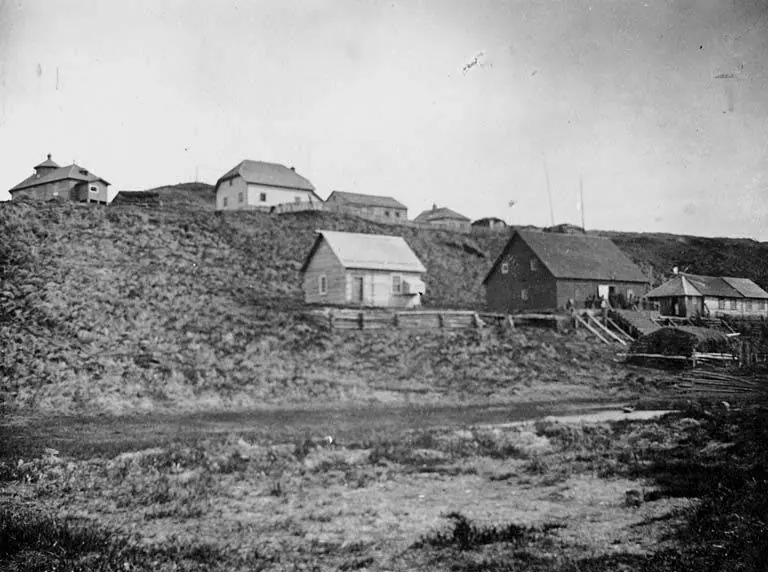
In 1794 the missionaries reached Kodiak Island, in what was then Russian America. Juvenaly and Hieromonk Macarius spent their first two months traveling the Kodiak region in small skin boats in every kind of weather, teaching and baptizing.
St. Herman left a lovely picture of those days. One evening he walked with the two priests to a small hill on the south side of the harbor, and they sat facing the sea and began to argue, as friends do, over who would go where. Macarius wanted the Aleutian Islands and the northern mainland. Juvenaly wanted the mainland too. "I beg you to yield to me and not offend me in this," he said. Macarius answered that the south was "sufficient for your whole lifetime, if you please." Listening to their zeal, Herman wrote, he "went from joy to rapture."

Baptisms on the mainland
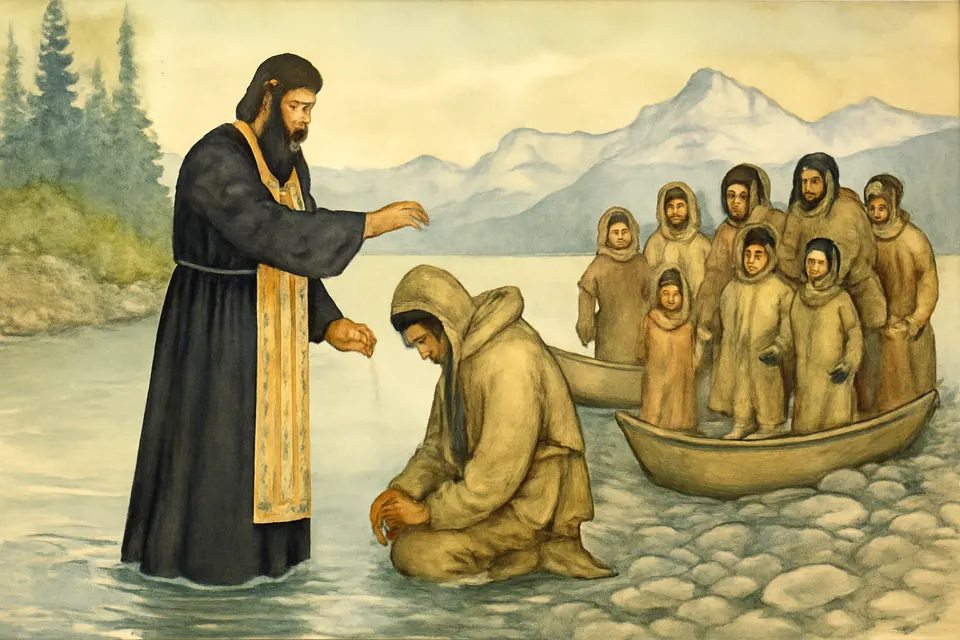
In 1795 Juvenaly baptized more than 700 Chugach people at Nushek, on Prince William Sound, and then crossed to the Kenai Peninsula and baptized the people there. In 1796 he went further west.
His martyrdom
According to Native oral tradition, Juvenaly came in 1796 to the mouth of the Kuskokwim River, near the present village of Quinhagak, and there he was killed by a hunting party. Why they killed him is not known. Years later the people told St. Innocent what had happened. He did not defend himself and did not try to run. Struck from behind, he turned to face his attackers and begged them to spare the people he had baptized. His guide, an unnamed Native convert, died with him.
An older story placed his death at Lake Iliamna, and the Iliamna name survives in the hymn for his feast. The OCA notes that it comes from a diary attributed to Ivan Petroff, which it calls a forgery with a slanderous account of his death.

- Traditional: the Native people told St. Innocent that after they struck him down, Juvenaly rose again and again and followed them, calling them to repentance, before they killed him.
- Traditional: a shaman who took his brass pectoral cross and tried to cast a spell was lifted off the ground three times and concluded that a greater power was at work. Years later a man came to the Nushagak trading post wearing a brass cross just like Juvenaly's.
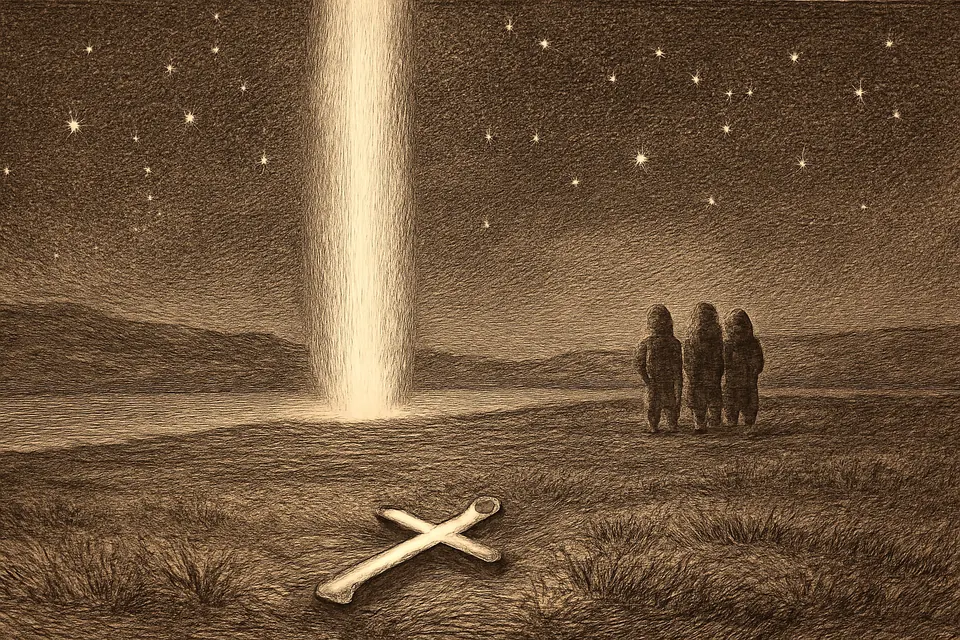
- Traditional: a column of light rose from the place of his relics into the sky.
Symbols of St. Juvenaly in icons
Icons of St. Juvenaly are modern, painted since his glorification. He is shown as a hieromonk: a bearded monk in a black habit with the priest's stole, a pectoral cross on his chest and often a martyr's cross in his hand. He is often painted with the other saints of Alaska, St. Herman, St. Peter the Aleut and St. Innocent, and sometimes with his guide. Look for the brass pectoral cross, which recalls the story of the shaman.
Feast day and hymn
The Orthodox Church in America remembers him on September 24, the anniversary of the missionaries' arrival in 1794, together with all the saints of Alaska. The troparion sung that day begins:
Today Alaska rejoices and America celebrates / for the New World has been sanctified by martyrdom. / Kodiak echoes with songs of thanksgiving, / Iliamna and Kenai observe the Festival of Faith. / The apostle and martyr Juvenaly is glorified / and Peter the Aleut is exalted by his voluntary sacrifice.

Let us ask St. Juvenaly, who begged mercy for his flock with his last breath, to pray for missionaries and for the Native peoples of Alaska. Holy Hieromartyr Juvenaly, pray for us.
Frequently asked questions
Who was St. Juvenaly of Alaska?
A Russian hieromonk (monk-priest), born John Feodorovich Hovorukhin in Nerchinsk, Siberia, in 1761. After his wife died in 1791 he became a monk, and in 1794 he came to Alaska with St. Herman and the first Orthodox mission. He baptized hundreds of people before he was killed in 1796.
How did St. Juvenaly die?
According to Native oral tradition recorded by the Orthodox Church in America, he was killed by a hunting party near the mouth of the Kuskokwim River in 1796. Those who killed him later told St. Innocent that he did not defend himself or flee, but begged them to spare the people he had baptized.
Why is St. Juvenaly called the protomartyr of America?
He is the first Orthodox Christian known to have died for the faith in America. Earlier Catholic missionaries were martyred in North America, among them the Jesuit martyrs of the 1640s, so the title is used in the Orthodox Church.
When is the feast of St. Juvenaly?
September 24, the Synaxis of All Saints of Alaska, when the Orthodox Church in America also remembers St. Herman, St. Innocent, St. Peter the Aleut and others.
Keep exploring
Sources
- Orthodox Church in America: Martyr Juvenal of Alaska. His birth, family, monastic life, the hill at Kodiak, the baptisms at Nushek, his death and the oral tradition told to St. Innocent
- Orthodox Church in America: Troparion and Kontakion of the Martyr Juvenal of Alaska
- Orthodox Church in America: Synaxis of All Saints of Alaska