St. Jean de Lalande, Lay Missionary and North American Martyr

St. Jean de Lalande (died 1646) was a young layman from Dieppe who volunteered to go with St. Isaac Jogues to the Mohawk country, knowing he might be killed. At Ossernenon, in present-day New York, Lalande was killed the morning after Jogues. He is one of the eight North American Martyrs, canonized in 1930 and celebrated on October 19.
Who was St. Jean de Lalande?
St. Jean de Lalande was a young Frenchman from the port of Dieppe who crossed the ocean to serve the Jesuit missions in New France and gave his life in the Mohawk country in 1646. He was not a priest or a religious. He was a layman, a donné, one of the volunteers who gave themselves to the mission without pay and lived under obedience to the Jesuit superior. The Auriesville shrine calls him a teenager when he died.
He is the youngest and least known of the eight North American Martyrs, whom the Church honors with St. Isaac Jogues, St. René Goupil and five Jesuit priests. Pope Pius XI canonized all eight on June 29, 1930.
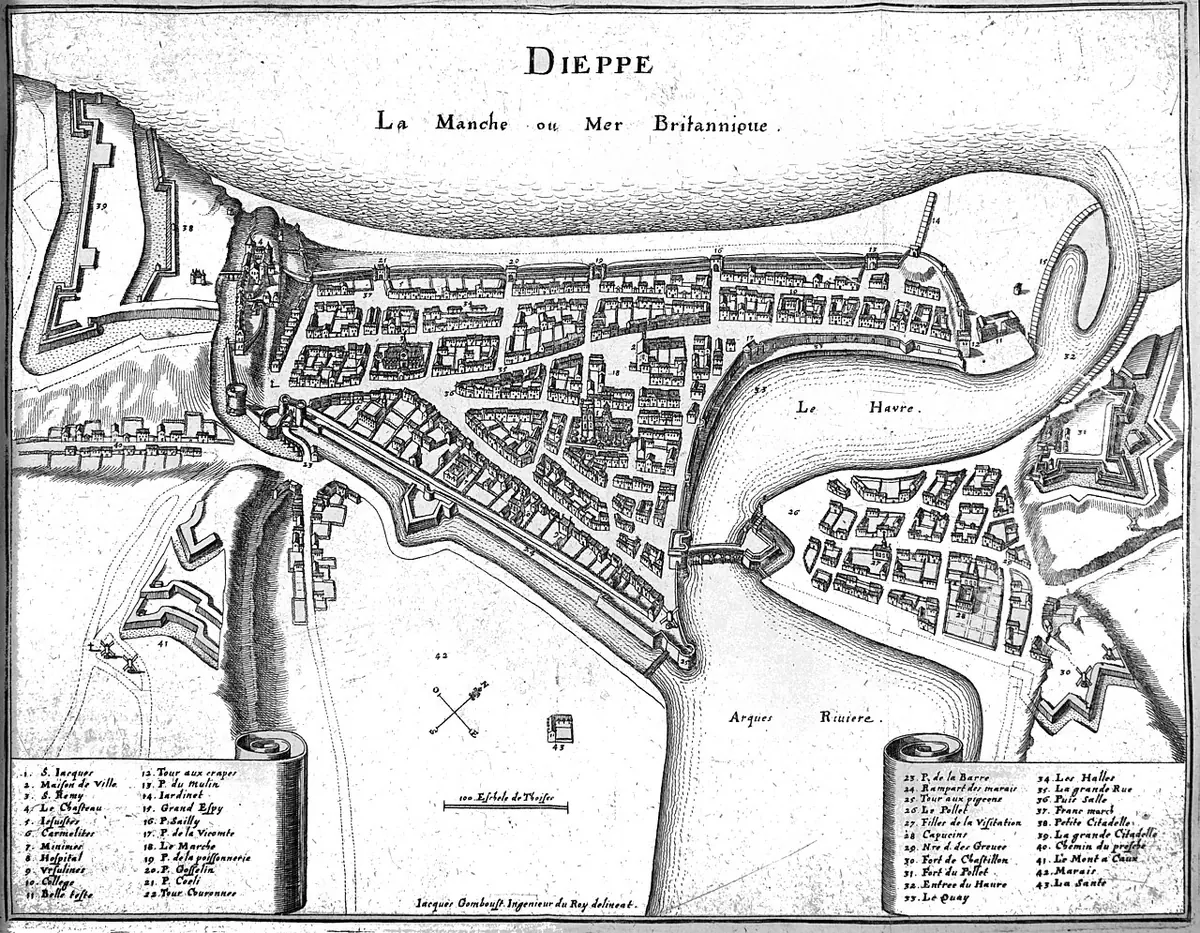
We know very little about his life before Canada. The Jesuit Relations name him simply as "a young lad" and "a native of the City of Dieppe." What they record about his last journey is enough.
The martyrdom of St. Jean de Lalande
A dangerous peace mission
In 1646 a fragile peace held between the French and the Mohawk. Isaac Jogues, who had already survived a year of captivity among them, went to the Mohawk village of Ossernenon in June as an ambassador and was welcomed. He planned to found a mission there and left behind a small box of belongings before returning to Canada for help.
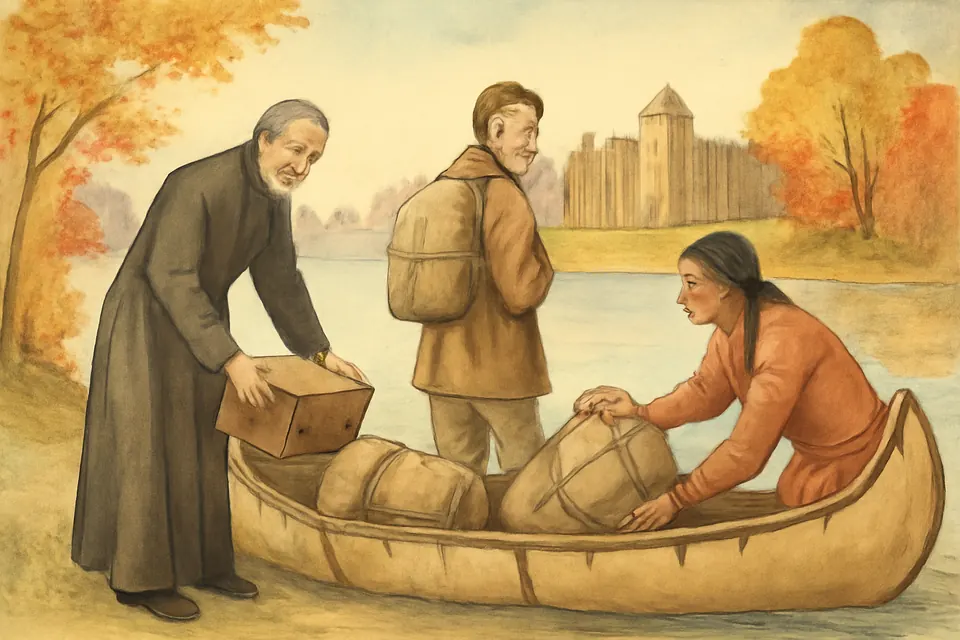
Back in Canada he met Jean de Lalande, who volunteered to go with him. The Auriesville shrine says Jogues warned him how fragile the peace was. The Jesuit Relation of 1647 records the young man's answer:
That good youth, called Jean de la Lande,—a native of the City of Dieppe, as has been said above,—seeing the dangers in which he was involving himself in so perilous a journey, protested at his departure that the desire of serving God was leading him into a country where he surely expected to meet death.
They left in late September 1646.
Seized on the way
While they were gone, sickness and crop failure struck the Mohawk villages. Some blamed the box Jogues had left behind, believing it held an evil spell. Not all the Mohawk agreed. A letter from a Dutch settler at Fort Orange, copied into the Relation of 1647, says that "it was only the nation of the bear which put them to death," while the clans of the wolf and the turtle did all they could to save the two Frenchmen. Jogues and Lalande were seized on the way, beaten and brought to Ossernenon on October 17.

Two deaths
On the evening of October 18 Jogues was called to a meal in a lodge of the Bear clan. A man waiting behind the door struck him with a hatchet as he entered. The Dutch letter adds, "The next day, very early, he did the same to the other man, and their bodies were thrown into the river." That other man was Jean de Lalande, killed in the early morning of October 19, 1646.
The Auriesville shrine's novena says he wanted to recover Father Jogues's body and was killed when he tried. The news reached Quebec only the following June, and the Jesuits there sang a high Mass for the dead for Jogues "and his companion Lalande." The Relation of 1647 closes its account of him with these words: "This frame of mind has enabled him to pass into a life which no longer fears either the rage of those Barbarians, or the fury of the Demons, or the pangs of death."
His canonization
Jean de Lalande was canonized by Pope Pius XI on June 29, 1930, with the other seven North American Martyrs. As martyrs, they needed no miracle for canonization, and none is claimed here through his intercession. Favors pilgrims attribute to the martyrs at Auriesville are reported, not formally approved.
Symbols of St. Jean de Lalande in art
Lalande was a layman, so good images show him without a priest's cassock. Look for:
- Plain lay clothes: a coat, breeches and boots of the 1640s.
- Workman's tools: the Auriesville novena praises his "craftsmanship," the practical skills a donné brought to a new mission.
- A rosary.
- A hatchet: the instrument of his death.
- The martyr's palm.
In group images of the eight martyrs, he and René Goupil are the two men not dressed as priests. Because he is so often shown beside Jogues, the easiest way to find him is to look for the young layman next to the Jesuit with mutilated hands.
Feast day and the shrine at Auriesville
The Church celebrates St. Jean de Lalande on October 19, the day of his death, which is also the memorial of Sts. John de Brébeuf, Isaac Jogues and Companions in the General Roman Calendar and in the United States. Canada keeps the feast of the Canadian Martyrs on September 26. Find neighboring feasts on our feast days page.
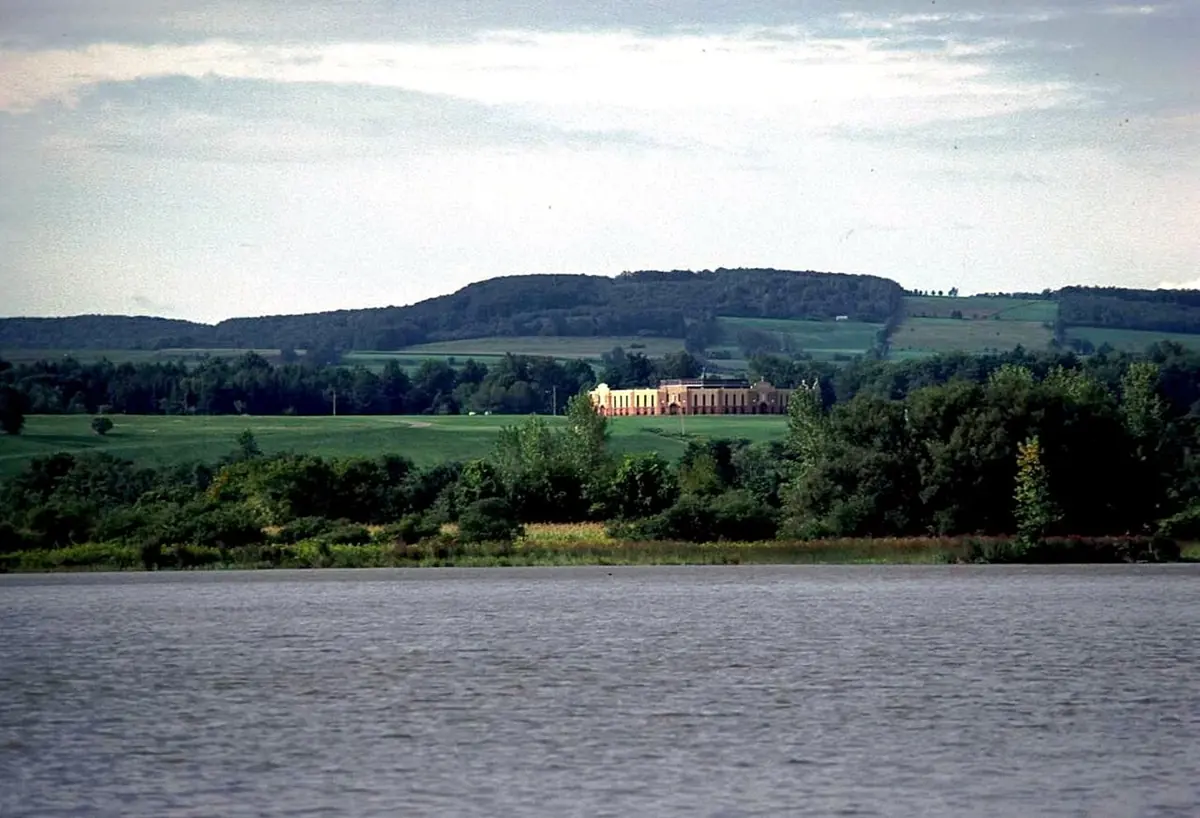
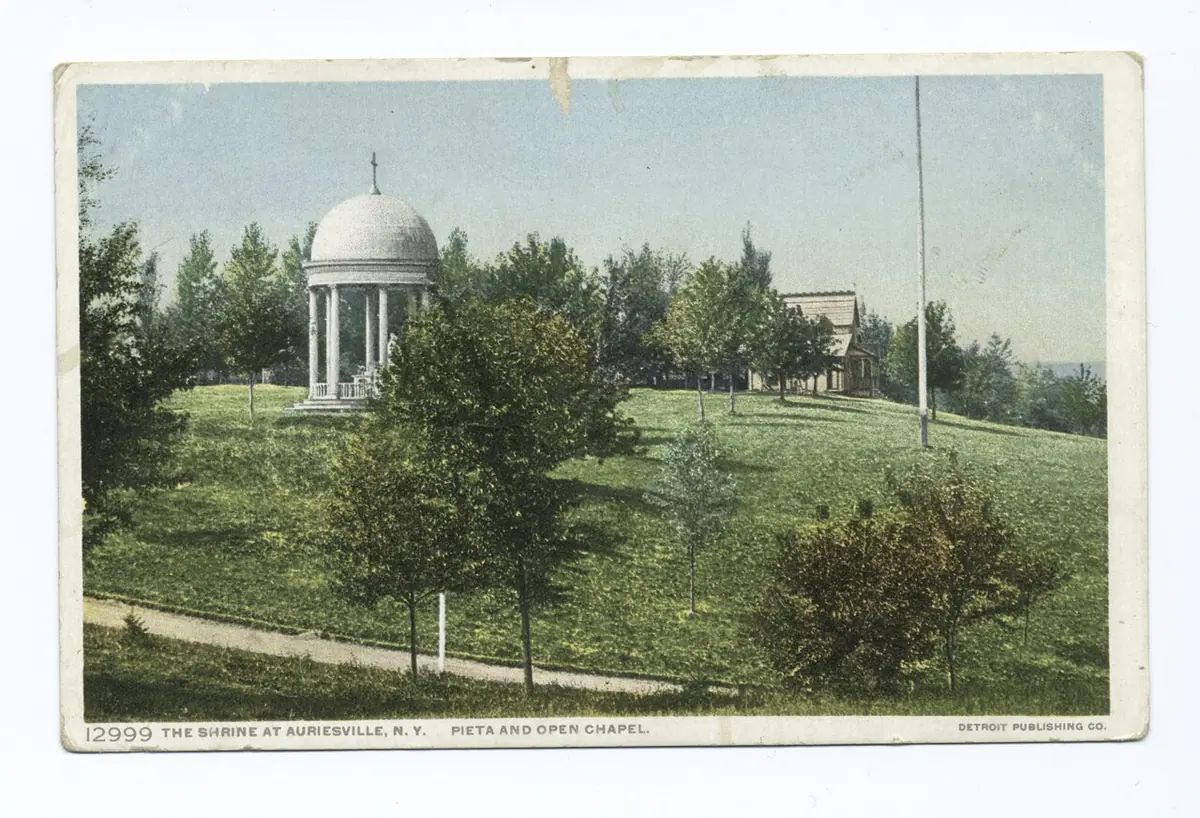
No relics survive; his body was thrown into the Mohawk River. The National Shrine of Our Lady of Martyrs at Auriesville, New York, stands on the hill the Jesuits identified as Ossernenon and treats the ground of the martyrs' deaths as a natural reliquary. St. Kateri Tekakwitha was born at the same village in 1656.
Prayer to St. Jean de Lalande
The novena prayed each October at the Auriesville shrine gives Lalande October 18 and ends that day with a short petition. Addressing him as the "Zealous Youth," it asks for hearts that love as he loved, together with our own intention. The Friends of the Shrine of Our Lady of Martyrs published the novena in 2017.
Let us ask St. Jean de Lalande to pray for young people who want to give their lives to God, for lay missionaries and volunteers, and for all who go where they are needed even when it is dangerous.
St. Jean de Lalande, pray for us.
Frequently asked questions
Who was St. Jean de Lalande?
A young layman from Dieppe in Normandy who served the Jesuit missions in New France as a donné, a lay volunteer. He went with Father Isaac Jogues to the Mohawk country in 1646 and was killed there on October 19, the day after Jogues. He is one of the eight North American Martyrs.
When is the feast day of St. Jean de Lalande?
October 19, the day he died in 1646 and the memorial of Sts. John de Brébeuf, Isaac Jogues and Companions in the General Roman Calendar and the United States. Canada celebrates the martyrs on September 26.
Why was Jean de Lalande killed?
Sickness and crop failure had struck the Mohawk village, and some blamed a box of belongings Jogues had left there months before. Jogues and Lalande were taken captive on their way back. The Jesuit Relation of 1647 says the young man knew the danger and said at his departure that the desire to serve God was leading him where he surely expected to die.
Where are St. Jean de Lalande's relics?
There are none. His body, like that of Isaac Jogues, was thrown into the Mohawk River. The National Shrine of Our Lady of Martyrs at Auriesville, New York, honors the ground where they died as a natural reliquary.
Keep exploring
Sources
- The Jesuit Relations and Allied Documents, vol. 30 (Thwaites ed., 1898): Relation of 1647 and Journal of the Jesuit Fathers
- The Jesuit Relations and Allied Documents, vol. 31 (Thwaites ed., 1898): Relation of 1647, on the deaths of Father Jogues and Jean de la Lande
- National Shrine of Our Lady of Martyrs: Story of the Martyrs
- National Shrine of Our Lady of Martyrs: Novena to the North American Martyrs (2017)