St. Rafael Guízar y Valencia, Bishop of Veracruz
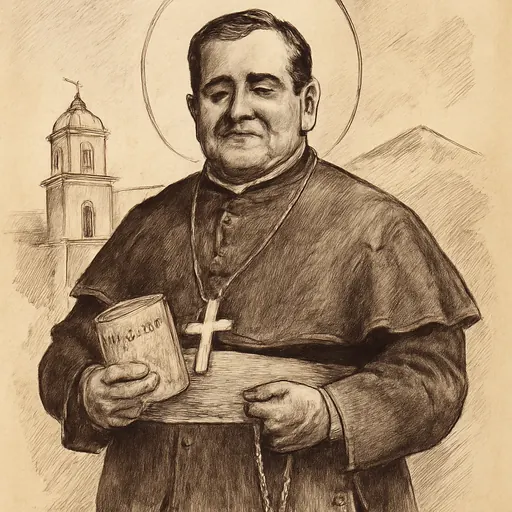
St. Rafael Guízar y Valencia (1878–1938) was bishop of Veracruz in Mexico during the years of persecution. He preached missions in disguise, kept a hidden seminary open in Mexico City for fifteen years, and gave away everything he had, so that people called him the Bishop of the Poor. Pope Benedict XVI canonized him on October 15, 2006. In Mexico his feast is kept on October 24.
Who was St. Rafael Guízar y Valencia?
St. Rafael Guízar y Valencia was a Mexican missionary priest who became bishop of Veracruz in 1919 and led his diocese through the fiercest persecution the Church in Mexico ever suffered. He preached in disguise, slept wherever he could, gave away every gift he received, and kept a seminary running in secret when the government had closed every other one. His people called him the Bishop of the Poor.
He died in Mexico City on June 6, 1938. Pope John Paul II beatified him in 1995, and Pope Benedict XVI canonized him on October 15, 2006. In Mexico his feast is celebrated on October 24.
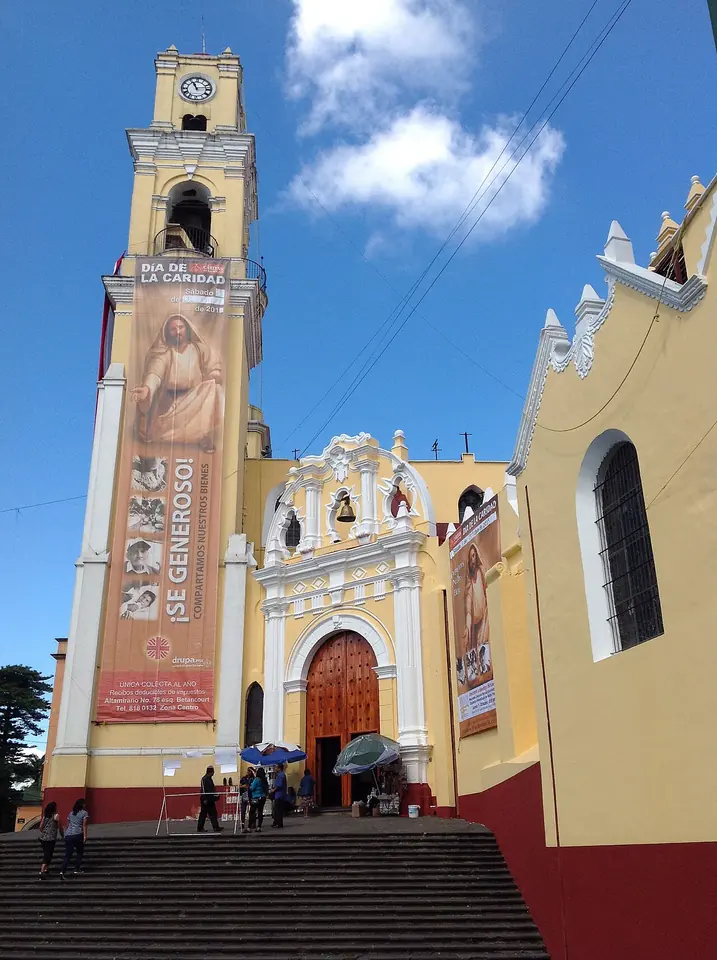
The life of St. Rafael Guízar y Valencia
Childhood and priesthood
Rafael was born on April 26, 1878, in Cotija, Michoacán, in the diocese of Zamora, one of eleven children of Prudencio Guízar and Natividad Valencia. His mother died when he was nine. He studied with the Jesuits, entered the minor seminary of Cotija in 1891 and the major seminary of Zamora in 1896, and was ordained a priest in June 1901, at twenty-three.
As a young priest he gave missions in Zamora and across Mexico. In 1905 he became spiritual director of the Zamora seminary, where he taught the students to love the Eucharist and the Virgin Mary.
A missionary in disguise
In 1911 he founded a Catholic newspaper; the revolution soon shut it down. From then on, as the Vatican biography says, he was "persecuted until his death." He had no fixed home. To reach the sick and dying he dressed as a street seller, a musician, even a homeopathic doctor, and under that cover he heard confessions, anointed the dying and gave Communion.

The danger grew so great that he left Mexico. He spent time in the southern United States until the end of 1915, then preached missions in Guatemala and in Cuba, where he also cared for the sick during an epidemic in 1919.
Bishop of Veracruz
While in Cuba he learned that he had been named bishop of Veracruz on August 1, 1919. He was consecrated in the cathedral of Havana on November 30 and took possession of his diocese on January 9, 1920. He spent his first two years visiting every corner of it, preaching, teaching the catechism, regularizing marriages and hearing confessions. When a terrible earthquake struck, killing many of the poor, he went among the victims with whatever help he could gather.
Pope Benedict XVI said of him at the canonization that "imitating the poor Christ, he renounced his goods and never accepted the gifts of the powerful, or rather, he gave them back immediately." He wrote his own catechism and used it in his missions.
The hidden seminary
The seminary was his first care. In 1921 he recovered and restored the old seminary building in Xalapa, which the state had confiscated in 1914. The government took it again. So he moved the seminary to Mexico City, where it ran in secret for fifteen years, the only seminary in Mexico that stayed open through those years. About three hundred seminarians studied there. Pope Benedict quoted the bishop's own words:
A Bishop can do without the mitre, the crosier and even without the cathedral, but he cannot do without the seminary, since the future of his Diocese depends on it.
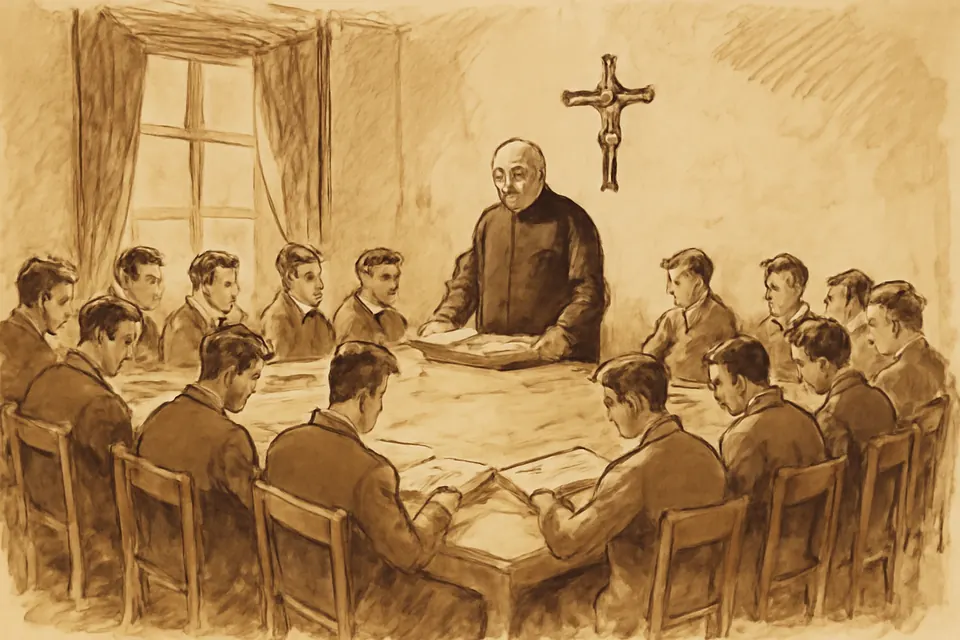
Of his years as bishop, nine were spent in exile or running for his life. At one point, the Vatican biography records, he offered to hand himself over to his persecutors if they would give the Church freedom of worship.
His last years
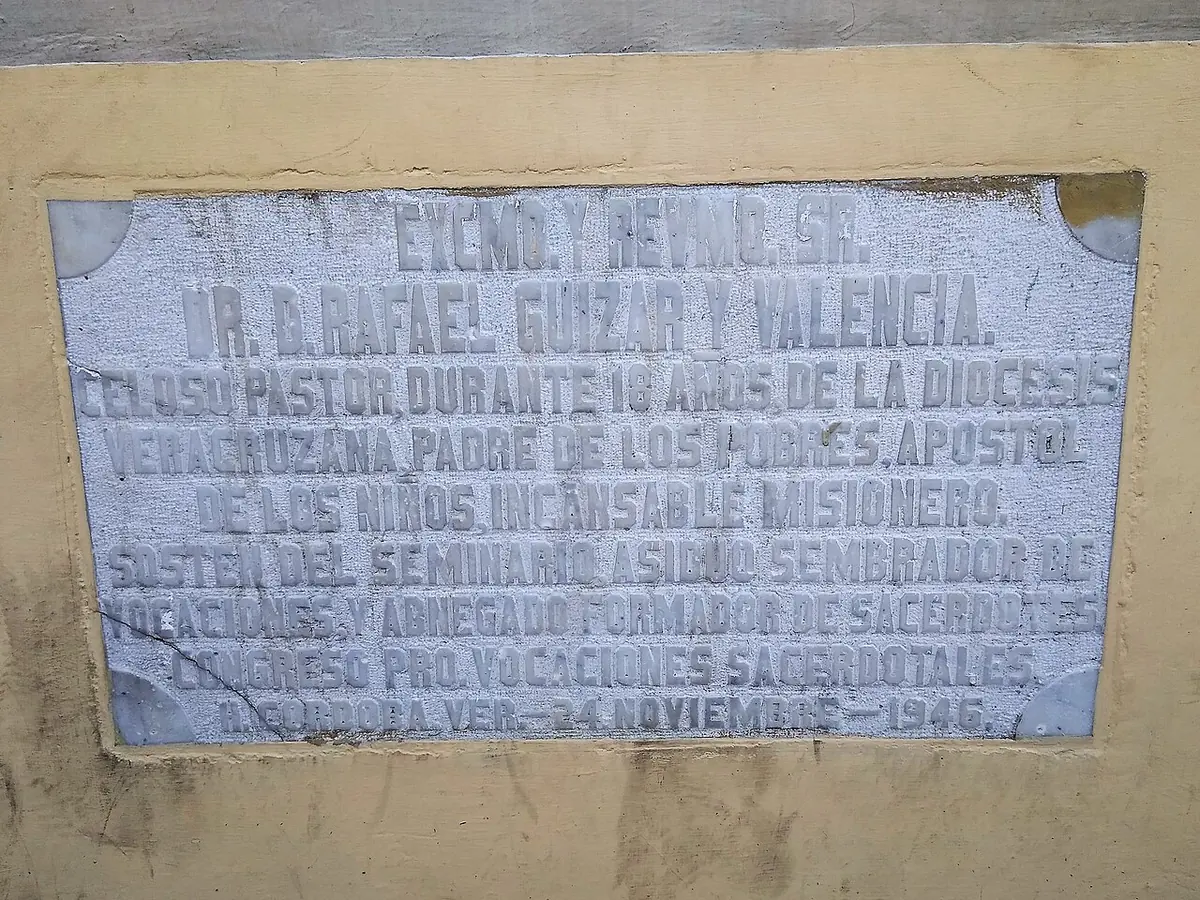
In December 1937, while preaching a mission in Córdoba, Veracruz, he suffered a heart attack. He never got out of bed again, but from his bed he went on governing the diocese and the seminary and said Mass every day. He died in Mexico City on June 6, 1938. The next day he was buried in Xalapa, and the whole city turned out for the funeral of "the saintly Bishop Guízar."
The miracles of St. Rafael Guízar y Valencia
His canonization rests on an approved miracle. Pope Benedict XVI signed the decree recognizing a miracle through his intercession on April 28, 2006, and that opened the way to the canonization in October. The Vatican biography does not describe the healing, and we have not found an official account of it, so we leave the details aside.
Pilgrims at his tomb in Xalapa continue to ask his help. Favors they report there are reported graces, not formally examined.
Why St. Rafael is the patron of Mexican bishops
When he was canonized in 2006, the Mexican Bishops' Conference chose him as its patron. He is the model the Church held up to them: a bishop who stayed poor, preached constantly, and protected the training of priests whatever it cost him.
Symbols of St. Rafael Guízar y Valencia in art
Because he lived in the age of photography, most images of him follow his photographs: a stout, round-faced bishop in a cassock, with a pectoral cross, a miter or a crozier. A catechism suits him well, since he wrote his own and preached from it on every mission. Statues of him stand at churches in Veracruz, among them the cathedral of Córdoba, and parishes carry his image in procession around his feast.
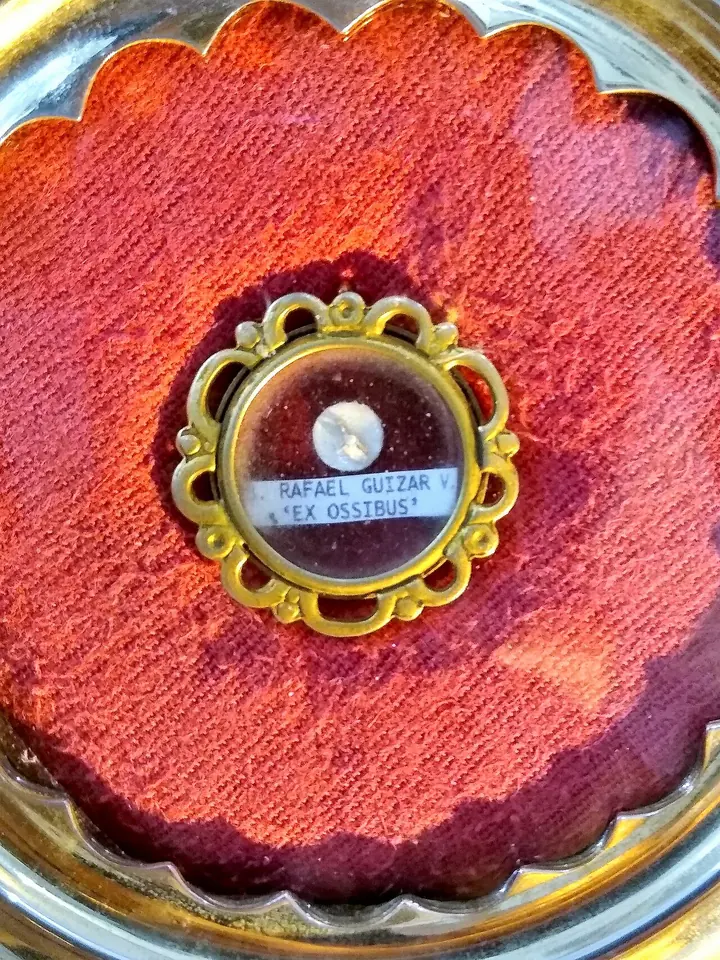
Feast day, shrine and prayer
His feast is kept in Mexico on October 24. Aleteia reports that the date was asked for because pilgrims were already coming to his grave on that day. His tomb is in the Metropolitan Cathedral of Xalapa. See other saints of October on our feast days calendar.
We have not found a traditional prayer to St. Rafael with an approved origin, so we do not print one here. Let us ask him to pray for bishops and priests, for seminarians, and for the poor he loved, especially in Mexico. St. Rafael Guízar y Valencia, pray for us.
Frequently asked questions
Who was St. Rafael Guízar y Valencia?
A Mexican priest and missionary who became bishop of Veracruz in 1919. He spent nine of his years as bishop in exile or on the run from the anti-Catholic government, kept a secret seminary running, and was known for his poverty and his care for the poor. He died in Mexico City in 1938.
When is the feast of St. Rafael Guízar y Valencia?
October 24 in Mexico. He died on June 6, 1938, and that date also appears in some calendars.
What is St. Rafael Guízar y Valencia the patron saint of?
The Mexican Bishops' Conference chose him as its patron at the time of his canonization in 2006.
Where is St. Rafael Guízar y Valencia buried?
In the Metropolitan Cathedral of Xalapa, Veracruz, where pilgrims come to ask for his intercession.
Keep exploring
Sources
- Rafael Guízar Valencia (1878-1938), Biography, Holy See (Office of Liturgical Celebrations). His birth, disguises, exile, the seminary, his death, beatification and the decree on the miracle
- Benedict XVI, Homily for the canonization of four saints, October 15, 2006. The words on the seminary quoted on this page
- AMERICA/MEXICO: Excited Catholics await canonisation ... soon patron saint of Mexican Bishops' Conference, Agenzia Fides (October 2006). Patron of the Mexican Bishops' Conference
- Meet this master of disguises and defender of the faith, Aleteia (2017). The feast on October 24 and why that date was chosen